Kansas Leftover Turkey Permit Sales
It's incredibly frustrating to miss the initial application window for a Kansas turkey permit, or perhaps you made a last-minute decision to chase gobblers and now feel like you've missed the boat entirely. Many hunters face this exact predicament, thinking their chances are gone. But don't despair! Kansas offers a lifeline through its leftover turkey permit sales, providing a fantastic opportunity to still get out in the field. This guide will walk you through everything you need to know about securing one of these coveted permits, from when and where to buy them, to how to choose the right unit for your hunt.
Understanding Kansas Turkey Permit Sales
The Kansas Department of Wildlife, Parks and Tourism (KDWP) manages turkey permits through a structured system, which can sometimes feel a bit like a maze. But once you understand the different phases, it becomes much clearer.
The Initial Draw and Application Process
Every year, there's a specific window for hunters to apply for their spring turkey permits. This is the primary application period, typically opening in January and closing sometime in February or early March. During this time, hopeful hunters submit their applications, often selecting their preferred unit and potentially a second-choice unit. It's a bit of a lottery, especially for nonresidents, as certain units have limited quotas. Getting your application in early and correctly is paramount if you're aiming for a specific, high-demand unit. Missing this period can feel like a real setback, as these initial permits often go to those who planned well in advance. For more details on the process, check out our guide on Kansas Spring Turkey Permits and Units.
Why Leftover Permits Exist
So, if there's an initial draw, why are there "leftover" permits? The simple answer is that not all available permits are claimed during the initial application period. There are several reasons for this. Sometimes, certain units don't fill their allocated quota, especially those that might be less popular or perceived as having lower turkey densities. Other times, the KDWP issues a specific number of permits, and not enough hunters apply for them. This creates a surplus. These unclaimed permits are then rolled into a "leftover" sale, giving hunters who missed the draw, or those seeking an additional permit (within limits), a second chance. It’s a mechanism to ensure that as many permits as possible are utilized, providing maximum opportunity for hunters.
Resident Versus Nonresident Opportunities
It's no secret that nonresident hunters often face steeper odds in many states' hunting permit draws, and Kansas turkey hunting is no exception. In the initial draw, Kansas has specific Kansas Nonresident Turkey Unit Quotas, which can be quite limited in popular units. This means nonresidents might not get their first choice, or any choice, in the initial round. This makes leftover sales even more critical for out-of-state hunters.
While residents generally have a better chance in the initial draw and often enjoy broader permit availability, even they might find themselves in need of a leftover permit if they decide to hunt later in the season or want to pursue a second bird if allowed. The leftover sale evens the playing field somewhat, as these permits are typically sold first-come, first-served, and are available to both residents and nonresidents, often without the unit restrictions or quotas of the initial draw, though availability can vary wildly. It’s a moment when being quick on the draw (pun intended!) online can pay off more than having accumulated preference points or applying early.
How and When to Buy Leftover Turkey Permits
Securing a leftover permit isn't just about knowing they exist; it's about understanding the specific timing and process to ensure you don't miss out again. These permits can go quickly, especially in units with decent turkey populations.
Key Dates for Leftover Sales
The KDWP is pretty consistent with its schedule, but like all things in nature and government, slight variations can occur. Generally, Kansas leftover turkey permits become available for sale in late March or early April, right before or just as the archery season opens. For instance, the general archery season usually kicks off around April 1st, and the regular firearm season later in the month.
The important thing is to mark your calendar and stay vigilant. The specific date and time for the opening of leftover sales will be announced by KDWP through their official channels. This is not a time to be casual; setting reminders on your phone, following KDWP's social media, and checking their website frequently in the weeks leading up to April are all smart moves. Sometimes, permits are released in phases, with certain units or types becoming available before others. Always cross-reference with the latest Kansas Regulation Summary Release Date to get the most up-to-date information.
The Purchase Process Online and In-Person
The easiest and most common way to purchase a leftover Kansas turkey permit is online through the official Go Outdoors Kansas portal. This system is designed to handle the volume and provide real-time updates on permit availability.
Here’s a general step-by-step for buying online:
- Access the Portal: Head to the Go Outdoors Kansas website. If you don't already have an account, you'll need to create one. This involves providing personal information, verifying your identity, and ensuring your hunter education requirements are met. It's crucial to have this account set up before the sale date, as scrambling to create one while permits are flying off the digital shelves is a recipe for disappointment.
- Navigate to Permit Sales: Once logged in, look for the "Licenses & Permits" section, or specifically "Spring Turkey Permits."
- Check Availability: The system will display available units. As permits are first-come, first-served, you'll see units disappear in real-time. This is where a little stress can kick in!
- Select Your Permit: Choose the unit you want. If it's available, add it to your cart. Remember any limitations, such as the total number of permits you can hold.
- Complete Purchase: Proceed to checkout, enter your payment information, and finalize the transaction. You'll usually receive an email confirmation with your permit, which you can then print or save digitally to your phone.
While online is preferred for speed, you might also be able to purchase permits in person from authorized license vendors across the state. However, these physical locations might not have the same real-time inventory updates as the online system, and by the time you drive there, your desired permit could be gone. For nonresidents, especially, the online method is almost always the way to go. Don't forget, you'll also need a valid hunting license, which you can purchase through the same Go Outdoors Kansas system. Our guide on Kansas Hunting Licence and Permit Costs has all the details.
Strategy for Securing a Leftover Permit
Success in securing a leftover permit boils down to preparation and quick action. First, know your target units. Before sales open, research the various Kansas Deer Units and What Each Holds (turkey often correlates with deer habitat) and have a few backup units in mind. The GoHunt platform can be a fantastic tool here. While GoHunt is often associated with big game draws, its comprehensive mapping and data analysis features can help you understand habitat, land access, and general game distribution, which is incredibly useful for turkey hunting. You can scout potential units digitally, looking for good timber blocks, creek bottoms, and agricultural fields that turkeys frequent.
Second, be ready the moment sales open. Have your Go Outdoors Kansas account logged in, your payment information saved, and be prepared to click fast. These permits are a race. Finally, be flexible. Your dream unit might sell out in minutes. Having a second or third choice, even if it means driving a little further or hunting less familiar territory, is crucial. It’s better to have a permit for a slightly less ideal spot than no permit at all!
Navigating Kansas Turkey Units and Leftover Choices
Kansas is a big state, and its turkey units vary widely in terms of habitat, turkey density, and hunter pressure. When you're looking at leftover permits, understanding these nuances is key to making a smart choice.
Unit Restrictions and Turkey Populations
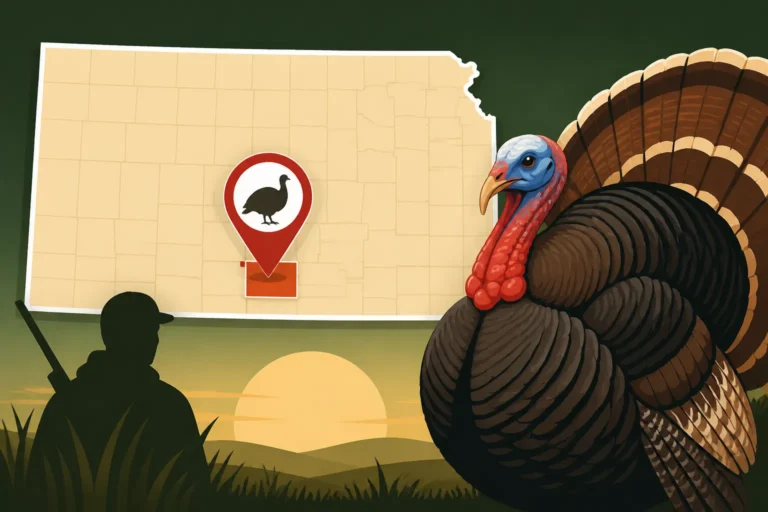
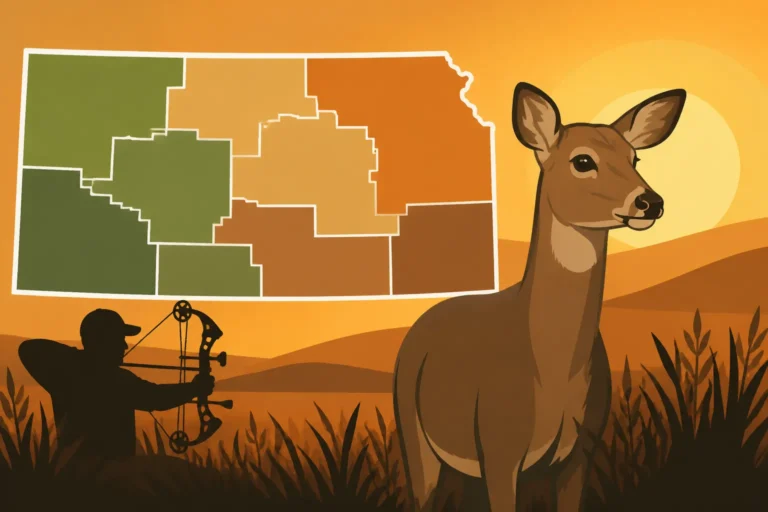
Kansas is generally divided into several turkey units. Some of these, particularly in the eastern part of the state where more timbered habitat and dense populations of Eastern and hybrid turkeys exist, are often the most sought-after. Other units, especially in central and western Kansas, are home primarily to Rio Grande turkeys and feature more open country with river bottoms and agricultural lands. It's important to remember that Kansas Turkey Population Trends have seen some decline in recent years, making careful unit selection even more critical.
When buying a leftover permit, you'll typically be able to choose from units that still have tags available. Some units might be completely sold out from the initial draw, while others might have a handful of permits left, and still others might have plenty. The KDWP website or the Go Outdoors Kansas portal will display which units have permits. Keep in mind that a unit with many available leftover permits might be that way because it has lower turkey densities, less public land, or is generally less popular. However, "less popular" doesn't mean "no turkeys." It just means you might have to work a little harder or adapt your tactics.
Popular Units Versus Lesser-Known Options
Everyone wants to hunt the "best" units, but with leftover permits, those units are usually long gone. This is where embracing a lesser-known option can really pay off. For instance, Unit 4 in Kansas is historically popular and often has significant nonresident restrictions or quickly fills up. But there are many other excellent units across the state.
Instead of fixating on a perceived "trophy" unit, consider units that might not be on everyone's radar but still offer solid hunting. Look for units with a good mix of timber, water, and agricultural fields. Tools like GoHunt can help you overlay land ownership with habitat features, allowing you to quickly identify potential hotspots. Even if a unit has a lower overall turkey density, focusing on pockets of prime habitat can lead to success. Remember, a single Rio Grande Turkey Range in Kansas or Eastern Turkeys in Eastern Kansas can provide an incredible hunting experience, regardless of the unit's "popularity." It’s all about putting boots on the ground or, initially, fingers on the keyboard to scout!
Planning Your Hunt Around a Leftover Permit
Once you've secured a leftover permit, the real work of planning your hunt begins. Since you're likely buying a permit closer to the season, you might have less time for traditional scouting. This is where digital scouting becomes your best friend. Utilize online mapping resources to identify potential public lands – like Kansas Walk-In Hunting Access Explained (WIHA) tracts or State Wildlife Areas – within your chosen unit. Look for creek crossings, river oxbows, and shelterbelts that often funnel deer and turkeys.
Even if you only have a few days, focus on identifying key turkey habitat: roosting trees, feeding areas (like freshly planted fields or areas with leftover crops), and travel corridors. Be prepared to hit the ground running. Sometimes, planning a hunt around a leftover permit means a bit more run-and-gun hunting, which can be incredibly exciting. For more in-depth scouting tips from your couch, check out our guide on E-Scouting Kansas Farm Country From Home.
Maximizing Your Chances with a Leftover Permit
Getting the permit is half the battle; the other half is making the most of it. Leftover permits often mean you're coming into the season with less lead time, so smart strategies are paramount.
Staying Informed About Availability
The availability of leftover permits is dynamic. Units can sell out quickly, and new permits might occasionally become available if KDWP makes adjustments. Therefore, constant vigilance is key. Regularly check the KDWP website's permit sales section. Many states, including Kansas, offer email or text alerts for significant updates, so make sure you're signed up for any notifications the KDWP provides regarding turkey season and permit sales.
Beyond official channels, a platform like GoHunt can be invaluable. While it's primarily known for its draw odds and application strategy tools, its forum and community features often have hunters sharing real-time information about permit availability or offering insights into specific units. Staying connected to the broader hunting community can give you a heads-up on opportunities before they vanish.
Flexibility and Quick Decision Making
When leftover permits drop, it's not a time for indecision. You need to have done your homework before the sale opens. As we discussed earlier, have a list of preferred units and backup units ranked. If your first choice is gone, immediately move to your second. Hesitation can mean losing out entirely. This is particularly true for nonresidents, where competition can be fiercer.
It's also about being flexible with your hunt plans. Maybe you planned to hunt the first week of archery season, but the only permits available are for units that lend themselves better to a late-season firearm hunt. Adapt! Being open to different times, units, or even hunting methods can mean the difference between tagging a bird and sitting at home. If you're planning a hunt during a specific part of the season, like the main firearm season, be ready to grab that permit as soon as it's available.
Beyond the Permit: Pre-Season Prep and Scouting
Even if you're jumping in last minute with a leftover permit, some fundamental preparation is still essential. Don't overlook the basics!
- Gear Check: Ensure your shotgun or bow is sighted in and functioning perfectly. Check your calls – box calls, pot calls, diaphragms – and practice your sequences. If you plan on trying to bring a gobbler off the roost, ensuring your calls are tuned up is critical. Our guide on Calling a Gobbler Off the Roost can offer some pointers.
- Physical Fitness: Turkey hunting can involve a lot of walking, especially if you're doing a Run-and-Gun Turkey Tactics on Kansas Walk-In Ground style hunt. Even just a little physical prep can make your hunt more enjoyable and increase your stamina for covering ground.
- E-Scouting Reinforcement: While we've mentioned it, it bears repeating: dedicate solid time to e-scouting your chosen unit. Look for obvious terrain features, potential roosting areas, and public access points. Pay close attention to any KDWP maps or aerial imagery that highlight specific turkey habitat or access routes.
By having your permit and combining it with smart, agile planning, you'll be well on your way to a memorable Kansas spring turkey hunt, even if it started with a last-minute permit purchase.
Kansas Turkey Permit Sales Snapshot
To quickly summarize the key differences and timing, here's a table contrasting the initial draw and leftover permit sales processes:
| Feature | Initial Permit Draw Process | Leftover Permit Sales Process |
|---|---|---|
| Application Window | Typically January – early March | Late March – early April (after draw results) |
| Availability | All allocated permits for residents & nonresidents | Unclaimed permits from initial draw |
| Method of Acquisition | Application/Lottery draw | First-come, first-served online (primarily) |
| Nonresident Opportunity | Quota-restricted, often competitive | Open to nonresidents, can be good option for last-minute permits |
| Flexibility | Less flexible; choose units in advance | Requires flexibility on unit choice and timing |
| Planning Time | Ample time for pre-season scouting | Limited time, emphasizes digital scouting and quick action |
| Key Platform | Go Outdoors Kansas (for application) | Go Outdoors Kansas (for purchase) & KDWP announcements |
Disclaimer
Please remember that hunting regulations, season dates, and permit availability can change. Always consult the official Kansas Department of Wildlife, Parks and Tourism (KDWP) website and their current hunting regulations pamphlet before planning any hunt. This guide is for informational purposes only and should not replace official KDWP resources.