Kansas Spring Turkey Application Period
The spring turkey season in Kansas is a pilgrimage for many hunters, a chance to chase those booming gobblers across the rolling prairies and timbered creek bottoms. But before you can even think about setting decoys or mimicking a hen, you have to successfully navigate the sometimes-daunting application period for your permit. It can be a real headache, especially for non-residents or first-timers trying to figure out deadlines, unit restrictions, and all the little details that can make or break your hunt before it even begins. This comprehensive guide is designed to demystify the Kansas spring turkey application process, walking you through every step to ensure you're ready when the season arrives.
Understanding the Kansas Turkey Landscape
Kansas might be known for its big whitetails, but its wild turkey population offers an equally thrilling challenge. Before you jump into the application, it helps to have a lay of the land, understanding what kind of turkeys you're after and how their populations are faring across the state. This insight will help you make more informed decisions when it comes to selecting your hunting unit.
Kansas Wild Turkey Species and Distribution
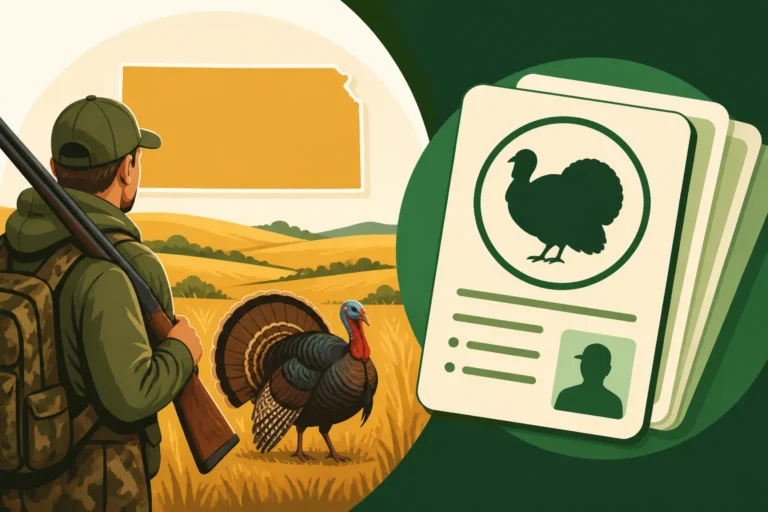
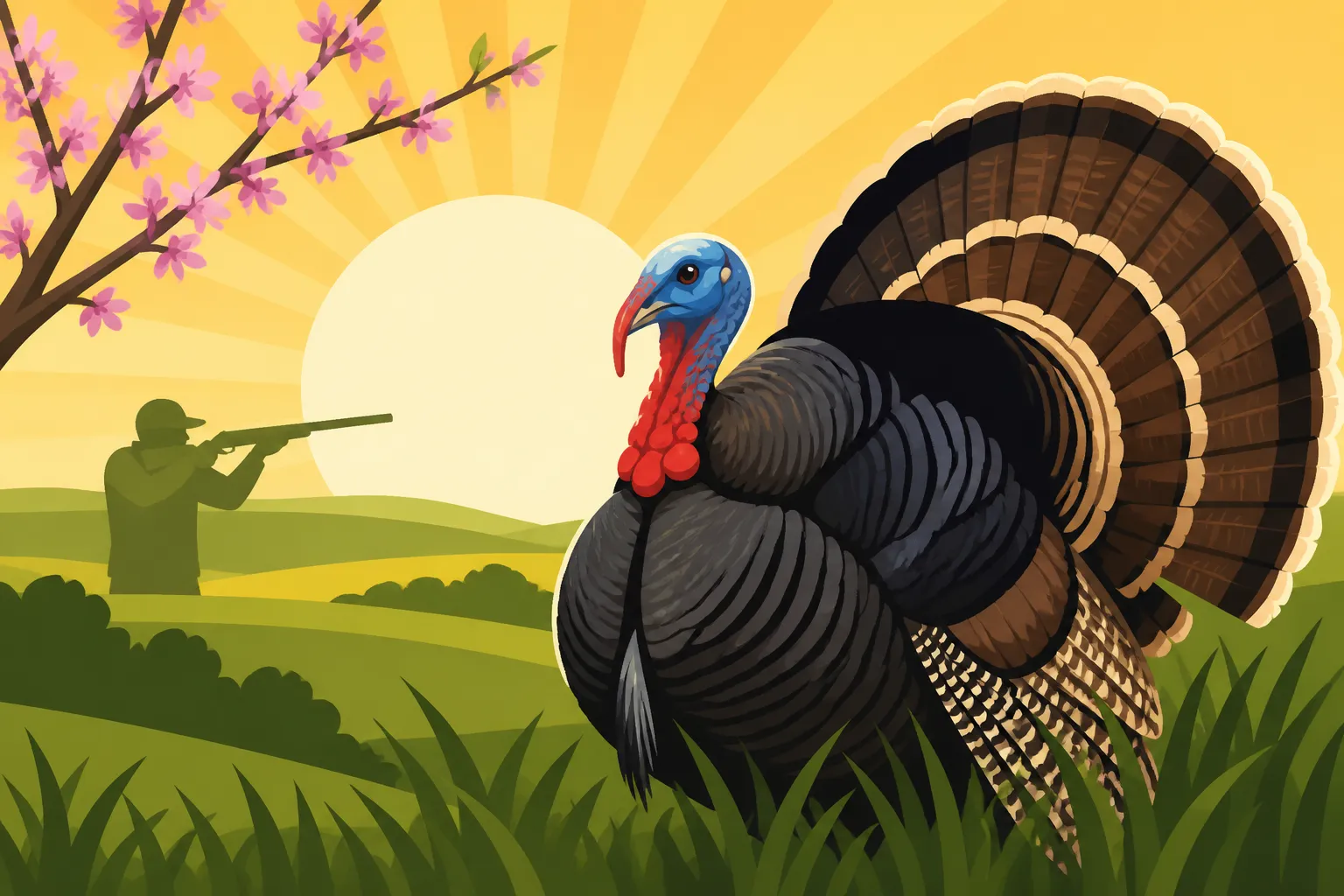
Kansas is primarily home to the Rio Grande wild turkey, especially in the central and western parts of the state. These birds are renowned for their striking gobble and can often be found in more open, agricultural landscapes interspersed with river bottoms and shelterbelts. As you move further east, particularly in the timbered river corridors and heavier woodlands, you'll start to encounter Eastern wild turkeys. And, in the zones where these two subspecies meet, it's not uncommon to find hybrids, which can sometimes throw a curveball into traditional calling strategies. Knowing which species predominates in your desired hunting area can influence your scouting and hunting tactics significantly. For a deeper dive into these fascinating birds, check out our guide on Kansas Wild Turkeys and the Population Decline.
Recent Population Trends and Their Impact
Unfortunately, like many states, Kansas has seen a notable decline in its wild turkey populations in recent years. This isn't just a Kansas problem; it's a trend observed across much of the country, attributed to factors like habitat loss, changes in agricultural practices, increased predation, and sometimes even disease. What does this mean for you, the hunter? It means that drawing a permit might be a bit more competitive in certain high-demand units, and success rates could fluctuate based on regional poult survival from the previous year. The Kansas Department of Wildlife, Parks and Tourism (KDWP) closely monitors these trends and adjusts permit quotas accordingly to ensure sustainable populations. Staying informed about these trends, perhaps through resources like the KDWP website or advanced mapping platforms like GoHunt that sometimes offer state-specific intel, can help you manage your expectations and refine your unit choices.
Navigating the Application Period
The spring turkey application period is a crucial window, and missing it means missing out on the opportunity to secure a permit through the draw. It’s not just about knowing when to apply, but also how to apply correctly to avoid any unnecessary hiccups.
Key Dates and Deadlines You Can't Miss
For non-residents, the Kansas spring turkey application period typically opens in early January and runs through mid-February. It's a relatively tight window, and missing the deadline means you'll be relying on the slim pickings of leftover permits, which are never a guarantee. Residents usually have a later, more flexible timeline, often able to purchase permits over the counter for much longer, or apply through an earlier resident-only draw with separate dates.
It's absolutely essential to mark these dates on your calendar and set reminders. I've heard countless stories of hunters, excited for the season, who simply forgot the deadline in the rush of daily life. Don't be that hunter! Double-check the current year's exact dates directly on the KDWP website or through trusted hunting applications like GoHunt, which often have up-to-date regulatory information. The season dates themselves will vary, but knowing when you need to put your name in the hat is paramount. We break down these critical dates further in our article on Kansas Nonresident Turkey Application Dates.
The Online Application Process Step-by-Step
The KDWP has streamlined the application process significantly through its online GoOutdoorsKansas portal. Here's a general walkthrough of what to expect:
- Create an Account or Log In: If you're a new user, you'll need to create a customer account. Returning applicants can simply log in with their existing credentials. Make sure all your personal information is accurate and up-to-date.
- Select Your Application Type: You'll choose the "Spring Turkey" application.
- Choose Your Permit Type: Non-residents will typically apply for a "Non-resident Spring Turkey Permit." Residents will have options for resident permits.
- Designate Your Unit: This is a critical step. You'll need to select a primary unit you wish to hunt. Kansas uses a unit system, and your permit will be valid only in the unit you draw, or in adjacent units if you secure certain types of permits. We'll dive deeper into unit selection shortly.
- Pay the Application Fee: There's usually a small, non-refundable application fee. This is separate from the actual permit cost and is required whether you draw a permit or not. For details on this, see our piece on the Kansas Turkey Application Fee.
- Review and Submit: Before hitting that final submit button, carefully review all your selections. One wrong click could mean applying for the wrong unit or an incorrect permit type. Once submitted, you'll typically receive a confirmation email.
The system is generally user-friendly, but take your time. There's no rush to be the first one to apply, but there's every reason to be accurate.
Choosing Your Kansas Turkey Unit Wisely
This is where strategy really comes into play. Kansas is divided into several turkey hunting units, each with different quotas, population densities, and access opportunities. Making an informed decision here can greatly affect your chances of drawing a tag and, ultimately, your hunting experience.
Understanding Unit Quotas and Resident-Only Areas
Each Kansas turkey unit has a specific quota for non-resident permits. This quota is determined by KDWP based on turkey populations, hunter pressure, and management goals for that particular region. Some units will have higher quotas due to larger turkey numbers and more available habitat, while others might be very restrictive.
It’s crucial to understand that not all units are open to non-residents for permits obtained through the draw. For instance, Unit 4, located in the far eastern part of the state, is often designated as resident-only. This means non-residents cannot apply for a permit in this unit through the primary draw. Attempting to do so will simply lead to a rejected application. Always consult the most current KDWP regulations summary to confirm which units are open to non-residents. Knowing this information can save you a lot of frustration and ensure your application is valid. For more details on these restrictions, check out Why Kansas Unit 4 Is Resident Only. We also have a comprehensive breakdown of Kansas Turkey Unit Quotas Compared that can help guide your choices.
Researching Success Rates and Hunter Pressure
Once you know which units are open to you, the real research begins. You want to pick a unit that offers a good balance of drawing odds and hunting quality. Here are some factors to consider:
- Drawing Odds: While Kansas doesn't use a preference point system for turkeys like it does for deer, some units are consistently harder to draw than others simply because more people apply for them. Units with extensive public land, known high turkey populations, or strong historical success rates tend to attract more applicants. KDWP typically publishes drawing success statistics from previous years, which can be invaluable.
- Harvest Success Rates: Beyond just drawing a permit, what are your chances of actually tagging a bird? Units with higher harvest success rates generally indicate healthy turkey populations and good hunting opportunities. However, remember that "success rate" is an average and doesn't account for individual hunting skills or effort.
- Hunter Pressure: High success rates can sometimes come with high hunter pressure, especially on public land. If you prefer a more solitary hunting experience, you might lean towards units with lower hunter density, even if the success rate is slightly lower. Tools like GoHunt can sometimes offer insights into public land parcels within units, helping you visualize potential pressure points.
- Habitat Analysis: Use satellite imagery (available through various mapping applications) to scout potential units. Look for a mix of timber, creek bottoms, open fields, and agricultural edges. Turkeys thrive where there’s good roosting cover, reliable food sources, and travel corridors.
Factors to Consider for Nonresidents
For nonresidents, the unit choice can be even more critical. Since your travel and time are likely more limited, maximizing your chances of a quality hunt is paramount.
- Proximity to Public Land: If you don't have private land access, focusing on units with substantial Walk-In Hunting Access (WIHA) properties or State Wildlife Areas is key. Remember that Hunting Kansas Walk-In Land Without Burning It Out requires a different approach.
- Travel Time: Consider the drive to and from your chosen unit. A longer drive might mean less actual hunting time if your trip is short.
- Lodging and Amenities: While Kansas is generally hunter-friendly, some units are more remote than others. Check for nearby towns with lodging, restaurants, and other necessities.
- Guiding Services: Some nonresidents opt for a guided hunt, especially if they're unfamiliar with Kansas terrain or turkey behavior. If you plan to use a guide, they will typically recommend specific units they operate in.
Ultimately, your choice should balance your desire for a particular experience (e.g., high success vs. low pressure) with the practical realities of drawing a permit and accessing huntable land.
The Nitty-Gritty of Permits and Costs
Beyond the application itself, understanding the different permit types and their associated costs is vital. This section breaks down what you'll need to purchase and what those purchases allow you to do.
Permit Types and What They Allow
When applying for a spring turkey permit in Kansas, you'll typically encounter a few options:
- Spring Turkey Permit: This is the most common permit. For non-residents, it's usually valid for one bearded turkey. Residents might have options for a second turkey permit, but these are often limited in scope or unit. Always confirm the bag limit and species restrictions for your specific permit type.
- Limited Unit vs. Statewide: Most non-resident permits are unit-specific, meaning you can only hunt in the unit you applied for and drew. In contrast, residents often have more flexibility, sometimes being able to purchase a statewide permit (excluding Unit 4) or a unit-specific permit. This distinction is crucial; hunting outside your designated unit with a unit-specific permit is a violation.
Remember that any permits purchased are typically for a single spring season. There's no rolling over unused tags or transferring them to another hunter. Understanding these nuances upfront prevents costly mistakes in the field.
Pricing for Residents and Nonresidents
The cost of a Kansas spring turkey permit varies significantly between residents and non-residents. This is standard practice in most states, designed to prioritize resident hunters and manage out-of-state pressure.
| Permit Type | Resident Cost (Approx.) | Non-Resident Cost (Approx.) | Application Fee (All) |
|---|---|---|---|
| Spring Turkey Permit (1st) | $32.50 | $102.50 | $7.50 |
| 2nd Turkey Permit (Resident Only) | $22.50 | N/A | N/A |
| Annual Hunting License | $27.50 | $97.50 | N/A |
Note: These prices are estimates and can change. Always check the official KDWP website for the most current fees.
The application fee is usually non-refundable, so even if you don't draw a non-resident permit, you won't get that small fee back. It's a small price to pay for the chance to hunt Kansas, but it's important to factor it into your overall budget. While not directly part of the application, our guide on Kansas Hunting Licence and Permit Costs covers the full range of fees you might encounter.
Hunting License Requirements Beyond the Permit
Here's a common point of confusion for new hunters, especially non-residents: a turkey permit is not a hunting license. You need both. Before you can legally hunt any game in Kansas, you must possess a valid Kansas hunting license.
- Annual Hunting License: This is a separate purchase from your turkey permit. It grants you the privilege to hunt various game species in Kansas for the duration of the license year (typically from January 1st to December 31st).
- HIP Registration: If you plan to hunt migratory birds (even if you're only targeting turkeys, which are often grouped differently by state regulations), you might also need to complete the Harvest Information Program (HIP) registration. It's usually free and quick to do online.
- Hunter Education: If you were born on or after July 1, 1957, you must have successfully completed an approved hunter education course to hunt in Kansas. There are exceptions for apprentice hunting licenses, but generally, this is a requirement.
It's tempting to think only about the turkey permit, but forgetting your general hunting license can lead to fines and a ruined hunt. Make it a habit to check all licensing requirements before heading afield.
What Happens After You Apply?
Once you've submitted your application and paid the necessary fees, the waiting game begins. This period can feel long, especially when the anticipation for spring turkeys is building. Knowing what to expect regarding drawing results and what options are available if you don't draw can alleviate some of that anxiety.
Drawing Results and Notification
For non-residents applying for spring turkeys, the draw results are typically announced within a few weeks after the application period closes. The KDWP will usually post these results online, and applicants may also receive an email notification. It's always a rush of excitement (or sometimes, disappointment) when those results come in.
- Check Your Account: The most reliable way to check your results is often by logging back into your GoOutdoorsKansas customer account. Your application status will usually update to "Successful," "Unsuccessful," or "Leftover Permit Eligible."
- Email Notifications: While email notifications are common, they can sometimes end up in spam folders or be delayed. Don't solely rely on email; check your online account for official confirmation.
- Permit Delivery: If you are successful in the draw, your permit will usually be available electronically in your online account. You might need to print it or have it accessible on your mobile device, depending on the current regulations for electronic permits. Always confirm the specific tagging and carrying requirements.
Dealing with Leftover Permits
If you're among the unlucky few who didn't draw a non-resident permit in the initial application, don't despair entirely! Kansas often has leftover permits available, particularly for units that didn't fill their quota during the draw.
- Leftover Permit Sales: These permits are usually sold on a first-come, first-served basis, beginning on a specific date after the draw results are announced. The sale typically happens online. Non-residents who were unsuccessful in the draw may have an early access period before they open up to the general public.
- Limited Availability: Leftover permits are a gamble. The most desirable units or those with higher success rates will likely have no leftovers, or they will sell out extremely quickly. You might find yourself with options only in units that are more challenging to hunt or further off the beaten path.
- Strategic Planning: If you're planning to rely on a leftover permit, it's wise to have a backup plan. Research which units tend to have leftovers in previous years and be ready to purchase immediately when sales open. Our guide on Kansas Leftover Turkey Permits goes into much more detail on this often-frustrating, but sometimes rewarding, process.
It's a less ideal scenario than drawing your first choice, but a leftover permit is still a permit, and it gets you in the field. Many successful hunts have started with a leftover tag and some determined effort!
Maximizing Your Chances and What to Expect
Even with all the information in hand, there's an art to applying and preparing for a successful Kansas spring turkey hunt. It's about combining strategic thinking with realistic expectations and thorough preparation.
Strategic Application for Different Goals
Your application strategy should align with your personal hunting goals. Are you looking for the absolute best chance at a trophy bird, or are you prioritizing drawing a tag in any unit to simply get out and hunt?
- High-Demand Units (Trophy Potential): If your goal is a shot at a truly exceptional gobbler, you might focus on units known for producing larger or more numerous birds. These are often units with excellent habitat, perhaps more private land, or historically good populations. Be prepared for potentially lower draw odds. Many serious turkey hunters will use mapping resources and data analysis from sources like GoHunt to pinpoint these areas.
- High-Odds Units (Guaranteed Hunt): If securing a permit is your primary objective, regardless of potential trophy size, target units that consistently have higher draw success rates or even leftover permits. These might be units with slightly lower turkey densities or more widespread, but less concentrated, habitat.
- Public Land Access Priority: If you rely solely on public land or WIHA, factor that heavily into your unit choice. Some units simply have more accessible public ground than others, making your hunt logistically easier once you draw a tag. Understanding Public Land Deer Hunting in Kansas can give you a general idea of public land availability, though turkey specifics might differ. For actual spring turkey season dates, refer to Kansas Spring Turkey Season Dates.
Think about your priorities, and let them guide your unit selection. There's no single "best" unit; it's about finding the best fit for you.
Preparing for Your Hunt After Drawing a Tag
Drawing a spring turkey tag for Kansas is just the beginning of your adventure! Once that coveted permit is in hand, it's time to shift gears from application strategy to hunting preparation.
- Scouting, Scouting, Scouting: If possible, spend time scouting your drawn unit before the season. Look for roosting areas, strut zones, travel corridors, and potential setup locations. If an in-person scout isn't feasible, use online mapping tools extensively. Look for creeks, timber blocks, and field edges that turkeys frequent. You might find our article on Roosting Kansas Turkeys the Night Before helpful for pre-season recon.
- Calling Practice: Practice your turkey calls until they're second nature. Whether it's a box call, slate call, or mouth call, confidence in your calling is crucial. Turkeys in Kansas can be vocal, but they can also be tight-lipped, especially if they're henned-up. Knowing Calling a Henned-Up Kansas Gobbler is an invaluable skill.
- Gear Check: Ensure your shotgun is patterned, your camouflage is appropriate for the Kansas landscape (think browns, greens, and tans for the mixed terrain), and your decoys are in good condition. Don't forget bug spray, especially later in the season.
- Physical Preparation: Turkey hunting often involves a lot of walking, sometimes across uneven terrain. Being in decent physical shape will make your hunt much more enjoyable. This is especially true if you plan on covering a lot of ground using Run-and-Gun Turkey Tactics on Kansas Walk-In Ground.
- Understand Regulations: Re-read the KDWP regulations summary for the current season. Pay close attention to legal hunting hours, tagging requirements, baiting prohibitions, and any specific rules for your chosen unit or the public land you plan to hunt.
A successful turkey hunt is a blend of planning, patience, and a little bit of luck. By thoroughly understanding the application process and meticulously preparing for your hunt, you significantly stack the odds in your favor for an unforgettable Kansas spring turkey season.
Disclaimer
Please note that hunting regulations, season dates, and permit costs are subject to change. Always consult the official Kansas Department of Wildlife, Parks and Tourism (KDWP) website or their current hunting regulations summary for the most accurate and up-to-date information before applying or heading afield. This guide provides general information and should not be considered a substitute for official KDWP publications.