Are Screw-In Steps Legal in Kansas?
There’s nothing quite as frustrating as showing up to your favorite public hunting spot, ready to hang a stand, only to second-guess if your chosen climbing method is even legal. The world of tree stand regulations, especially concerning screw-in steps, can feel like navigating a legal minefield, leaving many Kansas hunters scratching their heads and fearing potential fines. This guide is here to untangle the confusion surrounding screw-in steps in Kansas, helping you understand the rules, avoid violations, and ensure you're hunting ethically and legally every time you hit the timber.
Understanding Kansas Regulations on Tree Stands and Climbing Aids
The Kansas Department of Wildlife and Parks (KDWP) sets the rules for hunting on public land, and these regulations are designed to protect both the natural resources and the experience of all users. When it comes to tree stands and climbing aids, the core principle often revolves around preventing damage to trees and leaving the land in the condition you found it.
The General Rule: No Permanent Alterations on Public Land
One of the most fundamental tenets of public land use in Kansas is that you cannot make permanent alterations to the landscape or vegetation. This rule is in place for good reason: it preserves the natural environment for wildlife and ensures that every hunter and outdoor enthusiast finds a pristine, undisturbed area. Imagine if every hunter screwed steps into trees, cut branches, or built permanent blinds – public lands would quickly become scarred and degraded.
A "permanent alteration" isn't just about something you can't remove; it's about anything that leaves a lasting impact on the resource. This can include cutting limbs for shooting lanes, driving nails into trees, or, crucially, screwing metal steps directly into the trunk. Even if you remove the step, the hole remains, providing an entry point for disease or insects that can harm the tree, making it a permanent alteration in the eyes of the law and conservation. This philosophy is especially important when considering the long-term health of our limited timber resources, particularly in parts of Kansas where big mature trees are a cherished commodity.
Interpreting "Screw-In" in the Regulations
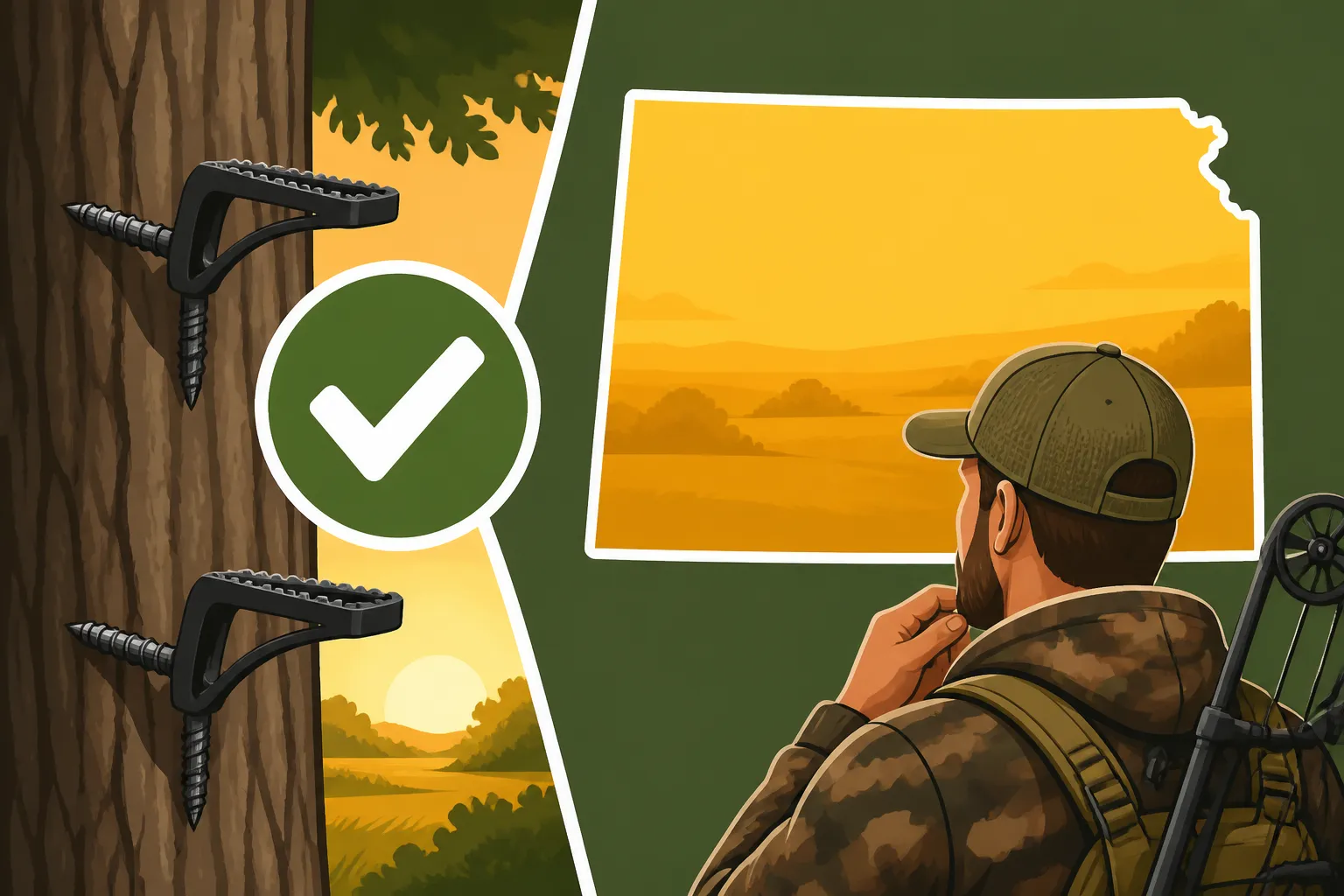
While the KDWP regulations might not always explicitly use the term "screw-in steps" and declare them outright illegal by name, the intent behind the rules strongly disfavors them on public land. Most regulations state that no person shall "damage, deface, remove, or otherwise alter any tree, shrub, or other plant material." When you screw a metal step into a tree, you are undeniably puncturing the bark and cambium layer, which is the living tissue responsible for the tree's growth. This act constitutes damage, and therefore, screw-in steps are generally considered illegal for use on Kansas public lands, including Walk-In Hunting Access (WIHA) properties and State Wildlife Areas.
The reasoning here is quite clear-cut: a hole in a tree is a wound. That wound can compromise the tree's health, making it susceptible to rot, disease, or pests. The KDWP is focused on maintaining the ecological integrity of these lands, and allowing widespread tree damage goes directly against that mission. Even if you believe your small screw-in step does minimal damage, the cumulative effect of hundreds or thousands of hunters doing the same thing would be disastrous for the timber resources. It's best to err on the side of caution and assume that if it penetrates the tree, it's not allowed on public ground. This understanding helps ensure you're compliant and respectful of the shared resource.
What is Permitted: Temporary Climbing Aids
Thankfully, the KDWP understands that elevated hunting is a crucial tactic, especially for deer hunting in Kansas's often flat, open landscape. As such, regulations permit the use of temporary climbing aids that do not damage the trees. The key here is "temporary" and "non-damaging." This means methods that rely on straps, chains, or compression against the tree, rather than penetration.
Common legal options include:
- Climbing Sticks: These segmented ladders attach to the tree using straps or cam buckles. They are fully removable, leave no trace, and are robust enough to get you to your desired height safely. Many brands offer lightweight, packable climbing sticks that make them ideal for mobile hunting.
- Strap-On Steps: Similar to climbing sticks, these individual steps secure around the tree with a strap, providing a foothold without piercing the bark. They are a good alternative if you prefer individual steps over a full stick system.
- Portable Ladder Stands: These stands come with their own ladder sections that lean against the tree and are secured with straps or ratchet straps, offering a stable, comfortable platform without harming the tree.
- Climbing Treestands: Designed to "climb" the tree as you ascend, these stands typically grip the tree with a biting cable or camming action that doesn't penetrate the bark. They are highly mobile and leave no lasting impact once removed.
When using any of these legal alternatives, always ensure they are fully removed after your hunt, or at least by the legal deadline for stand removal on public land, which is usually shortly after the hunting season closes. Leaving portable stands unattended beyond the legal period is another common violation. Remember, the goal is to leave no trace, ensuring the next hunter finds the woods just as you did. You can find more detailed guidance on proper equipment and setup in resources like "Portable Stand Rules on Kansas Public Land".
Public Land Versus Private Land Rules
The distinction between public and private land is absolutely critical when it comes to hunting regulations in Kansas, especially concerning tree stands and climbing aids. What might be permissible on your own property with explicit permission could land you in serious trouble on public ground.
Navigating Public Land Restrictions
Kansas offers a fantastic amount of public hunting access, primarily through its Walk-In Hunting Access (WIHA) program, State Wildlife Areas, and federal lands managed by agencies like the Army Corps of Engineers. While the general "no permanent alteration" rule applies across the board, specific areas might have even tighter restrictions.
- WIHA Lands: These are private lands leased by the KDWP for public hunting. The landowners grant permission to the state, and KDWP regulations then apply. For WIHA, the "no permanent alteration" rule is strictly enforced. You cannot screw anything into a tree. If you're utilizing the handy GoHunt app or the Kansas Hunting Atlas to find WIHA tracts, pay close attention to the specific rules for each parcel, as some may have unique local provisions. Most WIHA tracts are open for a limited season, and all temporary stands must be removed by specific dates. Understanding Kansas Walk-In Hunting Access Explained will help you grasp the nuances here.
- State Wildlife Areas: These lands are owned and managed directly by the KDWP. Regulations are often posted at access points, and they explicitly forbid any damage to trees. Some wildlife areas may even have specific rules about where you can place stands (e.g., certain refuge areas might be off-limits) or how long a stand can remain in place. For example, some may require stands to be taken down daily, while others allow them to remain for the entire season. Always check the individual area's regulations, which you can often find within the KDWP hunting atlas or by calling the area manager. Don't forget to review "Kansas State Wildlife Area Special Regulations" for more depth.
- Corps of Engineers Lands: These federal lands around major reservoirs often allow hunting, but they too have strict rules against tree damage. Their regulations often mirror state laws regarding permanent alterations. It's always a good idea to check with the specific reservoir office for their detailed hunting policies before setting up shop.
On all public lands, the emphasis is on being a responsible steward. This means everything you bring in must be taken out, and no lasting impact should be left behind. Game wardens regularly patrol these areas, and they are well-versed in spotting illegal stand setups. Using an app like GoHunt can be invaluable for identifying public land boundaries, but it's your responsibility to know and follow the specific regulations of each tract.
Private Land: Landowner Permission is Key
Hunting on private land in Kansas operates under a different set of rules, though state hunting and tagging laws still apply. When it comes to tree stands and climbing aids, the primary authority rests with the landowner. If you have explicit, written permission from a private landowner to hunt their property, then the legality of using screw-in steps becomes a matter between you and them.
- Landowner Discretion: On private land, if the landowner explicitly allows you to use screw-in steps, then you can do so without violating state regulations concerning tree damage on that specific property. They own the trees, and it's their prerogative to allow such alterations. However, it's absolutely crucial to have this permission in writing. Verbal agreements can lead to misunderstandings, especially if a new owner takes over or if there's a disagreement.
- Best Practices for Private Land: Even with permission, many ethical hunters choose to avoid screw-in steps on private land, simply out of respect for the resource and the landowner's property. Using non-damaging alternatives is a good way to demonstrate responsibility and maintain a positive relationship with the landowner, which can be invaluable for future hunting access. Remember, good relationships with landowners are often built on trust and respect for their land. If you're looking for guidance on cultivating these relationships, consider reading "Asking a Kansas Landowner for Permission".
- No Permanent Stands: Even on private land, state law dictates that any permanent structure (like a fully built-in ladder or platform) would typically require specific permitting or could be subject to property tax laws, depending on its nature. Most hunters stick to portable stands even on private ground for flexibility and to avoid these issues.
In summary, always assume screw-in steps are illegal on any public land in Kansas. On private land, they are legal only with the explicit, preferably written, permission of the landowner. When in doubt, always default to non-damaging, temporary climbing aids.
Consequences of Violating Tree Stand Regulations
Ignoring regulations regarding tree stands and climbing aids in Kansas isn't just a minor infraction; it can lead to serious legal and ethical repercussions. Game wardens take these violations seriously because they directly impact the long-term health of our wildlife habitats and the quality of hunting for everyone.
Penalties for Illegal Stand Use
The penalties for violating KDWP regulations can vary depending on the severity of the offense and whether it's a first-time or repeat violation, but they are never something to take lightly.
- Fines: The most common penalty is a monetary fine. These can range from a couple of hundred dollars to significantly more, especially if there's substantial damage or other infractions involved. These fines are often treated as civil penalties, but they can still sting your wallet.
- Confiscation of Equipment: A game warden has the authority to confiscate any equipment used in the commission of a violation. This means your expensive treestand, climbing sticks, or even your screw-in steps could be seized. Losing valuable gear on top of a fine is a double blow that no hunter wants to experience.
- Revocation of Hunting Privileges: For more serious or repeated offenses, your hunting license and privileges could be suspended or revoked, potentially for several years. Imagine not being able to hunt your favorite Kansas whitetails for an entire season, or even multiple seasons, all because of a preventable mistake with your stand.
- Restitution for Damages: In cases where significant damage has been done to public property, you might also be required to pay restitution to the state to cover the costs of repairing or replacing the damaged resources. While a single screw hole might seem minor, widespread damage from illegal acts could lead to substantial claims.
- Criminal Charges: In extreme cases, particularly those involving extensive damage or other related offenses (like timber theft if you cut down a tree), violations could escalate to criminal charges, leading to even more severe consequences.
It's important to remember that ignorance of the law is generally not considered a valid defense. It is every hunter's responsibility to know and follow the current regulations. Before heading out, especially to new public land, take the time to review the KDWP hunting regulations summary for the current year. This diligence can save you a lot of grief.
Ethical Considerations and Impact on Other Hunters
Beyond the legal ramifications, there's a significant ethical component to adhering to tree stand regulations. Hunting is a privilege, and with that privilege comes the responsibility to act as stewards of the land and its resources.
- Damage to Natural Resources: Every time a screw-in step is used on public land, it leaves a scar on a tree. Over time, these cumulative impacts degrade the forest, harm wildlife habitat, and can even kill trees. This affects the overall health of the ecosystem and diminishes the very environment we depend on for hunting. It goes against the core principles of conservation that most hunters passionately uphold.
- Negative Perception of Hunters: Violations like leaving permanent damage on public land contribute to a negative public perception of hunters. When non-hunters or even other hunters see trees riddled with old screw holes, it reflects poorly on the entire hunting community. This can fuel anti-hunting sentiment and make it harder to maintain public support for hunting and access to wild places. We all have a role to play in projecting a positive image of responsible hunting.
- Diminished Experience for Others: Public lands are shared resources. When one hunter damages a tree or leaves behind trash or permanent structures, it detracts from the experience of every other hunter, hiker, and outdoor enthusiast who uses that land. The "leave no trace" ethic is vital for ensuring that these shared spaces remain beautiful and productive for generations to come. Imagine trying to find a pristine spot for "Scouting Kansas River Bottoms and Creek Draws" only to find every promising tree scarred.
- Fair Chase and Respect: Part of ethical hunting is respecting the game and the environment. Using illegal methods, even if it seems to offer a minor advantage, undermines the principles of fair chase. By sticking to legal and ethical methods, we demonstrate respect for the animals we pursue and the land they inhabit.
Ultimately, choosing to use legal, non-damaging climbing aids is not just about avoiding fines; it's about upholding the integrity of the sport, preserving our natural heritage, and ensuring that public hunting opportunities remain abundant and accessible for all.
Legal Alternatives to Screw-In Steps
When screw-in steps are off the table for public land hunting in Kansas, it’s not a limitation but an opportunity to explore other effective, and often safer, climbing methods. The market is flooded with fantastic, ethical alternatives that allow you to get into prime positions without damaging a single tree.
Strapped-On Steps and Ladders
One of the most straightforward and widely accepted alternatives involves steps or ladder sections that attach to the tree using straps or chains. These systems are designed specifically to be non-invasive, relying on tension and friction rather than penetration.
- Individual Strap-On Steps: These are often small, compact steps that you can secure individually around a tree trunk. They might use a cam buckle strap, a ratchet strap, or even a robust piece of rope to cinch tightly around the tree. They are typically quick to install and remove, making them a good choice for hunters who prefer to set up their climb as they go. Brands like Hawk, Lone Wolf, and Muddy offer various versions of these. The key is to ensure the strap is strong and secure, and that the step itself has a reliable biting surface that grabs the tree without puncturing it. They are excellent for gaining just a few extra feet or navigating tricky limbs.
- Ladder Stands: While more cumbersome to transport, ladder stands offer exceptional stability and comfort for longer hunts. They consist of a seat and platform attached to multiple ladder sections that lean against the tree and are secured with ratchet straps. Once assembled and in place, they provide a very solid, safe setup without any damage to the tree. They are often a preferred choice for hunters who plan to hunt the same location repeatedly throughout a season, as they offer less fatigue during long sits compared to smaller portable stands. They are particularly useful when you have a good access route and don't need to move your stand frequently, which can be a consideration when planning routes that adhere to "Access Routes That Do Not Bump Deer".
When using strapped-on steps or ladder stands, always make sure the straps are tight and the stand is stable before putting your full weight on it. Safety should always be your number one priority.
Climbing Sticks and Aiders
For the mobile hunter who needs versatility and minimal weight, climbing sticks are an absolute game-changer. They are arguably the most popular legal alternative to screw-in steps for public land hunters.
- Climbing Sticks: These are modular, stackable sections, usually 2-4 feet long, that you strap to a tree one by one to create a ladder. Each stick typically has one or two steps. They are lightweight, packable, and incredibly efficient for quickly ascending a tree. Many hunters use a system of 3-4 sticks to reach typical hunting heights (15-20 feet). Brands like Lone Wolf, Muddy, XOP, and Tethrd offer various designs, often made from aluminum for reduced weight. The method of attachment usually involves a cam strap or buckle that cinches tight, gripping the tree securely without causing damage. The portability and ease of setup make them ideal for dynamic hunting, allowing you to quickly adapt to changing wind conditions or deer movement. This method aligns perfectly with the principles discussed in "Hanging Stands on Public Land Without Getting Burned".
- Aiders (Stirrups): An aider is a small, lightweight loop of rope, webbing, or cable that attaches to a climbing stick or your stand to effectively extend your reach with each step. By adding an aider to the bottom step of a climbing stick, you can gain an extra foot or two of height per stick, meaning you can achieve the same elevation with fewer stick sections, further reducing your pack weight and setup time. Aiders are crucial for mobile hunters aiming to minimize their gear without compromising height.
Combining climbing sticks with a quality portable treestand, or even better, a saddle, gives you a versatile and legal system for hunting almost any tree in Kansas.
Saddle Hunting for Ultimate Mobility
For the truly minimalist and mobile hunter, saddle hunting has surged in popularity as an incredibly efficient and non-damaging method of getting into a tree. A saddle isn't a stand in the traditional sense; it's a harness-like device you wear that allows you to safely hang from a tree, using your body weight to position yourself.
- How it Works: You typically ascend the tree using climbing sticks or a one-stick method, then clip into a lineman's rope and a main tether. The saddle distributes your weight, allowing you to lean comfortably into the tree, shoot 360 degrees around the trunk, and remain completely concealed by the tree itself.
- Benefits: Saddle hunting offers unparalleled mobility, lightweight gear, and a full range of motion. Because you’re tethered directly to the tree, you move around the trunk as needed, using it for maximum cover. There's no platform to spook deer with noise or movement, and the entire setup leaves zero trace. For anyone serious about low-impact, high-mobility hunting on public land, exploring "Mobile Hunting With a Saddle in Kansas" is highly recommended. The minimal footprint and complete compliance with "no permanent alteration" rules make it an excellent choice for navigating Kansas's diverse hunting landscapes.
Choosing the right legal climbing aid depends on your hunting style, how far you're willing to pack gear, and the terrain you're hunting. But rest assured, there are plenty of effective and ethical ways to get elevated in Kansas without resorting to illegal screw-in steps.
Tips for Staying Compliant and Respecting the Land
Hunting in Kansas is a privilege that comes with the responsibility of understanding and adhering to all regulations. Staying compliant and showing respect for the land ensures that these opportunities remain available for everyone.
Reading the Regulations Thoroughly
It sounds obvious, but it's astonishing how many hunters either skim the regulations or rely on outdated information. The KDWP publishes its hunting and fishing regulations summary annually, usually available online and in print at license vendors. This document is your definitive source for current rules.
- Annual Changes: Regulations can and do change from year to year. A rule that was in effect last season might have been updated. Always check the most recent summary for any modifications regarding tree stands, equipment, or public land use.
- Specific Public Land Rules: As mentioned, while general rules apply, specific State Wildlife Areas or federal lands might have additional, localized regulations. Don't assume that what applies to one public tract applies to all. The GoHunt app and the KDWP's interactive hunting atlas are excellent tools for finding general information, but for fine print on specific parcels, always consult the official KDWP website or contact the area manager directly.
- Key Sections to Review: When focusing on tree stands, pay close attention to sections on "General Hunting Regulations," "Public Lands," "Walk-in Hunting Access (WIHA)," and any sections related to "Equipment" or "Methods of Take." Look for phrases that prohibit "damaging," "altering," "defacing," or "leaving permanent structures" on trees or public property. This thoroughness will help you navigate complex rules, such as those that might apply when researching "Kansas Muzzleloader Deer Season" and its specific requirements.
Taking the time to read and understand these documents is not just about avoiding a ticket; it's about being an informed and responsible hunter.
Scouting and Preparation for Stand Placement
Effective scouting is the bedrock of successful hunting, and it also plays a critical role in ensuring your stand placement is compliant and ethical. Pre-season preparation allows you to identify suitable trees and access routes without the rush and pressure of opening day.
- E-Scouting First: Before you even set foot on public land, use mapping tools like the KDWP interactive hunting atlas, Google Earth, or the GoHunt app to e-scout potential hunting locations. Look for timber edges, creek bottoms, terrain funnels, and cover pockets that might hold deer. Identify potential bedding areas and food sources. This helps narrow down your in-person scouting efforts and prevents you from aimlessly wandering into areas where stand placement might be difficult or impossible. Tools like these are critical when trying to discern the best spots for "Best Stand Locations in Flat Farm Country".
- In-Person Reconnaissance: Once you have potential spots identified, conduct physical scouting trips. This is where you'll find the specific trees suitable for your stand. Look for straight, healthy trees with enough cover for concealment. Critically, assess the tree for suitable limbs for climbing sticks or for the bark texture if using a climbing stand.
- Tree Selection for Non-Damaging Stands: When selecting a tree, prioritize those that are healthy and strong enough to support your weight, and that allow you to set up your non-damaging climbing system easily. Avoid trees that are too small, dead, or have fragile bark. Choose trees that naturally offer concealment, minimizing the need to trim any branches. If trimming is absolutely necessary, ensure it’s minor and only for shooting lanes, and always check area-specific regulations regarding vegetation trimming; in many public areas, it's completely prohibited.
- Access Routes: Plan your access and egress routes carefully. Your route to and from your stand should be quiet, avoid bedding areas, and not disturb other hunters. A well-planned route not only enhances your hunting success but also demonstrates respect for the wildlife and fellow hunters. For more on this, check out "Access Routes That Do Not Bump Deer".
- Practice Setup: If you’re new to climbing sticks or saddle hunting, practice setting up your system in your backyard or a low-pressure area. Get comfortable with the process, learn how to attach everything securely, and understand how to minimize noise during installation. This preparation translates into faster, safer, and quieter setups in the field, further reducing your impact on the environment.
By combining diligent regulation review with thorough scouting and preparation, you can confidently and ethically enjoy your Kansas hunting adventures, knowing you're operating within the bounds of the law and respecting the precious resource that is our public hunting land.
| Climbing Aid Type | Public Land Legality (Kansas) | Tree Impact | Ease of Removal | Noise During Setup | Typical Cost |
|---|---|---|---|---|---|
| Screw-In Steps | Generally ILLEGAL | High (Puncture) | Easy (leaves holes) | Low | Low |
| Strapped-On Steps | LEGAL | None | Easy | Medium | Low-Medium |
| Climbing Sticks | LEGAL | None | Easy | Medium-High | Medium-High |
| Ladder Stands | LEGAL | None | Medium | High | Medium-High |
| Climbing Stands | LEGAL | Low (Minor bark abrasion) | Easy | Medium-High | High |
| Saddle Hunting | LEGAL | None | Easy | Low-Medium | High |
Disclaimer
This guide is intended for informational purposes only and is not a substitute for the official Kansas Department of Wildlife and Parks (KDWP) hunting regulations. Hunters are responsible for knowing and adhering to all current state and local laws and regulations. Always consult the most recent KDWP hunting regulations summary and contact KDWP directly if you have specific questions about legality or interpretation.