Hunting From a Blind Without Movement
There’s nothing quite like the feeling of watching a mature Kansas whitetail cautiously approach your setup, totally unaware of your presence. But let’s be honest, that perfect scenario often feels out of reach when every little shift, every minor adjustment, can send them crashing away. We've all been there: a quick glance at your phone, an itch you just had to scratch, or the simple act of drawing your bow, and suddenly, the deer you’ve been waiting for is gone in a flash. This guide is all about tackling that exact frustration, providing actionable strategies and insights to help you become a ghost in your blind, minimizing movement and maximizing your chances of a successful hunt.
The Art of Pre-Hunt Preparation and Blind Placement
Success in a hunting blind often begins long before you ever step foot inside it on opening morning. It's about meticulous planning, understanding your environment, and setting yourself up for an effortless, silent hunt. Overlooking these crucial steps can doom your efforts, no matter how still you try to be in the moment.
Choosing the Right Spot for Your Blind
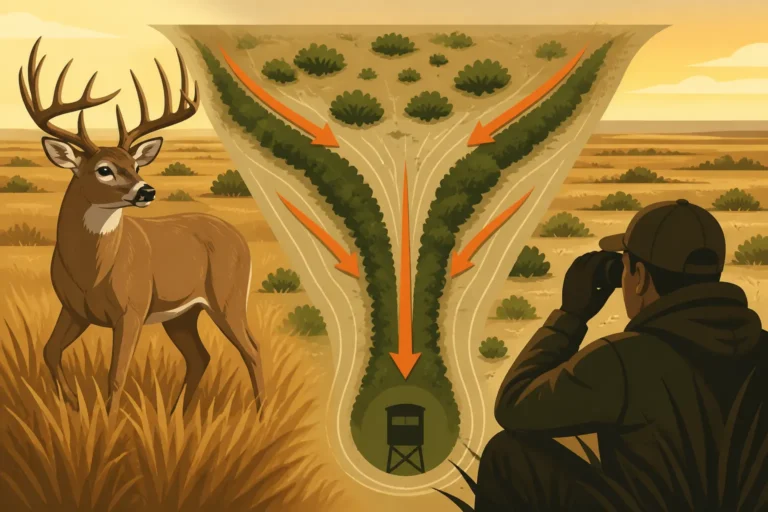
Selecting the perfect location for your ground blind is paramount, and it goes far beyond just being in a "deer area." You need to think about sight lines, wind, sun, and access. A poorly chosen spot will force you into uncomfortable positions or expose your movements. Consider what natural cover exists, what the deer's primary travel routes are, and how you can blend into that landscape.
For example, positioning your blind on the edge of a standing corn field, especially an inside corner where deer naturally cut through, can be incredibly effective. However, if that corner faces directly east, and you're hunting a morning sit, the rising sun will silhouette you, making every movement glaringly obvious. Think about the sun's path throughout the day. Similarly, placing a blind too far out in the open, even if it's on a known trail, might give you great visibility but also makes your access and any required brushing in much more challenging. Use tools like GoHunt to analyze topography, prevailing winds, and potential travel corridors, helping you pinpoint those key areas where deer feel comfortable moving and feeding. You want to choose a spot where a deer expects to see natural cover, making your blind just another part of the scenery. Think about the details of how deer use a location, such as where they might cross a creek or use a Fence Crossings Deer Use Every Day.
Brush It In Like It's Part of the Landscape
Simply popping up a blind and hoping for the best is a recipe for disaster. Deer, especially mature whitetails, are incredibly wary of anything new or out of place in their environment. The goal isn't just to hide you from the deer, but to hide the blind itself. This means brushing it in extensively. Don't just throw a few branches on it; make it disappear. Cut local vegetation – cedars, small branches, tall grasses – and weave it into the blind's loops or lean it against the exterior. The key is to match the surrounding flora perfectly.
This isn't a quick job. It can take hours to properly brush in a blind, and it’s a job best done weeks, if not months, before you plan to hunt it. This gives the local wildlife time to get accustomed to its presence and for any cut vegetation to dry and become less "fresh" looking. A well-brushed blind, especially in open areas, can be the difference between a deer walking right past you at 10 yards and them busting you at 100. Remember, deer are scanning their environment constantly, and any unnatural outline or color will instantly catch their eye. For specific tips on how to make your blind vanish into the environment, check out our guide on Ground Blind Brushing In.
Internal Layout for Comfort and Concealment
Once the exterior is taken care of, turn your attention inside. The internal setup of your blind is just as critical for minimizing movement. Think about what you need access to, how you'll sit, and how your gear will be organized to prevent fumbling and noise. First and foremost, clear out any debris or crunchy leaves from the floor that could make noise when you shift your feet. Consider bringing a small mat or rug to dampen sound.
Next, arrange your seating. A comfortable chair is vital. If you’re fidgeting because you’re uncomfortable, you’re moving. Ensure your chair allows you to maintain a good shooting posture without excessive strain, and that it swivels silently if you need to turn. Place your bow, rifle, or shotgun where it can be easily reached with minimal movement. Your rangefinder, grunt tube, and release aid should be within arm's reach but not cluttering your immediate space. Use hooks or small shelves if your blind has them. The less you have to reach, lean, or contort, the less movement you’ll make. Think of it as a cockpit where everything is ergonomically designed for quiet efficiency.
| Item | Placement Consideration | Rationale |
|---|---|---|
| Chair | Comfortable, quiet swivel, appropriate height for windows | Reduces fidgeting, allows silent scanning and shooting |
| Weapon | Resting on a bipod/rest or leaning within arm's reach | Quick, silent access for shot opportunity |
| Rangefinder | Lanyard around neck or in a silent pouch on vest, within reach | Fast distance acquisition, minimal fumbling |
| Calls (grunt) | Silent pouch, easy-to-grab location | Avoids rummaging when deer appear unexpectedly |
| Backpack/Bag | Behind chair or against wall, off the floor | Prevents rustling, keeps essentials accessible but out of the way |
| Water/Snacks | Silent containers, within easy reach | Hydration/sustenance without large movements |
| Foot Mat | On floor beneath feet | Dampens sound of shifting feet, adds comfort |
Strategies for Staying Still During the Hunt
Even with the perfect setup, the actual act of staying still for hours on end is where many hunters struggle. It's a mental game as much as a physical one, requiring discipline and a conscious effort to control every micro-movement.
Silent Entry and Exit Strategies
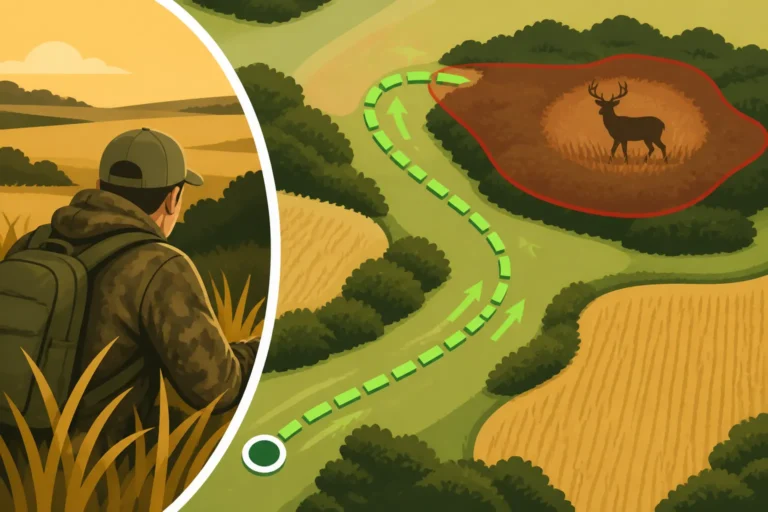
Your hunt doesn't begin when you sit down in the blind, nor does it end when you pull the trigger. The approach and departure are critical phases where many hunters inadvertently spook deer. Even if you're not moving in the blind, if deer know you're there because of your noisy entry or exit, you've already lost. Plan your access routes meticulously, using terrain features, thick cover, or drainage ditches to mask your presence. Tools like GoHunt or other mapping apps can help you identify these natural travel lanes that are less likely to hold bedding deer.
Always approach and leave with the wind in your face or crosswind, never directly downwind of your intended hunting area. Walk slowly, deliberately, and silently. Every footfall should be placed carefully to avoid snapping twigs or rustling leaves. If you're hunting an evening sit, consider how you'll get out without alerting deer that might be moving in low light. Sometimes, waiting an extra hour after dark is better than bumping every deer in the area on your way back to the truck. For more on this, read our guide on Access Routes That Do Not Bump Deer.
Managing Your Draw and Shot Cycle
This is perhaps the most critical moment for movement control, especially for bowhunters. The act of drawing a bow is inherently a large movement. The trick is to only make that movement when the deer's attention is diverted, or their line of sight is broken. Wait until the deer puts its head down to feed, walks behind a tree, or turns its head away from you. Even then, draw slowly, as if in slow motion. Any sudden, jerky movement will be perceived as a threat.
For firearm hunters, the movements are different but equally important. Slowly raising your rifle, clicking off the safety, and acquiring your target needs to be practiced to be seamless and silent. The metallic click of a safety can travel surprisingly far in a still woods. Practice these motions at home, repeatedly, until they are second nature and can be performed without thinking or making unnecessary noise. Your focus should be on smoothness and quietness, not speed. You want to be ready to take a Quartering-Away Shots on Whitetails or a broadside shot without giving yourself away.
Scanning and Movement Control
It's natural to want to constantly scan your surroundings for approaching deer. However, rapid head movements or constantly peeking out different windows can give you away. Instead, develop a slow, methodical scanning technique. Move your eyes first, then your head, ever so slowly. Think of it as painting with your eyes, letting them absorb the landscape before your head follows.
Utilize the mesh windows of your blind, which are designed to allow you to see out without being seen in. Avoid moving against the blind fabric itself, as this can create rustling noises. Your clothing choice here is critical – opt for soft, quiet fabrics. When using binoculars, bring them up to your eyes slowly and keep your elbows tucked in to minimize your profile. Resist the urge to constantly adjust your seating or check your phone. Every movement, no matter how small, is a potential give-away.
Essential Gear and Apparel for Blind Stillness
The right gear doesn't just make your hunt more comfortable; it actively helps you stay still and silent. Investing in certain items can significantly reduce the amount of involuntary movement you make and the noise you produce.
Clothing Choices for Quiet Movement
Your hunting apparel is one of the biggest culprits for unwanted noise and stiffness. Avoid stiff, noisy fabrics like many waterproof shells or heavy denim. Instead, opt for soft, fleece-lined, or wool-blend garments that allow for silent movement. Brands like Sitka, Kuiu, and even some budget-friendly options now offer specific lines designed for quiet stalking and sitting. Pay attention to how the fabric rubs against itself when you move your arms, sit down, or stand up.
Layering is also crucial for comfort, which directly impacts stillness. Being too cold will make you shiver and fidget. Being too hot will make you sweat and want to shed layers, creating movement and potential noise. Choose layers that can be quietly added or removed, anticipating temperature changes throughout your hunt. Think about silent zippers and closures. Even your gloves should be chosen for their quiet material and ability to allow fine motor skills without being bulky or noisy. Don't forget a soft, quiet face mask or balaclava to prevent the shine of your skin from giving you away, especially when looking out of windows.
Essential Blind Accessories
Beyond your weapon and primary optics, a few key accessories can make a huge difference in staying silent and still inside a blind.
- Comfortable, Swivel Chair: This is non-negotiable. A quiet, adjustable swivel chair allows you to turn to track deer or change your shooting angle with minimal upper body movement. Look for chairs with padded seats and backs to reduce discomfort over long sits.
- Gear Hanger/Shelf: A simple hook or small, quiet shelf attached to the blind's interior can keep your most-used items (grunt call, rangefinder, release) off the floor and within easy, silent reach.
- Floor Mat/Rug: A piece of old carpet, a rubber mat, or even a heavy blanket on the floor will dampen sound from shifting feet, dropped items, or accidental bumps. It also adds a layer of insulation from the cold ground.
- Water Bottle/Snack Container: Ensure these are silent. Metal water bottles clang. Crunchy snack wrappers are a nightmare. Opt for soft-sided water bottles or thermoses that won't make noise, and transfer snacks to quiet fabric pouches or small plastic containers that seal silently.
- Portable Heater (with caution): In colder Kansas weather, a small, silent propane heater like a Mr. Heater can keep you comfortable enough to remain still. Just be mindful of ventilation and carbon monoxide risks.
Blind Features That Aid Stillness
Not all blinds are created equal when it comes to silent operation and concealment. When choosing a blind, consider these features:
- Black Interior Coating: A blacked-out interior helps you disappear. It creates a dark void where your movements are far less visible from the outside, even if a deer looks directly into your window. Many blinds, like those from Primos or Barronett, feature this.
- Silent Window Adjustments: Velcro is the enemy of silence. Look for blinds with silent-slide windows, magnetic closures, or zippered systems that are designed to be operated quietly. Being able to adjust your shooting lanes without a loud rip of Velcro is invaluable.
- Ample Space: While a compact blind is easier to transport, a slightly larger blind can offer more room to shift, stretch, and adjust your gear without bumping walls or making noise. This extra space can reduce the need for larger, more noticeable movements.
- Durable, Non-Reflective Fabric: The blind's exterior fabric should be tough, quiet in the wind, and non-reflective. A sheen on the fabric can catch sunlight and make your blind stand out.
Cultivating Mental Discipline and Patience
Ultimately, the biggest factor in staying still in a blind is often mental. The desire to see, to move, to alleviate boredom, can be overwhelming. Learning to control these impulses is a skill that improves with practice.
Cultivating a Still Mindset
Hunting from a blind is a meditation in patience. Before you even get in the blind, commit to the idea of becoming part of the environment. Imagine yourself as a statue, only moving with extreme purpose and slowness. Take deep breaths, calm your mind, and try to blend into the stillness of nature around you. This conscious mental effort can translate into physical stillness.
Remind yourself that every single movement, no matter how small, has the potential to alert a deer. It's not just the big, obvious shifts; it's the slight shoulder turn, the head tilt, the hand movement to scratch your face. Train yourself to move in slow motion, anticipating any necessary action well in advance. This focus will keep you engaged and mindful, preventing those sudden, reactive movements that can blow your hunt.
Breaking Up the Monotony
Sitting absolutely still for hours can be incredibly boring, leading to restlessness and impulsive movements. To combat this, find quiet, non-disruptive ways to break up the monotony.
- Slow, Purposeful Scanning: Instead of frantic peeking, engage in slow, deliberate scanning of your surroundings. Pick a specific tree, then examine every branch, every leaf. Watch a squirrel or a bird intently. This keeps your mind active without requiring movement.
- Pre-Planned Micro-Movements: Schedule silent stretches or position changes. For instance, tell yourself you’ll stretch your legs very slowly every hour on the half-hour. These controlled, anticipated movements are less likely to spook deer than sudden, reactive ones.
- Mental Checklist: Run through a mental checklist of potential shot angles, wind direction changes, or deer travel patterns. Visualize the perfect shot. Think about different Kansas Whitetail Hunting Tactics Through the Rut. Use GoHunt to review your scouting notes or aerial imagery for the property, quietly on your phone with the screen dimmed. This keeps your mind engaged in the hunt.
Reacting to Deer in Close Quarters
When deer finally appear, especially up close, it's easy to get a sudden rush of adrenaline that leads to jerky movements. This is where your practiced stillness and mental discipline truly pay off.
The moment you see a deer, freeze. Do not make any immediate movement. Let the deer settle. Observe its body language. Is it relaxed? Is it looking in your direction? Wait for its attention to be diverted, for its head to go down, or for it to pass behind cover before you even consider moving. Then, execute any necessary movements – ranging, raising your weapon, drawing your bow – in slow motion, like a slow-motion film. Your preparation, both physical and mental, will dictate your success in these high-pressure moments. Remember that a mature buck often takes longer to commit, so patience is paramount. Even if you think you're ready, often waiting an extra minute for the perfect opportunity is worth it.
Disclaimer
Please note: This guide offers general advice on hunting from a blind without movement. Always consult the latest Kansas Department of Wildlife, Parks and Tourism (KDWP) regulations and local laws before hunting. Hunting is an inherently dangerous activity, and safety should always be your top priority. Ensure you have proper landowner permission if hunting private land.