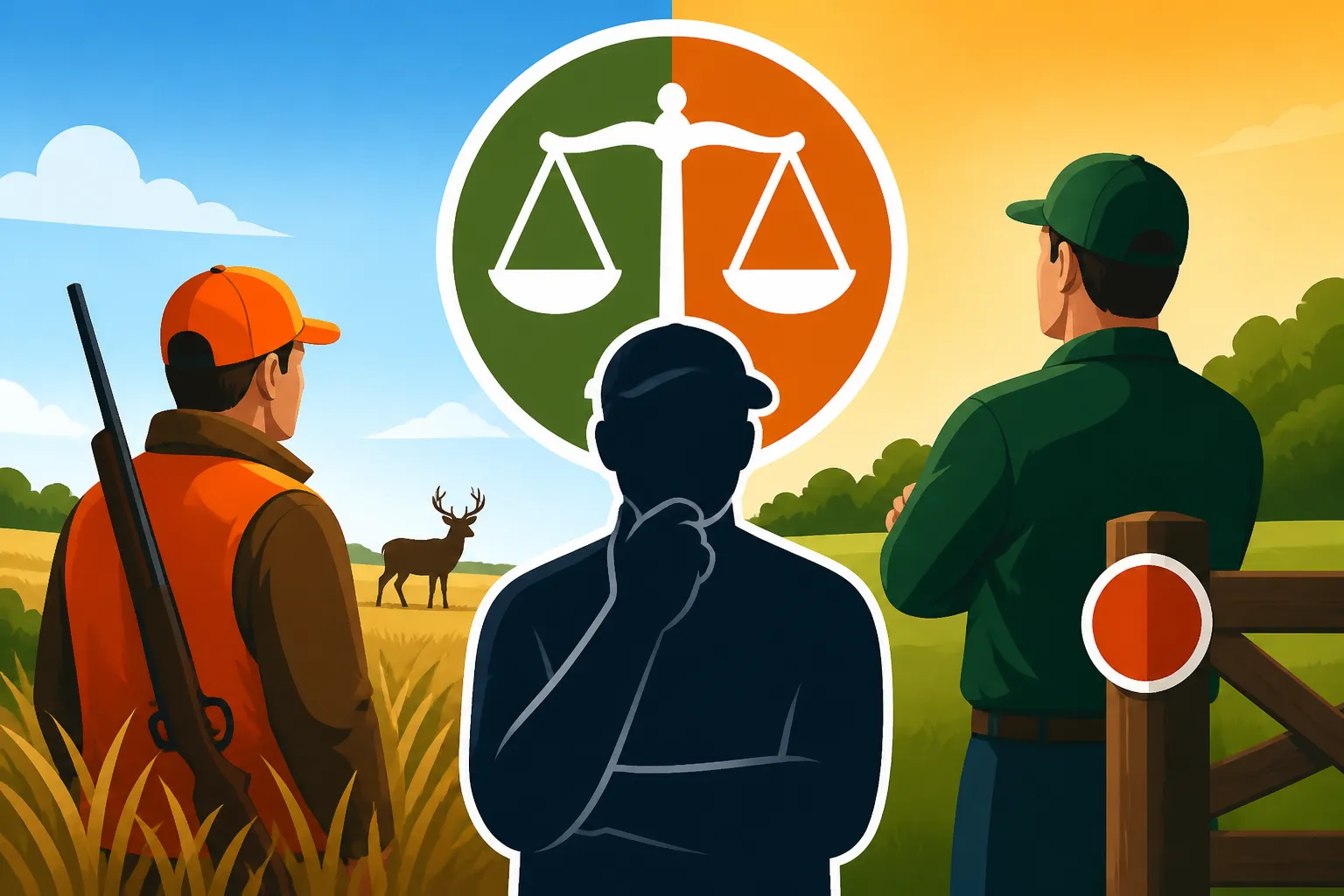
Who Is Responsible for a Trespass Violation
Navigating the patchwork of public and private land in Kansas can be a real headache for hunters, and nothing can sour a hunt faster, or lead to more serious consequences, than an accidental (or intentional) trespass violation. The confusion often lies not just in where the lines are, but who bears the brunt of the legal responsibility when those lines are crossed. This guide will help demystify the complex question of liability when a trespass occurs in the Kansas hunting fields, whether you're hunting solo, with friends, or through an outfitter.
Understanding Kansas Trespass Laws for Hunters
The concept of trespass in Kansas hunting is pretty straightforward on paper, but in the field, it can get murky quickly. Fundamentally, you need permission to be on private land. Without it, you're trespassing, and that's a serious matter. It's not just a minor infraction; it can lead to fines, loss of hunting privileges, and even jail time in some cases, not to mention civil lawsuits.
What Constitutes Trespass in Kansas?
In Kansas, trespass generally means entering or remaining on land or property without the express or implied consent of the owner or lawful occupant. For hunters, this isn't just about walking across a field; it extends to retrieving game, placing stands, or even just scouting without permission. Many hunters mistakenly believe that if land isn't posted with "No Hunting" or "No Trespassing" signs, it's fair game. That is absolutely not the case in Kansas. Private land is private unless you have explicit permission.
Furthermore, the law also covers "criminal trespass," which typically involves entering property where entry is prohibited by clear signs, fencing, or personal communication. It also applies if you refuse to leave after being told to do so. The key here is that you are responsible for knowing where you are and whose property it is. It's not the landowner's job to paint every fence post purple for you, although purple paint is a legally recognized way to mark boundaries in Kansas. Always err on the side of caution; if you don't know, don't go. Having a good mapping app like those you might explore through a service like GoHunt can be invaluable for identifying property lines before you ever step foot in the field. This due diligence can save you a world of trouble.
Permission: Express, Implied, and Written
Understanding the different types of permission is vital. Express permission is clear and direct, usually a verbal "yes, you can hunt here" or a signed agreement. Implied permission is trickier; it might be inferred from a long-standing practice or relationship, but it's always risky to rely on. For example, if you've hunted a farmer's land for 20 years without asking every season, but suddenly there's a new owner, your implied permission might no longer exist.
Written permission is always, always the gold standard. It protects both you and the landowner. A simple note with dates, names, and what you're allowed to do (e.g., hunt deer, retrieve game) can prevent misunderstandings. This is especially true if you're venturing onto new ground or if there's any ambiguity. Remember, if a game animal runs onto private land, you cannot automatically pursue it without permission. Retrieving Game From Private Land in Kansas is a topic many hunters find themselves grappling with, and the answer is consistently: secure permission first. Don't risk a violation for a deer.
The Hunter's Direct Responsibility
As a hunter, you are always, first and foremost, personally responsible for your actions in the field. This includes knowing where you are at all times and ensuring you have legal access to the land you're hunting on. It's a heavy burden, but one every ethical hunter embraces.
Ignorance Is Not a Defense
I can't tell you how many times I've heard hunters say, "I didn't know that was private," or "I thought this was public land." While it might sound like a reasonable excuse, legally, it rarely holds water. Law enforcement officers are often going to look at it as your responsibility to know. With modern technology, there's less and less room for error. GPS units, hunting apps, and even old-fashioned paper maps can clearly show property boundaries. Before you even head out, spend time with tools like the Kansas Hunting Atlas or mapping applications to E-Scouting Kansas Farm Country From Home. Zoom in, look at those lines, and identify potential points of confusion.
If you're unsure about a boundary, especially in areas with mixed public and private ownership or along river bottoms where property lines can be fluid, avoid it. It's far better to miss out on a potential shot than to face a trespass charge, legal fees, and the potential loss of your hunting license. This personal accountability is the cornerstone of responsible hunting.
When Hunting with Friends or Family
Even when you're hunting with a group, each individual hunter is typically responsible for their own actions. If your buddy tells you, "It's fine, we've got permission here," but they're mistaken or lying, you can still be held liable if you cross onto land where you don't have permission. It's a tough lesson, but trust, but verify. Always confirm permission for yourself, especially if you're the one pulling the trigger or setting up a stand. This also applies to situations where you might be helping a friend or family member, such as during Firearm Season Drives on Small Timber. Everyone participating needs to understand the boundaries and permissions involved.
Imagine a scenario: You and a couple of friends are driving a small timber block on what you think is your friend's property or leased ground. You push ahead, and unknown to you, your friend actually misread the boundary, and you step 20 yards onto a neighbor's property. If that neighbor catches you, the arresting officer isn't likely to just charge your friend; you, too, could be cited for trespass, regardless of your intention. Your presence there without permission is the key.
Outfitter and Guide Accountability
Many hunters, especially non-residents, choose to book guided or semi-guided hunts in Kansas. This often simplifies logistics and helps navigate unfamiliar territory. However, it doesn't automatically absolve you of all responsibility for trespass. The relationship between hunter and outfitter, and who is ultimately responsible for trespass, can be nuanced.
Shared Responsibility and Due Diligence
While an outfitter or guide is expected to provide legal access to hunting ground, the hunter still retains a degree of responsibility. The guide acts as your agent, essentially leading you to areas they claim you have permission to hunt. If a guide knowingly leads you onto private property without permission, they are absolutely liable, and you might also be cited, though potentially with a lesser degree of culpability if you were genuinely misled. However, if the outfitter had the permission, but you ignored their instructions and wandered off-lease, then the trespass is squarely on your shoulders.
It boils down to due diligence on both sides. As a hunter, when you're booking, always ask pointed questions about the specific properties being hunted. Inquire about how the outfitter secures access, whether it's owned land, leased land, or Kansas Landowner and Tenant Deer Permits tied to specific properties. Don't be shy to ask about the outfitter's insurance policies, as good outfitters will carry liability insurance to cover such incidents. Websites like BookYourHunt often provide tools to research reputable outfitters, including reviews and services offered, which can help you vet potential guides.
When the Outfitter is Primarily at Fault
There are clear instances where the outfitter or guide holds the primary responsibility. If a guide, through negligence or outright malicious intent, puts a hunter on land without permission, they are directly liable for the trespass. This could include:
- Misrepresentation of Leased Ground: An outfitter claiming to have a lease on a property when they do not.
- Boundary Errors: A guide failing to properly identify and communicate the boundaries of leased or owned land, leading hunters onto adjacent private property.
- Intentional Trespass: A guide knowingly instructs a hunter to cross property lines to pursue game or access a better stand.
In such cases, the outfitter would likely face criminal charges for trespass, and potentially civil lawsuits from the landowner. The hunter, having followed explicit instructions, might still face a citation, but could potentially argue they were an unwitting participant. This is where a clear understanding of your Kansas Outfitter Contracts and Deposits in Kansas comes into play; it should outline responsibilities and what happens in such unfortunate situations.
Hunter's Recourse Against an Outfitter
If you find yourself in a trespass situation because of a guide's negligence, you may have legal recourse against the outfitter. This could involve seeking damages for any fines, legal fees, or loss of hunting opportunity you incurred. However, prevention is always the best medicine. Before you ever book a hunt, do your homework. Check references, ask for details about the land they hunt, and clarify policies around trespass. Checking a Kansas Outfitter's Reputation is not just about hunting success rates, but also their ethical practices and adherence to legal requirements.
| Scenario | Primary Responsible Party | Secondary Responsible Party (Potentially) | Key Action for Hunter to Take |
|---|---|---|---|
| DIY Hunt, Cross Boundary | Hunter | N/A | Use mapping apps, confirm boundaries, get written permission. |
| Guided Hunt, Hunter Ignores Guide's Boundary | Hunter | N/A | Stick to instructions, verify boundaries if unsure. |
| Guided Hunt, Guide Misleads Hunter Onto Private Land | Guide/Outfitter | Hunter | Ask questions, verify outfitter reputation, understand contract. |
| Retrieving Game on Adjacent Private Land | Hunter (if no permission) | N/A | Always obtain landowner permission before entry. |
| Scouting Without Permission | Hunter | N/A | Confirm land status, get permission for all non-public land. |
Landowner's Role and Preventative Measures
While the onus is largely on the hunter to know where they are, landowners also have certain responsibilities and actions they can take to prevent trespass. Good communication and clear markings are beneficial for everyone involved.
Marking Boundaries
Kansas law recognizes "No Trespassing" signs and purple paint on fence posts or trees as legal methods for landowners to post their property. While a landowner isn't required to post their land to prosecute a trespasser, doing so makes the intent incredibly clear and eliminates any plausible claim of "I didn't know." Kansas Trespass Law and Posted Land details these requirements, and it's a good idea for hunters to be familiar with them. If you see purple paint or signs, consider that an absolute "do not enter."
Some landowners are incredibly gracious and allow access, while others prefer complete privacy. Respecting those wishes, whether communicated through signs, fences, or direct conversation, is paramount. Building good relationships with landowners in Kansas is often the best way to secure quality hunting opportunities.
Tips to Avoid Trespass Violations
Avoiding a trespass violation isn't just about following the law; it's about being an ethical and respectful hunter. Here are some actionable steps you can take:
- Always Get Permission, in Writing if Possible: Don't assume. A quick conversation can prevent a major headache. If hunting with an outfitter, ask to see their lease agreements or confirmation of land ownership.
- Utilize Mapping Technology: Use GPS-enabled apps like those often recommended by services such as GoHunt, or printed plat maps, to clearly identify property lines. Mark your intended hunting areas and adjacent boundaries. This is especially critical when Reading a Kansas Creek Bottom for Deer Sign or navigating winding river systems where property lines can be confusing.
- Scout Thoroughly: Before your hunt, whether in person or via e-scouting, familiarize yourself with the terrain and property boundaries. Look for fences, treelines, changes in vegetation, or other indicators of property lines.
- Communicate with Hunting Partners: Ensure everyone in your hunting party understands the boundaries and has permission. Don't rely solely on one person's knowledge.
- When in Doubt, Back Out: If you are ever unsure about whether you're on legal hunting ground, or if a boundary looks ambiguous, simply retreat. Find another spot. No game animal is worth a criminal record or damaging the reputation of hunters.
- Leave No Trace: Even when you have permission, be a good guest. Don't litter, damage property, or leave gates open. Show respect, and you're far more likely to retain future access. Leaving No Trace on Walk-In Ground is a crucial part of being a responsible outdoorsperson.
By understanding the laws, taking personal responsibility, and doing your due diligence, you can ensure your Kansas hunting adventures are always legal and enjoyable.
Disclaimer
This article is for general informational purposes only and does not constitute professional advice. Laws, prices and regulations vary by location and change over time. Consult a qualified professional for guidance on your specific situation.