Getting Venison Home From Kansas
You’ve just dropped a magnificent Kansas whitetail, the adrenaline is still pumping, and you're already dreaming of venison chili or backstraps on the grill. But then the practical reality hits: how on earth do you get all this delicious game meat safely back home, especially if home is hundreds or even thousands of miles away? It’s a common frustration that can turn the triumph of a successful hunt into a logistical nightmare if you haven’t planned ahead. This guide will walk you through the essential steps and considerations for safely and legally transporting your hard-earned venison from Kansas back to your freezer, ensuring your hunt ends with a culinary celebration, not a spoil.
Understanding the Challenges of Venison Transport
Bringing home your deer isn't as simple as tossing it in the back of the truck anymore. There are several critical factors that can complicate the process, and understanding these upfront is key to a smooth journey.
The Perishable Nature of Game Meat
Venison, like any fresh meat, is highly perishable. Bacteria begins to grow almost immediately after the animal is harvested, and warm temperatures accelerate this process dramatically. Kansas weather, particularly during the early archery season or even a warm spell in December, can be surprisingly mild, making proper cooling a race against the clock. Imagine the heartbreak of finally getting home only to discover your prized venison has spoiled due to improper handling. It’s a gut-wrenching experience that many hunters have faced, and it’s entirely avoidable with the right preparation. You've put in the effort to Field Dressing in Warm Kansas Weather, now you need to protect that investment.
For instance, if you harvest a deer on a 60-degree afternoon in October, that carcass needs to be cooled down as quickly as possible. Simply gutting it and throwing it in the truck bed for an eight-hour drive home isn't going to cut it. The internal temperature will remain high, creating a perfect breeding ground for spoilage bacteria. Even colder weather isn't a guaranteed solution; meat can still sour if not properly ventilated or if packed too tightly, trapping heat. The goal is to get that core temperature below 40 degrees Fahrenheit (4 degrees Celsius) as soon as possible, and keep it there.
State-Specific Regulations and CWD Concerns
Navigating the various state regulations for transporting game meat, especially across state lines, can feel like trying to hit a moving target. Rules are in place to prevent the spread of diseases like Chronic Wasting Disease (CWD), which is a serious concern for deer populations. Kansas, like many states, has specific regulations regarding which parts of a deer carcass can be transported out of certain areas, particularly CWD management zones. Ignoring these rules, even unintentionally, can lead to hefty fines, confiscation of your meat, or worse.
It's absolutely vital to be aware of the CWD Rules for Taking a Kansas Deer Home before you even set foot in the field. Some states might allow deboned meat and clean skull plates, but restrict the transport of brains, spinal cord, or lymph nodes. Your home state might also have restrictions on what you can bring in. This isn't just about Kansas; it's about every state you pass through and your final destination. Checking these regulations is as important as checking the weather forecast for your hunt. Don't assume that what was legal last year or in another state is still applicable for your current hunt.
Logistical Hurdles: Distance and Climate
The sheer distance between your Kansas hunting grounds and your home can be one of the biggest logistical hurdles. A two-hour drive is vastly different from a two-day cross-country trek. The longer the journey, the more critical proper insulation and cooling become. Add in unpredictable weather—scorching plains heat in September or unexpected warm fronts in December—and your transport plan needs to be robust.
Consider a hunter driving from western Kansas all the way to a state on the East Coast. That's a journey that will span multiple days and likely several climate zones. Relying solely on a few bags of ice in a standard cooler for that duration is a recipe for disaster. The ice will melt, the water will swamp your meat, and the temperature will inevitably rise. This is where advanced planning, potentially including professional services or specific cooler strategies, becomes non-negotiable. Knowing the approximate temperature for your journey, not just for the hunt, is a crucial piece of the puzzle.
Practical Solutions for Fresh Venison Transport
Once you've got your deer on the ground, the clock starts ticking. Proper immediate care and smart packing are paramount to getting your venison back to your kitchen in prime condition.
Field Dressing and Initial Cooling Best Practices
The journey home for your venison truly begins the moment you recover the animal. Proper field dressing is the first, most crucial step in preventing spoilage. Get those entrails out quickly and cleanly. This not only removes a significant source of heat and bacteria but also allows the body cavity to begin cooling. If you’re in warmer conditions, consider splitting the brisket and propping the cavity open to maximize airflow. Many experienced hunters will rinse the cavity with water (if available) and then wipe it dry with paper towels or a clean cloth to remove any lingering debris or blood.
Once field dressed, the next priority is to rapidly cool the carcass. If you're on a multi-day hunt or far from a processor, getting that deer out of direct sunlight and into a shaded, cool spot is essential. For many, a simple solution is to quarter the deer in the field, placing the quarters in breathable game bags. These bags protect the meat from flies and dirt while still allowing air circulation, which is vital. Some hunters even carry large tarps or heavy-duty contractor bags to create makeshift shade structures. Remember that internal link for Getting a Deer Cooled in September? That advice is golden here, emphasizing the immediate need to dissipate heat from the core of the animal. Don't underestimate how quickly a large animal can retain heat, even on a cool day.
The Cooler Method: Packing for the Road Trip
For many DIY hunters, the cooler method is the go-to for transporting venison. However, there's a right way and a wrong way to do it. Simply layering meat and ice indiscriminately can lead to soggy, water-logged venison that loses flavor and can even pick up off-tastes. The key is to keep the meat cold and dry. Start with plenty of quality coolers; those heavy-duty, roto-molded coolers that hold ice for days are worth their weight in gold here.
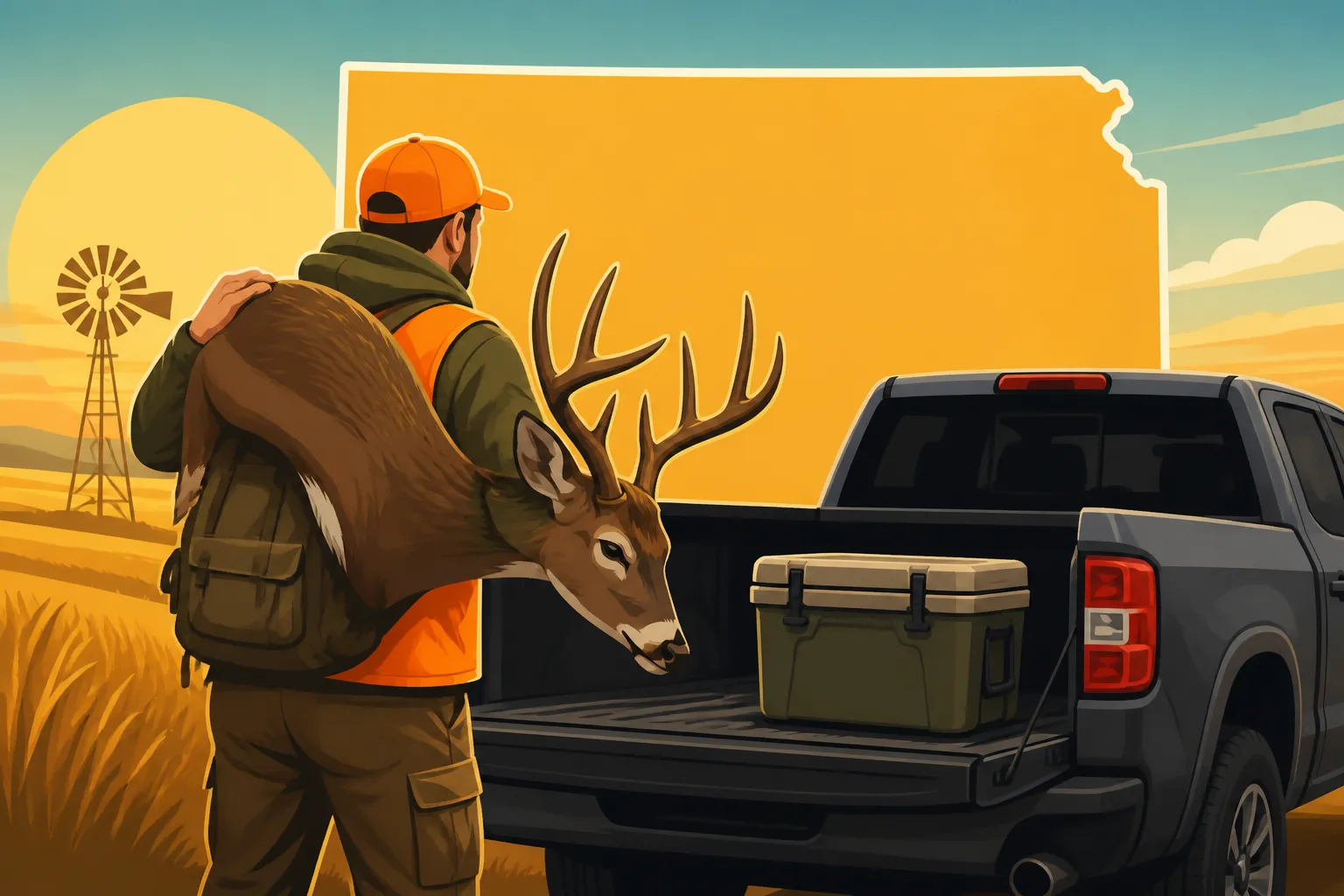
Once your deer is quartered and in game bags, consider deboning the meat even further. This reduces bulk and ensures only the edible portions are transported, saving space and weight. Layer the bottom of your coolers with a generous amount of ice. Then, place your bagged, deboned meat on top of the ice. A smart trick is to place a false bottom, like a grate or a few clean, small logs, above the ice but below the meat to keep it out of the meltwater. You can also use frozen milk jugs or two-liter bottles as ice packs; they keep the meat cold without creating a watery mess as they thaw. Top with more ice and seal those coolers tight. Don't forget to drain any meltwater periodically and replenish ice as needed, especially on a long drive.
Utilizing Local Processing Facilities
One of the best ways to ensure your venison arrives home in top condition, especially for out-of-state hunters, is to use a local meat processor in Kansas. These facilities are experts at handling game, know all the local regulations, and can debone, cut, wrap, and even freeze your meat professionally. This takes a huge burden off your shoulders and significantly reduces the risk of spoilage or regulatory issues.
Before your hunt, research locker plants in the area you plan to hunt. A quick search on resources like GoHunt, or simply asking local landowners or outfitters, can point you to reputable processors. Call ahead to inquire about their game processing services, pricing, and turnaround times. Many processors get incredibly busy during the peak firearm season, so a heads-up call can make all the difference. Some will even vacuum seal and deep freeze your meat, preparing it perfectly for a long journey. If you're hunting with an outfitter, many on platforms like BookYourHunt will have established relationships with local processors and can coordinate drop-off and pickup for you, making the whole process seamless. Check out Locker Plants During Firearm Season for more specific insights into this option.
Strategies for Shipping Frozen Venison
If driving a cooler full of meat across multiple states isn't feasible, or if your hunt results in more venison than your vehicle can handle, shipping becomes a viable, albeit more costly, option.
Professional Meat Shipping Services
For maximum peace of mind, professional meat shipping services are invaluable. These companies specialize in shipping perishable goods, often using dry ice, insulated containers, and expedited shipping methods to ensure your frozen venison arrives safely. While it's an investment, it's often worth it to protect your valuable harvest.
You'll need to work with a local processor to have your venison professionally packaged and frozen solid. They can typically prepare it in specific packaging that meets shipping requirements. From there, you can either coordinate directly with a shipping company or, often, the processor themselves will offer shipping services or partner with a courier. They understand how to pack with dry ice, how to label correctly, and how to navigate the logistics of getting a frozen package from point A to point B without it thawing. It’s a hands-off approach that guarantees your meat stays frozen from Kansas to your home freezer, no matter the distance.
Air Cargo Options for Expedited Transport
For the fastest delivery, air cargo is another option, although it requires careful coordination. This isn't your typical FedEx or UPS ground service; rather, it often involves shipping through dedicated air freight services or even directly with an airline's cargo division. This is particularly useful for very long distances or when time is of the essence.
To use air cargo, your venison absolutely must be frozen solid and packed in approved containers, often made of styrofoam or insulated cardboard, with dry ice. Many airlines have strict regulations about the amount and type of dry ice allowed. You’ll need to check with the specific airline regarding their policies, packaging requirements, and drop-off/pickup procedures. Often, you'll pick up the meat at the destination airport's cargo facility. This method is typically the most expensive but offers unparalleled speed. It's a niche solution, but for the hunter who needs their meat home yesterday, it can be a lifesaver.
DIY Frozen Shipping Considerations
While professional shipping is recommended, some intrepid hunters might consider a DIY approach for shorter distances or with specific circumstances. This usually involves packing solidly frozen, vacuum-sealed meat into a high-quality cooler with ample dry ice, then using an expedited ground shipping service.
The critical factor here is ensuring the meat is frozen solid to start and stays that way. Pack the cooler with as much dry ice as possible, keeping it separate from direct contact with the meat (a layer of cardboard works well) to prevent freezer burn. Tape all seams of the cooler with heavy-duty shipping tape, but do not make it airtight; dry ice sublimates and needs to vent. Label the package clearly with "Contains Dry Ice" and "Frozen Food." Researching the specific courier's requirements for shipping with dry ice is non-negotiable, as not all services allow it, and those that do have strict guidelines. This method carries more risk than professional services, as any delay in transit or inadequate packing can lead to thawing and spoilage.
Here's a quick comparison of the main transport methods:
| Method | Pros | Cons | Ideal For |
|---|---|---|---|
| Cooler (Fresh/Iced) | Cost-effective, simple, direct control | Perishable, limited duration, can be messy | Shorter drives, cooler weather, immediate consumption |
| Local Processor | Professional handling, legally compliant, frozen | Requires pickup/return trip, additional cost | Any hunter, especially out-of-state or large harvest |
| Professional Shipper | Maximized safety, convenience, long distance | Higher cost, requires coordination | Long distances, high value meat, busy hunters |
| Air Cargo | Fastest, ideal for extreme distances | Highest cost, complex logistics, strict regulations | Urgent, very long distance, high value cuts |
| DIY Frozen Shipping | More control than professional, potentially cheaper | High risk of spoilage, courier restrictions, labor-intensive | Moderate distances, very short transit, experienced packers |
Planning Ahead for a Seamless Journey Home
The most successful hunts don't just happen in the field; they start with meticulous planning long before you leave home. This certainly applies to getting your venison back safely.
Researching Regulations Before Your Hunt
This cannot be stressed enough: do your homework on regulations well in advance. Before you even apply for your Kansas deer permit, take the time to look up the Kansas Deer Permit Transfer Rules and, more importantly, the regulations for transporting game meat in Kansas and your home state. Are there any CWD zones in Kansas you might be hunting that have specific carcass restrictions? Does your home state have rules about bringing in deer from out-of-state, particularly from CWD-affected areas? Some states require deboned meat only, or skull plates to be completely free of brain matter.
The Kansas Department of Wildlife, Parks and Tourism (KDWP) website is your first and best resource. They typically have detailed regulations for Carcass Transport Across State Lines. Cross-reference this with your own state's fish and game agency website. If you’re unsure, a quick phone call to both agencies can save you a world of trouble. This proactive step helps you avoid any nasty surprises at a game check station or after you've already started your drive home.
Budgeting for Transport Costs
Transporting venison, especially if you opt for professional services or extensive cooler setups, comes with a price tag. Factor these costs into your overall hunting budget. A local processor will charge for their services, which typically include cutting, wrapping, and freezing. Shipping costs, particularly for frozen meat, can be significant, sometimes rivaling the cost of a plane ticket!
Think about the cost of quality coolers, ice, dry ice, and specialized game bags. If you're considering a guided hunt, ask potential outfitters, perhaps found on platforms like BookYourHunt, if they offer any services related to venison processing or transport, and whether those costs are included in the hunt package or are an additional fee. Knowing these figures upfront will prevent any sticker shock later and allow you to make informed decisions about the best transport method for your budget and specific hunt.
Communicating with Outfitters and Processors
Open communication is your best friend when it comes to getting your venison home. If you're hunting with an outfitter, discuss your plans for meat processing and transport with them before you even book the hunt. Many outfitters are seasoned veterans and can provide invaluable local advice, recommend trusted processors, or even facilitate the drop-off of your deer. They can tell you the best options for Processing Your Own Deer at Home if you plan to do it, or where the nearest locker plants are.
If you plan to use a local processor, call them ahead of time. Confirm their hours, processing capacity, and any specific requirements they might have. Do they accept whole carcasses, or do they prefer quartered animals? What are their turnaround times, and can they hold your meat frozen for a few extra days if needed? Do they offer vacuum sealing or specific packaging for travel? These conversations can prevent misunderstandings and ensure a smooth, efficient process once you've harvested your animal. A little planning and a few phone calls can make all the difference between a frustrating logistical challenge and a stress-free journey home for your hard-earned venison.
Disclaimer
This article is for general informational purposes only and does not constitute professional advice. Laws, prices and regulations vary by location and change over time. Consult a qualified professional for guidance on your specific situation.