Kansas Rut Hunt Price in November
For many deer hunters, the dream of chasing a giant whitetail through the peak of the rut is a powerful one, and Kansas stands out as a prime destination. However, the prospect of booking a guided hunt, especially during that coveted November window, often brings with it a whole host of questions about cost and what exactly you're getting for your investment. It can feel like navigating a maze of hidden fees and unclear expectations. This guide aims to pull back the curtain on the financial aspects of a Kansas rut hunt, helping you understand the factors that shape the price and how to approach booking your dream hunt.
Understanding the Value Proposition of a Kansas Rut Hunt
A guided rut hunt in Kansas isn't just a trip; for many, it's an experience built around peak whitetail activity and the potential for a once-in-a-lifetime buck. The pricing reflects this unique combination of timing, location, and specialized services.
Why November is Peak Season for Whitetails in Kansas
There's a reason why hunting the whitetail rut in November feels like chasing a gold rush – because, in many ways, it is. The annual whitetail rut is the biological imperative that drives bucks to abandon their cautious, nocturnal patterns and actively seek does, often during daylight hours. In Kansas, this period, particularly the first two or three weeks of November, is when deer activity surges dramatically. Bucks are scent-checking every corner, cruising timber edges, and responding aggressively to calls, making them more visible and vulnerable. This intense, predictable window offers the highest probability for hunters to encounter mature bucks on their feet.
The sheer excitement and increased odds during this timeframe create a massive demand for hunting opportunities. Outfitters know that hunters are willing to pay a premium for a shot at a Kansas giant when the woods are alive with chasing and fighting. It’s a time when many of us feel that intense pull to be in the stand, experiencing the raw spectacle of nature unfolding. This peak demand, combined with the biological reality of buck movement, is the fundamental driver behind the higher costs associated with November rut hunts. You’re not just paying for access; you’re paying for access during the most thrilling and target-rich period of the deer season. For more detail, read about When the Kansas Rut Peaks.
What a Guided Hunt Typically Offers
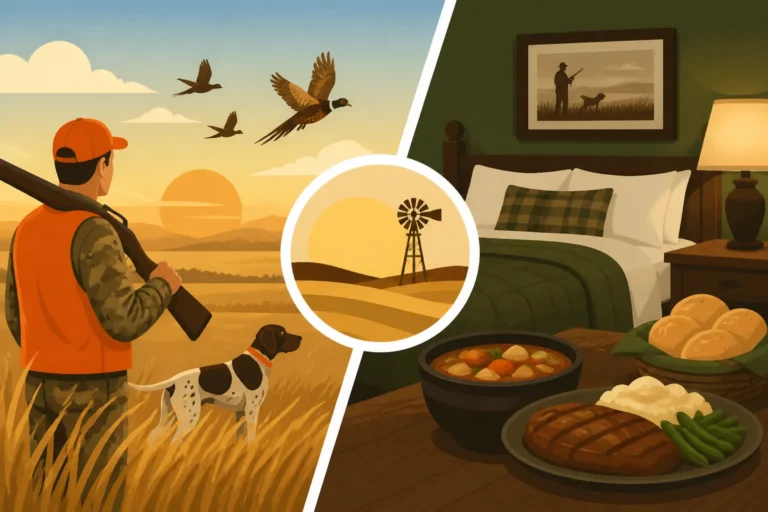
When you book a guided Kansas rut hunt, you’re usually investing in a comprehensive package designed to maximize your chances of success and provide a comfortable experience. This isn't just a guide pointing you to a property line; it’s a full-service operation. At its core, a guided hunt typically includes access to prime, managed private land that outfitters often lease or own, giving you exclusive entry to areas with known deer populations and habitat. The outfitter often spends countless hours scouting these properties, setting up various stand locations, and monitoring deer movement well before hunters arrive.
Beyond access, the package usually covers essential services like lodging, which can range from rustic bunkhouses to comfortable lodges with all the amenities. Meals are frequently included, often hearty, home-cooked fare designed to fuel your early mornings and late evenings. The "guided" aspect means you'll have experienced professionals who know the local deer patterns, can advise on wind direction, and help with stand placement and entry/exit strategies. They'll also assist with game recovery and field dressing, which is invaluable when you've got a big buck down a mile from the truck. Transportation to and from hunting areas on the property is common, saving you wear and tear on your own vehicle. This blend of amenities and expert assistance is what defines a quality guided hunt experience.
Factors Influencing the Cost of a Guided November Rut Hunt
Understanding the cost of a guided rut hunt requires looking at several key variables. No two outfitters are exactly alike, and their pricing structures reflect the unique services, properties, and experiences they offer.
Guide-to-Hunter Ratios and Group Size
One of the most significant factors influencing the price of a guided hunt is the guide-to-hunter ratio. A more personalized experience, where one guide is responsible for only one or two hunters, inevitably comes at a higher cost. This allows for more dedicated attention, custom stand placements based on real-time scouting, and a guide who can adapt strategies quickly to individual hunting styles and changing deer patterns. It means more one-on-one consultation, more time spent on your specific needs, and often, more aggressive hunting tactics tailored to your situation. This level of personalized service can make a real difference in success, especially during the fast-paced rut.
On the other hand, hunts with higher guide-to-hunter ratios, such as one guide for three or four hunters, tend to be more budget-friendly. While still benefiting from expert knowledge and access, hunters in larger groups might find less individual attention. Stands might be predetermined, and the guide's time is spread across more clients. This isn't necessarily a drawback, as many hunters enjoy the camaraderie of a larger group and are perfectly capable of hunting effectively once dropped off. It simply means a different level of service and a different price point. When researching, always ask about the specific guide-to-hunter ratio to set your expectations correctly and compare apples to apples.
Quality of Land and Habitat Management
The old adage "you get what you pay for" often rings true when it comes to hunting land. The quality and management of an outfitter's ground play a huge role in their pricing. Outfitters who command higher prices often lease or own vast tracts of prime private land, frequently spanning thousands of acres, that have been meticulously managed for trophy whitetails for years, sometimes decades. This management might include extensive food plot programs, strategic hinge-cutting or timber stand improvement, strict harvest quotas, and minimal hunting pressure to ensure deer mature. These areas are often located in proven "big buck" units known for producing high-scoring animals.
Maintaining and improving such properties is a substantial financial undertaking. Lease payments, property taxes, heavy equipment for habitat work, planting costs, and year-round labor all contribute to the overhead. When you book a hunt on these types of properties, you're not just paying for a week of hunting; you're indirectly investing in the long-term health and quality of that deer herd and its habitat. Outfitters who continuously produce exceptional bucks often do so because they've invested heavily in their land. This commitment to superior land management and the consistent potential for trophy animals is a significant factor in the higher price point of many premium Kansas rut hunts.
Inclusions and Exclusions in Hunt Packages
When evaluating the cost of a Kansas rut hunt, it's crucial to scrutinize what is explicitly included and excluded from the package price. This can vary widely between outfitters and significantly impact your overall expenses. What might seem like a cheaper base price could quickly add up once you factor in items not covered.
Here’s a general breakdown of common inclusions and exclusions:
| Feature | Often Included (Standard/Premium) | Often Excluded (Requires separate purchase/cost) |
|---|---|---|
| Hunting Access | Private land leases, pre-hung stands, scouting information | Public land access (rare for guided), additional acreage |
| Lodging | Comfortable lodge, bunkhouse, sometimes private rooms | Luxury suites, off-site hotel stays |
| Meals | Breakfast, lunch (packed or in field), dinner | Alcoholic beverages, snacks beyond provided, special dietary needs |
| Guiding Service | Transportation to/from stands, game recovery, field dressing | One-on-one guiding (unless specified), personal gear transport |
| Game Processing | Initial field dressing, caping for taxidermy, basic cooling | Full butchering, freezer storage, shipping meat |
| Licenses & Permits | N/A (Hunter's responsibility) | All state hunting licenses, deer permits, preference points |
| Travel | N/A (Hunter's responsibility) | Airfare, vehicle rental, fuel to/from Kansas |
| Taxidermy | N/A (Hunter's responsibility) | Mounting services, shipping of trophy |
| Tipping | N/A (Hunter's responsibility) | Guide tips, cook tips, lodge staff tips |
| Trophy Fees | N/A (May apply for bucks over certain score) | Penalties for shooting undersized bucks (check contract!) |
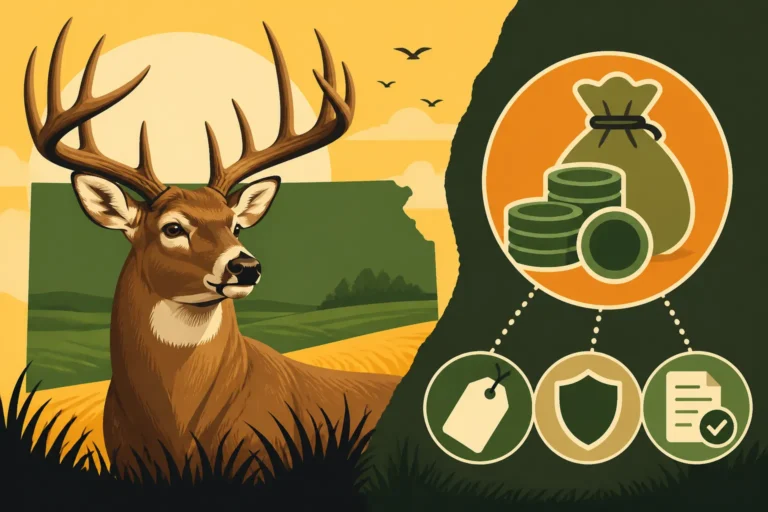
You'll need to account for your Kansas hunting license and deer permit separately. Nonresident deer permits, especially for the coveted whitetail archery or firearm seasons, are obtained through a draw system, and you'll need to apply well in advance. Resources like GoHunt offer detailed insights into draw odds and application strategies, which can be invaluable when planning your trip. Similarly, BookYourHunt often allows you to filter searches by what's included in various packages, helping you quickly identify suitable options. Always confirm every detail in writing before booking, especially regarding potential trophy fees or penalties for shooting a buck below a certain size. These fees can sometimes add a significant amount to your overall cost if not anticipated. For more on what's typically covered, see What a Kansas Guided Deer Hunt Costs.
Navigating Price Ranges and Finding Value
The sticker shock of a guided rut hunt in Kansas is a real thing, but understanding the spectrum of options available can help you find a hunt that aligns with both your expectations and your budget. It's not always about finding the cheapest option, but rather the best value for your hard-earned money.
General Cost Spectrum for Peak Rut Hunts
When you look at guided Kansas rut hunts in November, you'll find a pretty wide range, and it's rarely a "one size fits all" situation. On the more accessible end of the spectrum, you might encounter hunts that are primarily "semi-guided" or "self-guided lease" arrangements. These generally offer access to hunting ground and perhaps pre-hung stands, but with minimal direct guide interaction beyond initial orientation. Lodging might be basic, or you might be responsible for your own accommodations and meals. These hunts can represent a good value for experienced hunters who are confident in their own abilities but want access to quality private land.
Stepping up, the mid-range guided hunts are perhaps the most common. These typically include comfortable lodging, home-cooked meals, and a reasonable guide-to-hunter ratio. Guides will assist with scouting, stand placement, and game recovery, providing a solid, hands-on experience without venturing into the ultra-luxury tier. At the premium end, you're looking at a truly all-inclusive, highly personalized experience. This might mean one-on-one guiding, exclusive access to thousands of acres of intensely managed ground, gourmet meals, private lodging, and perhaps even in-field photography or videography. The amenities and attention to detail are top-notch, often guaranteeing access to properties known for producing truly giant bucks consistently. The price increases with the level of service, exclusivity, and the historical track record of trophy animals.
Tips for Researching and Booking Your Hunt
Booking a guided hunt, especially a high-demand rut hunt, requires diligence. Don't just pick the first outfitter you see with a good photo on social media. Start your research early – often a year or more in advance, especially for prime November dates. Platforms like BookYourHunt are excellent starting points, as they aggregate listings from many outfitters, allowing you to compare features, prices, and availability in one place. You can read reviews from past clients, which provides invaluable third-party insight into what the experience is really like.
Once you’ve narrowed down a few options, dive deep. Ask a ton of questions: What's the guide-to-hunter ratio? How many acres does the outfitter control, and how many hunters will be on that ground during your hunt? What is their success rate, and how do they define "success" (opportunity vs. kill)? Request references – and actually call them! Speak to past clients and ask about their overall experience, the quality of the guides, the food, lodging, and whether they would return. Pay attention to how the outfitter communicates with you; clear, prompt, and honest answers are a good sign. It's also smart to consult resources like GoHunt for draw odds and unit information if you're a nonresident, as understanding your chances of drawing a tag is paramount. Booking your hunt early, ideally a year in advance, is often essential to secure prime dates, especially for the Kansas Rut Hunt Price in November.
Understanding the Deposit and Payment Structure
When you finally decide on an outfitter for your Kansas rut hunt, you’ll typically be asked for a deposit to secure your booking. This initial payment is crucial and usually non-refundable, representing the outfitter's commitment to holding your spot and their upfront costs in preparing for your hunt. The percentage required can vary, but it's common to see deposits ranging from 25% to 50% of the total hunt cost. Make sure you understand the exact amount and the conditions under which it might (or might not) be returned.
The remaining balance is usually due at a later date, often 30, 60, or 90 days before the hunt begins. Some outfitters may even require final payment upon arrival. Always clarify these payment deadlines and methods in your initial discussions and ensure they are clearly spelled out in your written contract. Be aware of any cancellation policies; while deposits are typically non-refundable, some outfitters might offer options to roll your deposit over to a future year if unforeseen circumstances arise, especially if you give them ample notice. Discussing these contingencies upfront is critical for both parties. This is also where you might encounter specific details about What a Kansas Hunt Contract Should Say, so read it carefully.
Beyond the Price Tag: Maximizing Your Investment
Paying for a guided hunt is a significant investment for most hunters, and you want to ensure you get the absolute most out of it. While the cost is a major consideration, there are other crucial aspects that contribute to a successful and satisfying experience beyond the dollar amount.
The Importance of Communication with Your Outfitter
Before, during, and even after your hunt, clear and open communication with your outfitter is paramount. Think of it as a partnership; you both want a successful outcome. Before you arrive, be very clear about your expectations, your physical capabilities, and your hunting style. Are you a mobile hunter who prefers a saddle, or do you prefer to sit in a comfortable box blind? Do you have any specific dietary needs or physical limitations? The more information you provide, the better the outfitter can tailor the experience to you. Don't be shy about asking questions about their deer management philosophy, typical shot distances, or Kansas Whitetail Hunting Tactics Through the Rut they employ.
Once you’re in camp, continue that dialogue. Provide feedback on stand locations, deer activity you're seeing, and anything that might be affecting your hunt. If you have concerns, address them respectfully and promptly. A good outfitter wants to know if something isn't meeting expectations so they can try to fix it. Similarly, listen intently to your guide's advice; they spend hundreds of days in these woods and know the deer better than anyone. This mutual respect and clear exchange of information will prevent misunderstandings and contribute immensely to a positive experience, regardless of whether you punch your tag.
Preparation on Your End
While an outfitter provides the land, expertise, and logistical support, your own preparation significantly impacts the value you extract from your investment. This isn't a passive vacation; it's an active pursuit. Physical fitness is key, especially if you're hunting in rugged creek bottoms or need to make long walks to remote stands. Hitting the gym or regularly walking with your hunting gear in the months leading up to your hunt will pay dividends in the field, allowing you to hunt longer and more comfortably.
Equally important is shooting proficiency. Practice with your chosen weapon — bow, muzzleloader, or rifle — from various distances and positions you might encounter in a hunting scenario. Know your ethical limits and stick to them. Nothing is more frustrating for an outfitter, or yourself, than a missed opportunity or a wounded animal due to poor shooting. Invest in quality gear that is appropriate for Kansas weather conditions, which can swing wildly in November. Ensure your clothing layers are adequate for cold mornings and warmer afternoons. The more prepared you are personally, the less you'll rely on the outfitter to compensate for shortcomings, allowing both of you to focus on the hunt.
What Happens if You Don't Draw a Kansas Tag?
A major consideration for nonresident hunters booking a Kansas deer hunt is the permit draw. Kansas deer permits are highly sought after, especially for prime rut dates, and drawing a tag is never guaranteed, even if you have Kansas Preference Points Explained. It's a very real concern that can understandably cause anxiety. Most reputable outfitters understand this reality and have established policies to address it.
Before booking, specifically ask your prospective outfitter about their policy if you are unsuccessful in the draw. Common options include:
- Rolling Over Your Deposit: Many outfitters will allow you to roll your deposit over to the following year's hunt, holding your spot for the next application period. This is the most common and often preferred option, as it secures your hunt for a future date.
- Refund Policy: A smaller number of outfitters might offer a partial or full refund of your deposit, though this is less common due to their fixed costs and lost booking opportunity. Always get this in writing if it's an option.
- Substituting a Hunt: In some cases, if available and agreeable, an outfitter might offer to switch your booking to a different type of hunt, such as an antlerless hunt, or a turkey or upland bird hunt, if you drew those permits or they are available over-the-counter.
It's absolutely critical that these scenarios are discussed and clearly outlined in your hunting contract before you put down any money. Don't assume anything. Confirm whether any application fees or preference point purchases (like those you might track through GoHunt) are recoverable or if the outfitter assists with that process. Understanding this contingency provides peace of mind and protects your investment, allowing you to focus on the excitement of the upcoming season.
Disclaimer
This article is for general informational purposes only and does not constitute professional advice. Laws, prices and regulations vary by location and change over time. Consult a qualified professional for guidance on your specific situation.