Late-Season Food Source Hunting
When the cold really bites in Kansas, and the deer seem to have vanished into thin air, many hunters feel a deep sense of frustration. The excitement of the early season and the chaos of the rut are long gone, replaced by challenging conditions and seemingly empty woods. But don't despair! Deer are still out there, and they're driven by one powerful force: finding enough food to survive the bitter winter. This guide is all about helping you understand, locate, and effectively hunt those crucial late-season food sources that can turn a tough hunt into a successful one.
Understanding Late-Season Deer Behavior and Needs
As the calendar pages flip past Thanksgiving and into December and January, deer behavior in Kansas undergoes a significant shift. Their priorities change dramatically from breeding to pure survival. If you understand these fundamental needs, you're already halfway to figuring out where they'll be and how to approach them.
The Impact of Cold Weather and Depleted Resources
Kansas winters can be brutal, with temperatures plummeting, often accompanied by strong winds and snow. This extreme weather takes a massive toll on a deer's energy reserves. Every calorie counts, and simply moving around to find sustenance expends precious energy. This is why their survival strategy becomes acutely focused on efficiency. Deer aren't going to spend unnecessary energy browsing on sparse woody stems if there's a concentrated, high-calorie food source nearby.
What often happens is that the lush, green browse and plentiful acorns that were so attractive in early fall have either been eaten up, frozen solid, or buried under snow. This depletion forces deer to seek out alternative, more robust food sources. The browse lines become more pronounced, and deer start to hit specific, energy-rich food sources with a vengeance. Hunters who cling to their early-season stand locations, hoping for a straggler, are often left scratching their heads because the deer have simply moved on to where the pantry is still full. It's an urgent quest for substantial calories, and understanding this urgency is key to late-season success.
Shifting Patterns: From Rut to Survival
The chaotic frenzy of the rut, typically peaking in early to mid-November, leaves bucks exhausted and often significantly lighter than they were just weeks prior. They've spent weeks chasing does, fighting rivals, and barely eating. Now, with breeding largely over, their bodies are screaming for recovery. Does, too, are focused on replenishing reserves in preparation for carrying fawns through the winter. This post-rut exhaustion drives a fundamental change in their movement patterns.
Deer will minimize travel distances between bedding areas and food sources. The further they have to walk, the more energy they burn, and in severe cold, that can be a death sentence. You'll often find them bedding in the thickest cover available – dense cedars, deep CRP, heavy brush along creek bottoms, or even standing corn – just a stone's throw from a reliable food source. Their daylight activity will increasingly revolve around this food. Instead of cruising through timber like they did during the rut, they'll often emerge into fields or food plots closer to dark, gorge themselves, and then retreat to cover for the day. Catching them during these daylight feeding periods requires precision timing and understanding their access routes. It's a game of efficiency and conserving every bit of energy. Many of the strategies you might use during Kansas Whitetail Hunting Tactics Through the Rut simply won't cut it now; you need a new approach focused solely on food.
Identifying Key Late-Season Food Sources in Kansas
Kansas offers a unique landscape for late-season hunting, primarily due to its vast agricultural footprint. While hard mast can be a factor, it's often the standing or residual crops that become the absolute magnet for deer when winter truly sets in.
Standing Grains and Crop Residue
When the thermometer drops, deer prioritize high-carbohydrate, energy-dense foods, and nothing fits that bill better than grain. If you want to find late-season deer, you need to find the late-season groceries.
- Corn: The King of Late-Season
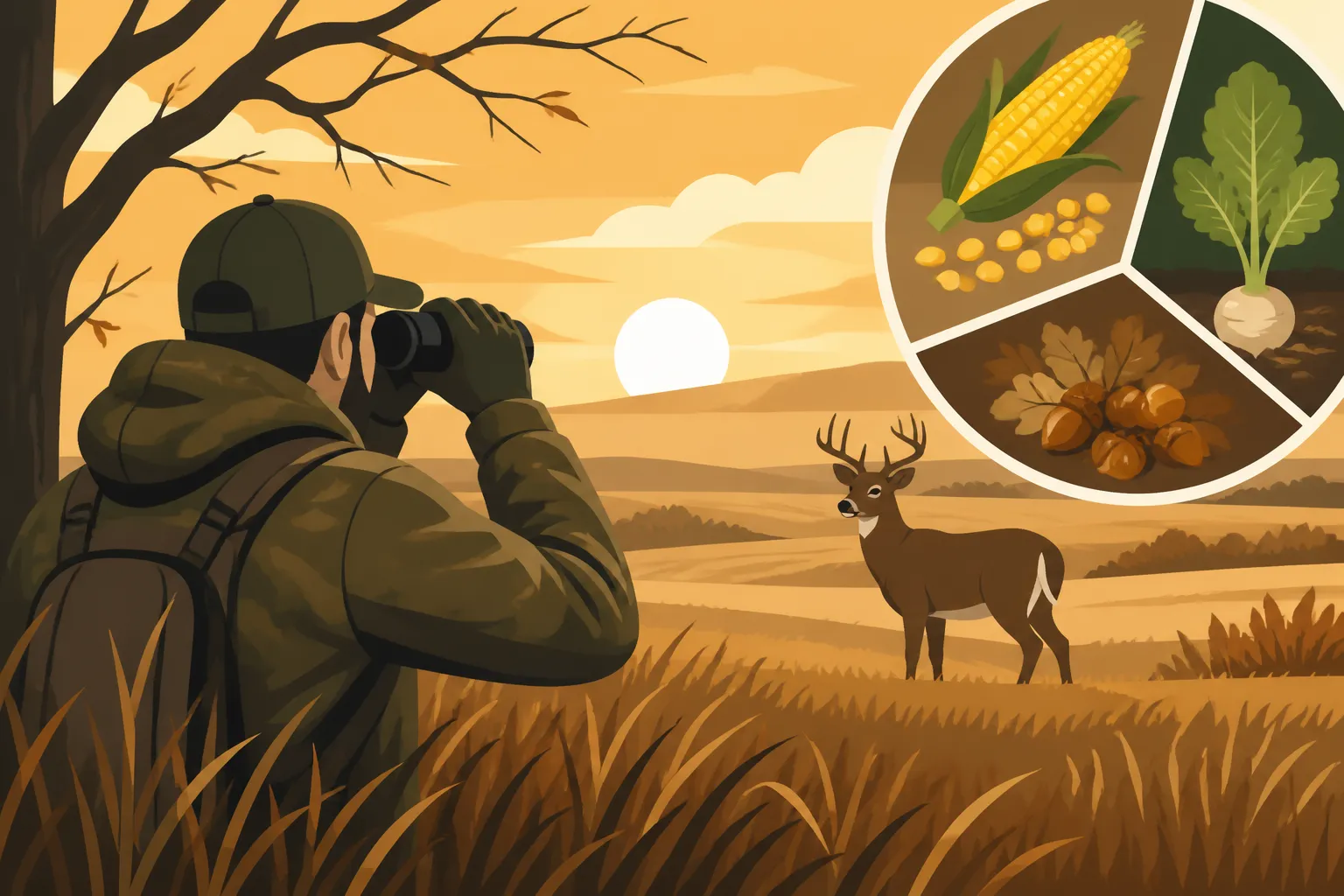
- Standing cornfields are arguably the most sought-after late-season food source in Kansas. Not only do the kernels provide an incredible amount of energy, but the tall stalks also offer exceptional thermal cover and security. Deer will literally live inside standing corn, bedding down, feeding, and moving through its protective maze. Even after harvest, the leftover ears and dropped kernels in corn stubble fields are highly attractive. Hunters often underestimate how much food remains after a combine goes through. Pay close attention to fields that were harvested during wet conditions, as more grain tends to get left behind. It's a goldmine for wintering deer.
- Soybeans: High Protein, Often Overlooked
- While not as high in carbohydrates as corn, soybeans provide valuable protein and fat. Many hunters overlook soybean fields after harvest because the beans are gone. However, deer will often glean residual pods, especially after a frost or two makes them more palatable. If a bean field remains unharvested, it can be a significant draw. Look for fields where the combines left a lot of stubble, or where patches of beans were missed. These seemingly insignificant remnants can be vital for deer trying to pack on weight.
- Milo (Grain Sorghum): A Secret Weapon
- Milo, or grain sorghum, is an excellent, often underutilized late-season food source in many parts of Kansas. Like corn, milo provides high-energy grain, and its stout stalks offer decent cover, though usually not as thick as corn. Deer absolutely love milo, and it can be a primary draw, especially in western and central Kansas where it's a prevalent crop. If you can find standing milo or even a harvested milo field with ample dropped heads, you've likely found a late-season deer haven. Check out this guide on Milo and Corn Stubble Deer Patterns for more in-depth insights into hunting these crucial agricultural areas.
Hard Mast and Browse
While grains often dominate the late-season, don't completely discount other natural food sources, especially if agricultural fields are scarce or heavily pressured.
- Acorns: Persistence in Timber
- If there was a good acorn crop in the fall, some will inevitably remain through the early winter. Deer will still seek these out, particularly white oak acorns which are less bitter. Focus on isolated oak pockets or draws that might not have been hit as hard earlier in the season. Snowfall can sometimes uncover hidden acorns that were previously buried, offering a fresh meal. However, in Kansas, consistent hard mast rarely carries a deer herd through the entire late season; it's more of a bonus food item.
- Green Browse: Winter Wheat and Alfalfa
- When other food sources become scarce or inaccessible under snow, deer will turn to green browse. Winter wheat fields are absolute magnets, especially in agricultural areas. The tender, green shoots provide essential nutrients. Alfalfa fields, if still somewhat green and not completely dormant, can also draw deer. Even highly palatable forbs and woody browse (twigs, buds) can become important when nothing else is available. In severe conditions, deer will even strip bark from trees. Finding patches of winter wheat can be as good as finding a standing cornfield.
- Tree Buds, Saplings: When All Else Fails
- As a last resort, deer will resort to browsing on the buds and tender new growth of various trees and shrubs. Honeysuckle, sumac, and young cedars are common targets. Look for signs of heavy browsing – clipped twigs and stripped bark – which indicates deer are struggling to find more preferred foods. While not ideal, these areas can concentrate deer when primary food sources are gone or covered by deep snow.
Food Plot Effectiveness in Winter
Well-planned food plots can be absolute game-changers in the late season, often out-competing natural food sources and even some agricultural crops.
- Brassicas (Turnips, Kale, Rape): Sweet After a Freeze
- Brassica plots, like turnips, kale, and rape, are fantastic for late-season hunting. They have a unique characteristic: after a hard frost or two, the starches in the plants convert to sugars, making them incredibly palatable and attractive to deer. Deer will actively dig through snow to get to these leafy greens and underground bulbs. If you've got a brassica plot that's been hit by cold weather, you've likely got a late-season honey hole.
- Winter Wheat and Oats: Green Forage
- Just like wild-grown winter wheat, a food plot planted with winter wheat or oats will provide highly nutritious green forage throughout the colder months. These plots stay green longer and can be incredibly appealing when everything else has turned brown and brittle. They're easy to plant and a reliable late-season draw.
- Planning for Late-Season Plots: What to Plant, When
- The key to successful late-season food plots is planning. You need to plant varieties that mature late or become more attractive after a freeze. For brassicas, planting in late summer allows them to grow large before the cold hits. Winter wheat and oats should be planted in early to mid-fall. Consider planting a mix to offer variety. A productive late-season food plot, especially one strategically placed near dense cover, can be the most consistent deer magnet on your hunting ground.
Scouting and Locating Late-Season Hotspots
Finding late-season deer isn't about aimlessly wandering; it's about focused reconnaissance. You need to know where to look and what signs to interpret, both from your armchair and on the ground.
E-Scouting for Agricultural Fields and Timber
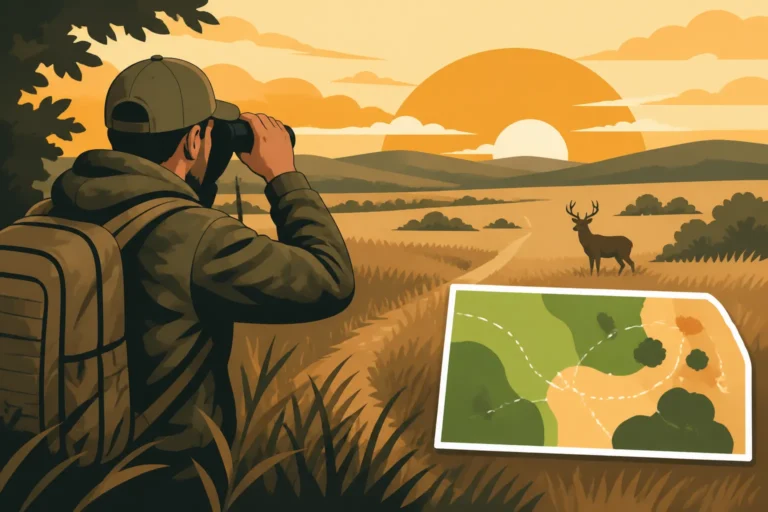
Before you even step foot outside, your best friend for late-season scouting is a good e-scouting app. Tools like GoHunt or onX Hunt are indispensable for Kansas deer hunters.
- Identifying Standing Crops, Unharvested Fields, and Timber Edges
- Use satellite imagery to locate large agricultural fields. Pay close attention to the colors and textures. Green squares in December might indicate winter wheat or alfalfa. Brown squares with visible rows could be standing corn or milo that hasn't been harvested yet. Look for fields adjacent to large blocks of timber, dense CRP, or creek bottoms. These transition zones are where deer will often stage before entering fields. With GoHunt, you can layer public land boundaries over these agricultural areas, helping you pinpoint potential access on public tracts that might have standing crops.
- Mapping Travel Corridors Between Cover and Food
- Once you've identified potential food sources, zoom out and look for the shortest, thickest travel routes between those food sources and dense bedding cover. These might be fence lines with brush, narrow timber strips, creek beds, or even ditches with tall grass. Deer are inherently lazy in cold weather and will take the path of least resistance and greatest security. Map these corridors and look for pinch points or funnels where deer movement is naturally restricted. This guide on E-Scouting Kansas Farm Country From Home offers a more detailed breakdown of how to use these digital tools effectively.
- Checking for Residual Food in Fields
- Even if fields appear harvested, use historical satellite imagery if available, or just common sense, to consider which fields might have left more residual food. As mentioned, wet harvests can leave a lot of grain. Old combine paths might show where deer could easily walk in and pick up dropped kernels. The more data you gather virtually, the more efficient your boots-on-the-ground scouting will be.
Boots-on-the-Ground Reconnaissance
E-scouting gets you in the ballpark, but you need to confirm your suspicions and find the precise ambush points with some old-fashioned footwork.
- Finding Tracks, Droppings, Browse Lines in Snow or Bare Ground
- Snow is a late-season hunter's best friend for scouting. It tells a clear story. Look for fresh tracks leading into and out of food sources. Are they large tracks, indicating bucks? Are there many tracks, suggesting a large group of does and fawns? Pay attention to where tracks converge. Droppings can indicate how recently and heavily an area is being used. In timber, look for distinct browse lines on saplings or shrubs, especially if deer are resorting to woody browse. Without snow, finding fresh droppings around food is equally important.
- Locating Entry/Exit Points, Pinch Points, and Security Cover Near Food
- Deer don't just randomly enter fields. They'll use specific trails, often just inside the edge of cover, where they feel secure. Find these entry and exit points. Look for natural pinch points – places where dense cover narrows into a small opening, forcing deer through a specific spot. These are prime stand locations. Always assess the security cover directly adjacent to the food source. Is it thick enough for deer to feel safe bedding there? Is it offering thermal protection from the wind?
- Checking for Residual Food in Fields
- Walk the edges of harvested fields. Get down on your hands and knees and actually look for corn ears, milo heads, or soybean pods that were missed by the combine. You'll be surprised how much is often left behind. The presence of significant amounts of residual food, combined with fresh deer sign, is a clear indicator that you've found a late-season hot spot.
Understanding Pressure and Sanctuary
Deer, especially mature bucks, become incredibly sensitive to pressure in the late season. Finding a sanctuary is often as important as finding food.
- Deer Avoid Pressure: Finding Unpressured Food Sources
- If a food source is getting hammered by hunters, deer will either become completely nocturnal on it or abandon it for less preferred, but less pressured, alternatives. This is where truly observant scouting comes into play. Look for food sources that are harder to access, further off the beaten path, or perhaps on private land where hunting pressure is controlled. On public land, this means digging deep to find overlooked corners. Check this out for deeper insight into Hunting Pressure Patterns on Kansas Public Land.
- The Importance of Thick Cover Adjacent to Food
- Deer feel most secure when they can feed and quickly retreat into dense cover. This cover provides both physical security from predators and thermal protection from the elements. Look for food sources that are bordered by thick cedars, dense brush, cattails, or even a standing patch of unharvested timber. The closer the food is to security cover, the more likely deer will use it in daylight.
- Public Land Challenges vs. Private Land Opportunities
- On public land, finding unpressured late-season food can be a significant challenge. Hunters often hit obvious food sources hard. This is where e-scouting with apps like GoHunt becomes vital to find those hidden pockets or less accessible edges. On private land, if you have permission or are hunting with an outfitter, you might have the advantage of managing pressure and leaving certain food sources as sanctuaries until the time is right. Regardless of where you hunt, respecting and understanding the impact of pressure is critical. Finding quality Public Land Deer Hunting in Kansas means often finding less-trafficked food.
Strategic Hunting Approaches for Late-Season Food
Once you've identified your late-season food source, the next step is to strategize your hunt. Late-season deer are wary, and your approach needs to be calculated and precise.
Stand Placement and Access Routes
Your stand setup and how you get to it are paramount in the late season. One wrong move can blow an entire area.
- Hunting the Edges: Not Directly in the Food Source Unless Concealed
- Unless you're in a completely enclosed ground blind that's been brushed in for weeks, avoid setting up directly in the middle of a food plot or crop field. Deer approach food sources cautiously, using the edges for security. Your best bet is typically 10-20 yards inside the timber edge, or along a brushy fence line, providing a good shot opportunity as deer enter the field. This allows you to intercept them before they're fully committed, and gives you more cover. However, if hunting inside a standing corn field, you might place a stand within a natural opening or trail.
- Wind Direction is Paramount: Deer Approach Food Carefully
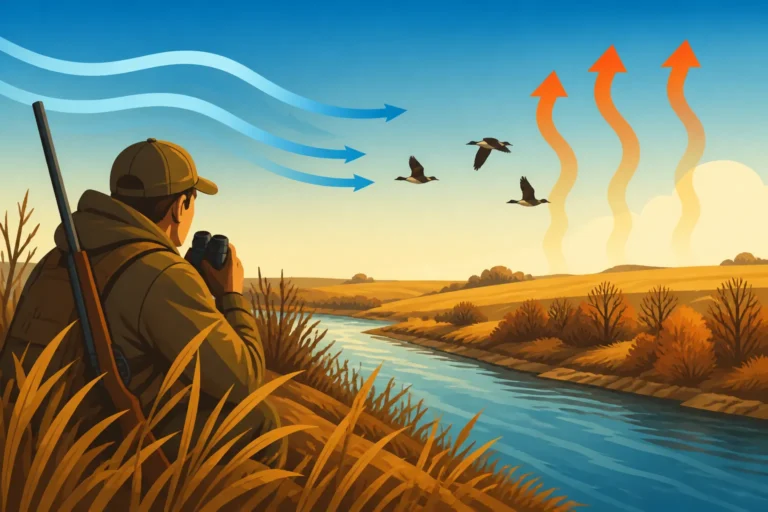
- Never, ever hunt a late-season food source with the wrong wind. Deer will nearly always circle downwind of a suspected food source before entering, using their incredible sense of smell to check for danger. You need to position your stand so your scent cone blows away from where you expect deer to approach and where they'll be feeding. This often means having multiple stand options for different wind directions, or using mobile hunting techniques to adapt. For example, if deer are entering from the west, and the wind is from the north, you might set up on the northwest corner of the field, with your scent blowing north-northeast, away from their approach.
- Low-Impact Entry and Exit to Avoid Spooking Deer from Bedding
- This is non-negotiable in the late season. Deer are often bedded very close to their food source. If your entry or exit route takes you through a bedding area, or directly past a common staging area, you're going to educate deer and push them nocturnal. Plan your routes carefully, using ditches, draws, deep timber, or terrain features to shield your approach. Always walk slowly, quietly, and use the cover to your advantage. Getting to and from your stand without bumping deer is as important as the stand location itself. For more on this, check out Access Routes That Do Not Bump Deer.
Timing Your Hunts for Maximum Success
The timing of your hunts can make all the difference when targeting late-season food.
- Afternoons Are Often Better: Deer Move to Food Before Dark
- In the frigid late season, deer are often reluctant to leave the warmth and security of their beds until the afternoon sun has softened the chill a bit. As such, evening hunts, focused on catching deer moving from bedding to feeding, are often more productive than mornings. Deer will typically emerge into fields in the late afternoon, feed aggressively, and then retreat back to cover after dark. This gives you a narrow window, but it’s a high-percentage one.
- Cold Fronts and Snow: Prime Conditions for Increased Daylight Movement
- Keep a close eye on the weather forecast. The period immediately preceding or following a significant cold front, or during and after a fresh snowfall, can trigger intense deer activity. Deer sense changes in weather and will often feed heavily before a storm or immediately afterward to replenish calories. A fresh blanket of snow not only makes deer tracks easy to read but also often pushes deer out to exposed food sources as other foods become buried or inaccessible. This is a topic thoroughly covered in Cold Front Movement in December.
- Consistency: Being There When Conditions Are Right
- Late-season hunting can be a grind, and it often requires persistence. You might have to sit through several slow hunts before the perfect combination of weather, deer movement, and your timing aligns. However, by understanding these patterns and being in your stand when the conditions are prime – like a major cold front hitting your best standing cornfield – you significantly increase your odds of success.
Gear and Comfort in Cold Weather
Let's be real: nobody wants to sit miserable and shivering. Being comfortable is crucial for staying alert and effective on those long, cold late-season sits.
- Layering: Essential for Long, Cold Sits
- Forget about one bulky coat. Effective cold-weather hunting relies on layering. Start with a moisture-wicking base layer against your skin, add insulating mid-layers (fleece, down, synthetic puffies), and top it off with a windproof and waterproof outer shell. This allows you to regulate your temperature by adding or shedding layers as needed while walking to your stand, or sitting still.
- Hand Warmers, Insulated Boots, Face Masks
- These are non-negotiable. Chemical hand warmers (or rechargeable electric ones) in your pockets and muffs are a lifesaver. Invest in high-quality, heavily insulated boots – your feet will thank you. A good face mask or balaclava prevents frostbite and helps retain core body heat, which escapes rapidly from your head and neck. Don't skimp on these items; they can make the difference between a successful, long sit and an aborted hunt due to discomfort. For more tips on staying warm, read Staying Warm on a December Sit.
- Portable Heaters for Ground Blinds
- If you're hunting from a ground blind, a small, portable propane heater (like those from Mr. Heater) can transform your experience. Just ensure proper ventilation. The ability to stay truly warm and comfortable will allow you to stay on stand longer and remain focused, which is critical during late-season hunts where opportunities might be few and far between.
Challenges and Adaptations for Late-Season Hunting
Late-season hunting isn't without its unique set of challenges. Being prepared to adapt to ever-changing conditions is what separates successful hunters from those who pack it in early.
Navigating Changing Conditions
Kansas weather can be notoriously fickle, and late season only amplifies this unpredictability.
- Snow Cover: Can Make Food Harder to Access, or Reveal Hidden Food
- While snow is great for tracking, a heavy, crusty snowfall can actually make some food sources inaccessible. Cornstalks might bend over, burying ears, or a thick crust of ice can form over a food plot. However, a light, fresh snow can also reveal hidden food by knocking leaves off browse or uncovering dropped mast that was previously camouflaged. You need to scout after significant weather events to see how the deer are adapting and which food sources are still available.
- Harvest Progress: Fields That Were Standing Can Be Cut Quickly
- One day you might be e-scouting a beautiful standing cornfield, and the next, it's a bare stubble field. Farmers are often racing against the clock and weather, and fields can be harvested very quickly. Stay up-to-date on local agricultural activity. This means your "hot spot" could disappear overnight, forcing you to constantly re-evaluate and adapt your hunting strategy. This dynamism is why it’s always good to have a few backup locations in mind.
- Freezing Rain/Ice: Can Encase Food, Making It Inaccessible
- The worst-case scenario for late-season food sources is often freezing rain or a thick ice storm. This can completely encase grains, acorns, or food plot forage, making them physically impossible for deer to access. When this happens, deer are often forced into heavier timber to browse on woody stems, or to seek out any green forage they can find in protected areas. Hunters need to shift their focus away from agricultural fields during these times.
Public Land Specifics
Hunting late-season on public land in Kansas presents its own unique set of hurdles.
- Increased Pressure: Deer Often Shift to Private Land Sanctuaries
- Public lands often experience significant hunting pressure throughout the season, and by late season, many deer, especially mature bucks, have become masters of avoidance. They'll often shift their core ranges to adjacent private land that offers sanctuary, only venturing onto public ground under the cover of darkness. This means you have to work harder to find unpressured pockets of public land, or target days with less hunter traffic, like weekdays.
- Finding Overlooked Public Land Pockets with Late-Season Food
- This is where diligent e-scouting and physical reconnaissance really pay off. Look for public land tracts that are harder to access – perhaps requiring a longer walk, or being bordered by dense, overlooked cover. Utilize tools like GoHunt and the Kansas Wildlife, Parks & Tourism (KDWP) online mapping portal to identify Walk-In Hunting Access (WIHA) areas that might have standing crops or ideal adjacent cover. Often, the best late-season public land spots are those that require the most effort to reach. Remember that Kansas Antlerless Hunts and Filling the Freezer can be great opportunities on public land during this time, and sometimes even the does lead you to a buck!
- Utilizing WIHA Tracts That Have Standing Crops or Good Browse
- Kansas's WIHA program is a fantastic resource for public land hunters. While many WIHA tracts are CRP or pasture, some are agricultural fields. Use the WIHA atlas (available online or in print) to specifically identify tracts that show standing corn, milo, or winter wheat. Combine this with your e-scouting to find WIHA tracts that offer not only food but also adjacent security cover, like a timbered creek draw or thick fencerow. These can be golden opportunities for late-season success.
Processing and Game Care in the Cold
The cold weather during late season can be both a blessing and a curse for game care.
- Cold Weather Advantages for Keeping Meat Cool
- One major advantage of a late-season harvest is the natural refrigeration. Unlike the warm early season where you're racing against the clock to cool meat, cold temperatures keep your deer meat chilled, reducing spoilage concerns significantly. This means you might have a bit more time for extraction, or for getting your deer to a locker plant.
- Still Need to Field Dress Quickly
- Even with cold temperatures, prompt field dressing is still crucial. Removing the entrails allows the body cavity to cool down quickly, preventing any residual body heat from negatively affecting the meat quality. It also removes bacteria. So, don't delay the field dressing, even if it's freezing outside. This remains true whether you're dealing with frigid December temperatures or trying to keep things cool during Field Dressing in Warm Kansas Weather.
- Quartering a Deer in the Field for Easier Extraction
- If you're hunting deep in a timbered creek bottom or a remote public land tract, getting a whole deer out can be a monumental task, especially if you're alone. Consider quartering your deer in the field. This breaks the animal down into manageable pieces that are much easier to pack out on your back, or with a game cart. Always carry a sharp knife, game bags, and perhaps a small tarp or plastic sheet to keep the meat clean while working. Learning to process a deer in the field is an invaluable skill for late-season hunters facing tough extractions, and this guide on Quartering a Deer in the Field can walk you through it.
| Food Source | Primary Benefit | Key Location | Late-Season Palatability | Key Hunting Conditions |
|---|---|---|---|---|
| Standing Corn | High energy, excellent cover | Agricultural fields, river bottoms | Excellent | Any cold, especially after snowfall |
| Harvested Corn/Milo | High energy, residual grain | Stubble fields, missed patches | Very Good | Cold, accessible grain |
| Winter Wheat/Alfalfa | Green browse, essential nutrients | Pastures, agricultural fields | Good to Excellent | Any cold, especially after hard freeze |
| Brassica Food Plots | High energy, sugars activate after freeze | Planted food plots | Excellent after hard freeze | Cold, hard freezes |
| Acorns | Natural energy (if available) | Oak timber, draws | Variable | Early late-season, after light snow |
| Woody Browse | Survival food (last resort) | Thick timber, brushy areas | Poor to Fair | Extreme cold, snow cover, no other food |
Disclaimer
Hunting is an inherently dangerous activity. Always prioritize safety, understand and follow all Kansas hunting regulations, and ensure you have the necessary licenses and permits. This guide provides general information and should not replace professional instruction or official KDWP resources. Always inform someone of your hunting plans and location.