Kansas Upland Bird Hunt Packages
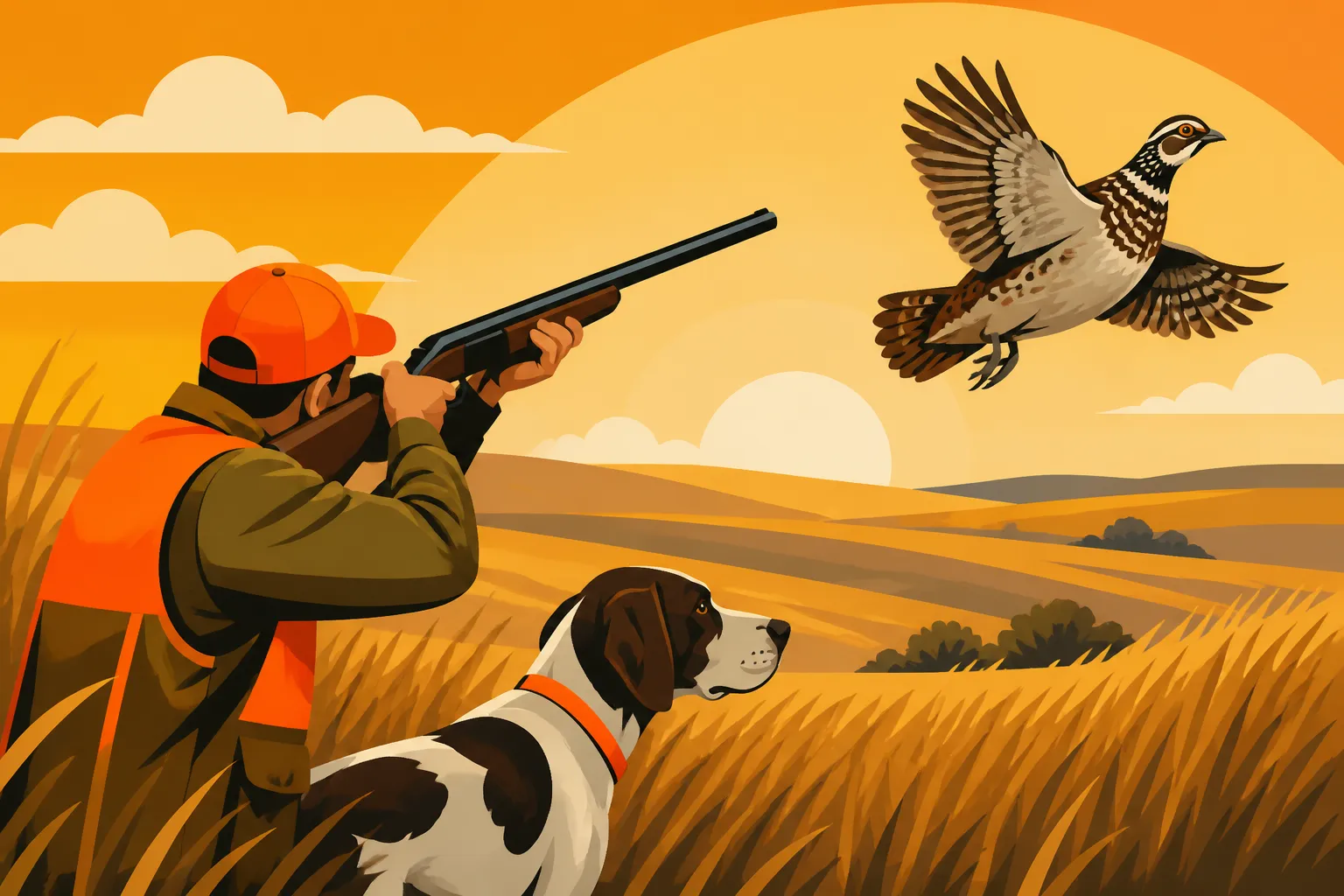
The thrill of a pheasant exploding from a milo stubble field or a covey of quail erupting from a plum thicket is a core part of the Kansas hunting experience. But if you’re not a local with private land access or extensive scouting time, figuring out how to get in on that action can feel like navigating a maze. This comprehensive guide is designed to cut through the confusion, offering a deep dive into Kansas upland bird hunt packages, what to expect, how to choose the right outfitter, and everything you need to prepare for an unforgettable hunt in the Sunflower State.
Understanding Kansas Upland Bird Hunting Opportunities
Kansas truly shines when it comes to upland birds, offering a diverse landscape that supports robust populations of pheasants, quail, and even the elusive prairie chicken. For many, a trip to Kansas isn't complete without chasing these fast-flying game birds, but knowing where and when to focus your efforts is key. Outfitter packages can simplify this, putting you directly onto prime habitat.
Primary Upland Species: Pheasant, Quail, Prairie Chicken
When you think Kansas upland hunting, pheasants and quail are usually the first birds that come to mind, and for good reason. Ring-necked pheasants thrive in the state's agricultural heartland, particularly in the western and central regions where vast fields of corn, milo, and wheat stubble provide both food and cover. Their distinctive cackle and brilliant plumage make them a highly sought-after game bird. A good pheasant hunt is often characterized by long walks, working hedgerows, and the sudden flush of a rooster trying to escape.
Bobwhite quail, on the other hand, are more prevalent in the central and eastern parts of the state, favoring brushy draws, plum thickets, and grassland edges. The explosive flush of a quail covey is a sound that gets any bird hunter's heart pounding, and the fast, erratic flight makes for a challenging shot. Many outfitters will offer combo hunts, allowing you to pursue both pheasants and quail, often in overlapping habitats or within a short drive. For a truly unique experience, some specialized outfitters also provide opportunities for greater prairie chickens, primarily found in the Flint Hills region. These hunts are often more challenging and require specific tactics, but the chance to pursue such an iconic grassland bird is something special.
Season Dates and General Expectations
Kansas upland bird seasons generally open in early to mid-November, continuing through January, giving hunters a solid window to plan their trips. Pheasant and quail seasons typically run concurrently. Prairie chicken seasons are often split into early and late segments, with more restrictive bag limits and unit-specific permits. While outfitters will handle much of the logistical heavy lifting, it’s always wise to familiarize yourself with the general season dates and bag limits.
Early season hunts, right after the opener, can often mean warmer weather and denser cover. As the season progresses into December and January, the cover tends to thin out, and birds can become more concentrated in specific habitats, often dictated by food sources and thermal protection. Cold, snowy conditions can make for excellent hunting, as birds hold tighter and are easier for dogs to scent. However, extreme cold also demands appropriate gear and can make for a more physically demanding hunt. The weather in Kansas can be unpredictable, so being prepared for everything from mild, sunny days to blustery, snowy conditions is essential. Checking the Kansas Department of Wildlife, Parks and Tourism (KDWP) regulations for Kansas Upland Bird Season Dates and Limits is a smart move before finalizing any plans.
Types of Upland Bird Hunt Packages
Navigating the world of hunting outfitters can be a bit overwhelming, especially when trying to understand the different levels of service available. For Kansas upland bird hunting, packages generally fall into a few categories: fully guided, semi-guided, and sometimes self-guided lease opportunities, each offering varying degrees of support and independence. Understanding these distinctions is crucial to finding a package that fits your budget, skill level, and desired hunting experience.
Fully Guided Experiences
A fully guided upland bird hunt is often considered the most comprehensive option, especially for hunters new to Kansas or those who simply want to maximize their time afield without worrying about logistics. With a fully guided package, you can expect an experienced professional guide, often with well-trained bird dogs, to lead your hunt from start to finish. They’ll know the land intimately, understand bird patterns, and work their dogs to locate coveys and flush pheasants. This means less time spent scouting and more time actively hunting.
These packages typically include all the essentials: expert guidance, access to prime hunting ground (often private leases), and the use of the outfitter's dogs. Many fully guided experiences also bundle in accommodations, meals, and bird processing services. This all-inclusive approach allows you to focus solely on the hunt, the camaraderie, and the incredible dog work. It's an excellent choice for individuals or groups seeking a high-quality, hassle-free experience, where all the details are managed for you. While these hunts are generally at a higher price point, the value comes from the extensive knowledge of the guide, the quality of the hunting ground, and the sheer efficiency of the operation.
Semi-Guided Options
Semi-guided upland hunts strike a balance between a full-service experience and a more independent approach. With a semi-guided package, outfitters typically provide access to pre-scouted private lands that are known to hold birds. They might offer maps, suggest specific areas to hunt, and provide recommendations on tactics based on recent bird activity. However, you'll be responsible for bringing your own dogs, or hunting dogless, and navigating the property yourself.
This option is popular among hunters who enjoy working their own dogs and prefer a bit more autonomy but still want the advantage of knowing they're hunting quality, managed land. It significantly reduces the guesswork of finding productive ground, which is a huge benefit in a state like Kansas where access can be challenging. Some semi-guided packages might include lodging, but meals are often on your own. It's a great middle-ground for hunters who have some experience, reliable bird dogs, and want a more affordable alternative to a fully guided trip while still benefiting from an outfitter's land resources. It requires a bit more self-sufficiency, but the payoff can be a truly rewarding hunt on excellent ground.
Preserve vs. Wild Bird Hunts
When looking at Kansas upland packages, you'll often encounter the distinction between "preserve" (or "controlled shooting area") hunts and "wild bird" hunts. This difference is fundamental to the experience. Wild bird hunts, as the name suggests, involve pursuing naturally occurring populations of pheasants, quail, or prairie chickens in their native habitat. These are the hunts that embody the traditional challenge and reward of upland hunting; success depends on natural bird cycles, weather, dog work, and hunting skill. The birds are completely wild, offering a supreme challenge and a genuine sense of accomplishment.
Preserve hunts, on the other hand, take place on designated controlled shooting areas where birds are released specifically for hunting. These birds are typically pen-raised and, while they can still fly strong, the experience is generally more about consistent shooting opportunities than the challenge of finding truly wild game. Preserves often have longer seasons and guarantee higher bird numbers, making them a popular choice for corporate outings, beginners, or those looking for a high-volume shooting experience. While not the same as a wild bird hunt, they offer a fun day afield and can be excellent for dog training or getting new hunters introduced to the sport. Many Kansas outfitters specialize in one or the other, or offer both, so it's important to clarify which type of experience you're booking to ensure it matches your expectations.
What's Included in a Typical Upland Package
The inclusions of a Kansas upland bird hunt package can vary widely, but most reputable outfitters aim to provide a comprehensive experience, particularly with their fully guided options. Understanding what typically comes with a package will help you compare offerings and ensure there are no surprises when you arrive. From where you'll lay your head to how your birds are handled, these details contribute significantly to the overall value and enjoyment of your trip.
Accommodation and Meals
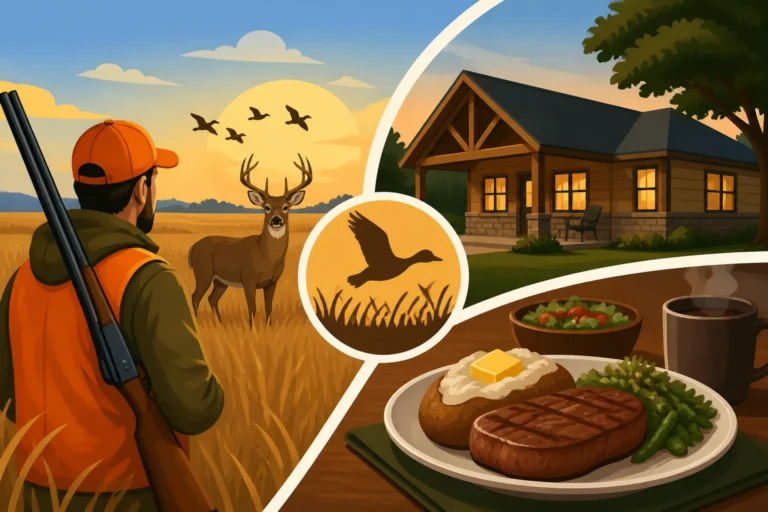
Many Kansas upland outfitters offer packages that include lodging, often in comfortable hunting lodges or renovated farmhouses right on or near their hunting properties. These accommodations can range from rustic and cozy to modern and luxurious, depending on the outfitter and the price point. Having a dedicated place to stay near the hunting grounds eliminates the hassle of daily commutes and allows for early starts and late finishes. It also fosters a great sense of camaraderie among hunting parties, sharing stories and laughs after a day in the field.
Meals are another common inclusion, especially with fully guided multi-day hunts. Expect hearty, home-cooked breakfasts before the hunt, packed lunches to take afield, and delicious dinners in the evening. This eliminates the need to find restaurants or cook for yourself after a long, tiring day of walking. Some outfitters even offer local specialties, providing a true taste of Kansas hospitality. Always confirm the specific meal plan, including beverages, with your outfitter, as some might exclude alcohol or have specific dining arrangements. If you have any dietary restrictions, it's crucial to communicate these well in advance.
Dog and Guide Services
For many upland hunters, the heart of the experience lies in watching skilled bird dogs work, and this is where a professional outfitter truly shines. In a fully guided package, the provision of well-trained bird dogs and an experienced guide is standard. These guides are often locals with generations of knowledge about the land, bird behavior, and dog handling. They'll know exactly where to find birds, how to read the wind, and how to direct their pointers and flushers to maximize your shooting opportunities. The quality of the guide and their dogs can make or break an upland hunt.
Even for hunters who bring their own dogs on a semi-guided trip, the outfitter may offer insights into the best areas for specific breeds or types of dog work. Some guides might even offer pointers on Working Pheasant Fields Without a Dog or Dogless Quail Hunting Tactics if you choose to go that route on semi-guided ground. The value of a good guide extends beyond just finding birds; they're also there for safety, to help with navigation, and to provide a seamless, enjoyable experience. Always be ready to listen to your guide's advice, as their expertise is invaluable in maximizing your success.
Bird Cleaning and Packaging
After a successful hunt, the last thing you want to worry about is the messy work of bird cleaning. Many reputable Kansas upland outfitters include bird cleaning and packaging services as part of their package. This typically means your birds will be breasted out, cleaned, and often vacuum-sealed or packaged for easy transport home. This service is a huge convenience, saving you significant time and effort after a demanding day.
They'll also usually have proper cooling facilities to ensure your game meat is handled correctly from the moment it's harvested until it's ready for your cooler. Be sure to clarify if the packaging includes freezing, and if there are any specific regulations regarding transporting game meat across state lines, especially concerning Chronic Wasting Disease (CWD) if you're hunting deer in the same general area, though CWD primarily affects cervids. Understanding Pheasant and Quail Meat Handling practices from your outfitter can also give you confidence in the quality of your take-home meat. Some outfitters might offer options for full bird cleaning (feathers on, as required by some states for transport) or taxidermy preparation if you harvest a particularly beautiful rooster.
Factors Influencing Package Costs
When you start researching Kansas upland bird hunt packages, you'll quickly notice a range of prices. It’s not just a matter of "more expensive equals better," but rather a reflection of various factors that contribute to the overall value and experience. Understanding these influences can help you budget effectively and choose a package that aligns with your expectations and financial comfort zone.
Duration and Inclusions
One of the most significant factors in the cost of an upland bird package is its duration. A single-day hunt will naturally be less expensive than a multi-day trip that includes several days of hunting. Furthermore, the number of included amenities plays a crucial role. A basic "land access only" or minimal semi-guided package will have a lower price tag than a fully inclusive experience that covers everything from the moment you arrive until you depart.
For example, a package that includes three days of fully guided hunting, four nights of lodging, all meals, dog services, bird cleaning, and perhaps even airport shuttle service will be considerably more expensive than a two-day semi-guided hunt where you bring your own dogs, find your own food, and handle your own bird processing. The level of luxury in the lodging, the gourmet nature of the meals, and the exclusivity of the hunting grounds can also elevate costs. Some outfitters might offer "trophy fees" for exceeding certain bird limits, or charge extra for additional services like shooting clays or extended dog training sessions. Always scrutinize the "what's included" list to understand exactly what you're paying for.
Reputation and Location of Outfitter
Just like in any service industry, the reputation and experience of an outfitter significantly influence their pricing. Outfitters with a long-standing history of successful hunts, highly skilled guides, and consistently productive hunting grounds often command higher prices. You're paying for their proven track record, their deep knowledge of the area, and their investment in quality dogs and land management. These operations typically have a strong network of private leases, ensuring access to prime habitat year after year.
The location within Kansas also matters. Outfitters operating in historically high-density pheasant or quail areas, or those with unique access to prairie chicken habitat, may have higher demand and thus higher prices. Some prime areas are known for producing not just high bird numbers, but also larger, more mature pheasants. An outfitter who has invested heavily in habitat improvement, food plots, and cover enhancement on their leased or owned lands will also reflect this in their pricing, as these efforts directly contribute to better hunting. It's an investment in a higher quality, more consistent hunting experience, and usually worth the extra cost.
Group Size and Customization
The size of your hunting party can also affect the per-person cost. Many outfitters price their packages based on a minimum number of hunters, or offer discounts for larger groups. A solo hunter might pay a premium for a fully guided trip, as they're essentially bearing the entire cost of the guide and dogs, whereas a group of four or six can split these fixed costs, making it more affordable per individual.
Furthermore, custom packages designed to meet specific needs—such as adding an extra day, combining upland hunting with a Kansas Antlerless Hunts and Filling the Freezer deer hunt, or requiring specialized equipment for hunters with disabilities—will naturally influence the price. If you have a specific vision for your hunt, be prepared to discuss it thoroughly with the outfitter and understand how customization will impact the final cost. Flexibility on dates or willingness to join an existing group might sometimes lead to better pricing. Using platforms like BookYourHunt or GoHunt can sometimes help you compare packages for different group sizes or find unique offerings, as they often list detailed package breakdowns.
Choosing the Right Kansas Upland Bird Outfitter
Selecting an upland bird outfitter is a critical step in planning a successful hunt. With numerous options available, it's easy to get overwhelmed. The right choice ensures a safe, productive, and enjoyable experience that matches your expectations. Taking the time to do your homework can save you from disappointment and ensure your hard-earned money is well spent.
Researching Outfitter Reputation and References
The first and most important step in choosing an outfitter is thorough research into their reputation. Start by looking for outfitters that specialize in upland birds, particularly in Kansas. Websites like BookYourHunt can be a good starting point to browse various packages and read initial reviews from past clients. However, don't stop there. Dive deeper into online hunting forums, social media groups, and dedicated outfitter review sites. Pay attention to consistent themes, both positive and negative, that emerge from these discussions.
Once you've narrowed down a few potential candidates, always ask for references—and insist on recent ones, ideally from hunters who have booked similar packages within the last year or two. When you contact these references, ask specific questions: Was the hunting ground as described? Were the guides knowledgeable and personable? How were the dogs? Were the accommodations and meals up to par? Were there any hidden costs? Getting References From Past Clients is crucial for an honest assessment. A reputable outfitter will be transparent and happy to provide contact information for past clients; be wary of any outfitter reluctant to do so.
Asking Key Questions Before Booking
Before you commit to a deposit, a detailed conversation with the outfitter is non-negotiable. This is your opportunity to clarify every aspect of the hunt and ensure it aligns with your vision. Don't be shy about asking a comprehensive list of questions. For example, inquire about the specific hunting areas you'll be accessing: Is it private land, and how much acreage do they control? How many hunters will be on the property simultaneously? What are their typical guide-to-hunter ratios? Hunter Density on a Kansas Lease can significantly impact your experience.
Ask about the typical daily bag limits, and if there are any restrictions beyond state regulations. If bringing your own dogs, ask about their policies and any specific requirements. Clarify what happens in case of unforeseen circumstances like extreme weather; do they offer rain checks or rescheduling options? Inquire about the nearest medical facilities and their emergency protocols. Understanding their Kansas Outfitter Success Rates Explained is also important, differentiating between "opportunity rate" (how many chances hunters had) and "kill rate" (how many birds were actually harvested). These details will help paint a clear picture of what you can expect.
Understanding Contracts and Deposits
Once you've found an outfitter you're comfortable with, you'll typically be asked to sign a contract and place a deposit to secure your booking. Read this contract meticulously. It should clearly outline the hunt dates, the exact inclusions of your package, the total cost, the payment schedule, and, critically, the cancellation and refund policy. Understand the Kansas Outfitter Deposit Amounts and whether deposits are refundable or transferable if you need to cancel or if the outfitter cancels the hunt for any reason.
Look for clauses regarding weather-related cancellations or if you tag out early. Some contracts might include a waiver of liability, which is common but should still be reviewed. Ensure that all promises made during your conversations are reflected in the written agreement. If anything is unclear, ask for clarification in writing. Consider if purchasing hunt cancellation insurance is a wise investment, especially for high-value trips booked far in advance. Transparency and clear communication at this stage are key to a smooth and stress-free experience once your hunting dates arrive.
Preparing for Your Kansas Upland Hunt
The quality of your upland bird hunt in Kansas isn't just about the outfitter or the birds; it also heavily depends on your personal preparation. A well-prepared hunter will not only have a more enjoyable and successful trip but will also ensure their own safety and comfort in the field. From physical fitness to packing the right gear, these steps are crucial for an optimal experience.
Physical Preparation and Shooting Practice
Upland bird hunting, especially pheasants and quail, can be surprisingly physically demanding. You'll be walking many miles over uneven terrain, through tall grasses, crop stubble, and brushy cover. A reasonable level of physical fitness will make a huge difference in your endurance and enjoyment. Start incorporating regular walks, hikes, or other cardiovascular exercises into your routine several weeks or months before your trip. Focus on building stamina and leg strength, as these will be your most valuable assets in the field.
Equally important is shooting practice. Upland birds are fast, agile, and often flush unpredictably. Time spent at the skeet or trap range will sharpen your reflexes, improve your swing, and help you get comfortable with your shotgun. Practice shooting from various positions and at different angles, simulating real-world hunting scenarios. Ensure your shotgun fits you well and you're familiar with the chokes you plan to use. Knowing your shotgun and being confident in your shooting ability will boost your success rate and, more importantly, your confidence when that rooster bursts into the air.
Essential Gear and Clothing
The right gear is paramount for a comfortable and effective upland hunt in Kansas. Starting with clothing, layers are key. Kansas weather can swing dramatically, so being able to add or shed layers is vital. You'll need durable, briar-resistant brush pants or chaps to protect against thorns and stubble. A good quality upland vest or jacket with ample shell loops and a large game bag is indispensable. Waterproof boots that are comfortable for miles of walking are a must, ideally broken in well before your trip to prevent blisters.
Don't forget essentials like a blaze orange hat and vest (required during firearm season and often recommended for safety even outside it), eye protection, and hearing protection. A good pair of gloves for thorny cover and a small backpack for water, snacks, and extra shells are also smart additions. Beyond personal gear, ensure your shotgun is in good working order and you have plenty of appropriate ammunition. It's always a good idea to bring a gun cleaning kit and any necessary tools. For hunters bringing their own dogs, remember all their gear: vests, leads, water, and food.
Licenses, Permits, and Regulations
Before you even step foot in a Kansas upland field, you must have all the necessary licenses and permits. Non-residents will need a non-resident hunting license, and often specific upland bird stamps or permits. These can typically be purchased online through the KDWP website or at authorized vendors across the state. It's critical to apply for and receive these well in advance of your trip to avoid any last-minute stress. Kansas Hunting Licence and Permit Costs should be factored into your budget.
Beyond licenses, familiarize yourself with the specific regulations for the species you'll be pursuing, including daily bag limits and possession limits. Your outfitter will certainly guide you on these, but knowing them yourself is part of being a responsible hunter. Be aware of any special zones or restrictions, particularly for prairie chickens, which often require draw permits or specific units. Ignorance of the law is not an excuse, so a quick review of the KDWP regulations summary before your hunt is always a smart move.
Making the Most of Your Kansas Upland Adventure
You've done your research, booked your trip, and packed your bags. Now it's time to enjoy the fruits of your labor and make the most of your Kansas upland hunting adventure. A successful hunt isn't just about the birds in the bag; it's about the entire experience, from working with your guide to respecting the land and ensuring your harvest is handled properly.
Working with Your Guide and Dogs
On a guided hunt, your guide is your most valuable asset. They are experts in the field, intimately familiar with the local terrain, bird behavior, and dog work. Be proactive in communicating your preferences, but also be open to their suggestions and instructions. Trust their judgment on where to walk, how to approach cover, and when to expect a flush. They're there to help you succeed and have a great time. Many guides appreciate a friendly, cooperative attitude and will go the extra mile for hunters who are respectful and engaged.
If you're hunting with the outfitter's dogs, take the time to appreciate their training and skill. A good bird dog is a marvel to watch, and their hard work is what often puts birds in front of you. If you bring your own dogs on a semi-guided hunt, ensure they are well-behaved and can handle the local conditions. Avoid interfering with the guide's dogs or methods. Remember that Tipping a Kansas Guide is customary and a great way to show your appreciation for their hard work and expertise.
Handling Your Harvest
Once you've successfully harvested a bird, proper handling is essential to ensure the meat quality. Your guide or outfitter will typically take care of this, but it's good to understand the process. Birds should be retrieved quickly, and their body heat dissipated as soon as possible, especially in warmer weather. This usually means breasting them out or gutting them promptly. As mentioned, most outfitters will handle the cleaning and packaging, often vacuum-sealing the breasts for freezing.
Make sure you have adequate coolers and ice for transporting your birds home, especially if you have a long drive. If you're flying, inquire about airline regulations for transporting frozen game meat. Having your birds professionally cleaned and packaged by the outfitter removes a significant chore and ensures your hard-earned harvest is table-ready. The delicious taste of wild Kansas pheasant or quail is a fantastic reward for your efforts.
Respecting the Land and Other Hunters
Whether you're on private land leased by an outfitter or hunting one of Kansas's Kansas State Wildlife Areas or Walk-In Hunting Access (WIHA) tracts, respect for the land and other hunters is paramount. Always leave no trace, packing out everything you pack in, including spent shotgun shells. Adhere strictly to property boundaries and avoid disturbing livestock or farm equipment. Close all gates, and drive only on designated trails or roads.
Kansas is a popular hunting destination, and you may encounter other hunters, especially on public lands. Always maintain a safe distance, be courteous, and avoid encroaching on another hunter's space. Understanding Hunting Pressure After Opening Weekend can help you plan your approach on public ground. Communication and common courtesy go a long way in ensuring everyone has a positive experience. By demonstrating respect for the land, wildlife, and fellow outdoor enthusiasts, you contribute to a positive image of hunters and help preserve access for future generations.
| Package Type | Key Inclusions | Pros | Cons | Ideal For |
|---|---|---|---|---|
| Fully Guided | Guide, dogs, lodging, meals, bird processing | All-inclusive, expert local knowledge, high success potential | Highest cost, less independence | Beginners, busy professionals, those without dogs, seeking maximum comfort |
| Semi-Guided | Land access, advice, sometimes lodging | More affordable, use your own dogs, good balance of support/freedom | Requires own dogs/dogless tactics, often no meals included | Experienced hunters with dogs, budget-conscious, prefer more independence |
| Preserve Hunt | Released birds, often guide/dogs available | High volume shooting, longer seasons, good for dog training | Not truly wild birds, less traditional hunting challenge | Corporate events, new hunters, dog training, guaranteed shooting opportunities |
Disclaimer
This article is for general informational purposes only and does not constitute professional advice. Laws, prices and regulations vary by location and change over time. Consult a qualified professional for guidance on your specific situation.