What Kansas Hunting Leases Cost Per Acre
One of the biggest headaches for any hunter in Kansas, especially when you're dreaming of chasing those incredible whitetails or flushing pheasants, is nailing down quality ground to hunt. It’s easy to get frustrated seeing all those "No Trespassing" signs pop up, and let's be honest, private land access is often the golden ticket. But then the big question hits: what's it actually going to cost to lease a piece of that coveted Kansas dirt? This guide is here to unravel the often-mysterious world of Kansas hunting lease costs, breaking down the factors that influence the per-acre price so you can approach your search with confidence and a clear budget in mind.
Understanding the Factors Influencing Kansas Hunting Lease Costs
The price tag on a hunting lease in Kansas isn't just a random number; it's a reflection of many variables, much like buying a piece of real estate. Everything from where the land is located to what kind of game calls it home plays a significant role in determining how much you'll pay per acre.
Location, Location, Location: Regional Price Differences
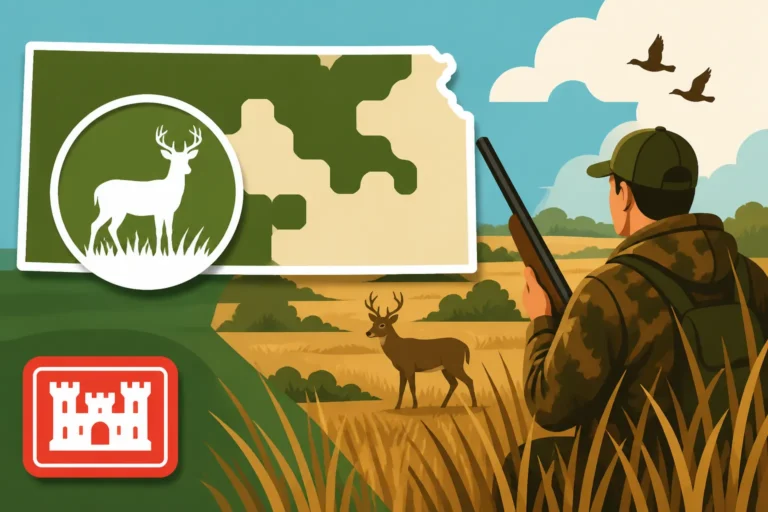
Just like in real estate, the geographical location of a lease within Kansas is perhaps the single biggest determinant of its per-acre cost. The state is incredibly diverse, offering vastly different hunting experiences from east to west, and these differences are reflected directly in lease prices.
Think about Eastern Kansas, particularly units that border Missouri or lie along major river systems like the Kansas or Marais des Cygnes Rivers. Here, you'll find more timber, dense river bottom habitat, and a long-standing reputation for producing exceptional whitetail deer. Leases in these areas, especially those with good timber blocks, established travel corridors, and proximity to productive crop fields, often command a higher per-acre price. Landowners know the value of their property for deer hunting, and demand often outweighs supply. In these zones, even smaller parcels can fetch a premium. For example, a prime 80-acre tract with mature timber and a creek in Unit 11 or 12 might cost significantly more per acre than a similar-sized piece further west, simply due to its consistent deer quality and habitat. Understanding Kansas Deer Units and What Each Holds can give you a leg up in recognizing these high-demand areas.
Contrast that with Western Kansas, where the landscape transitions into vast plains, rolling native grasslands, and massive agricultural operations. While still excellent for whitetails (and home to mule deer in the far west), the hunting here often focuses more on finding deer in shelterbelts, creek draws, and crop field edges. Upland bird hunting for pheasants and quail also becomes a major draw. Because these tracts can be much larger and the timber less prevalent, per-acre prices for deer hunting might be slightly lower on average compared to the timber-rich east, though quality pheasant and quail ground can still hold its value. However, finding a diverse property with good CRP, plum thickets, and some timbered draws for deer and birds could still be competitive. It's truly a different game out west, and Scouting Kansas River Bottoms and Creek Draws for those hidden gems becomes even more critical.
Game Species and Quality: What Are You Hunting For?
What you intend to hunt, and the perceived quality of that hunting, will also dramatically shift the per-acre cost. Let's be honest, many hunters dream of a trophy whitetail, and Kansas has earned its reputation for producing them. If a piece of ground consistently yields bucks with significant antler scores, or has been under quality deer management (QDM) for years, you can expect to pay a premium.
Leases marketed specifically for "trophy whitetail" or boasting a history of Boone & Crockett entries will always be at the higher end of the spectrum. Landowners often have trail camera history, harvest records, and anecdotal evidence to support their claims of big deer, and they'll price their land accordingly. They know hunters will pay for the potential of harvesting a buck of a lifetime. This is part of Why Kansas Grows Trophy Whitetails, and it's a huge selling point. These properties often have ideal habitat, limited hunting pressure, and excellent genetics.
On the other hand, if your primary goal is simply to fill the freezer with an antlerless deer or enjoy a mixed bag hunt for smaller game, a lease might be considerably less expensive. Upland bird leases, while still valuable, typically don't reach the same per-acre heights as prime whitetail ground unless they offer truly exceptional pheasant and quail numbers. A lease focused on turkey hunting, while certainly appealing, also tends to fall into a more moderate price range compared to trophy deer leases.
Habitat and Amenities: Beyond Just Acreage
Beyond location and game species, the specific features and improvements on a property heavily influence its perceived value and, therefore, its per-acre cost. A bare parcel of cropland might be cheaper than a similar-sized parcel with diverse habitat, even if the location is identical.
Prime hunting habitat is key. This includes a healthy mix of food sources (standing crops, food plots, mast trees), dense bedding cover (thick timber, CRP grass, cedar thickets), and reliable water sources. A lease with existing, well-maintained food plots or the potential to easily establish them can add significant value. Knowing about Food Plots on Leased Kansas Ground can help you understand this value. Furthermore, natural travel corridors like creek bottoms, pinch points, and fence lines are invaluable. If a property boasts these features naturally, it will likely be priced higher.
Amenities can also bump up the cost. Does the lease come with established treestands or ground blinds that are ready to hunt? Is there a primitive cabin or even a full lodge available for use during your hunting dates? While not always factored into a strict "per-acre" calculation, these additional perks mean you're getting more than just land, and the landowner will include that in the overall price. Easy, all-weather access, good internal road systems, and clear boundaries can also add to the appeal and justify a higher price.
Deciphering the Per-Acre Price: What Does it Really Mean?
When you hear about hunting lease costs, it's almost always discussed in terms of "dollars per acre." But what does that figure truly represent, and how can you break it down to understand the actual value you're getting for your investment? It's not always as straightforward as it seems.
The Acreage Factor: Small vs. Large Tracts
The total acreage of a lease certainly impacts the overall cost, but it can also skew the per-acre price in unexpected ways. Sometimes, smaller, intensely managed tracts of land can actually command a higher per-acre price than massive, sprawling properties.
Consider a small, 40-acre timber block that acts as a major bedding area or a critical travel corridor between two large crop fields. If this small parcel consistently produces mature bucks due to its strategic location and lack of pressure, a landowner might price it at a premium per acre. Hunters are willing to pay more for quality, concentrated hunting on limited acreage if it consistently delivers. These smaller parcels might be easier for a single hunter or a small group to manage and hunt effectively, leading to higher demand and thus higher per-acre costs.
Conversely, a lease for several hundred acres of predominantly crop ground with scattered draws might have a lower per-acre price. While the total cost might be higher, the sheer volume of ground spreads that cost out. These larger tracts often require more effort to scout and hunt effectively, and may not have the same "trophy potential" on every single acre. It's a trade-off: more ground to roam for a lower per-acre rate, or a smaller, more intense, higher-per-acre quality parcel. Understanding the lay of the land, especially through tools like onX Hunt to visualize property lines, topo, and aerials, becomes crucial when evaluating properties of varying sizes. This digital mapping can quickly show you how a smaller piece of ground might be disproportionately valuable.
Lease Structure and Duration: Annual, Seasonal, or Day Lease?
The length and structure of your lease agreement will also fundamentally alter the "per-acre" cost calculation, even if the underlying land value is similar.
Most common are annual leases, which give you access for an entire year, typically from spring through the end of the various hunting seasons. These leases often provide the most value per acre because you have consistent access for scouting, shed hunting, early season, rut, and late season. This continuous access allows for long-term strategies and habitat improvements. An annual lease means you're investing in the potential of the property throughout the year, spreading the cost over all seasons, which often results in a lower effective per-acre price compared to shorter terms.
Seasonal leases, focusing on a specific season like archery deer or upland bird season, will generally have a higher effective per-acre cost because the access period is shorter. You're paying for a concentrated period of prime hunting opportunity. For instance, a landowner might charge a higher per-acre rate for a three-month rut-period deer lease than they would if you leased the same ground for the entire year.
Day leases or weekend leases are typically the most expensive on a per-acre basis, though the overall cost is much lower since you're only paying for a few days. These are often offered for specific game types, like guided pheasant hunts or limited-access deer stands. While they don't typically fall into the "per-acre cost" discussion as directly as annual leases, it's worth noting they provide short-term access at a premium rate. When looking for annual leases, be sure to understand what is included in the Lease Agreements and Liability to protect yourself and the landowner.
Inclusions and Exclusions: What's Covered in the Price?
It's critical to understand what exactly your per-acre price covers – and more importantly, what it doesn't. A cheap per-acre rate might look appealing on paper, but if you're responsible for everything from cutting trails to providing your own lodging, the true cost can quickly escalate.
A basic lease typically grants you hunting rights for specific game species on the designated acreage for a set period. It usually means you have exclusive access, preventing other hunters (outside the landowner and their immediate family/guests) from using that ground. This exclusivity is a major draw for most hunters and is a significant part of the per-acre value.
However, many leases exclude certain things. You might be responsible for providing and maintaining all your own treestands and blinds, including adhering to any rules about screw-in steps or permanent structures. Utilities, if a cabin is provided, might be extra. Habitat improvements, such as planting food plots or hinge-cutting timber, often require explicit permission from the landowner and may incur additional costs or labor on your part. Some leases might even limit the number of hunters or the total deer harvested, which can impact your overall value perception. Always clarify if the lease includes access for scouting, shed hunting, or bringing guests. Sometimes, these small details can significantly affect the overall hunting experience and value.
Budgeting for Your Kansas Hunting Lease
Diving into the world of Kansas hunting leases requires more than just a desire to find a spot; it demands a realistic financial plan. Understanding the potential costs, both explicit and implicit, is crucial for making an informed decision and avoiding any unwelcome surprises down the road.
Average Price Ranges by Game Type and Region
While it's notoriously difficult to give exact figures due to the constantly fluctuating market and unique property specifics, we can certainly outline some general per-acre price ranges for Kansas hunting leases. These ranges are highly dependent on the factors we've already discussed: location, game quality, and habitat.
| Factor | Eastern Kansas Whitetail (Prime Timber/River Bottom) | Central Kansas Whitetail/Upland (Mixed Crop/Draws) | Western Kansas Whitetail/Mule Deer/Upland (Plains/Crop) |
|---|---|---|---|
| Typical Range Per Acre | $25 – $75+ | $15 – $45 | $10 – $35 |
| High End (Exceptional) | $75 – $150 (small, highly managed tracts) | $45 – $60 (prime QDM properties) | $35 – $50 (diverse game & habitat) |
| Common Acreage Size | 40-200 acres | 80-500 acres | 160-1000+ acres |
Please remember these are general estimates and actual prices can vary wildly based on specific lease details, demand, and landowner preferences. Always confirm current rates directly with potential lessors.
A small, high-quality, turn-key whitetail lease in a proven trophy unit like 10 or 11 in Eastern Kansas might easily fetch $75 per acre, sometimes significantly more for smaller, intensively managed parcels. In contrast, a large tract of mixed crop and CRP ground in a central unit like 6 or 7, which offers good general deer hunting and some upland bird potential, might hover around $20-$30 per acre. Head further west into units like 1 or 2, and while deer are present, the focus shifts, and per-acre rates could drop to $10-$20, unless it's a prime parcel with excellent mule deer potential or exceptional pheasant habitat. Researching resources like GoHunt can provide deeper insights into historical draw odds and unit quality, indirectly informing your valuation of a lease.
Hidden Costs and Unexpected Expenses
The per-acre lease fee is just one part of the financial puzzle. Many hunters, especially those new to leasing, overlook the array of "hidden" costs that can quickly add up and blow a carefully constructed budget.
One of the most significant hidden costs is liability insurance. Many landowners will require you to carry liability insurance to protect them (and you) in case of an accident on the property. This can be a separate policy you purchase annually, or sometimes it's covered by a hunting club or organization you join. Another big one is travel. If your lease is a few hours from home, the fuel costs for scouting trips, stand hanging, and multiple hunting trips throughout the season can be substantial. Don't forget lodging if the lease doesn't include it; even budget motels add up over several weekends.
Then there are costs associated with habitat improvements. If you plan to plant food plots, you'll need to factor in the cost of seed, fertilizer, fuel for equipment, and potentially renting equipment if you don't own it. Trail cameras, batteries, and SD cards are ongoing expenses for monitoring the property. Even general maintenance, like clearing shooting lanes or hanging new stands, requires equipment and time. Finally, don't forget the cost of your actual hunting license and permits, which are separate from the lease itself. Taking into account the full scope of expenses, from gasoline to Kansas Hunting Licence and Permit Costs, is vital for a realistic budget.
Finding Reputable Lease Opportunities
Securing a good hunting lease in Kansas often feels like finding a needle in a haystack, but with the right approach and tools, it's certainly achievable. The key is knowing where to look and how to evaluate opportunities.
One of the most traditional and often effective ways is through networking and word-of-mouth. Talk to other hunters, local businesses in rural communities, and agricultural suppliers. Landowners often prefer to lease to someone they know or someone recommended by a trusted source. Sometimes simply driving through a desired area and looking for "for lease" signs, or even knocking on doors (respectfully, during appropriate hours), can yield results. Prepare a brief introduction about yourself and your hunting ethics.
Online platforms and specialized services have also become invaluable. Websites dedicated to hunting leases (both national and regional Kansas-specific) can connect you with landowners. Additionally, powerful mapping tools like onX Hunt can be revolutionary. You can scout potential areas from your living room, identifying likely habitat, public access points, and even identifying landowner names in some cases. This allows you to target your inquiries much more efficiently. Finding a Kansas Landowner to Lease From is a process that requires patience and good communication.
When evaluating potential leases, always ask for references from previous lessees if possible. Be prepared with a list of questions about hunting pressure, game sightings, and any restrictions. A formal, written Lease Agreements and Liability is non-negotiable. This protects both you and the landowner, clearly outlining terms, dates, species, and payment schedules. A reputable landowner will appreciate your professionalism and thoroughness.
Maximizing Value from Your Leased Ground
Once you've secured a hunting lease in Kansas, the real work—and fun—begins. It's not just about paying the per-acre fee; it's about actively managing, improving, and strategically hunting that property to get the absolute most out of your investment.
Habitat Improvement and Management on Leased Land
One of the greatest advantages of a private lease over public land is the ability to influence the habitat, often leading to better hunting over time. However, any habitat work on leased land must be done with the explicit, written permission of the landowner. Never assume anything!
If approved, simple habitat improvements can make a world of difference. Food plots are a classic example. Strategically placed plots of clover, brassicas, or standing beans can draw deer and other game, providing consistent food sources and creating natural ambush points. Even small plots can have a huge impact. This is where Food Plots on Leased Kansas Ground comes into play. Another excellent strategy involves improving bedding cover. In areas with sparse timber, hinge-cutting trees can create dense, low-level cover that deer will readily use. This not only provides bedding but also makes deer feel safer on the property, encouraging them to stay.
Creating or enhancing water sources can also be beneficial, especially in drier western Kansas. A small pond or even a well-maintained watering hole can become a magnet for deer, especially during early archery season or in drought conditions. Think about the overall health of the property and how you can enhance it to hold game more consistently. These efforts not only benefit your hunting but also demonstrate your commitment to responsible land stewardship, often strengthening your relationship with the landowner.
Effective Communication with Landowners
The relationship with your landowner is arguably as important as the quality of the land itself. Clear, consistent, and respectful communication is the bedrock of a successful, long-term lease. Don't underestimate this.
From the very beginning, establish clear expectations for both parties. Discuss what areas are off-limits, what activities are permitted (e.g., shed hunting, ATV use, bringing guests), and how many hunters will be allowed on the property. If you plan any habitat work, always get written permission and agree on the scope and methods beforehand. Regular check-ins, even a simple text message to let them know you'll be on the property, can go a long way. This prevents misunderstandings and builds trust.
Being a good steward of the land is also part of communication. Report any issues you notice, like fence damage, trespassing (adhering to Kansas Trespass Law and Posted Land), or unusual game activity. Leave the property cleaner than you found it, respect their crops and livestock, and always close gates. A landowner who trusts you and enjoys having you around is more likely to renew your lease and potentially offer additional opportunities down the line. A strong relationship can also provide flexibility, such as permission for Managing a Lease for Better Bucks through specific harvest strategies.
Scouting and Strategy on Leased Properties
Even with a great lease, success hinges on smart scouting and thoughtful hunting strategies. Don't just show up on opening day; truly learn your leased ground. This is where modern tools and classic woodsmanship combine.
Start with in-depth e-scouting. Utilize aerial imagery and topographic maps from services like onX Hunt to identify potential bedding areas, food sources, funnels, and access routes. Mark every possible stand location, pinch point, and buck sign you see. Reading Aerial Imagery for Bedding Cover can help you pinpoint areas where deer might feel secure. Once on the ground, verify what you saw from the air. Look for rubs, scrapes, tracks, and trails. Pay attention to wind direction and thermals, and how they might affect various stand locations.
Develop a detailed hunting strategy for different wind conditions and times of the season. Where will you hunt during the early season over food? What stands will be best during When the Kansas Rut Peaks? And which spots offer the best chance during the cold, late season? Consider different tactics, whether it's rattling and grunting or using a decoy. Tools like onX Hunt allow you to drop pins for observations, create custom maps for stand placements, and track your movements, leaving no detail to chance. You can even use the app to check in on certain iWIHA tracts (though your lease is private, the concept of checking in for pressure monitoring is similar). Using the Kansas Hunting Atlas Online can also provide broader context about the surrounding area and potential pressure points. Ultimately, success on your leased land comes from combining thorough scouting with adaptable Kansas Whitetail Hunting Tactics Through the Rut.
Disclaimer
This article is for general informational purposes only and does not constitute professional advice. Laws, prices and regulations vary by location and change over time. Consult a qualified professional for guidance on your specific situation.