Ground Blinds in Open Country
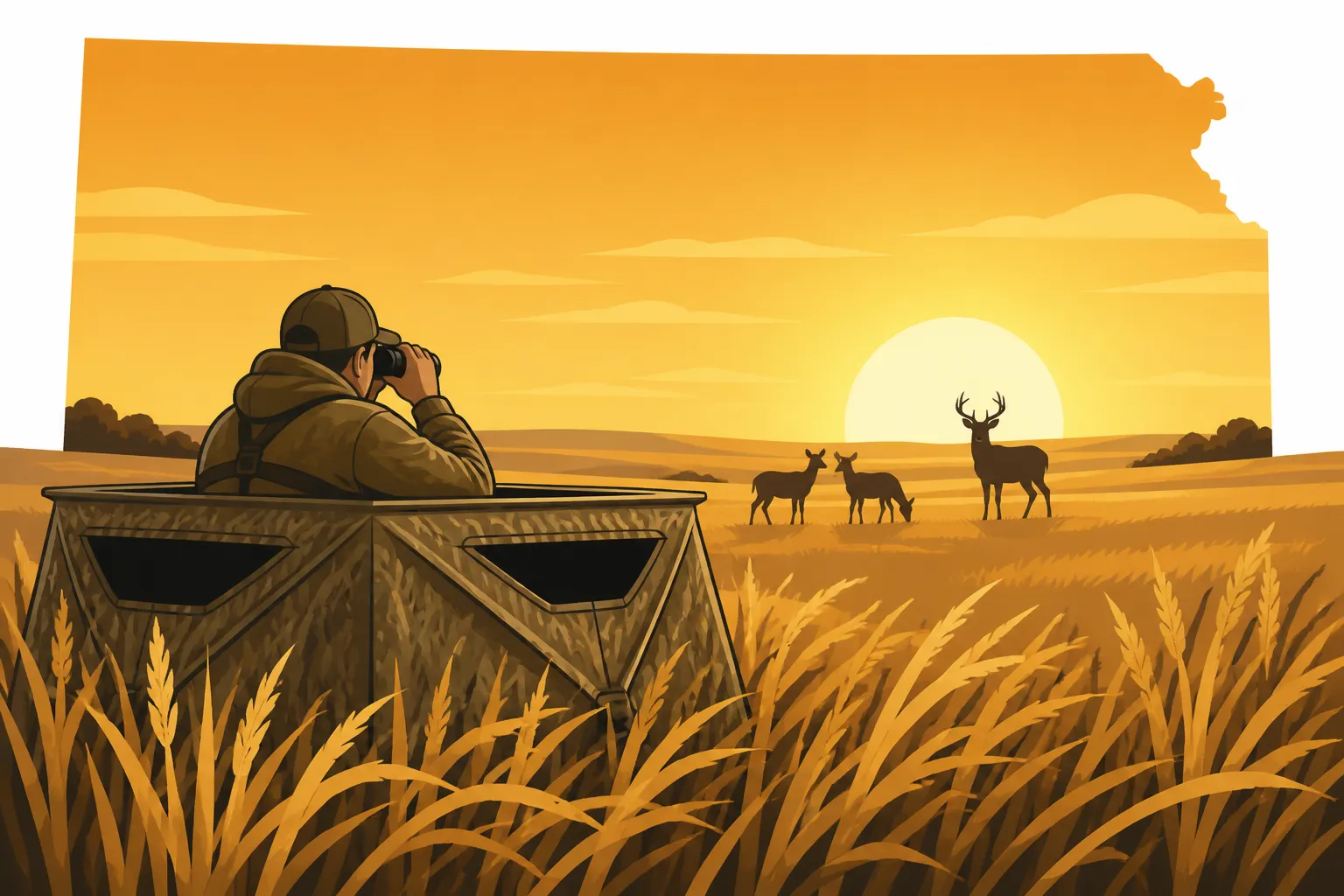
Hunting the vast, open landscapes of Kansas can feel like trying to hide a battleship in a bathtub. You've scouted the perfect field edge, found a promising creek crossing, or identified a hot food source, but then the reality hits: there's barely a sapling, let alone a mature tree, to hang a stand from. This guide is all about tackling that exact frustration by showing you how to effectively utilize ground blinds to become a hidden predator in even the most exposed Kansas terrain, ensuring you're ready when that trophy steps out.
Why Ground Blinds Shine in Open Kansas Landscapes
Kansas is a state of breathtaking horizons and endless fields, a beautiful but challenging backdrop for any hunter trying to remain undetected. The unique characteristics of this open terrain make traditional concealment difficult, often leaving hunters feeling exposed and vulnerable. This is precisely where the humble ground blind steps in as an indispensable tool, offering both concealment and versatility.
The Challenge of Sparse Cover
If you’ve spent any time scouting or hunting in Kansas, you know the struggle is real. East of the Flint Hills, you might find some decent timber along river bottoms or larger creek draws, but much of the state, especially the central and western portions, is dominated by agricultural fields, expansive CRP (Conservation Reserve Program) grasslands, and shelterbelts that often feel more like a sparse line of trees than true cover. Trying to find a tree sturdy enough, let alone strategically placed enough, for a treestand can be a futile exercise. And even if you do find one, it might be a lone sentinel in a sea of open ground, making your approach and climb utterly conspicuous.
The lack of natural concealment means deer, especially mature bucks, have incredibly keen eyesight and are constantly on alert. They're not used to seeing vertical objects that weren't there yesterday. This makes blending into their environment paramount. A well-placed and properly brushed-in ground blind solves this problem by providing immediate, portable, and adaptable cover that can be deployed exactly where the deer are, rather than where the limited trees happen to be. It’s about bringing the cover to the deer, not forcing your hunt into suboptimal spots due to a lack of natural hides.
Versatility in Different Scenarios
The beauty of a ground blind in Kansas isn't just about deer hunting; it's about its sheer adaptability. While we often think of them for whitetails, they are incredibly effective for a wide range of hunting scenarios across the state. For instance, turkey hunters often rely on blinds, especially during the spring season when gobblers are visible from a long way off in open fields. A blind allows you to set up decoys, call, and wait for that strutting tom without him ever spotting your movement.
Beyond big game and turkeys, ground blinds can be surprisingly useful for coyote hunting, offering a sheltered spot to call from while breaking up your silhouette against the vast prairie backdrop. Some waterfowl hunters even adapt larger pop-up blinds or specialized panel blinds for field hunting geese and ducks, providing quick concealment in cut stubble fields. This versatility means that investing in a good ground blind isn't just for one species or one season; it becomes a multi-tool in your Kansas hunting arsenal. Whether you’re drawing a bow during the early archery season, glassing for deer during muzzleloader season, or waiting out a cold front with a rifle, a ground blind offers a consistent, reliable form of concealment that adapts to various methods and species.
Choosing the Right Ground Blind for Wide-Open Spaces
Selecting the right ground blind for the expansive vistas of Kansas is about more than just picking a cool camo pattern. It’s a strategic decision that needs to account for the unique demands of the environment, from relentless winds to scorching sun and vigilant game. The features, size, and even the type of blind you choose can dramatically impact your success.
Key Features for Open Country Success
When you're literally putting a box in a field, every detail matters. Here are the features you should prioritize:
- Camo Pattern: This might seem obvious, but not all camo is created equal for Kansas. You want patterns that mimic the dominant vegetation of your hunting area. If you're hunting corn stubble fields, a pattern with vertical stalks and shades of tan and brown will disappear far better than a dense hardwood pattern. For CRP or tall grass, something with more abstract, horizontal lines and a mix of greens and browns will work wonders. Some blinds, like those from Primos or Barronett, offer patterns specifically designed for open country and agricultural settings. Don't be afraid to think outside the box; sometimes a solid, drab olive or tan blind can be easier to brush in and blend with the native earth tones than a complex, dark pattern.
- Durability and Weather Resistance: Kansas weather is not for the faint of heart, or flimsy gear. The notorious Kansas winds can turn a cheap blind into a crumpled mess in a single gust. Look for blinds with robust hub systems (the mechanism that holds the poles), thick fiberglass poles, and heavy-duty fabric. Brands like GoHunt often feature equipment reviews that highlight durability, which is paramount here. The fabric should be water-resistant (a DWR coating is a bonus) and UV-treated to prevent fading and material breakdown from prolonged sun exposure. Reinforced corners and stout tie-down straps are critical to keep your blind from taking flight during a strong storm.
- Window Configuration: This is crucial for both visibility and shooting. You want enough windows to give you a good field of view, but not so many that you feel exposed. Silent window operation is non-negotiable – Velcro is a loud deer alarm. Look for blinds with zippered or magnetic window closures. Shoot-through mesh is a personal preference; some hunters love the added concealment for bowhunting, while others prefer to shoot through an open window for maximum clarity. If you opt for mesh, ensure it's a good quality, fine mesh that won't impede arrow flight or distort your rifle scope's view. A blind with various window sizes and orientations allows you to adapt to different scenarios and shooting angles.
- Size and Height: Consider your hunting party and gear. If you hunt solo with a bow, you'll need enough room for your bow draw, a chair, and a backpack. If you're bringing a kid or hunting with a friend, a larger blind is a must. The height is also important for bowhunters; ensure there's enough clearance at the top of the window to draw your bow smoothly without hitting the roof. Standard hub-style blinds usually offer plenty of room, but always check the dimensions, especially the shooting width and height.
Types of Blinds and Their Applications
The market offers several types of ground blinds, each with its own advantages for open-country hunting:
- Pop-up Hub Blinds: These are the most popular and versatile. They deploy quickly (hence "pop-up") thanks to their hub design, offering full enclosure and decent protection from the elements. They are excellent for mobile hunting if you're willing to set up and tear down daily, but also robust enough to be left out for a few days, especially when properly anchored and brushed in. Their internal frame provides structure, making them relatively wind-resistant. Most deer and turkey hunters gravitate towards these.
- Panel Blinds/Screen Blinds: These are more minimalist. They consist of several panels that link together to form a wall or partial enclosure. They are lighter and more portable than full hub blinds, making them ideal for run-and-gun turkey hunting or quick concealment in transition areas. However, they offer less concealment from all angles, limited weather protection, and require more natural backdrop to truly disappear. They are not ideal for prolonged, stationary deer hunting in wide-open fields where concealment from all directions is critical.
- Chair Blinds: These combine a chair with an attached blind system, usually a small pop-up enclosure. They are incredibly convenient for quick, comfortable sits, especially for turkey or dove hunting where you might set up for a few hours. They are highly portable but typically offer limited space and reduced visibility compared to full hub blinds. They're not usually the go-to for serious deer hunting due to their smaller footprint and often less robust design.
Strategic Placement and Setup for Maximum Effectiveness
Putting a ground blind out in open country isn't like hanging a treestand in dense timber; you can't just slap it anywhere and expect deer not to notice. Strategic placement and a thoughtful setup are paramount to success, especially when you're literally introducing a foreign object into an otherwise natural landscape.
Reading the Landscape for Optimal Locations
The first rule of ground blind placement in Kansas is to let the deer tell you where to put it. You need to be a student of the landscape and deer behavior. Start by identifying natural travel corridors. Even in flat farm country, deer will use subtle elevation changes, drainage ditches, the edges of crop fields, or "Fence Crossings Deer Use Every Day". They love to skirt the edges of cover, so the transition line between a standing crop and a cut field, or between a CRP field and a shelterbelt, is often a prime candidate.
Pinch points are also gold mines. These are areas where the landscape funnels deer movement into a smaller, more concentrated area. This could be a narrow strip of timber connecting two larger woodlots, a bend in a creek, or even a gap in a long fence line. Using scouting tools like satellite imagery (many hunters use apps like onX or even Google Earth) can help you identify these spots before you even step foot on the property. Look for signs on the ground like heavily used trails, fresh droppings, and rubs or scrapes. For specific tactical insights, consider "Hunting Inside Corners of Crop Fields" or focusing on "Terrain Funnels That Work Without Hills" that naturally direct deer movement.
When you've identified a promising spot, consider the visibility. Can deer see the blind from a distance? If so, you'll need to work harder on brushing it in (more on that later). Ideally, you want to tuck the blind into existing cover, even if it's just a taller patch of grass or some plum thickets, to break up its outline from the get-go. Setting up your blind before the season starts, even weeks in advance if possible, allows deer to become accustomed to its presence, making them less wary. This "ghosting" period is incredibly effective.
Orientation and Wind Considerations
Wind direction is king in Kansas hunting, and it's doubly important with a ground blind. You need to position your blind so that the prevailing wind carries your scent away from where you expect deer to approach and travel. This means if you expect deer to come from the north, and the wind is typically from the west, you'd position your blind on the eastern side of their travel path, facing west, so your scent blows to the east, away from their approach. Always have a plan for varying wind directions, as Kansas winds are notoriously fickle. Sometimes, having a blind that allows shooting from multiple sides is beneficial, or even having a backup location scouted for different wind scenarios.
Consider the sun angle as well. For morning hunts, you want the sun at your back so deer aren't silhouetted by the rising sun, and you're not staring into a blinding glare. The opposite is true for evening hunts. While you can't always control these factors perfectly, being mindful of them can save you from missed opportunities or eye strain.
Finally, anchoring your blind properly is critical. Kansas winds will test the strongest blinds. Use heavy-duty stakes and guy ropes, ensuring all tie-down points are utilized. Many blinds come with flimsy stakes; invest in some better, heavy-duty rebar or screw-in stakes. You can also place heavy rocks or sandbags inside the blind's corners for added stability. Failing to do so can result in your blind blowing over, or worse, blowing away entirely, becoming a non-biodegradable tumbleweed.
Brushing In and Scent Control for Ground Blinds
You've picked the perfect spot and oriented your blind like a seasoned meteorologist. Now comes the critical step that separates an obvious "man-made object" from a natural part of the landscape: brushing it in. Simultaneously, managing your scent is non-negotiable, particularly when you're at ground level.
Making Your Blind Disappear
A bare, factory-fresh ground blind, no matter how good its camo pattern, sticks out like a sore thumb in open country. Deer are incredibly observant, and they'll notice anything new or out of place. This is why "brushing in" is arguably the most vital step after placement. The goal is to break up the blind's hard lines and silhouette, making it blend seamlessly with its surroundings. This is more than just throwing a few twigs on it; it's an art form.
Start by gathering local vegetation. If you're hunting in corn stubble, cut down some corn stalks from around the blind and lean them against it. If you're near a cedar thicket, strategically place cedar branches. In CRP grass, pile up dead grass. The key is to use natural materials that already exist in the immediate area. Think about creating layers: start with larger branches or stalks to hide the blind's frame, then fill in with smaller, denser material. Don't cover the windows you plan to shoot out of, but definitely cover the top edges and corners of the blind. Referencing "Ground Blind Brushing In" will give you more tactical details. The more it looks like a natural brush pile or overgrown fence line, the better.
Remember, this isn't a one-and-done job. Winds, rain, and time will cause your brushing material to degrade or blow away. Check on your blind periodically and refresh the cover as needed. For long-term setups, consider using zip ties or string to secure the brushing material, especially if you're leaving it out for weeks before the season. The difference between a well-brushed blind and a poorly brushed one is often the difference between a shot opportunity and deer blowing at you from 100 yards away.
Minimizing Human Odor
Even if your blind looks like a natural part of the landscape, your scent can give you away in an instant, especially at ground level where thermals can play tricks. Scent control is an ongoing battle, and it starts long before you ever get to your blind.
- Cleanliness is Key: Wash your hunting clothes in scent-free detergent. Store them in scent-proof bags or containers. Shower with scent-free soap before your hunt.
- Rubber Boots: Always wear rubber boots to and from your blind to avoid tracking human scent into your hunting area. Walk a circuitous route to your blind if possible, avoiding main deer trails.
- Gear Management: All your gear – backpack, bow, rifle, calls – should be as scent-free as possible. Spray them down with a scent eliminator or air them out regularly.
- Air it Out: Blind fabric can absorb and hold human odors over time. If possible, set up your blind and leave the windows open for a few days to air it out before your hunt, especially if it's new.
- Ozone (Use with Caution): Some hunters use ozone generators, typically in their gear locker or vehicle, to remove scent from clothing. If used in the field, they should be placed outside the blind and used according to manufacturer instructions. However, be aware of scientific debates around their effectiveness and potential health impacts.
While a blind offers a physical barrier, it's not airtight, and air currents will carry your scent. Always remember the wind direction and set up accordingly. Even with the best scent control, a sudden wind shift or swirling thermals in a creek bottom can betray your presence. It's a layer of defense, not a foolproof shield.
Hunting from a Ground Blind in Various Kansas Seasons
Kansas offers diverse hunting seasons, and the adaptability of ground blinds makes them effective tools throughout the year. From the sweltering heat of early archery to the frigid winds of late December, a ground blind can provide critical advantages when tailored to the specific challenges of each season.
Early Season Bowhunting
When Kansas opens for archery deer season in September, hunters face unique challenges: high temperatures, active insects, and deer still on relatively predictable summer patterns. Ground blinds are excellent for "Early-Season Bowhunting Over Water" or along lush alfalfa and soybean fields, which are primary food sources.
- Heat Management: Early season can see temperatures soaring into the 80s and 90s. Blinds, especially those with dark interiors, can become ovens. To combat this, choose blinds with ample ventilation options. Position your blind to catch any breeze, and consider lighter-colored blinds or those designed to reflect heat. Hydration is critical.
- Food Source Focus: Deer are still very food-driven in early season. Setting your blind along the edge of a standing crop field, particularly one with a fresh edge, can be highly effective. They'll often stage in thicker cover nearby before stepping out into the open to feed in the last hour of daylight.
- Insect Protection: Ground blinds offer a welcome refuge from mosquitoes, ticks, and gnats. Ensure your windows have tight mesh screens. A ThermaCell can be a lifesaver inside the blind, especially during those quiet, warm evenings.
The Kansas Rut and Firearm Season
Late October and November bring the magic of the Kansas rut, followed by the hustle and bustle of firearm season in December. Ground blinds are invaluable during these high-activity periods.
- Rut Strategy: During the pre-rut and peak rut (often around the first week of November in Kansas), bucks are on the move, actively seeking does. Position your blind in known travel corridors, funnel points, or near active scrape lines and bedding areas. A ground blind allows you to sit for extended periods, remaining concealed while watching for cruising bucks. It also provides an ideal platform for rattling and grunting, as you can make noise and movement inside without being easily detected. Consider setting up near "Creek Crossings Worth Hanging a Stand On" as bucks often check these areas for doe scent.
- Firearm Season Comfort: The December firearm season in Kansas can be notoriously cold and windy. A ground blind provides a welcome sanctuary from the elements, allowing you to stay warm and alert for longer periods. This is particularly useful when hunting open fields or small timber blocks where prolonged exposure would be miserable. Blinds are also excellent for scenarios like "Firearm Season Drives on Small Timber," offering a concealed shooting position for standers. Just remember to wear hunter orange, ensuring it's visible while still allowing for a shot.
Late Season Food Source Hunting
As winter sets in, deer become entirely focused on caloric intake. Late season in Kansas, especially January, means deer will be concentrated on the best available food sources.
- Standing Crops are Key: Nothing beats a blind strategically placed in or along a standing corn or milo field during late season. These fields offer both food and thermal cover. "Standing Corn Late in the Season" can hold deer for days, and a blind inside offers incredible close-range opportunities. Similarly, understanding "Milo and Corn Stubble Deer Patterns" is crucial for successful late-season setups.
- Warmth is Essential: The comfort provided by a blind becomes critical in freezing temperatures. You can use a portable heater inside (with proper ventilation and safety precautions) to stay warm, extending your hunt time and increasing your chances of success.
- Post-Front Movement: Deer often move heavily in the days following a cold front. Being warm and comfortable in a blind means you can capitalize on these movements, while other hunters might be packing it in due to the bitter cold.
Potential Drawbacks and How to Overcome Them
While ground blinds are incredibly effective, they aren't without their quirks and challenges. Being aware of these potential drawbacks and knowing how to mitigate them will save you frustration and increase your overall success in the open Kansas landscape.
Limited Visibility and Shot Opportunities
One of the most common complaints about ground blinds is the feeling of "tunnel vision." Unlike an elevated treestand, which provides a panoramic view, a ground blind restricts your sightlines to the windows you have open. This can lead to deer appearing unexpectedly, or you might miss a shot opportunity because a deer is just out of your narrow field of view.
- Scouting and Window Selection: Overcome this by meticulously scouting your area. Understand common deer approaches and escape routes. When setting up, choose a blind with versatile window configurations. Open windows that cover your primary shooting lanes, and perhaps have smaller peep windows for peripheral vision. Practice silently opening and closing different windows.
- Practicing from the Blind: Sit in your blind at home and practice drawing your bow or shouldering your rifle. Get accustomed to the confined space and the limited angles. You might find you need to adjust your chair height or position. This practice ensures you can react quickly and fluidly when a deer presents itself, minimizing movement that could spook them.
- Strategic Placement: Place your blind where you anticipate deer will naturally travel through a defined lane or open area. Avoid spots with dense vegetation directly in front of your primary shooting windows, unless it's for concealment of your blind, and you have a clear shooting lane through it.
Wind and Blind Stability
The fierce winds of Kansas are notorious, and they can wreak havoc on an improperly secured ground blind. A flapping, rattling blind is a huge red flag to deer, and a blind that blows over or away is not only lost opportunity but also a potential hazard.
- Superior Anchoring: Never rely solely on the lightweight stakes that come with most blinds. Invest in heavy-duty screw-in stakes, rebar, or sandbags to secure all tie-down points. If your blind has a skirt, pile dirt or rocks on it to prevent wind from getting underneath and lifting it. Some hunters even run heavy ropes over the top of the blind, anchoring them on both sides like a tent fly.
- Blind Quality: Choose blinds designed with strong hub systems and durable, taut fabric. Some premium brands offer blinds specifically reinforced for high winds. A well-built blind, even with some wind, will be less prone to flapping and noise.
- Location Choice: If possible, try to tuck your blind into a slight depression, against a thicker fence line, or behind any natural windbreak, even if it's just a taller section of CRP. Every little bit helps to reduce direct wind force.
Public Land Considerations
Hunting public land in Kansas, especially Walk-In Hunting Access (WIHA) tracts, comes with its own set of rules and ethical considerations when using ground blinds. Many hunters overlook these, leading to potential issues with other hunters or even violations.
- Regulations on Overnight Storage: Always check the specific regulations for the public land you're hunting. Most Kansas public lands, including WIHA, have rules about leaving stands or blinds overnight. Many prohibit it, or limit the duration. Know if "Overnight Stand Storage on Public Ground" is allowed, and if so, for how long. Failure to comply can result in fines or confiscation of your blind.
- Theft and Damage: Unfortunately, theft and vandalism are risks on public land. If you leave a blind out, especially overnight, it's vulnerable. Consider using a heavy-duty cable lock to secure it to a fence post or a large, immovable object if regulations allow. Clearly mark your blind with your name and contact information.
- Impact on Other Hunters: Even if legal, leaving a blind out can impact other hunters. It effectively "claims" a spot, which might be frustrating in high-pressure areas. Be mindful of "Hunting Pressure Patterns on Kansas Public Land" and try to be considerate.
- Leave No Trace: Always adhere to the principle of "Leaving No Trace on Walk-In Ground". When you're done with your hunt, pack out everything you brought in, including any brushing material you cut (or scatter it so it naturally decomposes). Don't leave any trash or broken blind parts. The goal is for the next hunter to find the area as pristine as you did.
Navigating these challenges requires foresight, preparation, and adherence to regulations, but with a little extra effort, a ground blind can remain your most valuable asset in the open country of Kansas.
Navigating the Legalities: Kansas Ground Blind Regulations
Understanding the specific rules and regulations surrounding ground blinds in Kansas is just as important as knowing how to set them up. Ignorance of the law is no excuse, and breaking these rules can lead to fines, loss of equipment, and even loss of hunting privileges. The Kansas Department of Wildlife and Parks (KDWP) sets clear guidelines, and they can vary depending on the type of land you're hunting.
General KDWP Regulations for Blinds
The KDWP regulations for hunting blinds are designed to ensure fair chase, prevent littering, and manage public resources responsibly. These rules are generally found in the annual Kansas Hunting & Trapping Regulations Summary, which you should always consult before heading afield.
- Identification Requirements: Any tree stand or ground blind left unattended on public lands, including State Wildlife Areas, State Fishing Lakes, and WIHA tracts, must be visibly marked with your name and address or KDWP number. This allows authorities to identify the owner and enforce rules regarding duration of placement and ownership.
- Placement Duration: On most public lands, there are restrictions on how long a blind can be left in place. For instance, blinds typically cannot be left permanently. Many areas stipulate that blinds must be removed within a certain period after the season closes, or even removed daily. It's crucial to know the specific timeframes for the area you are hunting. For example, some WIHA tracts require daily removal, while others might allow a blind to be left for the entire season if properly marked. Always double-check the KDWP Hunting Atlas for specific area rules.
- Construction Materials: The use of materials like nails, screws, bolts, or any other items that damage trees is generally prohibited on public land. This means screw-in steps or permanent blind anchors that could harm trees are out. Pop-up blinds secured with straps or ropes are typically fine.
Specific Rules for WIHA and State Lands
Kansas's Walk-In Hunting Access (WIHA) program and various State Wildlife Areas (SWAs) have specific rules that often go beyond the general statewide regulations. These are put in place to manage hunter pressure and maintain the quality of the hunting experience on these vital public resources.
- WIHA Tracts: Many WIHA tracts have very specific rules regarding ground blinds. While some allow blinds to be left for the entire season (if properly marked), others, particularly the iWIHA (internet WIHA) tracts with daily check-in limits, might require daily removal. The specific rules for each WIHA tract are usually indicated on the KDWP Hunting Atlas or on signage at the access point. Ignoring these can lead to fines and frustration. It's especially important to remember that these are private lands enrolled in a public access program; landowners have entrusted the KDWP to manage them responsibly, and rule adherence is key to keeping the program viable.
- State Wildlife Areas (SWAs): SWAs often have their own specific regulations listed at kiosk entrances or on the KDWP website for that particular area. Some SWAs might have designated areas where blinds are allowed or prohibited, or they might have different time limits for unattended blinds compared to WIHA. For example, a wildlife area managed primarily for waterfowl might have different blind rules than one managed for deer. Always check the specific area rules, as they can sometimes be more restrictive than general state law.
- No Permanent Structures: On all public lands, the construction of permanent blinds is strictly forbidden. This means you cannot build a wooden or metal blind that is intended to remain in place year after year. Only portable, temporary blinds are allowed, and these must be removed according to the rules.
The best way to stay informed and compliant is to download the current KDWP Hunting & Trapping Regulations Summary each year and review it thoroughly. Additionally, utilizing the KDWP Hunting Atlas (available online and through their app) is crucial, as it provides specific rules and boundaries for each public access area. Being a responsible hunter means not only understanding the game you pursue but also respecting the rules that govern its pursuit.
Disclaimer
Please remember that hunting regulations in Kansas can change. Always consult the most current Kansas Department of Wildlife and Parks (KDWP) regulations summary and specific area rules before heading afield. This guide is for informational purposes only and should not replace official KDWP publications or expert legal advice.