Byron Walker Wildlife Area
Finding quality public hunting land in Kansas can feel like an endless search, especially when you're trying to escape the crowds and find a truly productive spot. Many hunters get frustrated with overused areas or confusing regulations. This guide will take a deep dive into the Byron Walker Wildlife Area, offering a comprehensive look at its unique opportunities, how to navigate its terrain, and the best strategies to make your hunt successful and enjoyable.
Understanding Byron Walker Wildlife Area
The Byron Walker Wildlife Area, often associated with the larger Glen Elder State Park and Reservoir complex, is a gem for Kansas hunters. It's one of those spots that, if you take the time to learn it, can offer incredible experiences across multiple species. However, like any public ground, it demands a bit of homework and a respectful approach.
Location and Landscape
Nestled in north-central Kansas, primarily in Mitchell County, Byron Walker Wildlife Area stretches out along the Solomon River, just below the Glen Elder Reservoir dam. This unique geography is what makes the area so diverse and appealing. You'll find a fascinating mosaic of habitats here. There are extensive river bottom woodlands, dominated by cottonwood, hackberry, and elm, providing crucial cover and travel corridors for deer. As you move away from the river, the landscape transitions into upland areas featuring dense stands of native grasses, including restored CRP (Conservation Reserve Program) fields, mixed with plum thickets and cedar rows. These diverse habitat types are interwoven with agricultural fields, some managed by KDWP and others privately owned, creating critical food sources. This blend of timber, thick cover, and agricultural edges creates an ecological hotspot, supporting a robust population of game animals. The Solomon River itself is a lifeline, offering a consistent water source and creating natural funnels and bedding areas.
General Regulations and Access
Like all wildlife areas in Kansas, Byron Walker is managed by the Kansas Department of Wildlife and Parks (KDWP), and while general statewide hunting regulations apply, it's absolutely crucial to remember that specific area rules can and do exist. Before you ever set foot on the ground, always check the current KDWP hunting atlas or the dedicated Byron Walker Wildlife Area page on their website for any special restrictions, walk-in hunting only zones, or unique season dates. Access to the area is generally good, with numerous designated parking areas scattered throughout. Some areas might be restricted to foot traffic only, especially during certain times of the year, to minimize disturbance to wildlife or to protect sensitive habitat. Familiarize yourself with these rules; a quick check can save you a frustrating encounter with a game warden or, worse, a violation. The online Kansas Hunting Atlas is an invaluable tool for identifying parking, access points, and specific boundaries for the wildlife area, making sure you're always on solid ground.
Prime Hunting Opportunities at Byron Walker
Byron Walker Wildlife Area is truly a multi-species haven, offering fantastic opportunities for everything from big game to upland birds and waterfowl. This diversity means you can tailor your hunt to the season and your preference, often finding success without having to drive to multiple locations.
Deer Hunting Prospects
When it comes to deer, Byron Walker is primarily known for its whitetail population. The habitat here is a whitetail dream: dense river bottom timber for bedding and security, thick upland grass and brush for daytime loafing, and easy access to both natural browse and surrounding agricultural fields for food. Bucks can grow to impressive sizes here, benefiting from good nutrition and the protective cover that allows them to reach maturity. You’ll find that deer often use the river bends and fingers of timber as natural travel corridors, making these areas prime spots for stand placement. When scouting, pay close attention to creek draws that feed into the Solomon River; these often act as subtle funnels in otherwise flat country. Techniques like Scouting Kansas River Bottoms and Creek Draws can be particularly effective here, helping you pinpoint those hidden travel routes and bedding areas. Whether you're an archery hunter slipping through the timber in September, a muzzleloader enthusiast capitalizing on the early season, or a firearm hunter during the December season, the varied landscape offers options for every weapon choice. Remember that deer movement intensifies during the When the Kansas Rut Peaks, which usually falls in early to mid-November, making those weeks particularly exciting.
Upland Bird Hunting
For the upland bird hunter, Byron Walker Wildlife Area is a fantastic destination. Both ring-necked pheasants and bobwhite quail thrive in the area's mix of CRP grasslands, food plots, and dense plum thickets. The KDWP actively manages portions of the area to enhance upland bird habitat, ensuring good cover and food sources. Pheasants often prefer the taller, thicker grass and crop stubble edges, while quail are frequently found holding tight in plum thickets and brushy draws. If you're working without a dog, tactics like Working Pheasant Fields Without a Dog can still be very productive, focusing on systematic approaches through likely cover. For quail, look for those dense, thorny patches of plum and cedar; these are often magnets for coveys. Always check KDWP's recent bird reports or reach out to local biologists if possible, as population numbers can fluctuate based on spring rainfall and nesting success. A wet spring typically bodes well for poult and chick survival, leading to higher numbers in the fall.
Waterfowl and Other Small Game
The Solomon River, its associated wetlands, and nearby Glen Elder Reservoir make Byron Walker a viable option for waterfowl hunters. While it might not be a dedicated waterfowl refuge, migratory ducks and geese often utilize the river and adjacent water bodies for resting and feeding, especially during migration peaks. Mallards, teal, and various diver ducks can be found, along with Canada geese. Jump shooting along the river or setting up a small decoy spread in a secluded backwater can yield results. For more in-depth strategies, consider reading up on Waterfowl Hunting Kansas Reservoirs and Playas. Beyond birds, the timbered areas provide excellent opportunities for squirrel hunting, especially in the early fall when hickory nuts and acorns are plentiful. Cottontail rabbits are also abundant in the brushy draws and field edges, offering another fun small game pursuit.
Navigating and Planning Your Hunt
Hunting public land, especially a larger, more complex area like Byron Walker, requires smart planning and effective navigation. Simply showing up and hoping for the best often leads to frustration. Leveraging technology and understanding pressure patterns are key.
Using Technology for Scouting
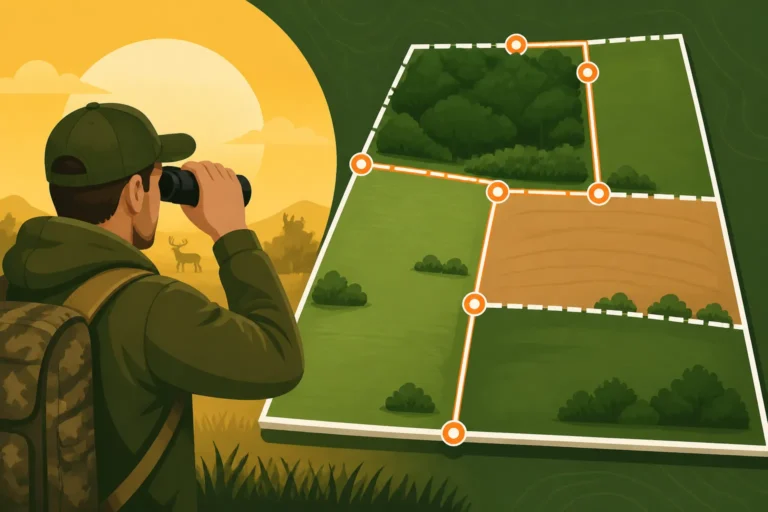
Modern hunting tools have revolutionized how we approach public land, and they are absolutely indispensable for Byron Walker. Apps like onX Hunt and GoHunt provide invaluable layers of information right at your fingertips. You can use their aerial imagery to identify different habitat types—pinpointing dense timber blocks, identifying CRP fields, and marking potential plum thickets or water sources. Topographical maps can reveal subtle elevation changes that might funnel deer, even in relatively flat Kansas terrain. More importantly, these apps clearly display property boundaries, ensuring you stay on public land and avoid accidental trespassing. Before your hunt, spend time "e-scouting" from home, marking potential stand locations, identifying access routes, and noting areas that look less accessible, which often hold less pressured game. This pre-trip planning can save you hours of aimless wandering and dramatically increase your chances of success. For a comprehensive guide to this approach, check out E-Scouting Kansas Farm Country From Home.
Seasonal Considerations and Pressure
Public lands, by their very nature, see more hunting pressure than private tracts. Byron Walker is no exception. Understanding how this pressure impacts game movement throughout the season is crucial for planning successful hunts. Early in the season, during archery or muzzleloader hunts, deer might be more predictable before heavy pressure sets in. However, once firearm season rolls around, deer can become nocturnal or retreat to the thickest, nastiest cover they can find. If you plan to hunt during high-pressure times, focus on areas that are harder to access, require a longer walk, or are simply overlooked by other hunters. These often become refuges for wary animals. Hunting Pressure Patterns on Kansas Public Land offers excellent insights into predicting and mitigating these challenges. Always double-check the KDWP website for specific Kansas Deer Season Dates by Weapon as well as any special regulations specific to the Byron Walker Wildlife Area, as these can sometimes change or have unique nuances compared to general statewide rules.
Amenities and Nearby Resources
While Byron Walker Wildlife Area offers a wild hunting experience, you're never truly "out in the sticks." Knowing what amenities are available, both within the area and in nearby towns, can make your trip much more comfortable and hassle-free.
Camping and Lodging Options
For those who prefer to immerse themselves fully in the hunting experience, there are often designated primitive camping areas within or very close to the Byron Walker Wildlife Area, especially within the Glen Elder State Park complex. These sites typically offer basic amenities like fire rings and vault toilets, but you should always confirm what's available and if any fees or permits are required through KDWP. If you're looking for more comfort, the nearby towns of Cawker City, Glen Elder, and even larger towns like Beloit, offer a range of lodging options, from small motels to vacation rentals. These can provide a warm bed, a hot shower, and a chance to recharge after a long day in the field. Before you go, check out the KDWP's guidelines on Kansas Public Land Camping Limits to ensure you're in compliance with any duration or designated site rules.
Local Services and Supplies
Being prepared means knowing where to resupply. The small towns surrounding Byron Walker Wildlife Area will have the basics: gas stations for your vehicle, convenience stores for snacks and drinks, and sometimes a local diner or cafe for a warm meal. For more extensive groceries or hunting-specific gear, you might need to venture to slightly larger communities. If you're fortunate enough to harvest a deer, knowing the location of a local locker plant or meat processor is a huge advantage, especially in warmer early-season conditions. Don't forget to check their hours and capacity during peak hunting seasons, as they can get overwhelmed. Planning for these practicalities ahead of time ensures you spend more time hunting and less time scrambling for necessities.
Respecting the Resource and Other Hunters
Being a responsible hunter goes beyond just following the law; it's about being a good steward of the land and a considerate member of the hunting community. Byron Walker Wildlife Area is a shared resource, and its future depends on all of us.
Ethical Hunting Practices
When you hunt Byron Walker, or any public land, remember that you are a guest in a shared outdoor space. Practicing ethical hunting is paramount. This includes leaving no trace, packing out all your trash, and treating the land as if it were your own. Always ensure you have accurate shot placement to ensure a quick and humane harvest, and commit to Blood Trailing in Tall CRP or any cover necessary to recover your animal. Respecting other hunters means being mindful of their space, avoiding crowding, and communicating clearly if you encounter someone else in your chosen area. During firearm seasons, hunter orange requirements are in place for safety, so ensure you and your hunting party are visible and in compliance. For detailed guidance on minimizing your impact, refer to Leaving No Trace on Walk-In Ground.
Conservation and Habitat Efforts
The KDWP, through various programs and on-the-ground efforts, actively manages areas like Byron Walker to maintain and enhance wildlife habitat. This might include prescribed burns, planting food plots, or improving water sources. As hunters, we play a vital role in supporting these efforts, both through our license and permit purchases, and by being responsible users of the land. If you observe any suspicious activity or potential violations, reporting them to the KDWP is a critical part of protecting the resource for future generations. Understanding the rules, and why they exist, helps ensure that everyone can enjoy the incredible hunting opportunities that Byron Walker Wildlife Area provides year after year.
Byron Walker Wildlife Area Hunting Opportunities
| Species | Primary Habitat | Peak Seasons | Common Tactics |
|---|---|---|---|
| Whitetail Deer | River Bottom Timber, CRP, Crop Edges | Archery (Sept-Dec), Rut (Nov), Firearm (Dec) | Stand hunting, still hunting, tracking, funnel ambush |
| Pheasant | CRP Grasslands, Milo Stubble, Plum Thickets | Late Fall (Nov-Dec) | Walking fields, blocking ends, working edges |
| Bobwhite Quail | Plum Thickets, Brushy Draws, Grasslands | Late Fall (Nov-Dec) | Working cover, dog hunting, systematic pushes |
| Waterfowl | Solomon River, Wetlands, Ponds | Fall/Winter Migration | Jump shooting, decoy spreads, layout blinds (field) |
| Squirrel | Hardwood Timber (Cottonwood, Hackberry, Elm) | Early Fall (Sept-Oct) | Still hunting, stalking, calling |
| Rabbit | Brushy Draws, Field Edges, Plum Thickets | Fall/Winter (Sept-Feb) | Walking cover, dog hunting |
Disclaimer
This article is for general informational purposes only and does not constitute professional advice. Laws, prices and regulations vary by location and change over time. Consult a qualified professional for guidance on your specific situation.