Fort Riley Hunting Permit Process
Hunting on a military installation like Fort Riley can seem like an impenetrable fortress of rules and bureaucracy, leaving many hunters scratching their heads, wondering where to even begin. It's a completely different animal than simply heading out to a Kansas Walk-In Hunting Access (WIHA) tract or a state wildlife area. This guide is here to untangle that knot, walking you through the often-confusing Fort Riley hunting permit process so you can spend less time stressed at a computer and more time enjoying the incredible hunting opportunities this unique area offers.
Understanding Fort Riley's Unique Hunting Landscape
Fort Riley isn't just another parcel of prime Kansas hunting ground; it's an active military installation with a primary mission of training soldiers. This core function dictates every aspect of hunting and recreation there, which means you can't approach it with the same casual attitude you might other public lands. The deer, turkey, and upland bird populations within Fort Riley's boundaries are often robust, thriving in areas that receive less consistent pressure due to restricted access, making it a highly sought-after destination for many hunters. However, this privilege comes with a distinct set of responsibilities and a unique permit acquisition system.
Why Fort Riley Hunting is Different
Imagine trying to navigate a sprawling hunting area where entire sections can be declared off-limits at a moment's notice due to live-fire exercises or troop movements. That's the reality of Fort Riley. Unlike the static boundaries you'd find on typical public land, the huntable areas on Fort Riley are dynamic. They change daily, sometimes hourly, based on military operations. This isn't just about hunter safety; it's about national security and ensuring soldiers can complete their training without interruption or risk. Therefore, the permit process isn't just about obtaining a tag; it's about gaining access to a controlled environment where the military mission always takes precedence. You can't just drive onto the base and start scouting; there's a specific entry procedure and a required permit system that manages all recreational activities.
The Importance of Regulations and Safety
The regulations at Fort Riley are paramount and non-negotiable. They are designed for your safety, the safety of military personnel, and the protection of government property. Disregarding even a minor rule can lead to severe consequences, from immediate revocation of hunting privileges to legal penalties and a permanent ban from the installation. This isn't the place to "bend" rules or assume common sense will prevail; you must know and follow the posted guidelines precisely. Beyond the specific hunting rules, there are general base access requirements, such as vehicle registration, valid identification, and sometimes even background checks, all of which are part of the broader safety and security protocols of an active military base. Always remember that you are a guest on federal land, and adherence to all directives is expected.
Step-by-Step Guide to Acquiring Your Fort Riley Hunting Permit
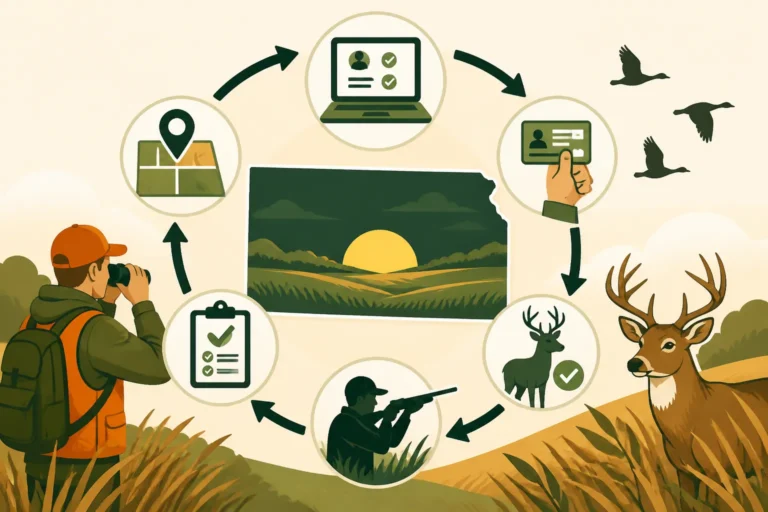
Navigating the Fort Riley permit process can feel like a puzzle with many pieces, but breaking it down into manageable steps makes it much less intimidating. It's a system built around online portals and specific physical requirements, so being prepared before you start is key.
Getting Your Base Access Credentials
Before you even think about buying a hunting permit for Fort Riley, you absolutely need to secure base access. This isn't a hunting-specific step but a fundamental requirement for entering the installation at all. You'll typically need to visit the Fort Riley Visitor Control Center. Here, you'll present a valid government-issued ID (like a driver's license), your vehicle registration, and proof of insurance. Depending on current security protocols, you might also undergo a background check. Once approved, you'll be issued a temporary or long-term pass that allows you to drive onto the base. Without this foundational step, any hunting permits you acquire will be useless, as you won't be able to get through the gates. It’s crucial to complete this well in advance of your planned hunting trip, as processing times can vary, and you don't want to miss out on precious hunting days because of a paperwork snag.
Navigating the iSportsman System for Permits
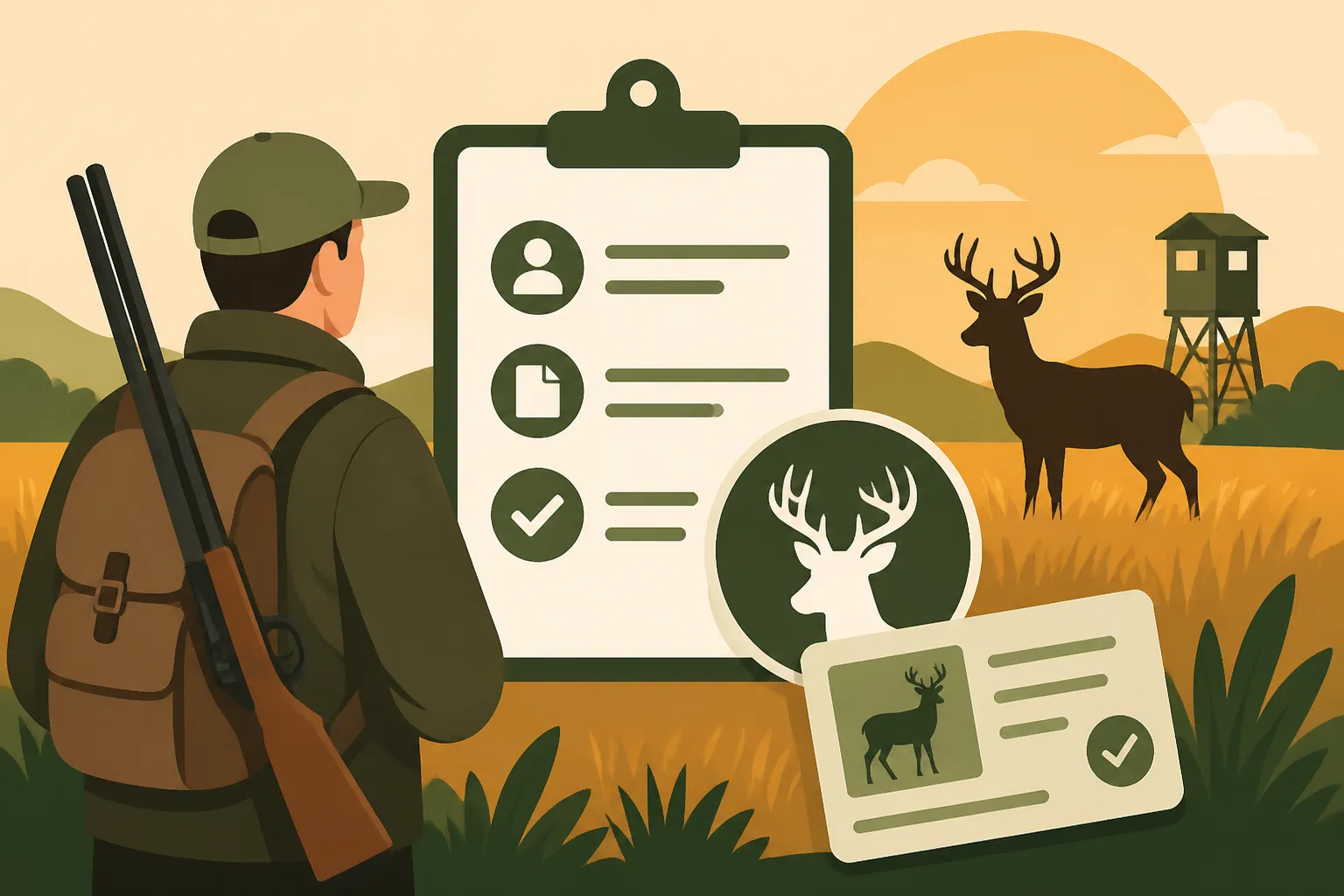
The heart of Fort Riley's hunting permit system is the iSportsman platform. This online portal manages all recreational activities on the installation, including hunting, fishing, and trapping. First, you'll need to create an account on the Fort Riley iSportsman website. This usually involves registering your personal information, contact details, and sometimes your vehicle information. Once registered, you'll be able to purchase the necessary Fort Riley hunting permits. These are separate from your standard Kansas Hunting Licence and Permit Costs and Kansas Deer Permits and the Nonresident Draw. The Fort Riley permits typically cover an annual access fee for recreational activities, and you'll then select the specific hunting permits (e.g., deer, turkey, small game) relevant to your pursuits. The system will guide you through the available options and associated fees. It’s imperative to thoroughly read all instructions and regulations presented on the iSportsman site, as they are the definitive guide for hunting on the installation.
| Permit Type | Where to Obtain | Purpose | Key Requirement |
|---|---|---|---|
| Base Access Pass | Fort Riley Visitor Control Center | Entry onto the military installation | Valid ID, Vehicle Info, Background |
| iSportsman Account | Fort Riley iSportsman Website | Access to recreational permits and check-in/out system | Personal Information, Registration |
| Fort Riley Hunting Permit | Fort Riley iSportsman Website | Allows hunting on designated areas of Fort Riley | Valid Kansas Hunting License/Permit |
| Daily Check-In/Out | Fort Riley iSportsman Website/App | Mandatory tracking of hunter presence in specific zones | iSportsman Account, Zone Selection |
Understanding Fort Riley's Hunting Zones and Regulations
This is where Fort Riley hunting really distinguishes itself. The installation is divided into numerous hunting zones, and their status (open, closed, restricted) changes constantly. You must check the iSportsman website or dedicated Fort Riley hunting hotline daily, sometimes multiple times a day, to know which zones are open for hunting. A zone that was open yesterday might be closed today due to military exercises. This dynamic nature means you need a flexible hunting plan. When you check in for a hunt on iSportsman, you'll select the specific zone you intend to hunt. It is your responsibility to ensure you are only hunting in zones that are currently open and for the species you are permitted to pursue. Some zones might be open for archery deer but closed for firearm hunting, or vice-versa. Always check the specific regulations for the species you are targeting. For instance, Kansas Deer Season Dates by Weapon will be relevant, but Fort Riley might have further internal restrictions.
Essential Tools and Mindset for Fort Riley Hunters
Success on Fort Riley isn't just about sharp shooting; it's about sharp planning and a resilient attitude. The dynamic nature of military land requires hunters to be adaptable and to leverage tools that provide real-time information.
Technology for Navigating Fort Riley
In today's hunting world, digital tools are indispensable, but on Fort Riley, they're practically mandatory. The constantly shifting boundaries of open and closed zones necessitate the use of mapping applications. This is where tools like onX Hunt truly shine. Many Fort Riley hunters download the Fort Riley boundary layers and designated hunting zones onto their onX Hunt app. This allows them to see, in real-time on their phone, exactly where they are in relation to an open hunting zone, a closed zone, or a safety buffer. It’s a game-changer for avoiding accidental trespass into off-limits areas, which, as you can imagine, is a serious infraction on a military installation. Similarly, other platforms like GoHunt can be invaluable for gathering information, researching regulations, and potentially tracking your permits and check-ins, depending on how they integrate with the iSportsman system. Always ensure your phone is charged, and consider carrying a portable power bank, as you'll be relying on these apps heavily in the field. Having an offline map capability is also critical, as cell service can be spotty in some of the more remote areas of the base.
Flexibility and Patience: The Fort Riley Hunter's Mantra
If there's one piece of advice I can give for hunting Fort Riley, it's this: be flexible, and bring a hefty dose of patience. Unlike hunting your local farm where you know exactly where you're going every morning, Fort Riley demands adaptability. You might have a perfect spot scouted, only to find that zone closed on the morning of your hunt. Instead of getting frustrated, you need to pivot. Have backup plans for different zones and be prepared to switch gears. This might mean driving to a completely different part of the installation or even deciding to hunt a different species if your primary target's zones are all closed. This isn't a place for rigid plans; it's a place for opportunistic hunting. The reward for this patience, however, can be significant, as less pressured animals in prime habitat often translate to higher quality hunting experiences. Hunting Pressure Patterns on Kansas Public Land are certainly different here!
Common Pitfalls and How to Avoid Them
Even with the right permits and a good attitude, there are common mistakes that Fort Riley hunters make. Being aware of these can save you a lot of headaches, or worse, the loss of your hunting privileges.
The Perils of Unchecked Zone Status
This is arguably the biggest and most frequent mistake: failing to check the current zone status. I know hunters who've been cited or had their permits revoked because they assumed a zone was open or simply forgot to check the iSportsman system before heading out. It's not enough to check it once in the morning; if you're planning to move zones or hunt late into the day, a quick re-check is always advisable, especially if you hear unusual activity or see military vehicles. The consequences of hunting in a closed zone are severe, so make it an unbreakable habit: always check iSportsman before you put a boot on the ground in any Fort Riley hunting zone. It's the most crucial daily step in your Public Land Deer Hunting in Kansas strategy on Fort Riley.
Keeping Up with Dynamic Regulations
Beyond the daily zone closures, Fort Riley's general hunting regulations can also change. Sometimes, a specific weapon might be temporarily restricted in certain areas, or a new safety guideline might be implemented. These changes are usually communicated through the iSportsman system, email alerts, or posted notices at entry points. It's your responsibility to stay informed. Don't assume the rules you read last year are still in effect. Before each season, and periodically throughout the season, take the time to re-read the most current Fort Riley hunting regulations. This diligence will prevent you from inadvertently violating a rule you weren't aware of. Remember, ignorance of the rules is never an acceptable excuse when dealing with an active military installation.
Respecting the Military Mission
Always remember that you are a guest on federal land, and the primary purpose of Fort Riley is military training and operations. This means that if you encounter military personnel, equipment, or training exercises, you must give them wide berth and follow any instructions they provide. This might mean cutting a hunt short, changing your route, or waiting for an area to clear. Your hunt is secondary to their mission. This respect extends to common courtesies, like not disturbing military property, staying clear of restricted buildings, and generally being a good steward of the land. A little common sense and a lot of respect go a long way in ensuring that hunting remains an available recreational activity on Fort Riley for years to come. Your behavior directly impacts the perception of all hunters on the installation.
Disclaimer
This article is for general informational purposes only and does not constitute professional advice. Laws, prices and regulations vary by location and change over time. Consult a qualified professional for guidance on your specific situation.