Kansas State Wildlife Area Acres
Finding quality public land to hunt in Kansas can feel like trying to find a needle in a haystack, especially if you're not familiar with the lay of the land beyond the well-known Walk-In Hunting Access (WIHA) tracts. Many hunters overlook a crucial resource: the Kansas State Wildlife Areas. These properties, managed directly by the Kansas Department of Wildlife and Parks, offer a diverse range of habitat and hunting opportunities that often differ significantly from private ground or even WIHA, and understanding their acreage and specific features is key to unlocking their potential. This guide will walk you through what to expect, how to use them, and what makes these public lands a vital part of the Kansas hunting experience.
Understanding Kansas State Wildlife Areas
Kansas State Wildlife Areas are dedicated public lands, purchased and maintained with hunter and angler dollars, managed specifically for wildlife habitat and public recreation. Unlike the WIHA program, which leases private land for public access, these are owned by the state, meaning they often have more stable, long-term habitat management plans. This distinction is critical because it impacts everything from permissible activities to the type of habitat you'll find.
The Purpose Behind State Wildlife Areas
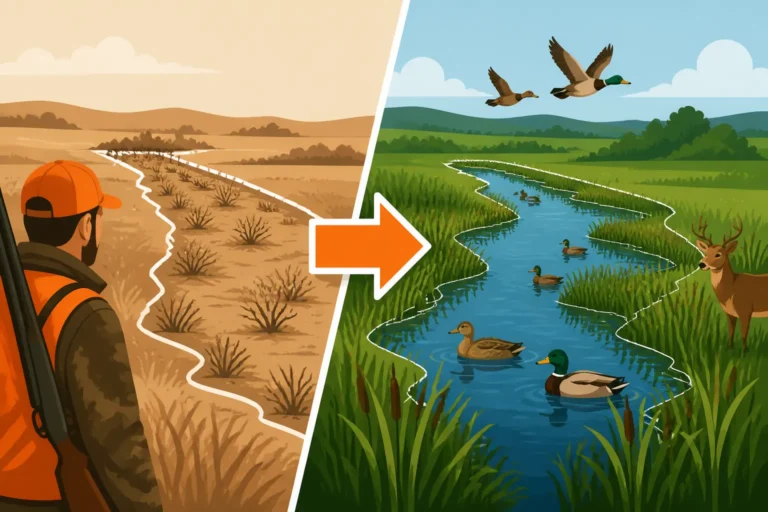
The primary objective for most State Wildlife Areas is to conserve, restore, and enhance wildlife habitat. This isn't just about creating a place for animals to live; it's about fostering healthy populations for hunting, fishing, and wildlife viewing. Think of them as living laboratories where biologists apply science-backed management techniques. This can involve prescribed burning to revitalize native grasses, planting food plots to supplement winter forage, maintaining wetlands for waterfowl, or selective timber cutting to promote new growth for deer and turkeys.
These areas are designed for longevity, aiming to provide consistent habitat year after year. While a WIHA tract might change in crop rotation or even disappear from the program, a State Wildlife Area remains a constant. This stability allows wildlife to establish patterns, and for hunters, it means a reliable place to scout and hunt from one season to the next. The management might shift slightly based on current wildlife needs or environmental factors, but the core mission remains the same: a healthy ecosystem supporting diverse game species. Often, they are strategically located near major water bodies or significant river systems, making them magnets for certain game, particularly waterfowl.
Differentiating State Wildlife Areas from WIHA
It's easy to lump all public hunting land together in your mind, but State Wildlife Areas (SWAs) and Walk-In Hunting Access (WIHA) lands operate under very different frameworks, which profoundly affects how you hunt them. As mentioned, SWAs are permanently owned by the state, managed by the Kansas Department of Wildlife and Parks (KDWP). This means the habitat work is ongoing, planned, and often quite intensive, focusing on long-term ecological health and wildlife populations. The rules for hunting on an SWA are generally consistent and found in the annual KDWP regulations summary, though specific areas may have special local regulations.
WIHA, on the other hand, is a fantastic program that leases hunting access from private landowners for specific seasons. It's incredibly valuable, especially in areas with limited public land. However, WIHA tracts are temporary. They might change year to year, the habitat can vary wildly based on the private landowner's farming practices, and the rules often mirror general statewide regulations with some important WIHA-specific caveats, like restrictions on permanent stands. When you're looking at your Kansas WIHA Works map, remember that the land status and management differ fundamentally from a State Wildlife Area. Understanding this distinction helps you know what to expect in terms of habitat, regulations, and even hunting pressure.
Navigating the Numbers: Total Acres and Key Areas
Kansas offers a surprising amount of public hunting land, and the State Wildlife Areas contribute significantly to that total. These areas range dramatically in size, from small, focused tracts to expansive multi-thousand-acre complexes. Knowing the general scale of these areas, and identifying some of the larger, more productive ones, is crucial for planning successful hunts.
Total Acreage of State Wildlife Areas
While the exact cumulative acreage of all Kansas State Wildlife Areas might fluctuate slightly due to acquisitions or minor boundary adjustments, the KDWP manages a substantial portfolio of land dedicated to wildlife. We're talking hundreds of thousands of acres spread across the state. This is a significant resource for hunters, particularly in a state often perceived as predominantly private land. These areas offer everything from sprawling grasslands to dense timber, from managed wetlands to agricultural fields specifically planted for wildlife.
Many hunters rely heavily on the WIHA program, and rightfully so, as it adds immense opportunity. However, the SWAs provide a different kind of stability and often more intensive habitat management. When you're using tools like onX Hunt or GoHunt to scout, make sure you're not just filtering for WIHA but also looking for those green or state-managed parcels. These often represent a long-term investment in wildlife and can be less subject to the year-to-year variability that private lease programs sometimes experience. The sheer volume of these acres means there's a good chance an SWA is within a reasonable drive, offering diverse hunting opportunities for various species.
Prominent Kansas State Wildlife Areas and Their Scale
While it's impossible to list every single State Wildlife Area, some are truly iconic for their size, habitat, and the hunting opportunities they provide. Understanding the scale of these examples can give you a better grasp of what's available statewide.
| Wildlife Area (Example) | Primary Counties | Estimated Acreage | Key Features for Hunting | Main Species |
|---|---|---|---|---|
| Cheyenne Bottoms WA | Barton | ~20,000 | Extensive wetlands, CRP, some timber | Waterfowl, Pheasant, Deer |
| Marais des Cygnes WA | Linn, Miami | ~7,500 | River bottom timber, wetlands, agricultural | Deer, Turkey, Waterfowl |
| Milford WA | Geary, Clay | ~18,000 | Lake, timber, native grass, CRP | Deer, Turkey, Waterfowl, Upland |
| Clinton WA | Douglas | ~9,000 | Lake, timber, fields | Deer, Turkey, Waterfowl |
| Melvern WA | Osage | ~7,000 | Lake, timber, some open fields | Deer, Turkey, Waterfowl, Upland |
Note: Acreage numbers are approximate and can vary slightly.
Cheyenne Bottoms Wildlife Area, located in Barton County, is a prime example of massive scale and specialized habitat. As one of the largest freshwater marshes in the interior of the United States, it spans tens of thousands of acres and is internationally recognized for its importance to migrating waterfowl and shorebirds. For hunters, this translates into world-class duck and goose hunting, but it also holds strong populations of pheasants in the surrounding uplands and significant numbers of whitetail deer in the timbered edges and dense cover. Planning a hunt here requires careful attention to waterfowl zones and regulations, but the sheer size offers endless possibilities.
Moving eastward, Milford Wildlife Area, near Junction City, provides another large and diverse landscape. Situated around Milford Lake, Kansas's largest lake, this SWA encompasses thousands of acres of timber, native grasslands, and cultivated fields. It's a fantastic multi-species destination, offering excellent deer hunting in the hardwoods, robust turkey populations along the creek bottoms, and good upland bird hunting in the grasslands. The varied terrain and extensive cover make it a challenging but rewarding area to scout and hunt, often requiring a good understanding of how deer use the lake-adjacent habitat. For understanding the broader picture of public land like this, the Kansas Online Hunting Atlas is an indispensable resource.
These are just a few examples. Many other large and productive State Wildlife Areas exist, such as Marais des Cygnes Wildlife Area in eastern Kansas, known for its extensive river bottom timber and wetland complex, or Clinton Wildlife Area near Lawrence, offering a mix of timber and agricultural fields. Each has its unique character and provides ample public access for various hunting pursuits.
Specific Management Objectives and Their Impact on Hunting
The Kansas Department of Wildlife and Parks doesn't just let State Wildlife Areas "go wild." They are actively managed properties, and these management objectives directly influence the types of habitat available and, consequently, the hunting opportunities present. Understanding the why behind the habitat helps you predict where certain game might be and how to approach your hunt.
Habitat Diversity and Target Species
State Wildlife Areas are often designed to create specific types of habitat that benefit particular species or a suite of species. This means that while one SWA might be a waterfowl mecca, another could be managed primarily for upland birds or whitetail deer. For example, areas with extensive wetlands, like Cheyenne Bottoms or Marais des Cygnes, are meticulously managed to provide food and cover for ducks and geese. This involves controlling water levels, planting specific wetland crops, and maintaining emergent vegetation. Hunters visiting these areas during waterfowl season will find abundant birds, but they'll also encounter specific regulations related to blind placement, shooting hours, and potentially limited entry units.
Conversely, many SWAs in central and eastern Kansas feature large blocks of timber, dense CRP (Conservation Reserve Program) grasses, and food plots. These areas are often managed with an eye toward Kansas Whitetail Deer and Why They Grow Big and wild turkeys. Timber stand improvement, prescribed burns in grasslands, and strategic food plot placement are all tools used to enhance habitat for these species. For a deer hunter, this might mean finding areas with dense bedding cover adjacent to attractive food sources, or clear travel corridors. For turkey hunters, it could mean seeking out areas with mature roost trees near open feeding fields. The key is to look at the SWA's overall habitat composition and infer the management priorities.
Impact of Habitat Work on Game Movement
Active habitat management doesn't just create a place for animals to live; it influences their daily and seasonal movements. Knowing this can give you a significant advantage. Consider prescribed burns in grasslands. While initially it might look like a "dead zone," a post-burn area rapidly regenerates with nutritious new growth, attracting deer and turkeys looking for fresh forage. The open nature after a burn also makes it easier for upland birds to move and find insects. As hunters, we need to adapt to these changes. A field that was dense cover one year might be a prime feeding area the next after a management burn.
Similarly, the strategic planting of food plots – whether corn, soybeans, or winter wheat – is designed to concentrate game. Deer, turkeys, and even pheasants and quail will key into these food sources, especially as natural forage diminishes later in the season. These food plots often serve as magnets, drawing game from surrounding cover. When scouting an SWA, pay close attention to any evidence of active management, such as fresh burns, newly planted fields, or areas where timber has been thinned. These aren't random acts; they are intentional efforts to create better habitat and influence game movement, which in turn creates better hunting opportunities. Don't forget to leverage tools like Reading Aerial Imagery for Bedding Cover to combine with your understanding of on-the-ground management.
Regulations and What to Expect on Wildlife Areas
Hunting on State Wildlife Areas comes with its own set of rules and unwritten etiquette. While they offer fantastic opportunities, misunderstanding the regulations or failing to respect fellow hunters can quickly sour an experience.
General Regulations Versus Area-Specific Rules
One of the most important things to remember about hunting State Wildlife Areas is that they often have regulations that go beyond the general statewide hunting rules. While your Kansas Hunting Licence and Permit Costs covers you, there might be specific permits, access procedures, or equipment restrictions unique to that particular SWA. Always, and I mean always, check the KDWP Hunting and Trapping Regulations Summary, paying special attention to the "Public Lands" section and any specific rules listed for the wildlife area you intend to hunt.
For instance, some State Wildlife Areas might:
- Have special seasons or draw-only hunts for deer to manage herd numbers.
- Restrict vehicle access to designated roads or parking areas.
- Prohibit the use of screw-in tree steps or require portable stands to be removed daily. Portable Stand Rules on Kansas Public Land are very important to know.
- Have specific rules for waterfowl hunting, such as designated blind sites or daily check-in requirements.
- Limit hunter numbers on certain tracts, especially during popular seasons, often requiring use of the iWIHA check-in system even on state-owned land if it's designated as such.
Failing to check these specific rules can result in fines or a ruined hunt. It’s not just about what's allowed; it's also about what's not allowed. For example, baiting is generally prohibited on public lands in Kansas, and that absolutely includes State Wildlife Areas.
Managing Hunting Pressure on State Wildlife Areas
Let's be realistic: public land, especially good public land, attracts hunters. State Wildlife Areas are no exception. You can expect to encounter other hunters, particularly during peak seasons like the firearm deer season or the opening weekends of pheasant and quail season. However, understanding how to navigate and even leverage this pressure is key to success.
Many hunters stick to easily accessible areas, parking close to the road and not venturing far. This creates what's often called a "pressure doughnut." The outer edges get hit hard, but if you're willing to walk further, cross difficult terrain, or put in the extra effort, you can often find sanctuaries where game feels safer. This is where your scouting and physical conditioning pay off. Hunting Pressure Patterns on Kansas Public Land are real, and deer will adapt to them by moving to thicker cover or becoming more nocturnal in high-pressure spots.
Another strategy is to hunt weekdays if your schedule allows, as pressure almost always decreases significantly after opening weekend and during the work week. Consider less popular times or less glamorous areas; a small, overlooked timber patch on an SWA might hold a mature buck that's been bumped off larger, more accessible ground. Using your onX Hunt app to identify remote corners or areas with natural barriers like creeks or steep ditches can reveal hidden gems. Don't be afraid to put some miles on your boots, because those extra steps often lead to untouched pockets of game.
Planning Your Hunt: Leveraging Resources and Avoiding Crowds
Successfully hunting Kansas State Wildlife Areas requires more than just showing up. It demands careful planning, thorough scouting, and a willingness to adapt. By leveraging available resources and being strategic about your approach, you can maximize your chances and minimize frustrations.
Utilizing Online Mapping and Scouting Tools
In today's hunting world, digital mapping tools are non-negotiable, and they're particularly powerful when it comes to State Wildlife Areas. Platforms like onX Hunt are incredibly valuable because they clearly delineate public land boundaries, including State Wildlife Areas. You can see property lines, topography, satellite imagery, and even some habitat features like timber stands, crop fields, and water sources. This allows for extensive e-scouting from the comfort of your home, saving you countless hours of unproductive walking.
Before you even set foot on an SWA, use these tools to:
- Identify potential access points that are less obvious or require a longer walk.
- Pinpoint areas of dense cover (potential bedding areas) adjacent to food sources or water.
- Locate terrain features that might funnel deer movement, even in relatively flat country, such as a subtle rise or a pinch point between timber blocks. Check out Terrain Funnels That Work Without Hills for more ideas.
- Mark potential stand locations, escape routes, and areas to avoid based on predicted wind direction.
- Look for historical satellite imagery to see how habitat has changed over time, such as clear-cuts or new food plots.
Beyond the mapping itself, using a platform like GoHunt can provide additional resources, sometimes including area-specific harvest reports or management plans if available publicly, further informing your scouting. Don't underestimate the power of these digital aids to give you a detailed understanding of the landscape before you ever hit the dirt.
Early Season and Off-Peak Opportunities
Many hunters automatically gravitate towards the rut or the opening weekend of firearm season, and while those can be exciting, they often come with high pressure. State Wildlife Areas, with their consistent habitat, offer fantastic opportunities during less popular times, which can lead to more solitary and successful hunts.
Consider the early archery season in September. While it can be warm, deer are often still on predictable summer patterns, hitting reliable food and water sources. Early-Season Bowhunting Over Water can be incredibly effective, especially in dryer parts of the state or during heat waves. Similarly, late-season hunting in December and January on SWAs can be highly productive. Deer are focused almost entirely on available food sources after the rut, and the relatively stable management of SWAs often means these food plots or standing crops are specifically maintained for winter forage. Late-Season Food Source Hunting on these properties can be excellent.
Spring turkey season is another prime example. While some SWAs might be very popular for turkeys, others, especially those with large timber blocks, can offer fantastic opportunities for Kansas Turkey Hunting Tactics for Spring Gobblers. By exploring these off-peak or less-pressured seasons, you're not just avoiding crowds; you're often encountering game that is less wary and more predictable in their movements, leading to a more enjoyable and rewarding hunt.
Beyond the Deer Stand: Other Opportunities on Wildlife Areas
While deer hunting often takes center stage, Kansas State Wildlife Areas are far more versatile, offering a wealth of opportunities for a wide array of game species. Diversifying your pursuits on these public lands can open up entirely new and exciting hunting experiences.
Upland Bird and Waterfowl Pursuits
Many State Wildlife Areas, particularly those in the central and western parts of Kansas, offer exceptional upland bird hunting. Areas managed with extensive native grasslands, CRP fields, and food plots are often prime habitat for pheasants and quail. Learning Upland Bird Hunting Kansas Grass and Milo Edges can be a game-changer on these properties. The KDWP actively manages many of these areas through prescribed burns, food plot rotations, and brush control to enhance cover and forage for these species. While public land upland hunting can be challenging, putting in the miles and working the edges of cover can be incredibly rewarding. Often, areas with a mix of diverse cover, like plum thickets next to tall grass, will hold coveys of quail.
For waterfowl hunters, the larger State Wildlife Areas that incorporate significant wetlands or are adjacent to major reservoirs are goldmines. Cheyenne Bottoms, Marais des Cygnes, Milford, and numerous other areas are managed specifically to attract and hold migrating ducks and geese. This involves active water level management, planting of moist-soil crops, and creation of resting areas. Many of these areas have specific zones for hunting, designated blind sites, or even draw systems for access, so thorough research of the specific SWA's regulations is essential. But the potential for fast-paced action on a crisp fall morning is undeniable. Don't forget that many of these areas also have specific requirements for federal and state duck stamps, in addition to your general hunting license.
Predator and Small Game Hunting
State Wildlife Areas aren't just for big game and birds. They also provide excellent opportunities for predator hunting and small game. Coyotes are abundant across Kansas, and many SWAs offer ideal terrain for calling them in, particularly in open grassland or timbered areas adjacent to fields. Coyote Calling in Open Kansas Country can be very effective on these large tracts of public land, especially in the off-season or after deer season closes. The vastness of some SWAs allows for strategic setups without fear of encroaching on private land, provided you respect boundaries.
Additionally, small game hunting for rabbits and squirrels is often overlooked but can provide a fun and engaging hunt, perfect for introducing new hunters or just enjoying a relaxing day afield. Timbered SWAs are perfect for squirrel hunting, particularly in areas with mature oak and hickory trees. Brushy edges and dense cover on almost any SWA will hold rabbits. These smaller species offer consistent action and are a great way to stay sharp between big game seasons. Always check the specific SWA's regulations, as some may have restrictions on certain types of hunting or trapping, but generally, small game and predator hunting are viable options year-round.
Disclaimer
This article is for general informational purposes only and does not constitute professional advice. Laws, prices and regulations vary by location and change over time. Consult a qualified professional for guidance on your specific situation.