Kansas Wildlife Disease Monitoring
It's an unsettling feeling to be out in the Kansas timber or across a vast prairie, enjoying the hunt, and then spot an animal that just doesn't look right. Maybe it's acting strangely, appears emaciated, or you stumble upon a deer that's passed away mysteriously. These encounters naturally raise a lot of questions and concerns for us as hunters, not just about the health of the individual animal, but about the broader implications for the entire herd and even our own safety. This comprehensive guide is here to shed light on Kansas's diligent wildlife disease monitoring efforts, explain the common ailments you might encounter, and most importantly, show you how your keen eye and quick action can be absolutely vital in helping to keep our wild populations healthy.
Why Wildlife Disease Monitoring Matters in Kansas
Wildlife disease monitoring isn't just about collecting data points; it's a critical, proactive measure that touches every aspect of our hunting heritage and the ecological balance of Kansas. Without it, we'd be flying blind, unaware of silent threats that could decimate herds or even pose risks to humans.
Protecting Hunter Health and Food Safety
When we head into the field, we do so with the intention of harvesting a healthy animal, whether it's for the thrill of the chase or to fill our freezers with lean, natural protein. The last thing any hunter wants is to process an animal only to discover it was sick. Diseases can compromise the quality of the meat and, in some rare but serious cases, even pose a risk to human health (these are called zoonotic diseases).
Monitoring efforts help identify outbreaks of illnesses that could impact the safety of wild game. For example, knowing about widespread disease activity in a specific area empowers you to take extra precautions during field dressing, or even to decide to hunt elsewhere. It means you can make informed decisions about processing your harvest, like wearing gloves and washing hands thoroughly, and ensuring meat is cooked to the proper temperature. It’s about peace of mind, knowing that the venison you're serving your family is safe and wholesome. The Kansas Department of Wildlife and Parks (KDWP) takes this aspect very seriously, as our health and the health of the deer we pursue are inextricably linked.
Safeguarding Kansas Game Populations
Beyond immediate human concerns, wildlife disease monitoring is fundamental to the long-term health and sustainability of Kansas's game populations. Diseases can spread rapidly through dense animal populations, especially in certain conditions, leading to significant die-offs or a chronic decline in overall herd health. A severe disease outbreak can dramatically alter population dynamics, reducing fawn survival, impacting breeding success, and ultimately leading to fewer animals in the field for future generations of hunters.
Consider the economic implications too: a healthy game population supports hunting licenses, tags, guide services, and local businesses that cater to hunters. A widespread disease problem could cripple these resources. By actively monitoring, KDWP can track trends, understand disease prevalence in specific units, and even implement management strategies like targeted antlerless harvests in areas with high disease burdens to control population density and slow spread. It's about ensuring that the vibrant whitetail, turkey, and upland bird populations we enjoy today continue to thrive for years to come.
Common Wildlife Diseases Monitored in Kansas
Kansas is home to a diverse array of wildlife, and unfortunately, that means our animals can be susceptible to various diseases. Knowing the signs of common illnesses can help you identify a problem and contribute to monitoring efforts.
Chronic Wasting Disease CWD
Chronic Wasting Disease (CWD) is arguably one of the most concerning diseases for deer and elk managers and hunters across North America, and Kansas is no exception. It's a progressive, fatal neurological disease affecting deer, elk, moose, and reindeer, caused by an abnormal protein called a prion. The name itself, "Chronic Wasting Disease," really says it all—infected animals literally waste away.
Symptoms often include drastic weight loss, stumbling, poor coordination, excessive salivation, difficulty swallowing, changes in behavior (like a lack of fear of humans), and a general decline in health over weeks or months. Imagine seeing a deer that looks like it's starving in the middle of a lush field, its ribs showing, its head down, almost unaware of your presence; that's a classic picture of a deer in the advanced stages of CWD. The disease is transmitted through direct animal-to-animal contact or indirectly through environmental contamination (e.g., soil, plants) with prions shed by infected animals via saliva, urine, and feces. There is no vaccine or cure, and it is always fatal. Kansas has been actively monitoring CWD for years, particularly in the western and central parts of the state where it's more prevalent. Understanding Chronic Wasting Disease in Kansas and Kansas CWD Testing and Carcass Rules is crucial for hunters.
Epizootic Hemorrhagic Disease EHD and Blue Tongue
Unlike CWD, Epizootic Hemorrhagic Disease (EHD) and Blue Tongue are seasonal, insect-borne viral diseases that can cause rapid and significant die-offs in deer populations, particularly whitetails. These diseases are transmitted by tiny biting gnats, often referred to as no-see-ums or midges. Outbreaks typically occur in late summer and early fall, especially after periods of drought followed by rain, which creates ideal breeding conditions for the gnats in muddy areas.
Symptoms can range from acute to chronic. Acutely infected deer develop a high fever, become lethargic, lose their appetite, and show swelling of the head, neck, tongue, and eyelids. Their tongues might turn blue, hence the "blue tongue" moniker. Many deer succumb quickly to the disease, often found dead near water sources as they seek to cool their feverish bodies. You might stumble upon several deceased deer in a creek bottom or near a pond during an outbreak. Chronically infected deer might survive but develop ulcers in their mouth and stomach, break lines in their hooves, or become lame, eventually succumbing to secondary infections or starvation. While devastating to deer, neither EHD nor Blue Tongue are known to be transmitted to humans. Familiarizing yourself with EHD Effects on Kansas Deer Herds and Deer Disease and EHD Outbreaks can help you understand the dynamics of these outbreaks.
Other Noteworthy Wildlife Ailments
While CWD and EHD often get the most attention, other diseases and conditions can affect Kansas wildlife. Rabies, for instance, can affect mammals and is always a concern when encountering animals exhibiting abnormal behavior, especially predators or furbearers. Mange, caused by mites, can lead to severe hair loss and skin irritation in animals like coyotes and bobcats, making them appear sickly. Avian influenza can impact waterfowl and other bird species, and while often not severe in wild birds, it's closely monitored due to potential domestic poultry implications.
Even common parasites, while not usually fatal, can indicate an animal under stress or one with a compromised immune system. The key takeaway for hunters is to always be observant. If an animal looks sick, emaciated, or is acting strangely, it's wise to keep your distance and avoid harvesting it. Your primary focus should be on healthy animals, ensuring a safe and ethical hunt.
How Kansas Monitors Wildlife Health and Hunter Involvement
The KDWP doesn't just hope for the best; they have active programs in place to keep tabs on wildlife health. And as hunters, we are often the first line of defense and critical partners in these efforts.
Surveillance Programs and Testing Protocols
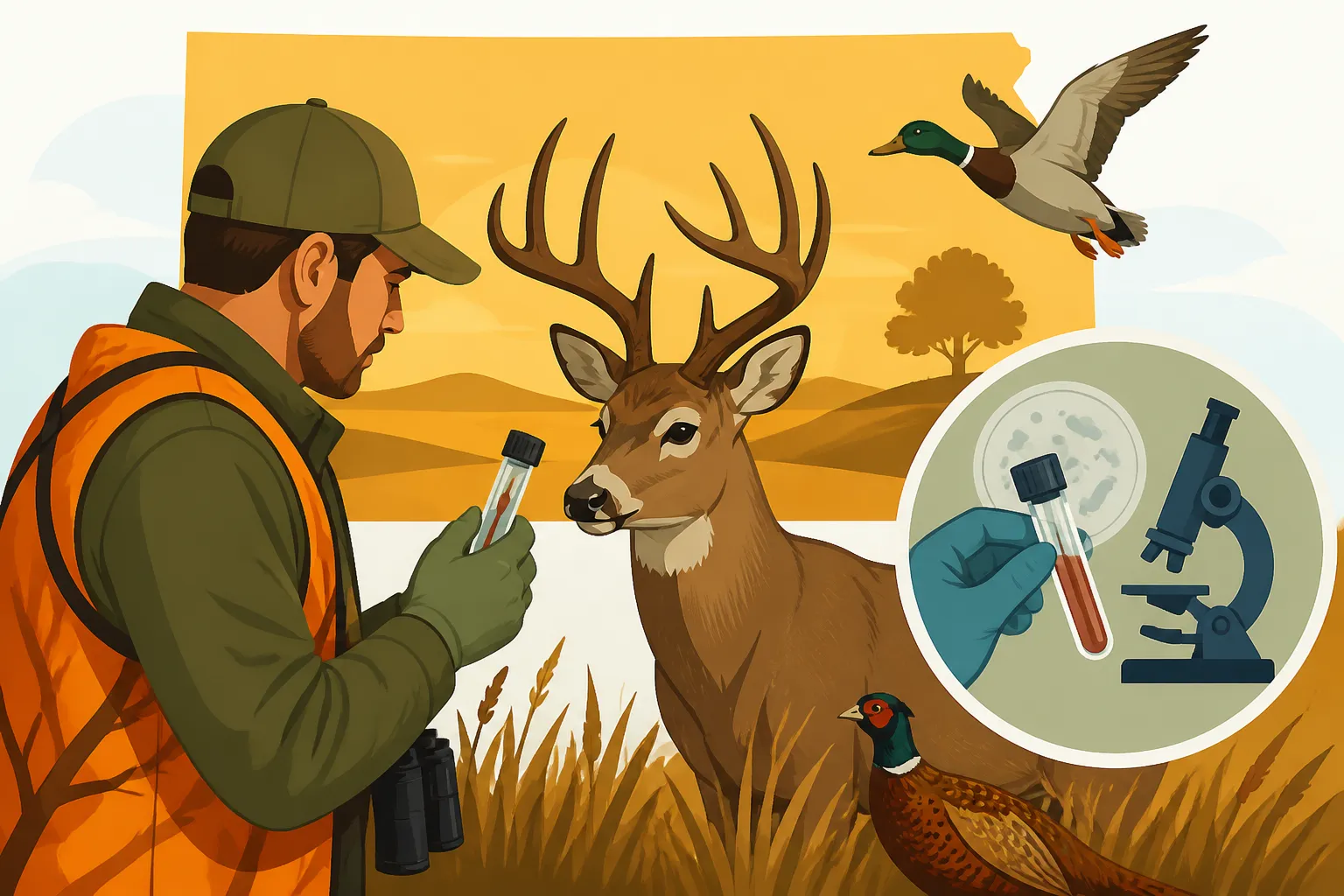
The KDWP maintains active surveillance programs across the state to monitor wildlife diseases. For CWD, this often involves strategic sampling from hunter-harvested deer, particularly from specific management units where the disease is known to be present or where expansion is a concern. Hunters are often asked to voluntarily submit lymph node samples from their harvested deer at designated collection sites or check stations. These samples are then sent to laboratories for testing. This ongoing collection of data helps the state track the prevalence and geographic spread of CWD.
Additionally, KDWP biologists are constantly in the field, observing animal populations, and responding to reports of sick or deceased wildlife. When an EHD or Blue Tongue outbreak occurs, for example, they track reports and perform necropsies (animal autopsies) on carcasses to confirm the cause of death and assess the extent of the outbreak. This scientific approach provides crucial information that informs management decisions, population assessments (you might be interested in How KDWP Counts Deer), and public health advisories. They also track overall harvest data, which can sometimes indirectly reveal disease impacts on populations, as detailed in Kansas Deer Harvest Survey Data in Kansas.
The Hunter's Role in Disease Reporting
This is where you come in, the boots on the ground, the eyes and ears of the Kansas wilderness. You are an invaluable resource for KDWP's disease monitoring efforts. If you encounter a sick, visibly unhealthy, or recently deceased animal while hunting or scouting, reporting it promptly is crucial.
Here’s what you should do:
- Do Not Disturb: Maintain a safe distance and do not handle the animal.
- Document: Take photos or videos if possible, especially if the animal shows unusual behavior or symptoms.
- Note Location: Pinpoint the exact location using GPS coordinates from your phone or a hunting app like GoHunt. Knowing the precise spot is vital for KDWP staff to investigate.
- Contact KDWP: Reach out to your local KDWP office or game warden as soon as possible. Provide them with all the details: species, date, time, location, observed symptoms, and any photos you took. The quicker you report, the better the chance for KDWP to investigate and potentially collect samples. Don't hesitate to contact them if you have concerns; that's what they're there for. You can find more specific guidance on Reporting a Sick Deer in Kansas.
Your report could be the first indication of a new disease outbreak, or it could provide valuable data points that help KDWP understand existing disease patterns. Every report truly makes a difference.
Safe Handling Practices in the Field
Even when harvesting a seemingly healthy animal, it's always wise to practice proper field dressing and handling techniques. These practices not only ensure the quality of your meat but also minimize any potential risk of disease transmission, however small.
Always wear rubber or latex gloves when field dressing any animal. This is just good hygiene, protecting you from potential bacteria and any pathogens the animal might carry. Avoid direct contact with the brain, spinal cord, spleen, and lymph nodes, especially if hunting in an area with CWD concerns. These tissues are where CWD prions concentrate.
Once the animal is field dressed, cool the carcass as quickly as possible, particularly in warm Kansas weather. Refer to Field Dressing in Warm Kansas Weather and Getting a Deer Cooled in September for detailed steps. Use clean tools and thoroughly clean and disinfect all knives, saws, and surfaces that came into contact with the carcass. Cook all wild game meat thoroughly to an internal temperature of at least 160°F (71°C). While this won't eliminate prions for CWD, it's a good general practice for food safety with any wild game.
Staying Informed and Responsible
Being an informed hunter isn't just about knowing regulations; it's about being a responsible steward of our wildlife resources. Staying up-to-date on disease information is part of that responsibility.
Accessing Up-to-Date Information
The Kansas Department of Wildlife and Parks website is your absolute best source for the most current information on wildlife diseases, surveillance efforts, and specific recommendations for hunters. They regularly update their public pages with CWD test results, EHD outbreak information, and other relevant health advisories. Make it a habit to check their site before and during hunting season.
Beyond the official state channels, many hunting apps and platforms, like GoHunt, often integrate information relevant to local regulations and sometimes even disease zones, or at least provide links to official sources. Joining local hunting groups or attending KDWP public meetings (you can learn more about Kansas Commission Meetings on Hunting Rules) can also keep you connected to the latest discussions and findings regarding wildlife health in your specific hunting areas. Remember, knowledge is power when it comes to protecting yourself and our wildlife.
Carcass Transport Rules and Prevention
To prevent the spread of diseases, particularly CWD, Kansas (and many other states) has specific rules regarding the transportation of deer and elk carcasses, especially from areas where CWD is known to exist. These rules are designed to prevent hunters from inadvertently moving infected parts of an animal to new, uninfected areas, which could then introduce the disease to new populations.
Generally, only certain parts of a harvested animal are allowed to be transported out of a CWD management area or across state lines. This often includes deboned meat, clean skull plates (antlers attached) with all brain and nervous tissue removed, capes (hides) without heads, and cleaned teeth. Whole carcasses, heads, spinal columns, and other high-risk materials are often restricted. It is critical to know these regulations both for Kansas and for any state you might be traveling to or from. Always check the latest KDWP regulations for Carcass Transport Across State Lines before you head out, and certainly before you load up your harvest for the drive home. These measures are a small inconvenience for the larger good of keeping our deer herds healthy and thriving.
| Disease | Primary Species Affected | Key Symptoms | Transmission Method | Hunter Action Needed |
|---|---|---|---|---|
| Chronic Wasting Disease (CWD) | Deer, Elk, Moose | Emaciation, lethargy, drooling, unusual behavior, death | Prions (abnormal proteins) via direct contact or environment | Report sick animals, submit samples if requested, proper carcass disposal, avoid high-risk tissues. |
| Epizootic Hemorrhagic Disease (EHD) | Whitetail Deer | High fever, swelling of head/neck/tongue, lethargy, sudden death near water | Biting gnats (midges) | Report clusters of dead deer, avoid eating sick animals. |
| Blue Tongue | Whitetail Deer (similar to EHD) | Similar to EHD; sometimes less severe outward signs | Biting gnats (midges) | Report clusters of dead deer, avoid eating sick animals. |
| Rabies | Mammals (all species) | Aggression, disorientation, foaming at mouth, paralysis | Bite from infected animal | Avoid contact with any animal showing abnormal neurological behavior, report immediately. |
| Mange | Coyotes, Bobcats, Foxes | Severe hair loss, crusty skin, scratching | Mites (direct contact) | Generally not a risk to humans, but report if severe or impacting game species. |
Disclaimer
This article is for general informational purposes only and does not constitute professional advice. Laws, prices and regulations vary by location and change over time. Consult a qualified professional for guidance on your specific situation.