How Far Pheasants Move in a Day
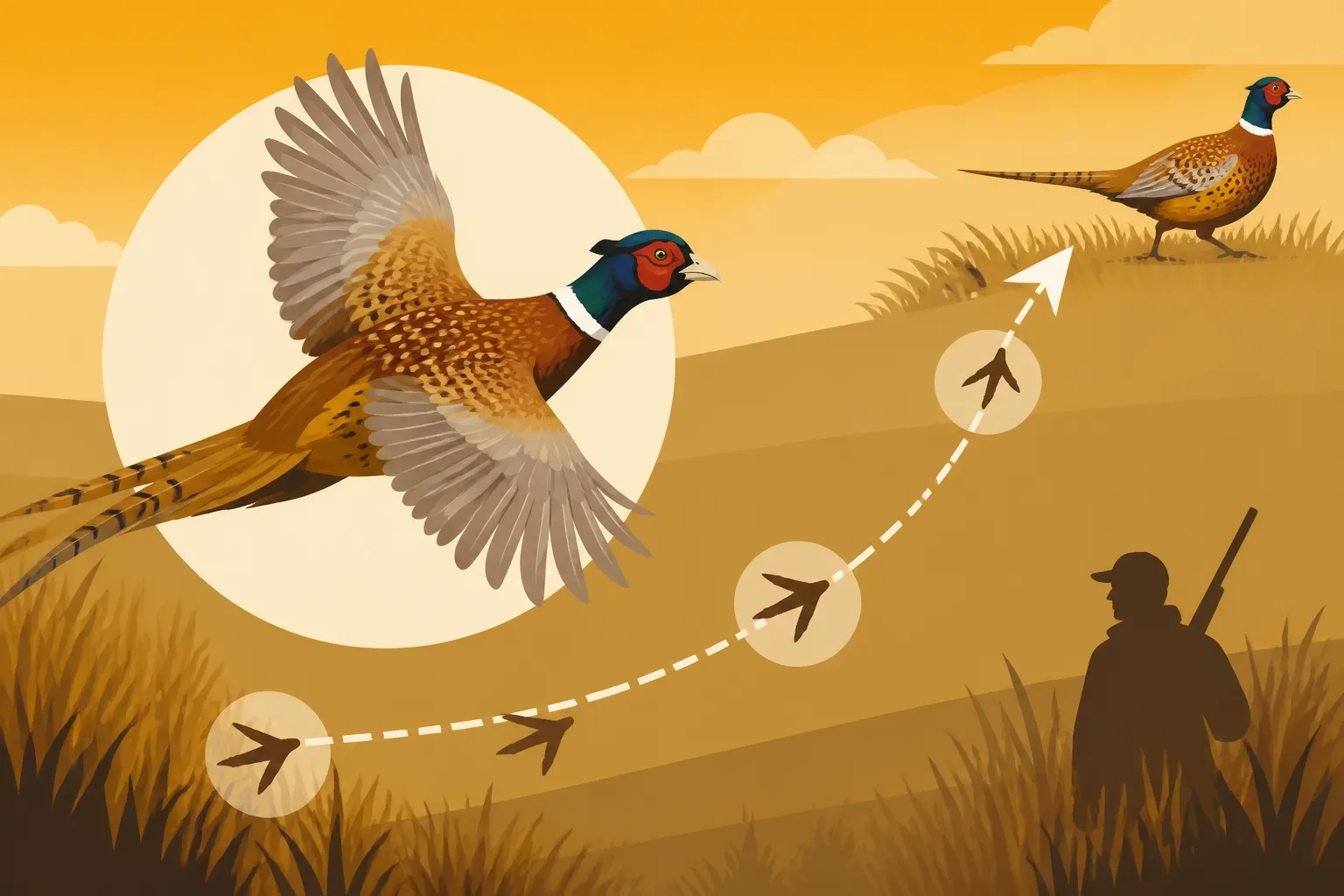
Ever spent hours tramping through a promising Kansas milo field only to feel like the pheasants vanished into thin air? It's a common experience, and it often boils down to misunderstanding just how far those wily birds are willing to travel in a single day. Those vibrant roosters aren't just sitting still waiting for us; they're constantly on the move, driven by instinct and environment. This guide will dive deep into the fascinating daily migrations of Kansas pheasants, helping you anticipate their movements and increase your success in the field.
The Daily Commute: What Drives Pheasant Movement
Pheasants are incredibly adaptable birds, and their daily movements are a complex dance influenced by a variety of factors. It's not just a random stroll; it's a calculated, instinctual journey designed for survival. Understanding these drivers is the first step in predicting where you might find them.
Food and Water Availability
Just like us, pheasants need to eat and drink, and these basic necessities are huge motivators for movement. A pheasant's diet in Kansas often consists of waste grain from crop fields (corn, milo, wheat), seeds from weeds, and insects. If food sources are abundant right next to heavy cover, they might not travel far at all. However, if their preferred dining spot is a good distance from their safe haven, they'll make the trek.
Consider a large CRP field that offers fantastic nesting and loafing cover, but the nearest reliable food source is a quarter-mile away in a cut cornfield. You can bet those pheasants will make that journey, often at dawn and dusk. The availability of water, whether from dew, small puddles, or even succulent plant matter, also plays a role, especially in dryer parts of western Kansas. A skilled hunter using tools like GoHunt to analyze satellite imagery can often spot these transitions and plan their approach.
Cover for Roosting, Loafing, and Escape
Pheasants are acutely aware of their vulnerability to predators, both aerial and ground-based. This makes dense cover paramount. They need safe places to roost at night, often in taller, thicker grass or brush. During the day, they need loafing cover – areas where they can rest, dust bathe, and digest their meals without feeling exposed. And crucially, they need escape cover, places they can dive into when danger (like a hunter) approaches.
The type and proximity of these different cover types heavily dictates their travel. A rooster might fly from a secure roost in a thicket, feed in a nearby field, and then move to a more open, yet still secure, patch of grass for midday loafing, before returning to his evening roost. These movements can be relatively short if the habitat mosaic is rich, or surprisingly long if they have to seek out specific types of cover. This is a critical aspect when scouting Kansas Walk-In Tracts Before the Opener.
Weather Conditions
Kansas weather can be a real game-changer for pheasant movement. Extreme cold, heavy snow, or strong winds can drastically alter their behavior. On bitterly cold days, pheasants might seek out incredibly dense thermal cover, like thick cedar thickets, plum thickets, or even standing corn, and reduce their movements to conserve energy.
Wind, particularly strong Kansas winds, can make pheasants incredibly edgy. They'll often move to the leeward side of cover (the side protected from the wind) to avoid the constant buffeting and to hear approaching dangers more easily. Deep snow can cover food sources, forcing them to travel further to find exposed grain or weed seeds, or to areas where farmers have put out feed. Conversely, mild, calm days might see them more spread out and less prone to travel great distances between different cover types.
Typical Daily Movement Patterns of Pheasants
Understanding the general rhythm of a pheasant's day can give you a significant edge. While every bird and every day is different, there are common patterns you can observe and exploit.
Morning Flight to Feeding Areas
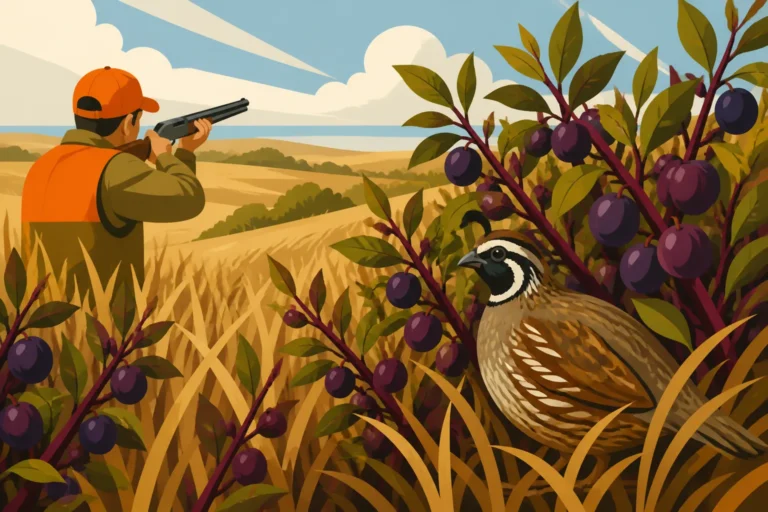
As dawn breaks, pheasants emerge from their roosting cover, typically taller grasses, cattails, or dense brush. Their first priority is food. They'll often make a beeline, sometimes even a short flight, to nearby feeding areas. This could be a cut milo field, a picked cornfield, or a field rich with weed seeds. This morning commute is one of the most predictable movements you'll encounter.
The distance they travel can vary. If a secure roost is right on the edge of a standing cornfield that's been recently cut, they might only move a few dozen yards. However, if the best food source is across a road and a fallow field, they might travel a quarter to a half-mile. Hunters often focus on these transitional areas – the edges between heavy cover and food – during the early morning hours, as this is prime time for birds to be moving and actively feeding.
Midday Loafing and Secondary Feeding
After their initial morning meal, pheasants will generally seek out loafing cover. This might be a slightly less dense patch of grass than their roost, a brushy fence line, or even the sunny side of a shelterbelt. Here, they'll rest, preen, and digest their food. They become less active and more reluctant to flush unless directly disturbed.
Sometimes, especially on shorter winter days, they might engage in a secondary, less intense feeding period midday if they feel secure. This usually involves picking up seeds close to their loafing cover. The movement during this period is typically minimal, often just a few dozen yards within a larger patch of cover. This is why working dense cover thoroughly during the midday hours can be so productive; the birds are there, just hunkered down.
Evening Return to Roost
As the afternoon wanes and dusk approaches, pheasants will begin their journey back to their primary roosting areas. This movement is similar to their morning commute, often retracing their steps or using established travel corridors. They are seeking the safety and protection of dense cover for the night.
This evening flight can also be a good opportunity for hunters, especially if you've been observing birds or know their likely roosting locations. You might find them moving from an open feeding field towards the thicket or CRP field where they intend to spend the night. Their reluctance to leave cover late in the day means that pushing prime roosting habitat just before dark can sometimes yield flushes.
| Movement Phase | Typical Timing | Primary Motivation | Estimated Distance Traveled | Notes |
|---|---|---|---|---|
| Morning Commute | Dawn – Mid-morning | Food | 100 yards – 0.5 miles | Often direct, sometimes a short flight |
| Midday Loafing | Late morning – Mid-afternoon | Rest, digestion, safety | 20 – 200 yards (within cover) | Minimal movement, hunkered down |
| Evening Return | Late afternoon – Dusk | Roosting, safety | 100 yards – 0.5 miles | Retracing steps to secure cover |
| Escape/Dispersal | Anytime (under pressure) | Predator avoidance | 0.5 – 2+ miles | Highly variable, often involves flying |
The Impact of Hunting Pressure and Other Disturbances
Nothing alters a pheasant's movement patterns quite like hunting pressure. These birds quickly learn to adapt, and what might be a predictable daily pattern on an unpressured piece of ground can completely fall apart once hunters are in the field.
Evasive Maneuvers from Hunters and Dogs
When pheasants encounter hunters, especially with dogs, their primary instinct is survival. They will run, often using dense cover to evade detection. A pheasant can run incredibly fast and silently through thick grass or brush, covering significant ground without ever flushing. They learn patterns quickly. If you always push a field from the south, they'll often run north and then circle around the sides.
If running isn't an option or they feel too threatened, they will flush. A flushed pheasant might fly a few hundred yards or, under heavy pressure, might fly for a mile or more to reach another block of secure cover. This is particularly true if they're pressured repeatedly. They'll often head for the thickest, nastiest cover available, whether that's a distant timber edge, a dense plum thicket, or a creek bottom. This kind of evasive action makes it tough to pin them down, which is why techniques like Blocking and Driving Kansas Milo Fields can be effective.
Relocation to Unpressured Areas
Consistent hunting pressure on a particular tract of land will often cause pheasants to relocate entirely. If a public hunting area or a specific section of a Walk-In Hunting Access (WIHA) tract sees continuous hunter traffic day after day, the pheasants that survive will often move to adjacent private land where pressure is lighter, or to less accessible parts of the public land.
This "pressured movement" can be one of the most frustrating aspects of pheasant hunting. You might scout a perfect field only to find it devoid of birds after opening weekend, simply because they've moved on. This is where understanding Hunting Pressure Patterns on Kansas Public Land becomes vital. They might not move far in terms of miles, but they'll move far enough to find a sanctuary, often just across a fence line or into an overlooked corner of a large field. This is why having tools like GoHunt that help you quickly identify different property boundaries can be invaluable.
The Shift to Nocturnal Behavior
In areas with intense pressure, pheasants may even shift some of their feeding activities to after dark or before dawn to avoid human interaction. While they won't become truly nocturnal, their active periods during daylight hours might shrink, making them even harder to find. They might only venture out of extreme cover for very brief periods, or they might stick to the very edges of thickets, making long pushes through open fields less productive.
This subtle shift means that mid-morning or mid-afternoon hunts might yield fewer birds, as they are hunkered down deep in cover. It emphasizes the importance of hunting early and late in the day when birds are most likely to be moving to and from their feeding and roosting sites, or focusing your efforts on Working Pheasant Fields Without a Dog by pushing birds into blocking hunters.
Strategies for Using Movement Knowledge to Your Advantage
Knowing how far pheasants move isn't just an academic exercise; it's a practical tool to refine your hunting strategies. By understanding their daily routine and how external factors influence it, you can position yourself for greater success.
Targeting Transitional Areas
Since pheasants move between food, cover, and water, their travel routes often become predictable. Focus your efforts on transitional areas: the edges of a CRP field bordering a picked cornfield, a brushy draw leading into a milo stubble field, or a thin shelterbelt that acts as a highway between two larger blocks of cover.
These are the pinch points and travel corridors where you're most likely to intercept birds that are actively moving. If you're hunting with a group, positioning blockers at the end of these corridors, or at fence lines where pheasants might escape into adjacent property, can be incredibly effective. Always be thinking, "If I were a pheasant, how would I get from here to there safely?" Tools like GoHunt can help you visualize these transitions on a map, making your in-field scouting much more efficient.
Adapting to Time of Day and Weather
Your hunting strategy should never be static. Early morning, focus on the edges of feeding fields, especially those close to roosting cover. As the sun gets higher, shift your attention to dense loafing cover – the nastier the better. In the late afternoon, consider working your way towards known roosting areas.
Weather also plays a huge role. On cold, windy days, target thermal cover and the leeward sides of heavy vegetation. In deep snow, look for areas with exposed food or south-facing slopes that melt faster. Late-Season Food Source Hunting becomes paramount when natural forage is buried. Being flexible and observing the conditions on the ground will tell you where the birds are most likely to be spending their time, and consequently, how far they've moved from their typical spots.
Managing Hunting Pressure Effectively
On public lands or frequently hunted private ground, you need to think about how your presence, and that of other hunters, affects pheasant movement. If you're working a field and aren't finding birds, they might have moved to a different part of the property or even off it entirely. Instead of endlessly pushing empty ground, consider changing tactics.
This could mean trying a different field, resting an area for a few hours, or scouting adjacent cover that might serve as a refuge. If you're working with a group, coordinate your movements to keep birds moving within the desired boundaries, rather than letting them slip away. Understanding Hunting Pressure Patterns on Kansas Public Land will help you anticipate where pheasants might escape to. Sometimes, a short, sharp push into a small, overlooked patch of cover can yield big results, precisely because those birds have moved there to escape pressure elsewhere. Remember, a pheasant that has flown a mile after being flushed once will be incredibly wary.
Scouting for Key Habitat Features
Effective pheasant hunting begins long before you set foot in the field, often with e-scouting using platforms like GoHunt. Look for the mosaic of habitat features that encourage pheasant movement and provide sanctuary. Identify areas with diverse cover: tall grasses, plum thickets, brushy draws, standing crop residues (especially milo or corn), and even small timber edges.
Pinpoint reliable food sources and potential water points. Then, connect the dots. How would a pheasant move between these critical components? Are there natural funnels or pinch points that would concentrate their travel? The more you understand the landscape and how it supports a pheasant's daily needs, the better you'll be at predicting not just where they are, but how far they're willing to travel to get there.
The daily travels of a Kansas pheasant are a testament to their survival instincts. They are constantly navigating their environment, seeking food, cover, and safety. By understanding these movements, from their morning commute to their evening roost, and factoring in the ever-present impact of weather and hunting pressure, you can become a more effective upland bird hunter. It's about thinking like a pheasant, anticipating their next move, and being in the right place at the right time.
Disclaimer
This article is for general informational purposes only and does not constitute professional advice. Laws, prices and regulations vary by location and change over time. Consult a qualified professional for guidance on your specific situation.