Mule Deer Numbers in Western Kansas
Hunting mule deer in Kansas can feel like chasing a ghost in the vast western landscapes. For many years, hunters have held onto the dream of spotting those big ears and a forked rack against the Kansas prairie, but the reality is that their numbers have been a real concern. This guide is going to dive deep into the current status of mule deer populations in Western Kansas, exploring where they live, what challenges they face, and what the future might hold for these iconic prairie inhabitants.
Understanding the Unique Challenges for Mule Deer in Western Kansas
When we talk about deer in Kansas, most people immediately think of whitetails. And for good reason – whitetails are abundant, found across the entire state, and their numbers are generally thriving. However, mule deer are a different story entirely. They are creatures of the open, rugged country, and Kansas is simply at the eastern edge of their natural range. This puts them in a precarious position, facing unique challenges that whitetails often don't.
The Contrast with Whitetails
It's easy to get caught up in the excitement of a Kansas deer hunt, but it's crucial to understand that mule deer and whitetails are fundamentally different in their biology, behavior, and habitat needs. Whitetails are brush and timber dwellers, perfectly adapted to the river bottoms, creek draws, and shelterbelts that crisscross much of Kansas. They thrive on agricultural crops and dense cover. Mule deer, on the other hand, prefer wide-open spaces, rough breaks, and sparse, arid environments. They often roam larger home ranges and are less dependent on agricultural crops, favoring native forage. This difference in preference means that the same conditions that help whitetail numbers boom can sometimes be detrimental or at least less beneficial to mule deer. It's a constant balancing act in the ecosystems of Western Kansas, and sometimes, mule deer draw the short straw. Understanding the distinctions between these two species is vital for appreciating why their population dynamics are so different.
Habitat Specialization and Limitations
Mule deer are highly specialized in their habitat requirements, much more so than their whitetail cousins. They need large tracts of undisturbed native rangeland, often interspersed with draws, canyons, or rough breaks that offer escape cover and thermal regulation. The vast majority of Kansas is dominated by agriculture – massive fields of wheat, corn, and milo. While beneficial for whitetails, these expansive monocultures don't provide the diverse, rugged habitat that mule deer need to truly flourish. The subtle nuances of their preferred terrain, like the slight elevation changes and sparse woody cover found in the deep western counties, are paramount for their survival and reproduction. This specialization means that even small changes in land use or weather patterns can have a disproportionately large impact on mule deer populations, making them particularly vulnerable in an ever-changing landscape. It really highlights why you can't just hunt them like you would a whitetail.
Where to Find Mule Deer: Key Regions and Habitats
If you're dreaming of a mule deer hunt in Kansas, you need to set your sights squarely on the westernmost counties. This isn't a species you'll encounter by chance in the eastern half of the state, or even much of central Kansas. Their range is specifically limited, and knowing these key regions is the first step in understanding their population distribution.
Geographic Concentration by County
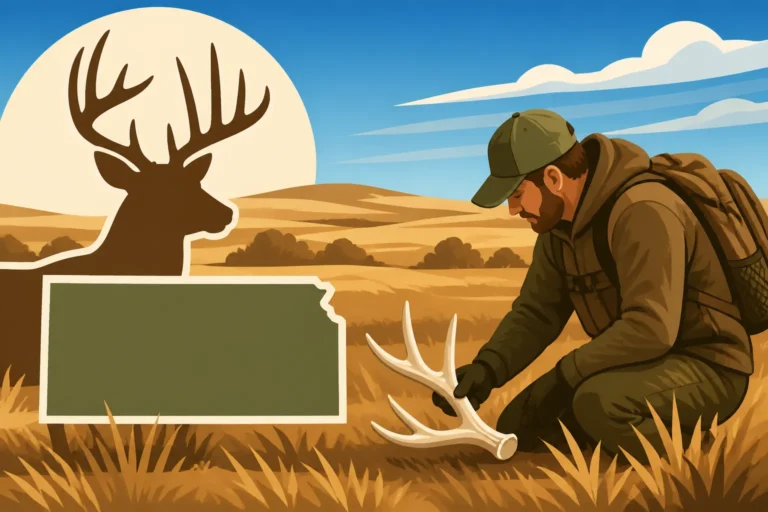
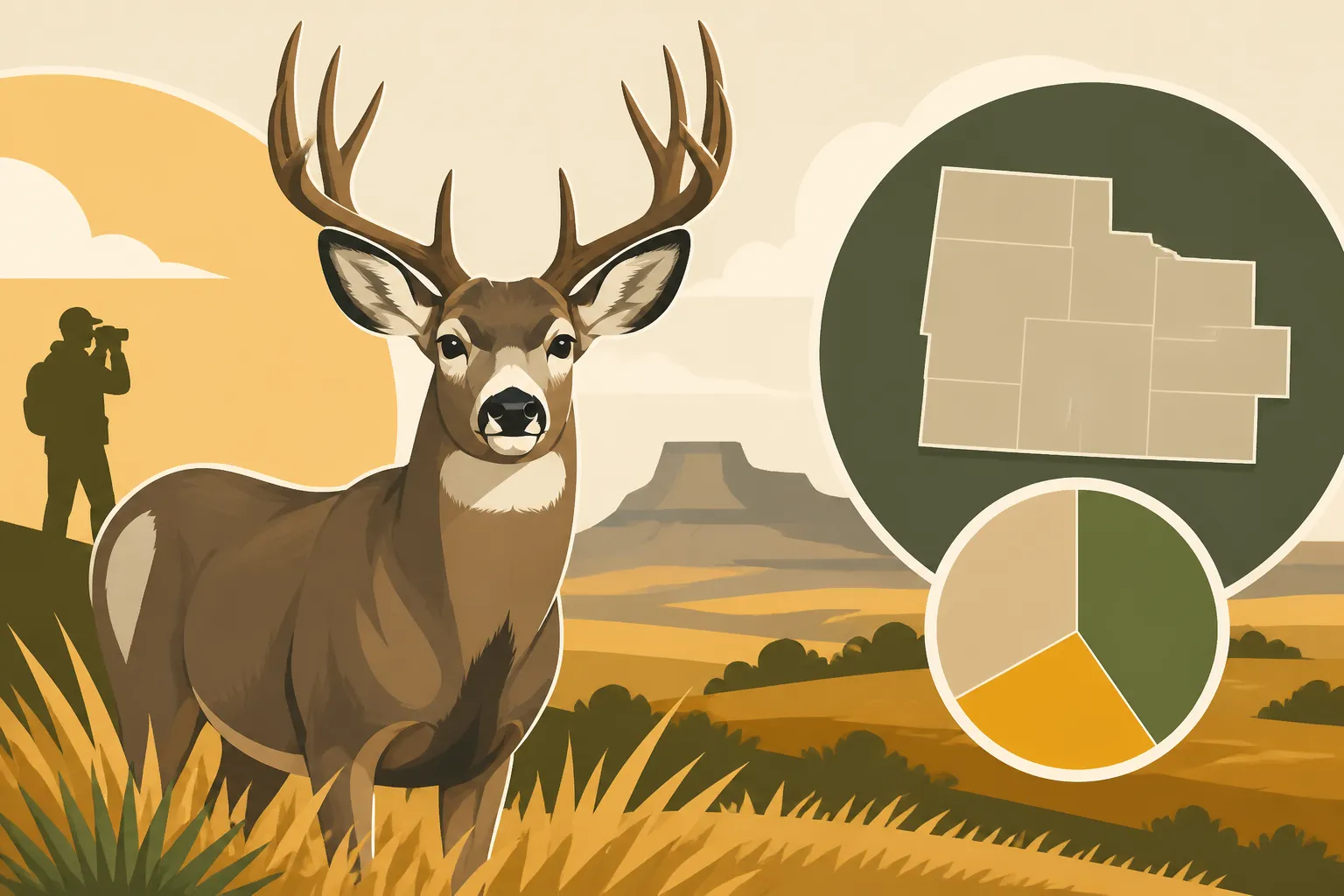
Mule deer in Kansas are predominantly found in the far western tier of counties, bordering Colorado. Think counties like Morton, Stanton, Hamilton, Wallace, Greeley, Wichita, and Cheyenne. These are the areas where the landscape begins to truly transition into the High Plains, characterized by less timber, more open grasslands, and breaks associated with dry creek beds or subtle elevation changes. While they might occasionally be sighted further east, their consistent populations and breeding grounds are centered in these western strongholds. Even within these counties, their distribution isn't uniform. You'll find pockets where they are more common, often dictated by specific habitat features. If you're looking at a map, draw a line roughly north-south along Highway 283; anything west of that is where you might start to see them, with the highest concentrations further west. For detailed unit information, it's always a good idea to consult resources like the official guide to Kansas Deer Units 1 Through 19 to identify which units overlap with known mule deer habitat.
Reading the Landscape for Mule Deer Sign
Hunting mule deer isn't just about knowing which county; it's about understanding what kind of terrain within those counties they prefer. Mule deer are often found in the wide-open prairie, but they will seek out subtle changes in elevation, deep draws, erosional cuts, and what little patchy cover exists. They use these features for bedding, travel corridors, and escape routes. When you're scouting, look for isolated stands of cedars, plum thickets, or even just a deep, winding dry creek bed with slightly taller vegetation. These areas, seemingly insignificant to the untrained eye, can be magnets for mule deer. They also tend to utilize different parts of their range based on the time of year and weather conditions, often moving into more sheltered areas during harsh winter storms or seeking water sources during dry spells. E-scouting tools, such as GoHunt, can be incredibly useful for dissecting these vast landscapes from home, helping you pinpoint potential hideouts and travel routes before you even set foot on the ground. This kind of detailed analysis of Mule Deer Range in Western Kansas helps you understand their movement patterns.
Factors Influencing Mule Deer Population Trends
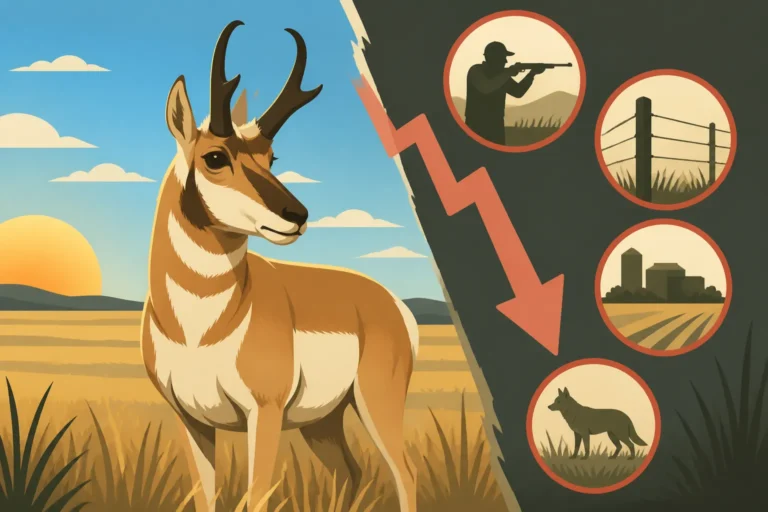
Mule deer populations are sensitive. More so than whitetails, they tend to fluctuate significantly in response to a variety of environmental and human-related factors. These factors are often interconnected, creating a complex web of influences that dictate whether their numbers are on the rise or in decline.
Environmental Impacts: Drought and Blizzards
Western Kansas is no stranger to extreme weather. Cycles of severe drought and intense blizzards can have devastating effects on mule deer. Drought conditions reduce available forage and critical water sources, stressing does and fawns, leading to lower fawn survival rates and reduced overall herd health. A weakened doe might not breed, or if she does, her fawn could be born too small to survive. Conversely, brutal blizzards, especially those with prolonged cold and deep snow, can also be catastrophic. Mule deer, despite their adaptations to open country, struggle to find food under deep snow, and severe cold saps their energy reserves. These weather events can cause significant die-offs, particularly among fawns and older animals, setting back population recovery for several years. The plains environment is harsh, and mule deer pay a heavier price than the more adaptable whitetail in many cases. Understanding these environmental impacts is crucial for appreciating the fragility of mule deer numbers.
Habitat Changes and Agricultural Practices
The changing face of Western Kansas agriculture also plays a huge role. While whitetails often benefit from crops, large-scale, intensive farming practices can fragment and degrade the specific native grassland and rangeland habitats mule deer rely on. The conversion of native prairie to cropland, the removal of sparse woody draws for easier cultivation, and even certain grazing practices can reduce the quality and quantity of mule deer habitat. Furthermore, the expansion of human development, albeit slow in these remote areas, can also displace deer and disrupt their traditional movement patterns. It's a constant push and pull between agricultural needs and wildlife conservation, and finding a balance is key for the long-term viability of mule deer populations. The subtle changes in the landscape, often driven by economic decisions on a grand scale, collectively impact these animals.
Disease and Predation Pressures
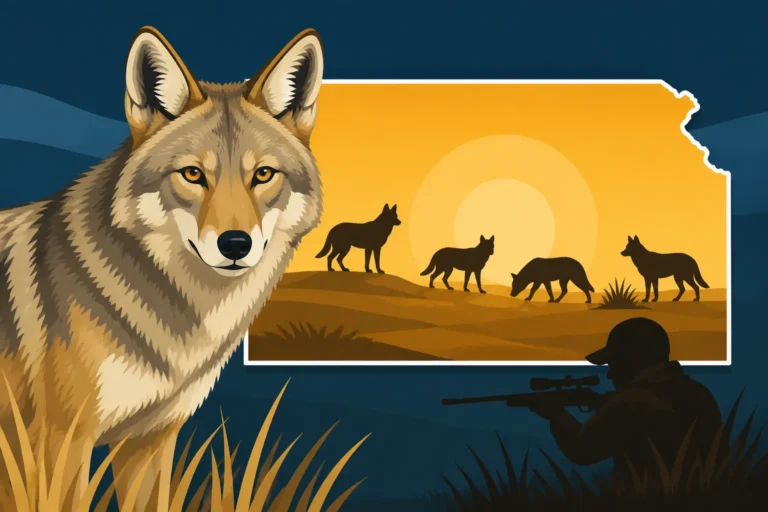
Like all deer species, mule deer are susceptible to various diseases, with Chronic Wasting Disease (CWD) being a significant long-term concern. While the prevalence of CWD can vary, any outbreak has the potential to impact herd health and survival rates. Beyond disease, predation also plays a role, particularly on fawns. Coyotes are abundant across Kansas, and while they primarily prey on fawns and weakened adults, their impact can be more pronounced when other factors, like drought, have already stressed the herd. Fawn recruitment – the number of fawns that survive to adulthood – is a critical metric for population health, and both disease and predation can significantly depress these numbers. Learning more about Coyote Calling in Open Kansas Country can give insight into some of the predator control measures some land managers use.
Hunting Pressure and Management Strategies
Hunting pressure, especially for a highly desired trophy animal like a mule deer buck, must be carefully managed to ensure sustainable populations. Kansas utilizes a draw system for mule deer permits, often referred to as The Kansas Mule Deer Stamp Draw, to control harvest numbers and protect the population. This system allocates a limited number of permits, primarily in specific western units known for mule deer. The intent is to provide hunting opportunities while preventing overharvest, especially of mature bucks, which are essential for breeding and herd health. Hunters using tools like GoHunt often research historical draw odds to strategize their application for these coveted tags. The Kansas Department of Wildlife, Parks, and Tourism (KDWP) continuously monitors population trends, harvest data, and habitat conditions to adjust permit numbers and regulations, striving for a balance between hunter demand and species conservation. This careful management is crucial, as is understanding Which Kansas Units Qualify for a Mule Deer Stamp when applying.
The Future of Mule Deer Hunting in Kansas
The presence of mule deer in Kansas, while limited, represents a unique hunting opportunity that many deeply value. However, their future isn't guaranteed and depends heavily on ongoing conservation efforts, intelligent management, and the support of the hunting community.
Conservation Efforts and Outlook
The long-term outlook for mule deer in Kansas hinges on dedicated conservation efforts. This often involves habitat restoration projects, working with landowners to implement wildlife-friendly agricultural practices, and protecting key tracts of native rangeland. Programs that encourage landowners to preserve native prairie or improve existing habitat can be incredibly beneficial. The KDWP plays a critical role in monitoring populations, conducting research, and adapting management strategies as conditions change. While mule deer numbers are likely to remain lower than whitetails, there is hope that through sustained effort, these populations can remain stable and even see modest increases in localized areas. The passionate community of hunters and conservationists who value this unique species are crucial advocates for their future.
Navigating the Mule Deer Draw
For hunters, accessing the opportunity to pursue a Kansas mule deer is predominantly through the draw system. Unlike whitetails, where nonresident permits are more numerous, mule deer tags are limited and highly sought after. This means understanding the application process, draw odds, and permit types is paramount. The Kansas Deer Application Window in April is a critical time for those hoping to draw a coveted mule deer stamp. Patience is often a virtue, as it can take multiple years of applying and accumulating preference points to finally draw a tag. Many hunters rely on online tools and historical data, often found on platforms like GoHunt, to refine their application strategy, choosing their primary and adjacent units carefully. It's a challenging but rewarding pursuit that tests a hunter's dedication and long-term planning, making the successful drawing of a tag an achievement in itself, even before the hunt begins.
| Characteristic | Mule Deer | Whitetail Deer |
|---|---|---|
| Ear Size | Large, mule-like | Smaller, proportionate |
| Antler Growth | Typically forks (dichotomous branching) | Main beam with tines (nontypical variations) |
| Tail Appearance | Rope-like, white with black tip | Broad, flag-like, white underside |
| Locomotion | Stotting (bounding on all four feet) | Running, galloping |
| Habitat Focus | Open plains, breaks, arid rangeland | Dense cover, timber, river bottoms |
| Range in Kansas | Western tier of counties | Entire state |
| Numbers in Kansas | Low, localized, draw-only permits | Abundant, widespread, more permits available |
Disclaimer
This article is for general informational purposes only and does not constitute professional advice. Laws, prices and regulations vary by location and change over time. Consult a qualified professional for guidance on your specific situation.