Why Kansas Produces Big Whitetail Bucks
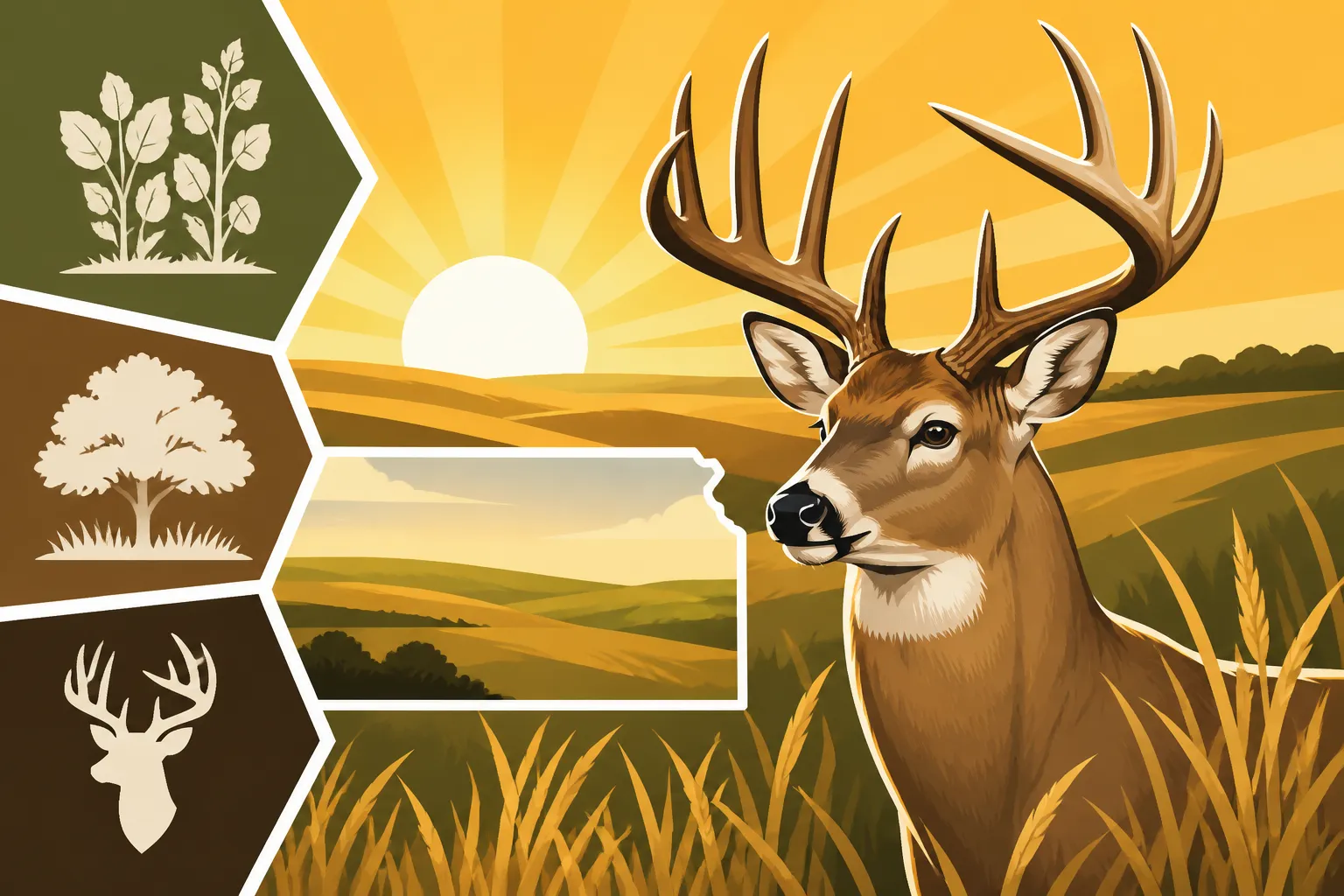
If you've ever scrolled through hunting magazines or social media, you've undoubtedly seen the pictures: massive whitetail bucks with towering racks, often proudly tagged in Kansas. It's enough to make any hunter wonder, what's their secret? It’s a question many ask, and it’s not just hype. Kansas truly does produce some incredible whitetails, and this guide is going to break down the key reasons why our state consistently delivers those impressive, heavy-horned deer.
The Foundation: Rich Soil and Abundant Nutrition
It all starts from the ground up, quite literally. Kansas is blessed with incredibly rich, fertile soils, a legacy of millennia of tallgrass prairie. This isn't just good for growing corn and soybeans; it's phenomenal for growing big, healthy whitetail deer.
The Impact of Agriculture on Deer Diet
Imagine a deer living in a marginal habitat, perhaps a dense forest with poor undergrowth. Its diet might consist of browse that's barely keeping it alive, let alone allowing it to express its full genetic potential. Now, picture a Kansas whitetail. These deer are feasting on a smorgasbord of high-protein agricultural crops. We're talking standing corn, harvested grain fields, lush alfalfa, and soybeans. This isn't just filler; these are nutrient-dense foods available in vast quantities, especially from late summer through winter. It's like a deer living in a five-star restaurant, all year long. This consistent access to high-quality forage provides the energy and protein needed for robust body growth and, crucially, antler development.
Beyond the immediate crop fields, the edges and timber patches surrounding this agricultural bounty also benefit. Deer forage in these areas, but they’re never far from the calorie-rich fields. The nutritional boost from these crops means does are healthier and produce stronger fawns, and bucks have all the building blocks they need to maximize their growth. This abundance of food also helps deer navigate the stresses of winter and recover quickly, ensuring they are in prime condition when antler growth begins anew each spring.
Soil Fertility and Antler Growth
The connection between soil, crops, and antlers is often overlooked, but it's a critical piece of the puzzle. Kansas soils are naturally rich in essential minerals like calcium, phosphorus, and other trace elements. When these minerals are present in the soil, they are absorbed by the plants—the corn, soybeans, alfalfa, and native browse—that deer consume. These minerals then become the literal building blocks for bone and antler growth. If you look at our agricultural output, it's clear the soil is productive, and that productivity directly translates to deer health.
A deer's body prioritizes survival and basic maintenance first. If it's struggling to find enough food to just exist, it won't have excess nutrients to divert towards growing massive antlers. In Kansas, however, the sheer volume and quality of feed mean that deer rarely face such nutritional stress. The consistent supply of mineral-rich food allows bucks to funnel an incredible amount of energy and nutrients into growing impressive racks each year. This is a significant factor in Why Kansas Produces Big Whitetail Bucks with remarkable mass and tine length. You can literally taste the difference in the soil through the venison, which is often incredibly lean and well-marbled from this diet.
Genetics and Herd Management Philosophies
While nutrition provides the fuel, good genetics and sound management strategies are the engine and the driver. Kansas has a healthy deer herd with a strong genetic base for growing large antlers, and our hunting culture, often driven by nonresident hunter interest, has implicitly supported an older age structure.
Natural Selection and Buck Age Structure
It’s a simple truth: for a buck to grow a truly massive rack, it needs to live long enough to do it. A 1.5-year-old buck, no matter how good its genetics or nutrition, simply hasn't had the time to fully develop its antlers. Kansas has a strong tradition of hunters passing on younger deer, whether consciously or unconsciously, thanks to the allure of bigger bucks. This self-selection, combined with regulatory frameworks that favor quality over quantity in some respects (especially for non-residents), has led to a healthier Buck Age Structure in Kansas. Bucks often reach 3.5, 4.5, or even 5.5+ years old, which is when they hit their peak antler potential.
The combination of abundant nutrition and an older age class allows bucks to fully express their genetic potential. We're not talking about some secret "super deer" genetics, but rather the natural outcome of providing optimal conditions for a wild animal. When a buck can consistently eat well and avoids harvest for a few seasons, its body dedicates more resources to antler growth year after year. This means not just more points, but significantly more mass, tine length, and overall circumference. It’s a beautiful cycle of survival, sustenance, and stewardship.
Hunting Pressure and Smart Management
Kansas has a unique hunting dynamic. While resident hunters have over-the-counter permits, nonresident permits are allocated through a draw system, making them a coveted commodity. This creates an environment where hunters are often willing to invest significant time and effort, and typically target mature animals. This pursuit of trophy animals, whether by choice or necessity due to the investment, puts less pressure on younger bucks. The lower number of nonresident permits, compared to some other states, combined with extensive agricultural lands, spreads hunting pressure out.
Many landowners and hunters also practice quality deer management on their private properties, often letting smaller bucks walk in hopes of harvesting a true giant. This unofficial "management" contributes significantly to the number of mature bucks roaming the landscape. When planning your hunt, whether it’s a DIY adventure or a guided trip, understanding Kansas Deer Permits and the Nonresident Draw is crucial, as the system itself promotes thoughtful hunting. Even on public lands, hunters using tools like GoHunt can analyze historical draw odds and unit characteristics, helping them make informed decisions that align with these broader management trends.
Ideal Habitat Blend: Cover, Water, and Food
Beyond the food, deer need a place to live, hide, and breed. Kansas offers an incredible mosaic of habitat types that provide everything a whitetail needs to thrive, often in close proximity.
CRP, Timber, and Creek Bottoms
The Kansas landscape is a checkerboard of agricultural fields, but it's not just open country. Interspersed throughout are crucial areas of cover. The Conservation Reserve Program (CRP) lands, with their tall, dense native grasses, offer fantastic bedding cover and fawning areas. These thickets provide security from predators and harsh weather, allowing deer to feel safe and rest undisturbed. Adjacent to these open grasslands, you'll find timbered draws, shelterbelts, and significant river and creek bottoms. These riparian corridors, often winding through otherwise open farmland, are natural travel lanes for deer.
These diverse habitats are often found within a deer's relatively small home range in agricultural country. A buck might bed in a secluded CRP Grass and Where Bucks Bed, then slip into a nearby timber strip to browse, and eventually make its way to a standing cornfield under the cover of darkness. This incredible diversity of high-quality cover types, strategically placed near abundant food sources, minimizes stress on the deer, allowing them to conserve energy and dedicate more resources to growth. Even small, isolated pockets of timber or dense brush become critical sanctuaries in this agricultural landscape. Hunters who know Scouting Kansas River Bottoms and Creek Draws will tell you these areas are goldmines for deer activity.
Water Sources in an Agricultural Landscape
Water is often a limiting factor for wildlife in many parts of the country, especially in drier regions. However, in much of Kansas, water is readily available. Between the numerous rivers and creeks, farm ponds, and even temporary playas in some western areas, deer rarely have to travel far for a drink. This might seem like a minor detail, but easy access to water, especially during hot periods or when does are lactating, is essential for overall deer health and metabolism.
The presence of water sources also directly influences deer movement patterns and where they choose to bed or feed. A secluded pond within a CRP field or a slow-moving creek running through a timber block creates a complete package of survival necessities. Deer don't have to expend extra energy searching for water, and this again contributes to their overall health and ability to put energy into growing antlers. Understanding the subtle influences of Water Sources in Dry Western Kansas can be key to unlocking deer patterns in less timbered regions.
Understanding the Kansas Deer Draw and Regulations
Kansas’s approach to hunting regulations, particularly for nonresidents, plays a significant role in maintaining a quality deer herd. It's a system that balances opportunity with managing herd health and hunter pressure.
Non-Resident Opportunities and Permit Strategy
For many nonresident hunters, drawing a Kansas deer permit is a significant achievement and investment. The draw system, which often requires building Kansas Preference Points Explained over several years for some units, limits the number of hunters and encourages targeting mature animals. This creates a perceived value for the permit, prompting hunters to be more selective in their harvest. The system essentially helps enforce quality deer management from the top down. Nonresident hunters usually arrive with a specific goal: to harvest a mature buck, rather than just any deer.
Knowing How to Apply for a Kansas Nonresident Deer Permit and understanding the draw odds for different units is vital. Many hunters use tools like GoHunt to research unit performance and strategize their application. This careful planning, along with the limited number of permits, means that nonresident hunting pressure is generally lower and more focused on mature bucks, contributing to the state's reputation for trophy whitetails.
The Draw Process: Dates, Units, and Choices
The Kansas draw process has specific timelines and choices that impact a hunter's success. It typically opens in April, giving hunters a window to submit their applications. Choosing a Primary and Adjacent Kansas Unit is one of the most critical decisions, as different units have varying draw odds and deer densities. Hunters need to carefully consider their preferred weapon choice on a Kansas Weapon Choice on a Deer Application as this can also influence their chances of drawing a permit.
It's not just about getting a permit; it's about getting the right permit for your hunting goals. For example, some units might offer higher chances for a whitetail, while others have a limited population of mule deer, requiring a separate Mule Deer Stamp Draw. The complexity ensures that those who secure permits are often well-researched and committed to a successful, often trophy-oriented, hunt. This detailed approach to permit allocation helps distribute pressure and maintains a sustainable harvest, benefiting the overall health and age structure of the Kansas deer herd.
| Factor | Impact on Whitetail Deer | Contribution to Big Bucks |
|---|---|---|
| Rich Agricultural Soils | Provides essential minerals for plant growth. | Directly contributes to mineral-rich food for antlers. |
| Abundant Crop Nutrition | High-protein, high-calorie food sources (corn, beans, alfalfa). | Fuels robust body growth and significant antler development. |
| Older Buck Age Structure | Bucks survive to maturity (3.5+ years). | Allows full genetic potential for antler size and mass to be realized. |
| Diverse Habitat (CRP, Timber, Water) | Provides secure bedding, travel corridors, and hydration. | Reduces stress, conserves energy for growth, supports healthy does and fawns. |
| Nonresident Draw System | Limits hunter numbers, encourages selective harvest. | Reduces pressure on young bucks, increases mature buck populations. |
| Landowner Management | Many private landowners practice QDM, passing younger bucks. | Augments state-level management, fostering an older age class. |
| Genetic Potential | Strong natural genetics for large antler growth. | Maximized by nutrition, age, and low stress. |
Disclaimer
This article is for general informational purposes only and does not constitute professional advice. Laws, prices and regulations vary by location and change over time. Consult a qualified professional for guidance on your specific situation.