Lesser Versus Greater Prairie Chickens
Lesser and greater prairie chickens in Kansas, their distinct habitats, conservation statuses, physical traits, and hunting opportunities.
Know what you’re after.
Big game, small game, upland birds, and waterfowl — identification, behavior, rut and migration timing, and how each species moves through the season.
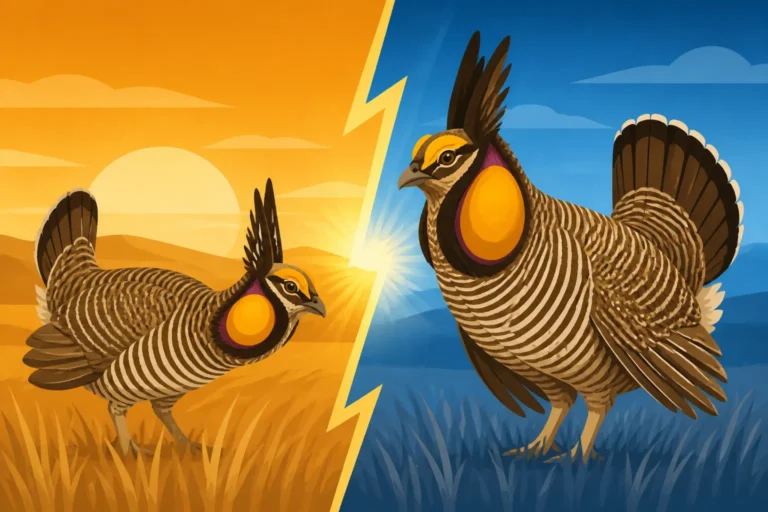
Lesser and greater prairie chickens in Kansas, their distinct habitats, conservation statuses, physical traits, and hunting opportunities.
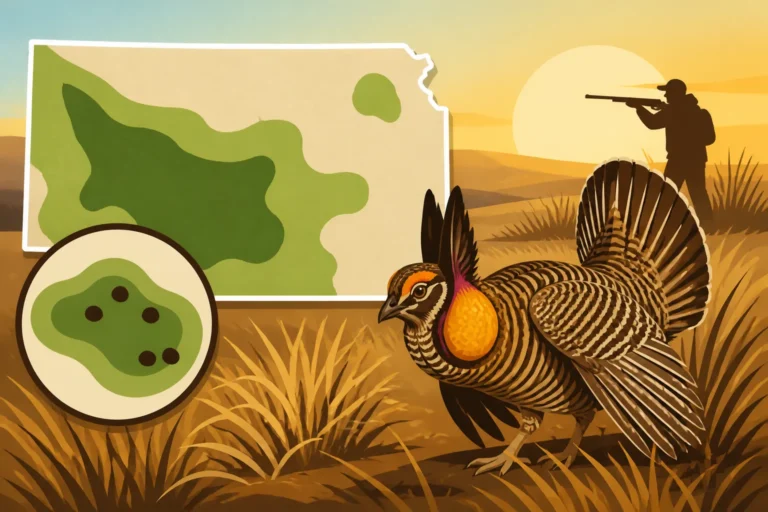
Kansas prairie chicken ranges, habitats, and lekking behaviors help identify Greater and Lesser species across grasslands.
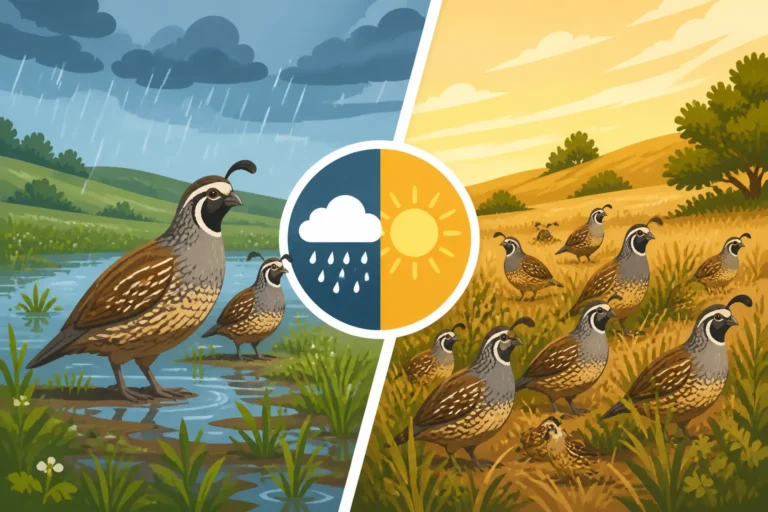
Spring rainfall in Kansas dictates bobwhite quail nesting success and chick survival rates before the fall hunting season.
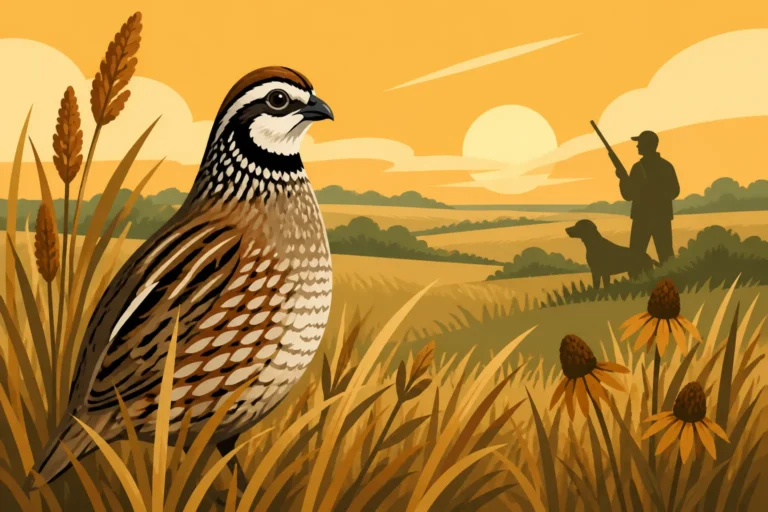
Bobwhite quail habitat needs in Kansas, including the critical mix of food, protective cover, water sources, and vegetation.
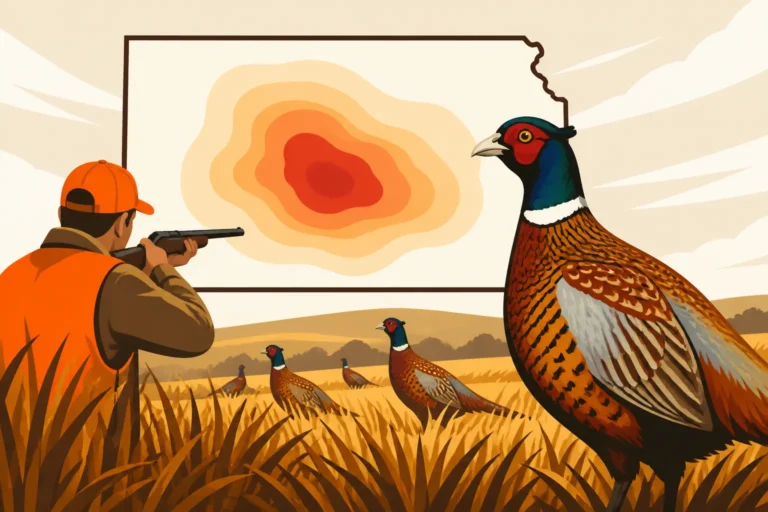
Kansas pheasant concentration areas, including western and central regions, feature crop mosaics, dense grasses, and water sources.
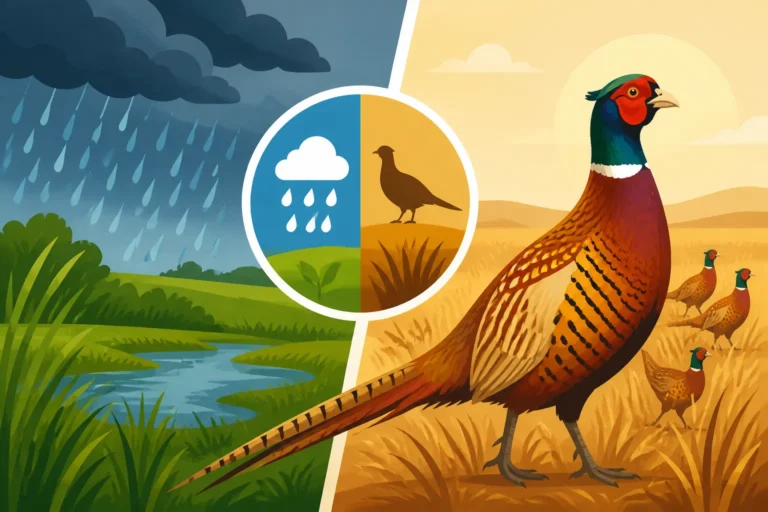
Kansas rainfall patterns and timing dictate pheasant chick survival rates, breeding success, and overall population counts.
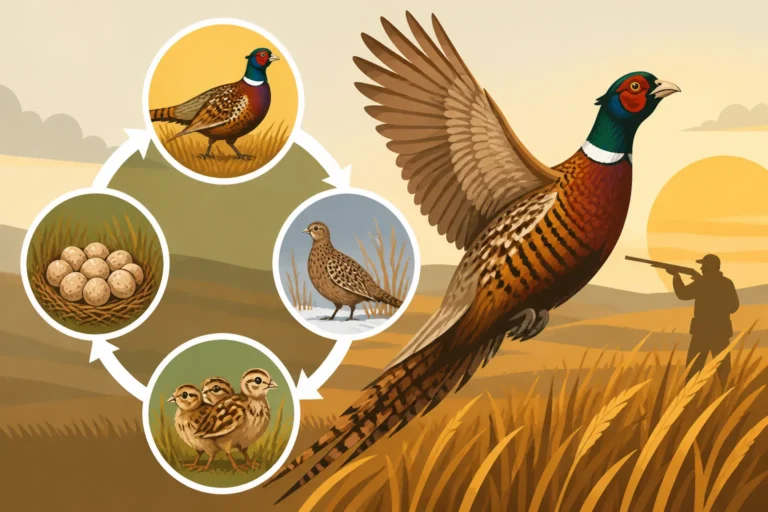
Kansas pheasant population cycles depend on reproduction, winter survival, weather, and rainfall that dictate bird numbers.
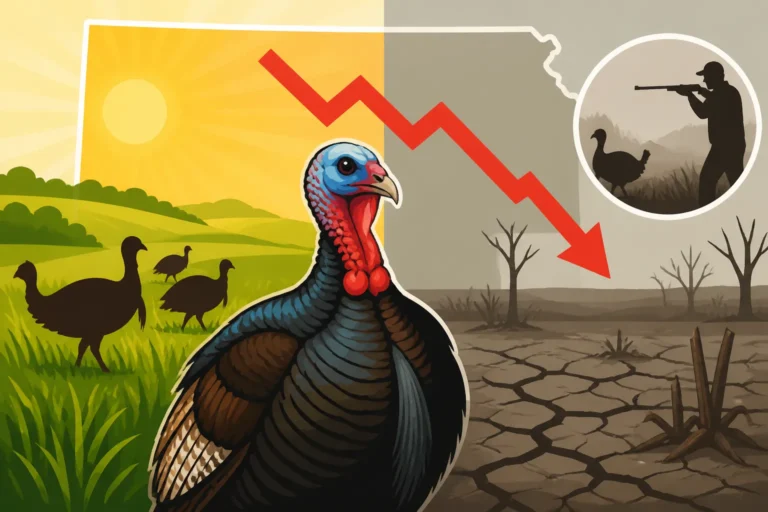
Kansas wild turkey populations and their historical decline due to severe drought and changing environmental conditions.
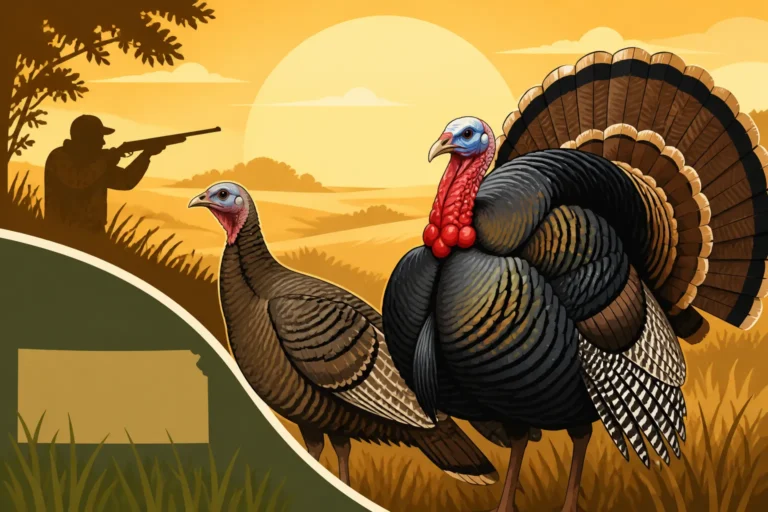
Eastern and hybrid wild turkeys in Kansas live in timbered eastern regions, featuring unique plumage and distinct vocalizations.
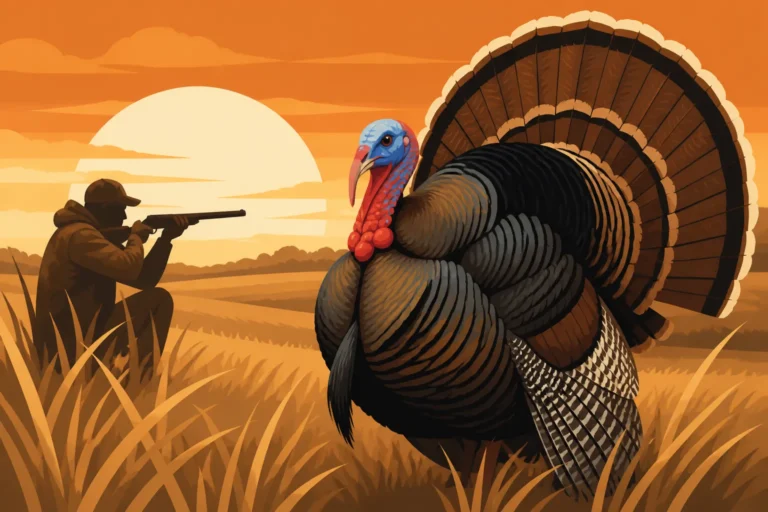
Rio Grande turkeys in Kansas feature distinct traits, open prairie habits, and population shifts managed by the Kansas Department of Wildlife and Parks.