Kansas Predators and Furbearers
Kansas predators and furbearers impact local wildlife and property, requiring responsible management and understanding of harvest regulations.
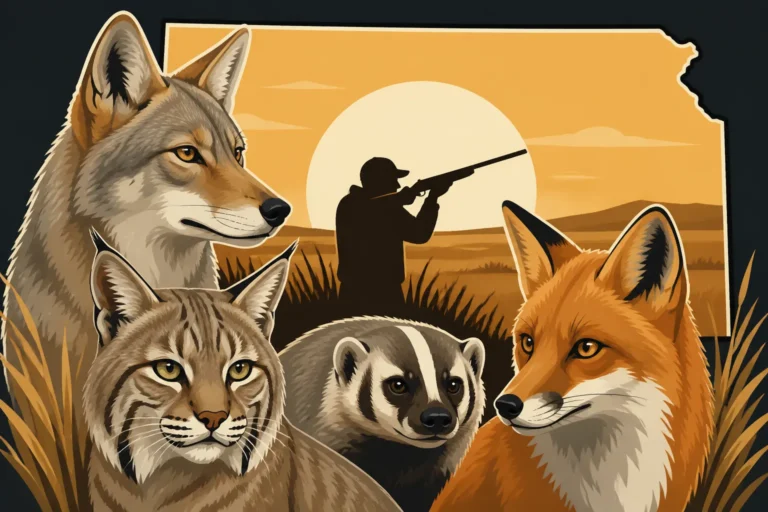
Kansas predators and furbearers impact local wildlife and property, requiring responsible management and understanding of harvest regulations.
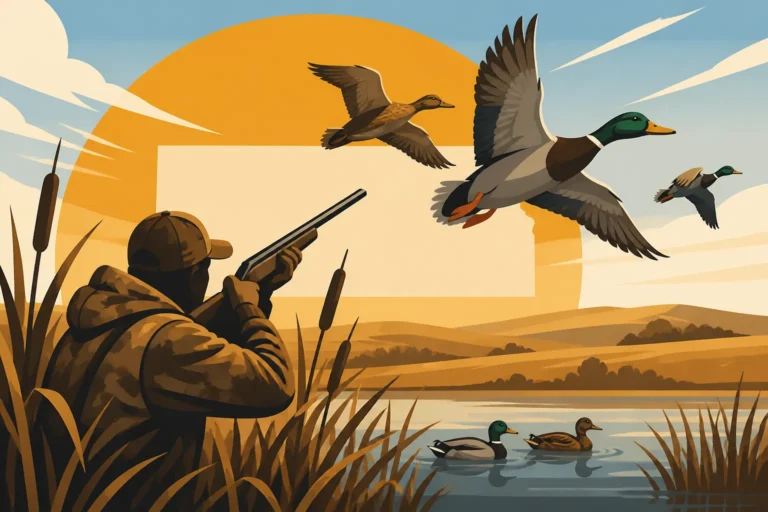
Kansas waterfowl hunting along the Central Flyway offers migration corridors, staging areas, and diverse duck and goose species.
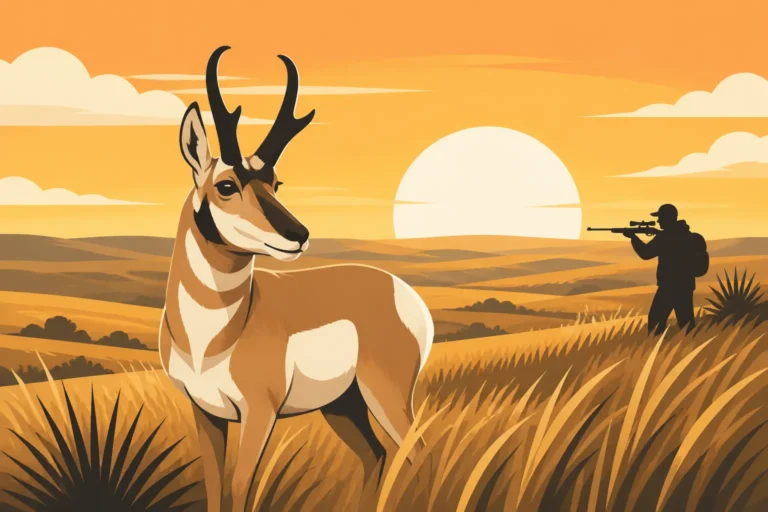
Kansas pronghorn biology, elusive permit draws, and strategies for hunting animals running sixty miles per hour.
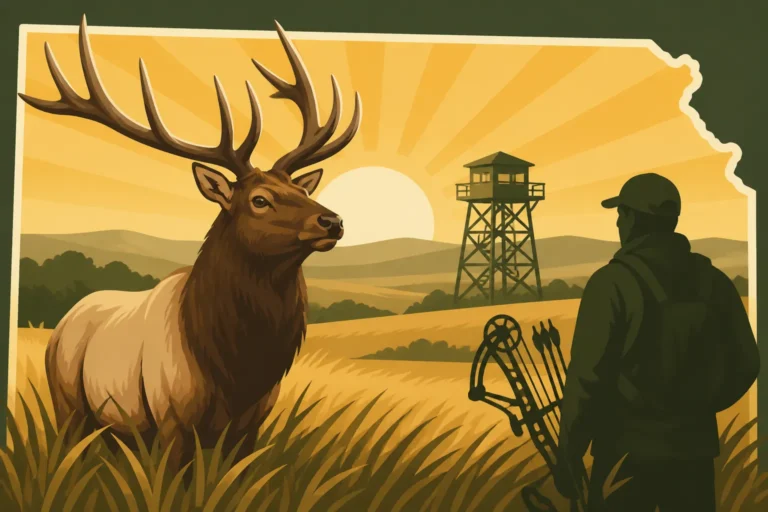
Kansas elk residing on the Fort Riley military reservation provide hunters a rare chance to pursue the species in the Great Plains.
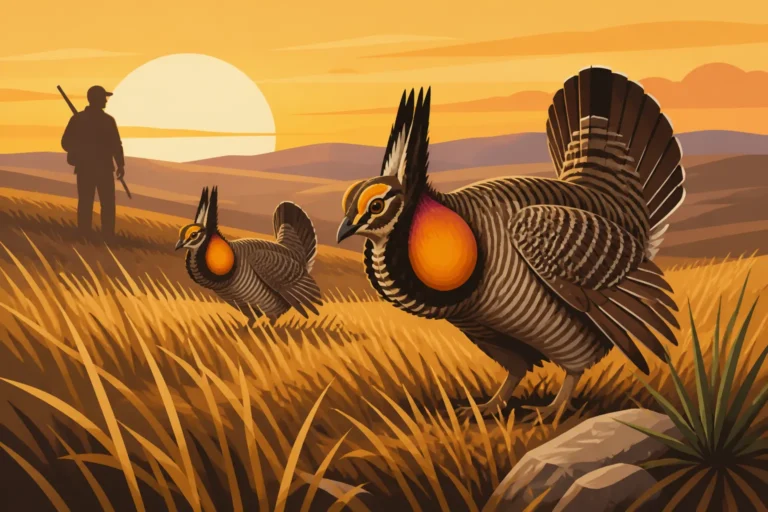
Greater Prairie Chicken biology and hunting strategies across the tallgrass prairie ecosystem of the Kansas Flint Hills.
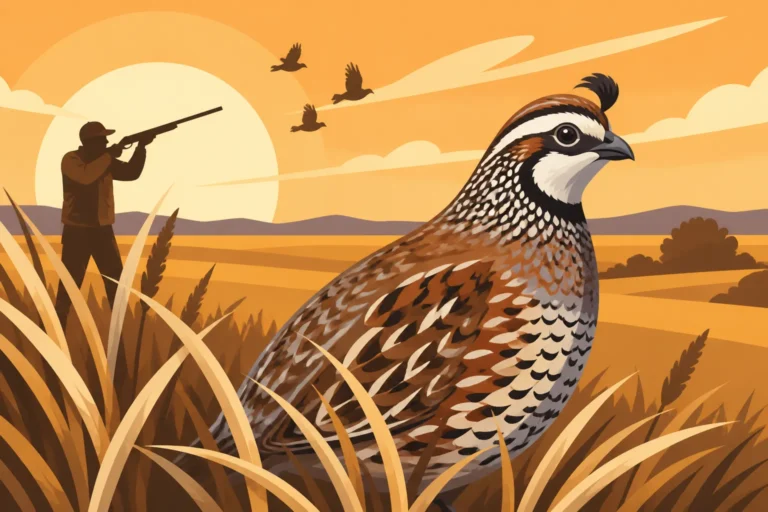
Kansas bobwhite quail habits, diverse agricultural habitats, and grassland ecosystem roles explained for upland hunters.
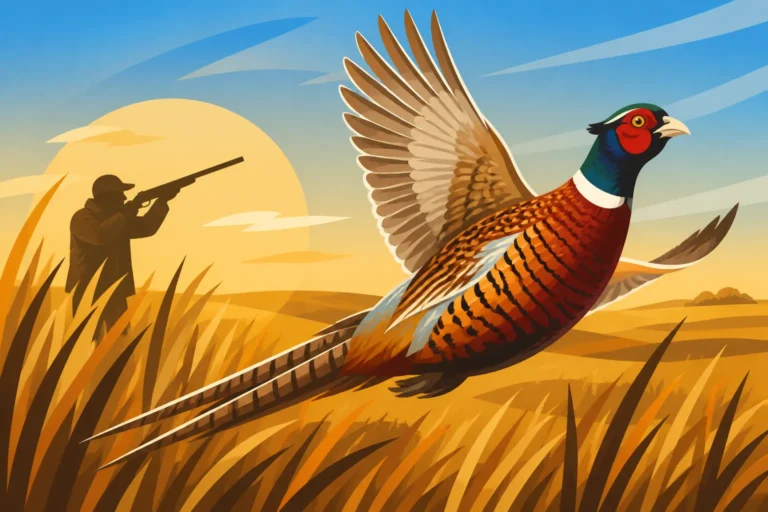
Kansas ring-necked pheasants biology, historical introduction, and habitat preferences explain successful hunting tactics across the state.
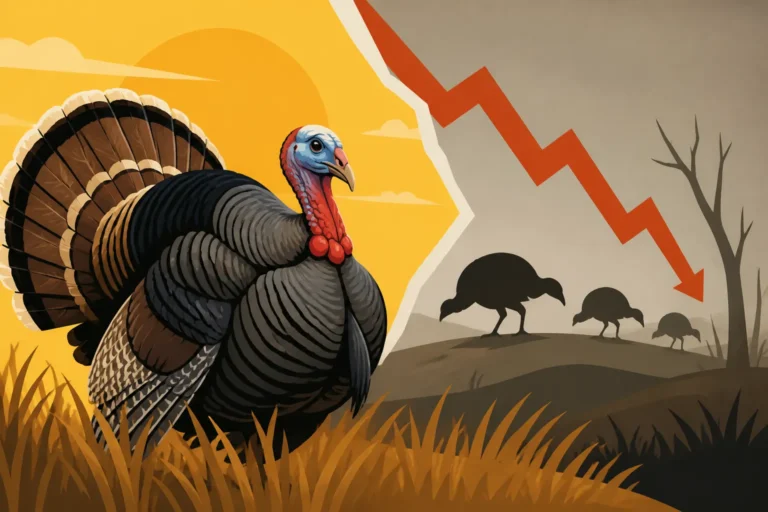
Kansas wild turkey populations and historical trends explain the decline of birds across the state over the last decade.
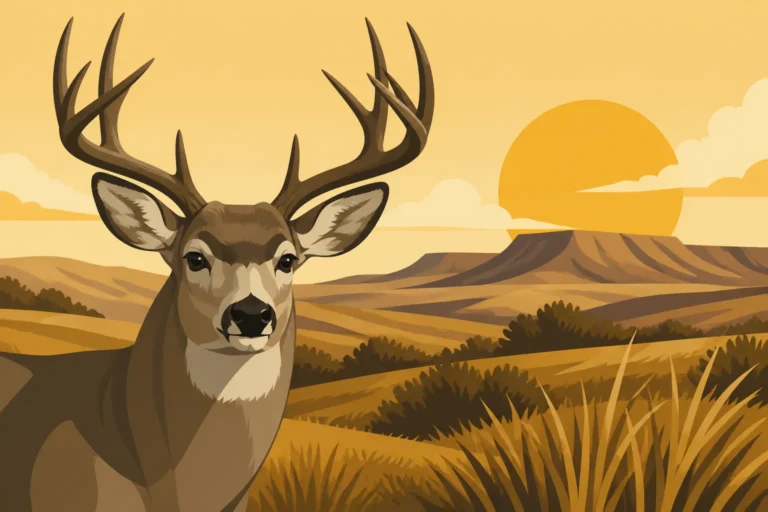
Mule deer in Western Kansas inhabit the western prairies and canyons, requiring specialized hunting tactics and specific permits.
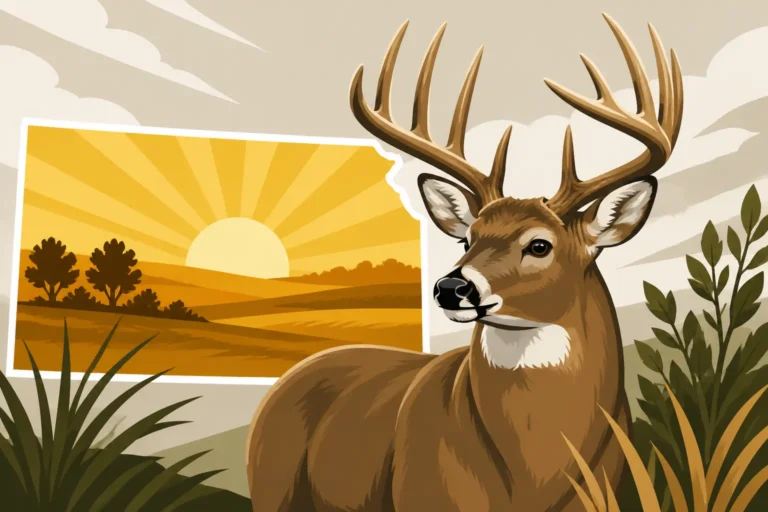
Kansas whitetail deer genetics, nutrition, and habitat combine to consistently produce mature trophy bucks in open country.