Whitetail Rut Timing in Kansas
One of the biggest questions that keeps Kansas deer hunters awake at night, even more than what unit to apply for, is "When does the rut really happen?" It's a question that conjures up images of cruising bucks, aggressive scrapes, and the chaotic magic we all dream of. Yet, trying to pin down that exact peak can feel like chasing a ghost. This comprehensive guide will peel back the layers of biological science, historical data, and real-world observations to give you a clearer picture of whitetail rut timing in Kansas, helping you align your hunting efforts with the deer's most active breeding period.
Understanding the Whitetail Rut Cycle in Kansas
The whitetail rut isn't a single event, but rather a complex, multi-stage process driven by biology and influenced by environment. It's a dance that plays out over several weeks, each phase offering unique opportunities and challenges for the discerning hunter. Understanding these underlying mechanisms is crucial for maximizing your chances in the Kansas deer woods.
The Biological Triggers of the Rut
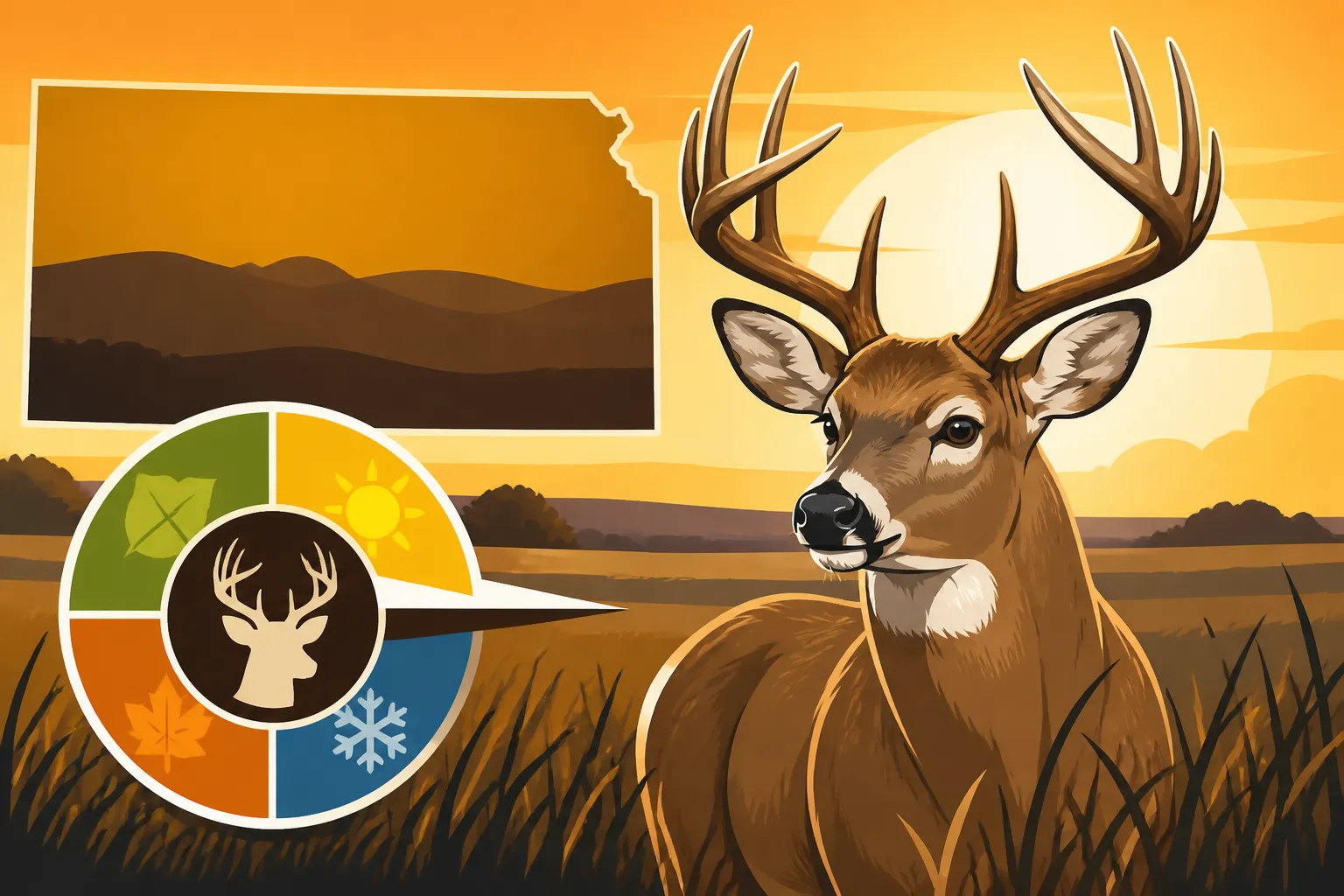
At its core, the whitetail rut is primarily triggered by photoperiod, the changing length of daylight hours. As the days grow shorter in late summer and fall, it signals to a doe's body that it's time to begin its reproductive cycle. This internal clock is remarkably consistent year after year, which is why the rut generally occurs within a predictable window. The pineal gland, a small gland in the brain, produces melatonin, and increasing levels of melatonin as nights lengthen directly impact the hormonal changes in deer. Does enter estrus, releasing pheromones that bucks can detect from surprising distances. Bucks, too, are undergoing hormonal shifts, driven by testosterone, which causes them to shed velvet, harden their antlers, and become increasingly aggressive and driven to breed.
While photoperiod sets the foundational schedule, other factors can influence the intensity and visibility of rut activity. We often hear debates about moon phases or temperature, and while these don't trigger the rut, they can certainly dictate when and how openly deer move during the breeding period. A cold snap, for instance, can make deer more active during daylight hours, making it seem like the rut has "turned on," when in reality, the biological process was already well underway. This hormonal cascade is why, regardless of a warm spell or a full moon, you'll still find does coming into estrus around the same general time each year.
The Phases of the Rut: From Pre-Rut to Post-Rut
To effectively hunt the rut, it's helpful to break it down into distinct phases. Each offers different insights into deer behavior and requires tailored tactics.
The Pre-Rut (Late October – Early November): This is often considered one of the most exciting times to hunt in Kansas. Bucks, filled with testosterone, are actively establishing dominance hierarchies and beginning to search for the first does coming into estrus. You'll see increased scraping and rubbing activity, and younger bucks might be running does even before the does are truly receptive. This is when you can capitalize on a buck's eagerness and territoriality. They're still somewhat predictable, often following established travel corridors between bedding areas and food sources, but with a new urgency to their movements. Think about focusing on key pinch points and areas with fresh sign. For more specific advice, check out strategies for Hunting the Kansas Pre-Rut in Late October.
The Peak Rut/Breeding Phase (Mid-November): This is the window everyone talks about. Most does are in estrus, and bucks are completely focused on breeding. This is when mature bucks, often elusive the rest of the year, throw caution to the wind, sometimes traveling vast distances to find receptive does. They might "lock down" a doe for 24-48 hours, disappearing from your hunting area, only to reappear a few days later on the hunt for another. Daytime movement is at its highest, and you might see bucks chasing does across open fields or even right under your stand. This intense activity typically lasts about 7-10 days, but it can feel like a whirlwind. This is the time when calling tactics, like rattling and grunting, can be incredibly effective. Don't forget to review how Rattling and Grunting During the Kansas Rut can bring a buck right into your lap.
The Post-Rut/Second Rut (Late November – Early December): After the intense breeding phase, many bucks are physically exhausted and have lost significant body weight. They'll shift their focus back to feeding to recover. However, some does that weren't bred during the first cycle will come into estrus again approximately 28 days later. This "second rut" can offer another surge of activity, especially for unbred yearling does. While not as widespread or intense as the primary peak, it can still provide excellent hunting opportunities, particularly if you're targeting areas with abundant food sources. Bucks will still be cruising, but often with less frenetic energy, making them potentially callable if you can catch them moving between food and bedding.
Pinpointing the Peak Rut Window in Kansas
While the general timeframe of the rut is consistent, experienced Kansas hunters know that "peak rut" isn't a single day, but a fluid concept influenced by a range of factors. Trying to hit it just right often involves a blend of historical data and understanding regional nuances.
Historical Data and Average Peak Dates
Based on decades of biological research and hunter observations, the peak breeding activity for whitetail deer in Kansas typically falls within the second and third weeks of November. This means that from roughly November 8th to November 20th, you can expect the most intense seeking, chasing, and breeding to occur across much of the state. During this period, bucks are actively breeding and often chasing does at all hours, making daylight encounters more frequent. This aligns perfectly with the opening of the Kansas Firearm Deer Season in December, though archers often catch the very tail end of the peak and the start of the post-rut.
It's important to remember that this is an average. Some years, it feels like the peak hits a few days earlier, other years a few days later. However, the consistent photoperiod trigger ensures it rarely deviates by more than a week either way. Many hunters plan their vacation days around the second week of November because, statistically, it offers the highest probability of encountering a mature buck on its feet during daylight. This is also when you'll see bucks acting in ways that make you scratch your head, like chasing a doe across a CRP field in the middle of the day with no apparent cover. The sheer drive to breed overpowers their usual cautious nature.
Regional Variations Across Kansas Deer Units
While the core timing of the rut is largely consistent statewide, there can be subtle regional variations across Kansas's diverse deer units. Kansas is a big state, with landscapes ranging from the dense timber and river bottoms of the east to the wide-open plains and agricultural fields of the west. These ecological differences can influence localized rut dynamics.
For example, in the more timbered and agricultural eastern units, where deer densities might be higher and food sources more consistent, the rut often appears to be more condensed and intense. Bucks might not need to travel as far to find receptive does, leading to more localized "lock downs" and intense chasing within smaller areas. These are the areas where you might find Why Kansas Grows Trophy Whitetails because of the rich habitat.
In the more open, western Kansas units, where deer densities are generally lower and habitat is more fragmented, bucks might have to cover more ground to find receptive does. This can make the rut feel more drawn out, with bucks constantly on the move, covering greater distances between isolated timber patches or creek draws. While the biological peak is the same, the manifestation of the rut can differ. A buck in Unit 1 or 2, for example, might be making huge loops across miles of grassland and stubble fields, whereas a buck in Unit 19 might be locked down in a small woodlot. Understanding these subtle differences is key to adapting your hunting strategy to the specific unit you're in. Using tools like GoHunt can help visualize these unit differences, particularly when looking at aerial imagery for habitat.
Factors Influencing Rut Activity Beyond Calendar Dates
While the biological clock of deer sets the broad timing for the rut, several environmental and external factors can significantly impact how visible and intense deer activity appears during that window. These factors don't start the rut, but they can certainly dictate when and how openly bucks and does move.
Weather Patterns and Their Impact
Temperature and precipitation play a huge role in how deer express rut activity. Generally, colder temperatures stimulate more daytime movement. When a strong cold front pushes through Kansas in November, dropping temperatures into the 20s or 30s, deer often become much more active, especially during the middle of the day. Bucks that might have been moving mostly at night during warmer periods will suddenly be on their feet, scent-checking for does. This is when many hunters witness their best rut action.
Conversely, unusually warm spells during the peak rut can suppress daytime movement. Deer, particularly the large-bodied Kansas whitetails, are prone to overheating. During a warm November, they might restrict their most intense activity to the cooler hours of dawn, dusk, and even the middle of the night, making them much harder to intercept. This is when having a good strategy for First Week of November Stand Choice becomes even more critical, focusing on shady bedding areas and water sources. Rain or light snow can sometimes enhance rut activity, as deer feel more secure moving during inclement weather, but heavy downpours or blizzards can temporarily shut things down. Always keep a close eye on the forecast and adjust your hunting schedule accordingly; sometimes the best action is right before or after a major weather event.
Hunter Pressure and Deer Behavior
The impact of hunter pressure on rut activity is often underestimated, especially on public lands or heavily hunted private ground. While the biological rut still occurs, heavy hunting pressure can drastically alter deer movement patterns. If an area gets pounded by hunters during the opening days of archery season or during the firearm season, bucks might become largely nocturnal or move into thick, unpressured cover to conduct their breeding. They will still breed, but they might do it under the cover of darkness or deep in a cedar thicket where hunters are less likely to penetrate.
This is a critical consideration, especially in Kansas where public land access, while improving with programs like Walk-In Hunting Access (WIHA), can still concentrate hunters. Bucks learn quickly. If they're constantly bumped from bedding areas or see hunters in typical travel corridors, they will adapt. This means that even during the peak rut, you might need to employ different tactics, such as going deeper into cover, hunting less accessible areas, or adapting your access routes to minimize disturbance. Understanding Hunting Pressure Patterns on Kansas Public Land can give you an edge, even when the rut is raging. Using an e-scouting app like GoHunt can help you identify overlooked pockets that might hold pressured deer.
Crop Cycle and Food Availability
Kansas is an agricultural powerhouse, and the availability and condition of crops have a direct influence on deer movement, especially as the rut progresses. Early in the season, standing crops like corn and soybeans provide both abundant food and incredible cover. Deer might spend most of their time hidden within these fields.
As harvest season progresses through October and November, these fields are cut, revealing new patterns. Suddenly, bedding cover shrinks, and food sources shift to leftover grain in stubble fields or more traditional browse and mast. This change forces deer to move, often making them more visible. During the pre-rut and peak rut, bucks will still cruise these newly opened fields, scent-checking for does that are feeding on the residual crops. A standing cornfield adjacent to a picked bean field, for example, can be a magnet for rutting activity. Understanding Milo and Corn Stubble Deer Patterns is crucial, especially later in the season. The timing of when these crops come out can slightly alter where deer are moving during the rut, creating new pinch points and travel corridors that weren't there a week or two prior.
| Rut Phase | Typical Timing | Primary Buck Behavior | Key Hunting Strategy | Calling Effectiveness |
|---|---|---|---|---|
| Pre-Rut | Late October – Early November | Aggressive seeking, rubbing, scraping, establishing dominance | Hunt travel corridors, funnels, fresh sign near bedding | Grunting, light rattling, snort-wheeze |
| Peak Rut | Mid-November (approx. Nov 8-20) | Intense chasing, breeding, locking down does, less cautious | All-day sits, focus on doe bedding, open areas, calling | Aggressive rattling, grunting, doe bleats |
| Post-Rut | Late November – Early December | Recovering, feeding heavily, secondary seeking for unbred does | Hunt food sources, thick cover near bedding, transition areas | Light grunting, doe bleats (for secondary rut) |
Practical Strategies for Hunting Each Rut Phase
No matter how well you understand the biological clock or environmental influences, successful rut hunting ultimately boils down to strategic execution in the field. Each phase demands a slightly different approach to capitalize on deer behavior.
Pre-Rut Tactics for Seeking Bucks
The pre-rut is a fantastic time to be in a treestand or ground blind in Kansas. Bucks are becoming increasingly active, full of energy, and eager to find the first does coming into estrus. They're not completely thrown off their patterns yet, but they're starting to expand their home ranges and are more willing to move during daylight. This is the prime time for scouting efforts to pay off. Look for fresh rubs and scrapes, particularly those along transition lines between different habitat types, or along the edges of crop fields. These are highways where bucks are leaving their calling cards and checking for receptive does.
Focus your efforts on traditional travel corridors, creek bottoms, and timber edges that connect bedding areas to primary food sources. Bucks will often cruise these areas, scent-checking. This is also a great time to implement calling strategies. Aggressive grunting can draw in a curious buck, and light rattling sequences can often pique the interest of a dominant buck looking for a fight or to assert his presence. Remember, these bucks are still somewhat patternable, so studying the land with tools like GoHunt, identifying terrain funnels, and understanding Reading a Kansas Creek Bottom for Deer Sign can pinpoint areas where a buck is likely to pass through. Don't be afraid to put in longer sits, especially during morning and evening, but know that mid-day movement can also ramp up as bucks start actively seeking.
Peak Rut Strategies for High Activity
When the peak rut hits, usually mid-November in Kansas, it's time to throw the rulebook out the window and embrace the chaos. Bucks are now singularly focused on breeding, often abandoning their usual patterns and throwing caution to the wind. All-day sits become your best friend during this period. You never know when a hot doe will lead a mature buck past your stand, or when a cruising buck will come through, scent-checking for does. Focus your stand locations on areas that does frequent, such as bedding areas, staging areas near food, or transition zones between them. If you can find the does, the bucks will eventually follow.
Calling can be incredibly effective during the peak rut. Aggressive rattling sequences simulating two bucks fighting can often bring a dominant buck charging in, especially in more open country. Combine rattling with grunting and even doe bleats to paint a realistic picture. Decoys can also play a huge role during this phase, especially a buck decoy or a doe decoy placed strategically to draw attention. Be sure to understand Decoying a Kansas Whitetail Buck to maximize its effectiveness. Bucks are often so focused on breeding that they may not notice your presence as readily, but scent control remains paramount. Your First Week of November Stand Choice should ideally be a location that allows for good visibility, covers multiple likely travel routes, and gives you a good wind advantage for all-day sits.
Post-Rut Hunting as Bucks Recover
As the main breeding window winds down in late November and early December, bucks are typically exhausted and have lost a significant amount of weight. Their primary focus shifts from breeding back to survival – specifically, replenishing energy reserves by feeding heavily. While the frenetic chasing of the peak rut subsides, don't dismiss the post-rut. There can be a "second rut" when any does that weren't bred during their first estrous cycle come back into heat, usually about 28 days later. This can provide a boost in buck activity, particularly for younger does or does that were in areas with low buck density during the primary rut.
Hunting strategies during the post-rut should pivot back to focusing heavily on food sources. Look for standing grain, picked fields with residual crops, or natural browse areas where deer are actively feeding. Bucks will be trying to put on weight before winter, and they'll be found where the food is. Thick cover adjacent to these food sources will be critical, as bucks still need to rest and recover. While calling is generally less effective than during the peak, light grunts or doe bleats might still attract a curious buck on the prowl for a late-cycle doe. The Kansas Firearm Deer Season in December often coincides with this recovery phase and the potential secondary rut, making careful scouting for renewed food patterns essential for success.
Utilizing Scouting and Technology to Anticipate the Rut
In today's hunting world, anticipation is key, and technology offers incredible advantages in understanding and predicting deer movement during the rut. Combining traditional field scouting with modern e-scouting tools can give you a significant edge.
E-Scouting and Trail Camera Intelligence
E-scouting is no longer a luxury; it's a necessity for serious Kansas deer hunters. Before you even set foot on public land or a new lease, you can spend hours analyzing aerial and topographical maps, identifying key features that will influence deer movement during the rut. Look for obvious funnels where terrain or cover constricts deer movement, such as narrow timber strips connecting larger woodlots, fence crossings that deer habitually use, or pinch points along river or creek bottoms. GoHunt, for instance, offers robust map layers that can highlight these features, allowing you to scout vast areas from the comfort of your home. You can mark potential stand locations, identify bedding areas, and plan optimal access routes that minimize disturbing deer. Understanding Hunting Terrain Funnels in Flat Country becomes much easier when you can visualize the landscape from above.
Trail cameras are your eyes in the woods and provide invaluable, real-time intelligence on rut activity. Deploy them strategically along known travel corridors, active scrape lines, or near primary food sources. Monitor photo timestamps to identify peak movement times and observe buck behavior – are they seeking, chasing, or locked down with a doe? A picture of a mature buck nose-to-the-ground, following a hot doe, tells you far more than any forecast. Use cell cameras if possible, which allow you to monitor activity without disturbing the area, and avoid checking cameras too frequently, as your presence can spook deer, especially during the sensitive rut period. Pay attention to how the buck age structure in Kansas, influenced by past harvests and management, is presenting itself on your cameras.
Real-Time Observations and Local Reporting
No amount of e-scouting or trail camera data can replace boots-on-the-ground observation. Spend time glassing fields from a distance during the rut, especially at dawn and dusk. Watch for chasing activity, bucks tending does, or mature bucks cruising. These direct observations provide invaluable real-time insights that complement your other intelligence. If you see multiple bucks chasing does in a specific area, that's a strong indicator of peak activity in that localized spot.
Additionally, don't underestimate the power of local reporting and communication with other ethical hunters. While exact spots should be kept confidential, sharing general observations about rut intensity – whether bucks are aggressively chasing, scrapes are fresh, or mature bucks are showing themselves – can help you gauge the overall phase of the rut in your area. Many local archery shops, feed stores, or even online forums dedicated to Kansas hunting can be good sources for anecdotal rut reports. Remember, while the biological rut is statewide, its observable intensity can fluctuate slightly day to day based on micro-conditions, so staying tuned into current events in the field is crucial.
Disclaimer
The information provided in this guide is for general informational purposes only and is not intended as legal advice. Hunting regulations, seasons, and licensing requirements in Kansas are subject to change. Always consult the most current Kansas Department of Wildlife, Parks and Tourism (KDWP) regulations and official sources before planning any hunting activity. The author and publisher are not responsible for any actions taken based on the information presented herein.