Kansas Muzzleloader Season Dates
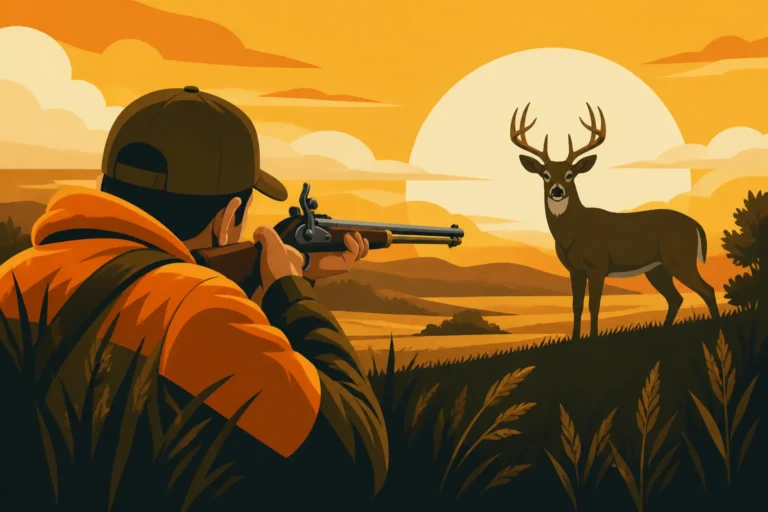
Hunting in Kansas during the muzzleloader season can be one of the most exciting, yet sometimes frustrating, experiences for a deer hunter. Many of us find ourselves juggling work, family, and other commitments, making it tough to keep track of the specific dates and rules that vary each year. This comprehensive guide is designed to cut through the confusion, clearly outlining the Kansas muzzleloader season dates and offering practical advice to help you maximize your success in the field.
Understanding the Kansas Muzzleloader Season Dates
The Kansas muzzleloader season offers a unique early opportunity to pursue whitetails, often before the peak of the rut and the much busier firearm season. It's a short, specific window, and understanding its timing is crucial for planning your hunt. This period typically falls in September, providing distinct challenges and advantages that differ significantly from other deer seasons.
The Core Muzzleloader Window
For 2024, the Kansas muzzleloader deer season is slated to run from September 9th through September 22nd. This two-week stretch is intentionally placed to give muzzleloader enthusiasts a dedicated period to hunt before the general firearm season opens in December and after the archery season kicks off in early September. The Kansas Department of Wildlife and Parks (KDWP) sets these dates annually, usually aligning them with a time when deer are transitioning from summer patterns but haven't yet entered the intense phase of the rut. It’s a prime opportunity for hunters who appreciate the traditional challenge of a muzzleloader and prefer a less crowded hunting experience than the later firearm season. For a full breakdown of how this fits in with other weapon types, you can look into the details of Kansas Deer Season Dates by Weapon.
This early September window means you'll likely be dealing with warmer temperatures, and deer are still relatively predictable, often sticking to their summer food sources and bedding areas. It's a season that rewards thorough pre-season scouting and understanding deer movements around agriculture and water. Don't assume that because it's "deer season," the deer behavior will be the same as November; it's a completely different ballgame.
How Muzzleloader Fits into the Deer Calendar
The muzzleloader season serves as a vital bridge in the Kansas deer hunting calendar, nestling comfortably between the start of the archery season and the much later firearm season. While archery season begins at the same time and runs much longer, the muzzleloader season provides an exclusive period for those who have drawn a specific muzzleloader permit or an either-sex permit valid for this method. This separation means less competition from modern rifle hunters and a more traditional experience in the field.
Think of it this way: you get a shot at deer that haven't been heavily pressured by rifle hunters yet, although they have been exposed to bowhunters for a couple of weeks. This timing can be a huge advantage. Bucks are often still in somewhat predictable patterns, feeding heavily to pack on weight before the rut. They haven't been pushed around much, and their routines might still be visible. This is a crucial distinction from say, the middle of November, when everything is chaos and deer movement is much more sporadic due to the rut. Understanding this placement in the year is key to maximizing your chances, whether you're targeting a mature buck or just looking to fill the freezer. For more in-depth knowledge specifically about this period, checking out articles like Muzzleloader Deer Hunting in Kansas's September Season can be really beneficial.
Muzzleloader Permits, Licensing, and Application
Navigating the permit and licensing process for Kansas can feel like a maze, especially for non-residents or first-time hunters. Knowing exactly what permits you need and when to apply is just as important as knowing the season dates themselves. There's nothing worse than having your hunting plans thwarted by a missed deadline or incorrect tag.
Securing Your Muzzleloader Permit
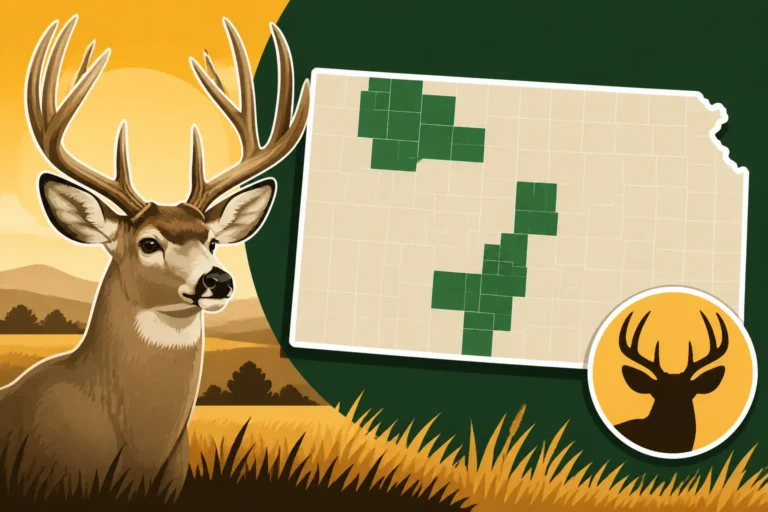
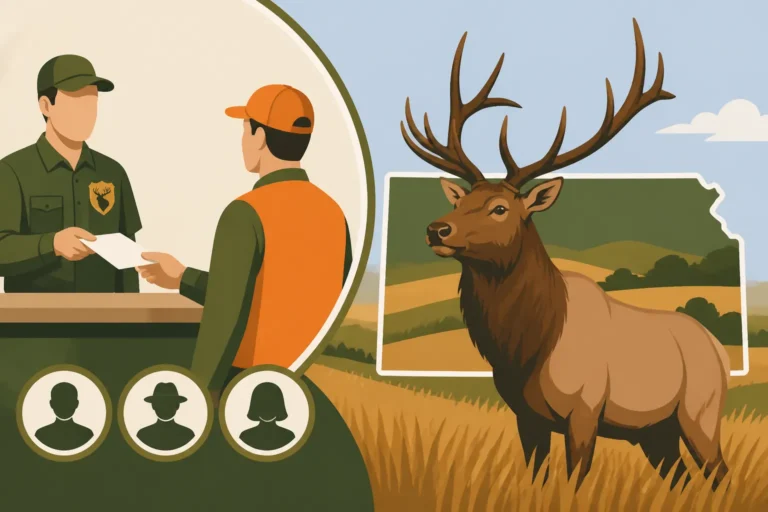
To legally hunt deer with a muzzleloader in Kansas, you'll need the appropriate deer permit. For non-residents, this typically means applying for either a "muzzleloader" specific permit or an "either-sex" permit that allows for muzzleloader use during its designated season. Residents often have more options for over-the-counter permits, but even they need to ensure their permit is valid for the muzzleloader method. The application period for non-residents, and often for residents seeking specific draw permits, usually opens in April and has a strict deadline, often in late April or early May. Missing this window means you're out of luck for the draw, though leftover permits can sometimes be found later.
I highly recommend using a service like GoHunt to keep track of these critical dates and to research your unit choices. Their platform provides detailed information on draw odds, unit breakdowns, and application deadlines, which is an absolute lifesaver. It helps you analyze which units might offer the best chance of drawing a muzzleloader tag based on historical data. For a complete guide on how this process works, especially for out-of-state hunters, make sure to read up on Kansas Deer Permits and the Nonresident Draw and pay close attention to the Kansas Nonresident Deer Application Deadline. It's a frustrating situation to miss the cutoff, so set reminders and double-check your application well in advance.
General Hunting License Requirements
Beyond your specific deer permit, every hunter in Kansas, regardless of residency or weapon choice, must possess a valid Kansas hunting license. This is your baseline ticket to hunt any game in the state. Non-residents will naturally pay a higher fee for their annual hunting license than residents. Additionally, you'll also need a Kansas Habitat Stamp. This stamp contributes directly to the conservation and management of wildlife habitats across the state, benefiting all wildlife and public hunting opportunities.
It's vital to purchase your hunting license and habitat stamp before you head afield. These can typically be purchased online through the KDWP website or at authorized vendors throughout the state. Don't forget, if you're planning any other hunting trips in Kansas throughout the year, this general license covers you for those as well, provided you have the specific permits for the game you're pursuing. Always refer to the official KDWP regulations for the most current pricing and requirements, as these can change. A detailed breakdown of all associated costs can be found under Kansas Hunting Licence and Permit Costs.
Tactical Considerations for Muzzleloader Hunting in Kansas
Muzzleloader hunting in Kansas isn't just about the dates; it's about adapting your strategy to the weapon and the unique conditions of early autumn. The challenges presented by a single-shot, slower-loading firearm, combined with the specific weather and deer behavior of September, require a thoughtful approach to be successful.
Early Season Conditions and Deer Behavior
The early September muzzleloader season often means you'll be hunting in conditions that feel a lot more like late summer than fall. Expect daytime temperatures that can easily climb into the 70s and 80s, especially in the afternoons. This heat significantly impacts deer activity, often pushing their movements into the cooler hours of early morning and late evening. During midday, deer will typically be bedded down in thick cover, conserving energy. This means your best chances will usually be during the first few hours after sunrise and the last few hours before sunset.
Scent control becomes paramount in these warmer temperatures. Deer will be less tolerant of human scent, and thermals in the morning and evening can carry your scent surprisingly far. Focus on food sources like alfalfa fields, soybean plots, or early maturing corn. Water sources can also be hotspots, as deer need to drink more frequently in the heat. Bucks, while not yet in the intense rut, might be seen in bachelor groups or just starting to disperse. Understanding these nuances is critical for effective planning. Delving into Muzzleloader Deer Tactics in Warm September Weather will provide more focused strategies for beating the heat and tagging a deer.
Adapting to Muzzleloader Specifics
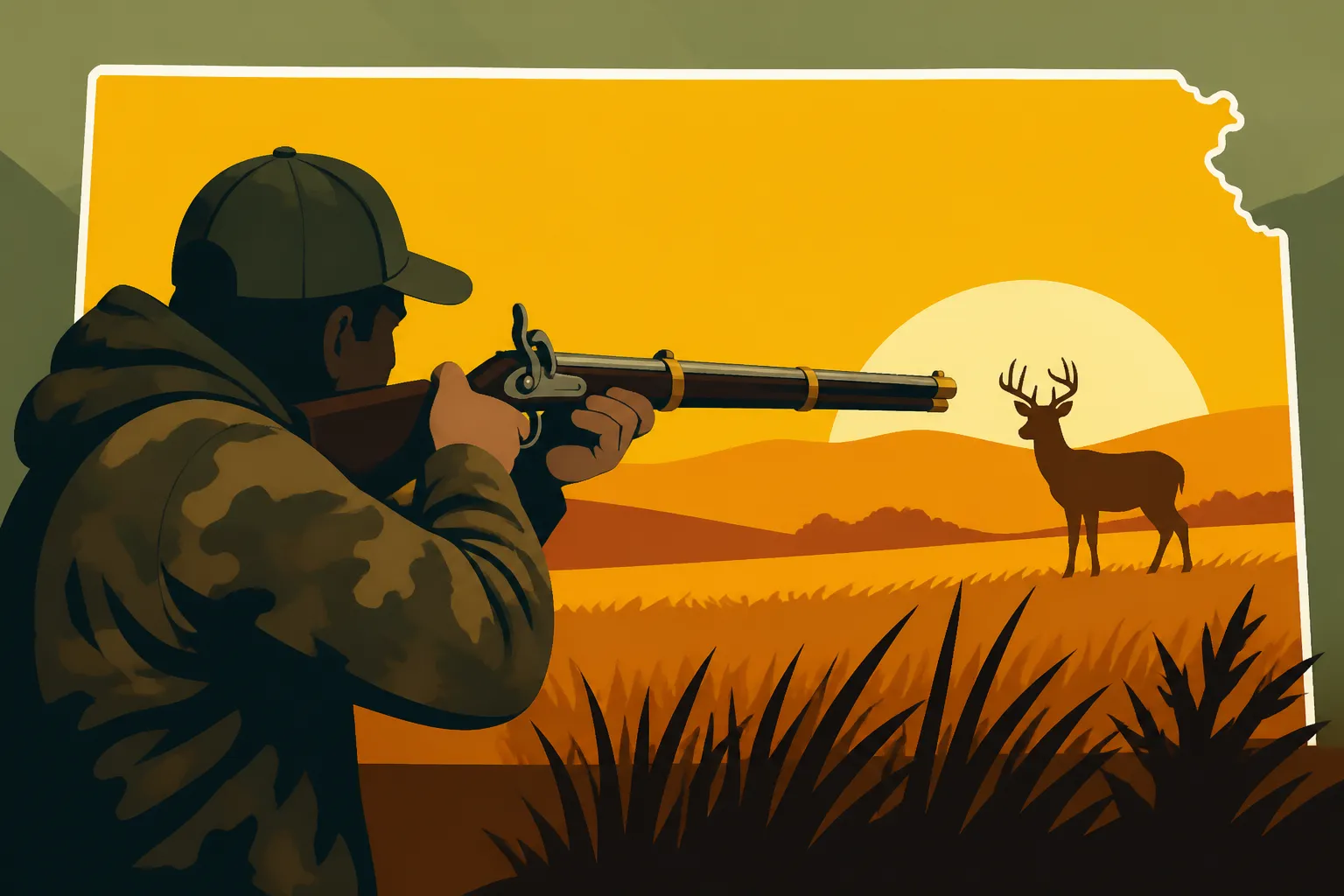
Hunting with a muzzleloader presents a different set of challenges than modern firearms. Your effective range is significantly shorter, typically 100-150 yards for most setups, compared to the longer ranges common with high-powered rifles. You also have only one shot before a slower, often noisy, reload. This means shot placement is absolutely critical, and you need to be confident in your abilities at various ranges. Practice, practice, practice! Know your gun, your powder charge, and your projectile like the back of your hand.
Consider your gear carefully. You'll need reliable powder, primers, and bullets that group well out of your specific firearm. Bring a cleaning kit designed for muzzleloaders, as well as a rangefinder to confirm shot distances. The single-shot nature dictates that you should only take ethical shots you are 100% confident in. If a deer is at the edge of your comfort zone, waiting for a closer opportunity or for them to present a better angle is almost always the right call. The excitement of seeing a buck can make you rush, but with a muzzleloader, patience is truly a virtue. For an in-depth look at ethical shooting, consider reviewing Shot Placement on a Whitetail at Twenty Yards.
Maximizing Your Muzzleloader Opportunity
Success during the Kansas muzzleloader season isn't just about showing up; it's about meticulous preparation and smart hunting practices. From the moment you apply for your tag to the final act of recovering your game, every step matters.
Pre-Season Scouting and Stand Placement
Effective scouting before the muzzleloader season opens is the cornerstone of success. Since the season is early in September, you can still observe summer patterns without pushing deer too hard. Focus on identifying active food sources that deer are consistently visiting. This includes alfalfa fields, standing soybeans, or any areas with soft mast. Also, pinpoint dependable water sources, especially in dry parts of western Kansas. Look for tracks, scat, and fresh rubs (even early ones) to confirm deer activity.
When choosing stand locations, always factor in prevailing wind directions. In early September, winds can be variable, so having multiple stand options for different wind scenarios is a smart move. Pay attention to transition areas – where bedding cover meets feeding areas, or along creek bottoms and timber edges that deer use as travel corridors. Using online mapping tools like those from GoHunt can be incredibly helpful for e-scouting and marking potential stand sites from the comfort of your home. You can identify potential pinch points, funnels, and dense cover that might hold deer during the warm midday hours. For practical tips on how to prepare, consider exploring Scouting Kansas Walk-In Tracts Before the Opener.
Post-Shot Recovery and Game Care
After you take a shot with your muzzleloader, patience is paramount. Unlike a high-velocity rifle, a muzzleloader projectile, while effective, might not always create the same immediate reaction or exit wound. Giving the deer ample time to lie down and expire is crucial, even if you feel confident in your shot. For a lung shot, waiting 30-60 minutes might be sufficient, but if you suspect a gut shot, giving the animal 4-6 hours, or even waiting until morning if the shot was late in the day, is often the safest bet. Rushing a gut-shot deer can push it miles away, making recovery nearly impossible.
The warm September temperatures present an additional challenge for game care. Once recovered, you need to get the deer field-dressed and cooled down as quickly as possible to prevent spoilage. This might mean quartering the deer in the field and packing it out in game bags, especially if you're a long way from your vehicle or a cooler. Having plenty of ice on hand is not optional; it's essential. Transporting a deer in 70-degree weather without proper cooling can ruin the meat faster than you think. Proper blood trailing techniques are also critical, and articles like Blood Trailing in CRP and Cedars can offer valuable insights. For advice on handling game in the heat, read Getting a Deer Cooled in September. Don't forget to report your harvest to KDWP promptly, usually within 48 hours of taking the deer, to fulfill all regulatory requirements.
Here's a quick summary of typical Kansas muzzleloader season dates to help you plan:
| Year | Kansas Muzzleloader Season Dates | Notes |
|---|---|---|
| 2023 | September 11 – September 24 | Always confirm official KDWP dates for the specific year |
| 2024 | September 9 – September 22 | This is the official timeframe for the upcoming season |
| 2025 | Projected: September 8 – September 21 | Dates typically follow a consistent pattern in early September, but verify annually |
Remember, while these dates provide a general idea, always double-check the current year's official Kansas Department of Wildlife and Parks (KDWP) regulations for exact opening and closing dates before planning your hunt. Use resources like the GoHunt platform to ensure you have the most up-to-date information for your planning.
Disclaimer
The information provided in this article is for general guidance and informational purposes only. Hunting regulations, season dates, and permit requirements in Kansas can change annually. It is the hunter's sole responsibility to consult the official Kansas Department of Wildlife and Parks (KDWP) regulations and licensing requirements before participating in any hunting activities. Failure to comply with all state and federal laws may result in fines or penalties.