Which Kansas Units Allow a Mule Deer Stamp
Navigating the specific regulations for hunting mule deer in Kansas can feel like trying to solve a puzzle, especially with the unique "Mule Deer Stamp" system. Many hunters are left scratching their heads, wondering which areas actually allow them to pursue one of these magnificent Western Kansas trophies. This comprehensive guide will clear up the confusion, detailing precisely which Kansas units permit the use of a Mule Deer Stamp and providing essential insights for your hunt.
Understanding the Kansas Mule Deer Stamp
The Kansas Mule Deer Stamp is a fascinating and often misunderstood aspect of deer hunting in the Sunflower State. It’s not a standalone permit; rather, it's an add-on that can transform a specific type of deer permit into one valid for either species of deer – whitetail or mule deer – within certain designated units. For many, drawing one of these stamps is like winning a small lottery, opening the door to pursue a species that, while not abundant, offers an incredible hunting experience in the state's western reaches.
What is the Mule Deer Stamp?
At its core, the Kansas Mule Deer Stamp is a special endorsement. When you apply for a regular "Any-Deer, Either-Sex Whitetail" permit in Kansas, you have the option to also apply for a Mule Deer Stamp. This stamp, if drawn, then converts your Whitetail-only permit into an "Either-Species, Either-Sex" permit, but only in specific units where mule deer are present and huntable. It's crucial to understand that you cannot simply buy a Mule Deer Stamp over the counter and then hunt mule deer anywhere. It is tied directly to the drawing process for your primary deer permit. The draw for this stamp is highly competitive, reflecting the limited number of mule deer available for harvest and the desire of hunters to pursue this iconic species. It's a testament to the Kansas Department of Wildlife and Parks (KDWP) efforts to manage these herds responsibly, ensuring sustainable hunting opportunities while protecting the mule deer population.
The Rarity of Kansas Mule Deer
Kansas is primarily known for its incredible whitetail deer hunting, boasting a reputation for producing some truly massive bucks. However, tucked away in the western third of the state are small, but cherished, populations of mule deer. These "mulies" are truly a creature of the plains and rugged breaks, preferring the vast, open landscapes, canyons, and less timbered areas compared to their whitetail cousins. Their numbers are significantly lower than whitetails, making them a much rarer sight and a highly coveted trophy for hunters. This rarity is precisely why the Mule Deer Stamp system exists. It allows the KDWP to control the harvest of mule deer meticulously, ensuring that hunting pressure remains low and populations can thrive. Hunting a mule deer in Kansas often means adapting to different terrain and tactics, trading dense creek bottoms for wide-open vistas and glassing distant hillsides.
How the Stamp Changes Your Permit
Imagine you've successfully navigated the Kansas Deer Permits and the Nonresident Draw and secured an "Any-Deer, Either-Sex Whitetail" permit. If you also applied for and drew a Mule Deer Stamp, that ordinary whitetail permit suddenly gains an extraordinary ability: it now allows you to legally harvest either a whitetail deer or a mule deer of any sex (within the "Any-Deer, Either-Sex" framework) in the units designated for mule deer hunting. This conversion is a game-changer for hunters who dream of a Kansas muley. Without the stamp, even if you’re hunting in a unit where mule deer are present, your permit would strictly limit you to whitetails. It’s a testament to the specific and often complex permit regulations that define Kansas hunting, making careful study of the rules absolutely essential before you hit the field.
Specific Units Allowing Mule Deer Stamps
Knowing the specific units where your hard-won Mule Deer Stamp is valid is paramount. Accidentally harvesting a mule deer outside of these designated areas, even with a stamp, would constitute a serious violation. Kansas is divided into numerous deer management units, each with distinct characteristics and regulations, and only a select few in the western part of the state are open to mule deer harvest with the stamp.
The Designated Mule Deer Units
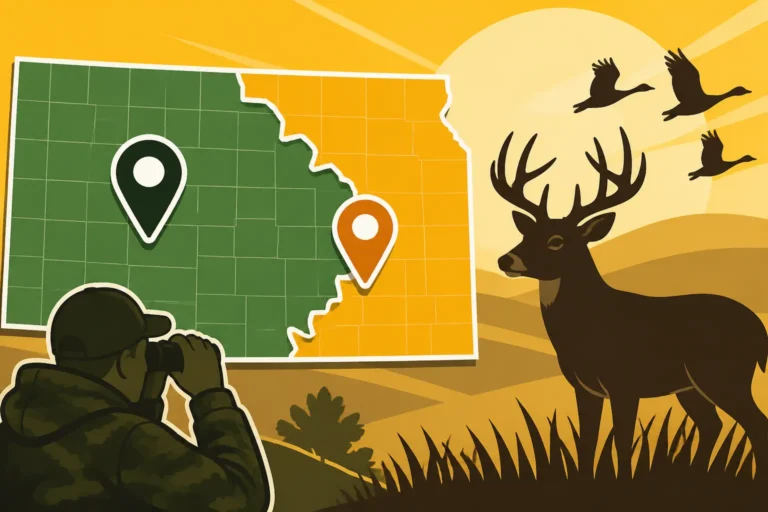
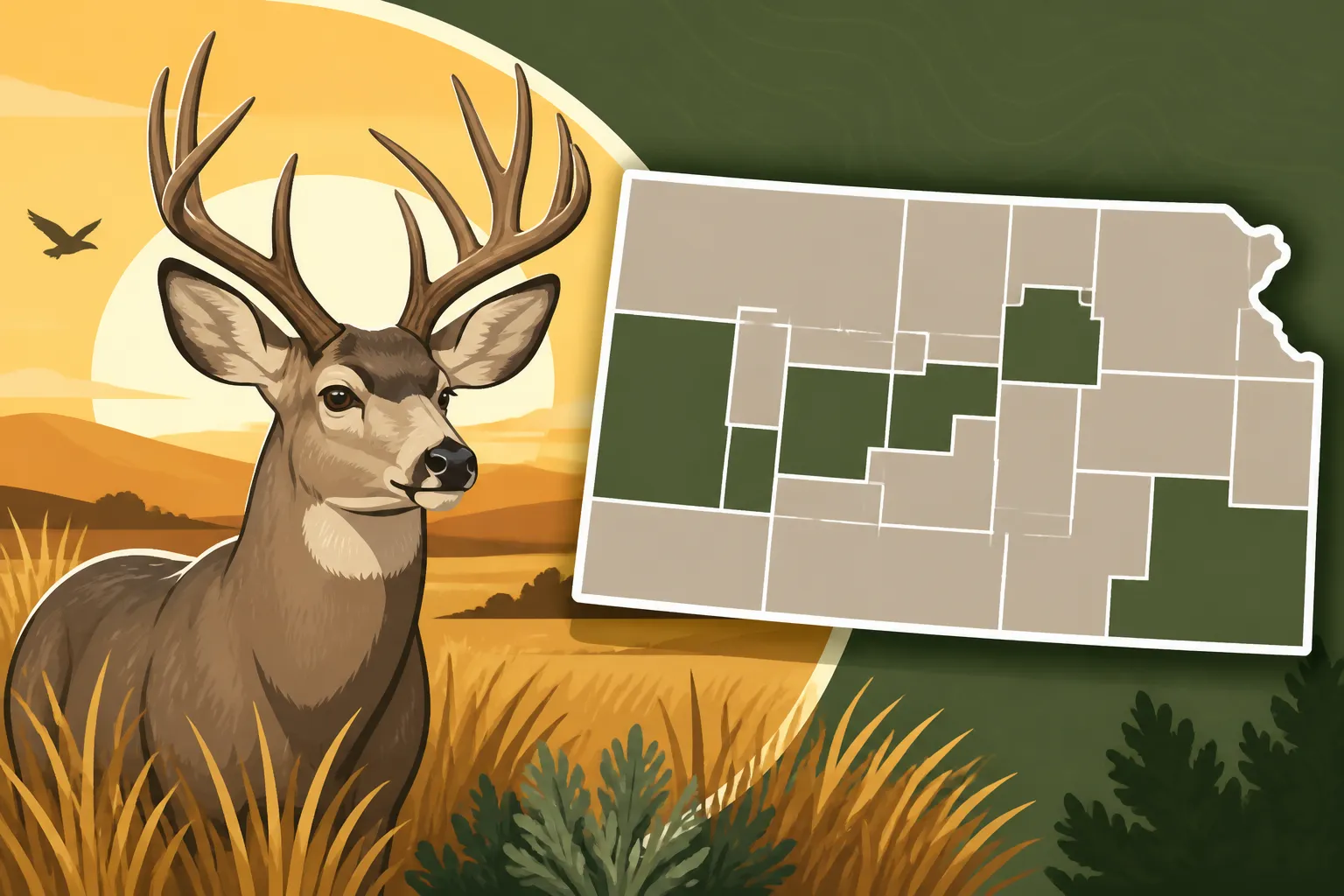
The Kansas Mule Deer Stamp is specifically valid only in Units 1, 2, 3, 4, 17, and 18. These units are located in the far western and northwestern portions of Kansas, areas characterized by sprawling agricultural fields, rugged breaks, and native grasslands – prime habitat for mule deer. If you've been drawn for a Mule Deer Stamp, you must have applied for your primary deer permit in one of these specific units. For instance, if you drew a permit in Unit 7, even with a Mule Deer Stamp, you would still only be permitted to harvest a whitetail, as Unit 7 is outside the designated mule deer range.
Let's break down these units a bit further:
- Units 1, 2, 3, 4: These are the far northwest units, bordering Nebraska and Colorado. They feature large tracts of dryland agriculture, rangeland, and draws that often hold mule deer. These units represent the core of the mule deer range in Kansas. Unit 1, for example, encompasses counties like Cheyenne, Rawlins, and Sherman, all known for having at least a scattering of mule deer.
- Units 17, 18: Located further south and west, Unit 17 covers counties like Hamilton, Kearny, and Finney, extending into the arid, high plains landscape. Unit 18 includes areas like Morton, Stevens, and Seward counties, which also offer suitable habitat. While mule deer density might be lower here than in the extreme northwest, they are still present and offer a challenging hunt.
Understanding the unique characteristics of each unit, particularly the Mule Deer Range in Western Kansas, will be crucial for your scouting and hunting strategy. Tools like the Kansas Deer Unit Map are invaluable for visualizing these boundaries and planning your trip.
Here's a quick overview of the units:
| Kansas Deer Unit | Region | Primary Counties (Examples) | Mule Deer Presence | Mule Deer Stamp Valid |
|---|---|---|---|---|
| Unit 1 | Northwest | Cheyenne, Rawlins, Sherman | Moderate | Yes |
| Unit 2 | Northwest | Decatur, Norton, Graham | Moderate | Yes |
| Unit 3 | Northwest | Thomas, Logan, Wallace | Moderate | Yes |
| Unit 4 | Northwest | Gove, Scott, Wichita | Moderate | Yes |
| Unit 17 | Southwest/West Central | Hamilton, Kearny, Finney | Low to Moderate | Yes |
| Unit 18 | Southwest | Grant, Stanton, Morton | Low to Moderate | Yes |
| All Other Units | East/Central Kansas | (Numerous) | Very Low or None | No |
Why Other Units Are Excluded
The exclusion of other units from mule deer stamp validity is entirely based on wildlife management principles. Mule deer populations in Kansas are limited and fragile, existing only on the fringes of their typical Western range. Most of central and eastern Kansas lacks the expansive, open, and often rugged habitat that mule deer prefer, being dominated instead by dense timber, river bottoms, and more intensive row-crop agriculture that favors whitetails. KDWP carefully monitors mule deer numbers and distribution. Restricting the stamp to specific units ensures that hunting pressure is concentrated only where mule deer populations can sustain it, preventing overharvest and protecting the species' long-term viability in the state. This conservation effort is critical, especially given the documented Mule Deer Decline in Kansas in some areas over recent decades.
Navigating the Kansas Deer Unit Map
For any hunter planning to pursue mule deer in Kansas, becoming intimately familiar with the deer unit boundaries is non-negotiable. The KDWP provides a detailed Kansas Deer Unit Map that clearly outlines these zones. Online tools, such as the Kansas Hunting Atlas, and third-party mapping applications like onX Hunt or GoHunt, are incredibly helpful. These platforms allow you to overlay unit boundaries onto satellite imagery, identify public hunting opportunities – like those managed by the Kansas Walk-In Hunting Access Explained program, or Corps of Engineers land – and even scout for potential mule deer habitat from your home. When using these resources, pay close attention to the topographical features; mule deer often stick to specific types of terrain, even within a large unit, such as breaks, canyons, and areas with sparse tree cover mixed with native grasses. Utilizing these digital tools for E-Scouting Kansas Farm Country From Home can save you countless hours of in-field scouting.
Applying for and Utilizing the Mule Deer Stamp
The process of acquiring a Mule Deer Stamp isn't as simple as checking a box. It's part of a larger draw system, and understanding the nuances is crucial for any nonresident or resident hoping to tag a Kansas muley. The competition is stiff, but proper application and planning can set you up for success.
The Application Process for the Stamp
Applying for a Kansas deer permit and the associated Mule Deer Stamp is done through the Kansas Department of Wildlife and Parks (KDWP) online licensing system. The application period typically opens in April, and it's vital to mark your calendar for the Kansas Deer Application Window in April. When you submit your deer permit application, you'll select your primary unit choice and an adjacent unit choice. Crucially, if you intend to hunt mule deer, your primary and adjacent unit choices must be among the designated mule deer units (Units 1, 2, 3, 4, 17, 18). During this same application process, you'll have the option to apply for the Mule Deer Stamp. This is usually a separate checkbox or selection that incurs an additional fee, but only if you are successfully drawn for the stamp. For a comprehensive walkthrough, refer to guides like How to Apply for a Kansas Nonresident Deer Permit.
Here's a simplified step-by-step for the application:
- Purchase a Nonresident Hunting License: First, you'll need a general hunting license. You can find details on the Kansas Nonresident Hunting Licence Cost.
- Access the KDWP Licensing System: Go to the official KDWP website during the application period.
- Initiate Deer Permit Application: Begin the application for your "Any-Deer, Either-Sex Whitetail" permit.
- Select Your Units: Choose one of the designated mule deer units (1, 2, 3, 4, 17, or 18) as your primary choice. Select an adjacent unit also from the mule deer units if possible.
- Apply for the Mule Deer Stamp: Look for the option to add the Mule Deer Stamp to your application. Make sure to select it.
- Submit Application: Pay the application fees and finalize your submission. Results for the draw are usually announced in June.
Increasing Your Chances
The draw for a Mule Deer Stamp in Kansas is highly competitive. While there's no magic bullet, understanding the system can help. Kansas uses a preference point system for its primary deer permits, but it's important to clarify that Why Points Do Not Help the Kansas Mule Deer Draw. Preference points increase your odds of drawing a whitetail permit in your desired unit, but the Mule Deer Stamp itself is drawn via a random lottery among those who successfully draw a deer permit in a mule deer unit. So, while accumulating preference points can eventually get you a permit in a mule deer unit, it doesn't directly increase your odds for the mule deer stamp itself.
To maximize your chances, consider applying in units that might have slightly lower demand but still hold mule deer. Researching past draw odds for specific units can be valuable. Websites like GoHunt provide excellent data analytics for various state draws, including Kansas, which can help inform your unit choices based on demand and historical success rates. This kind of detailed research, combining KDWP's official statistics with external data, can be incredibly helpful when planning your application strategy. Also, consistently applying each year is your best bet, as it's purely a game of chance once you're in the pool for the stamp draw.
Important Considerations for Mule Deer Hunters
If you're fortunate enough to draw a Mule Deer Stamp, your planning shifts from application strategy to hunting strategy. Mule deer hunting in Kansas is a different ballgame than whitetail hunting.
- Terrain: Expect vast, open country, rolling hills, and deep draws. Your optics will be your best friend. A good pair of binoculars and a spotting scope are essential for glassing distant ridges and identifying deer.
- Tactics: Still-hunting and spot-and-stalk are common tactics. Unlike whitetails that often stick to thick cover, mule deer are more likely to be found out in the open, often bedding on a hillside where they can survey their surroundings. You’ll need to master using terrain features and wind to get close.
- Gear: Long-range shooting capabilities become more relevant due to the open landscapes. Ensure your rifle is sighted in accurately and you've practiced shooting at various distances. Layers of clothing are crucial as weather in western Kansas can change dramatically.
- Public Access: Many of these western units have decent public access through the Hunting Kansas Walk-In Land Without Burning It Out program or state lands. However, understanding how to read signs of pressure and how to hunt these areas effectively is key. Utilize tools like GoHunt to identify public land parcels and scout them thoroughly before your hunt.
- Hydration and Sun Protection: The western Kansas plains can be unforgiving. Bring plenty of water, sunscreen, and appropriate headwear, especially during the early archery or muzzleloader seasons when temperatures can be high.
Beyond the Mule Deer Stamp: Other Permit Options
While the Mule Deer Stamp is the primary path for nonresidents to hunt a mule deer in Kansas, it’s helpful to understand the broader context of deer permits in the state. Most hunters, both resident and nonresident, will primarily be pursuing whitetails, and Kansas offers several permit options to facilitate this.
Either-Species Deer Permits
It's important to distinguish the Mule Deer Stamp from an "Either-Species Deer Permit" if such a thing existed more broadly. In Kansas, the Mule Deer Stamp converts an "Any-Deer, Either-Sex Whitetail" permit into an "Either-Species, Either-Sex" permit, but only within those six specific units. There isn't a general "Either-Species" permit that applies statewide or in all units that might have a scattered mule deer. The KDWP's strict control over mule deer harvest means that this species is not an incidental take on a general permit; it requires the explicit draw of the stamp. Always double-check your permit language and unit restrictions meticulously to avoid any misunderstandings.
Antlerless-Only Permits and Mule Deer
Kansas offers antlerless-only permits, often available over the counter, to help manage deer populations, particularly whitetails. These permits are crucial for maintaining healthy herd numbers and are a great way to fill your freezer. However, these antlerless permits do not typically extend to mule deer. Mule deer conservation is a high priority, and most harvest is focused on bucks via the special stamp. While an antlerless mule deer could theoretically be harvested on an "Any-Deer, Either-Sex" permit that has been converted by a Mule Deer Stamp, the primary purpose and rarity of the mule deer stamp mean most hunters are pursuing a buck. Hunters usually won't risk their highly coveted mule deer permit on an antlerless animal when antlerless whitetails are readily available with a different, more easily acquired permit.
General Whitetail Permit Options
For the vast majority of hunters in Kansas, the pursuit will be for whitetail deer. Kansas offers a variety of whitetail-specific permits:
- Any-Deer, Either-Sex Whitetail: This is the most common permit drawn, allowing you to harvest one whitetail deer of either sex. If you're applying for the Mule Deer Stamp, this is the permit type you're trying to modify.
- Whitetail Antlerless-Only: These permits are often easier to acquire, sometimes even over-the-counter or through a second draw, and are vital for population control and providing venison.
- Youth and Disability Permits: Kansas also offers specific seasons and permit structures for youth and hunters with disabilities, aiming to make hunting accessible to all.
Regardless of which permit you pursue, always remember to familiarize yourself with the Kansas Deer Season Dates by Weapon and general regulations before heading afield. Whether it's a coveted mule deer or a robust whitetail, Kansas offers some of the best deer hunting opportunities in the nation, provided you understand and respect the rules.
Disclaimer
Please note: Hunting regulations and season dates are subject to change. Always consult the official Kansas Department of Wildlife and Parks (KDWP) website or current hunting regulations summary before planning your hunt to ensure you have the most up-to-date and accurate information.