Kansas Mule Deer Stamp Cost
It's incredibly frustrating when you're trying to figure out the exact costs and processes for specific hunting opportunities, especially when it comes to something as unique as pursuing a mule deer in Kansas. Unlike the more straightforward whitetail permits, the Kansas Mule Deer Stamp has its own set of rules and fees that can easily confuse even seasoned hunters. This guide is here to break down everything you need to know about the Kansas Mule Deer Stamp cost, how to apply for it, and what it really means for your hunting plans in the Sunflower State.
What Exactly is the Kansas Mule Deer Stamp?
Before we dive into the nitty-gritty of the cost, let's clarify what the Kansas Mule Deer Stamp actually is. It's not a standalone permit that you simply buy to go hunt mule deer. Instead, it's an additional, separate draw that, if successful, grants you the privilege to harvest a mule deer with an already drawn Kansas either-species/either-sex deer permit. Think of it as an upgrade ticket to a very exclusive club. You must first apply for and successfully draw a regular deer permit that allows for either a whitetail or mule deer. Only then can you apply for this special stamp, which dictates which species you can pursue.
The Rarity of Mule Deer in Kansas
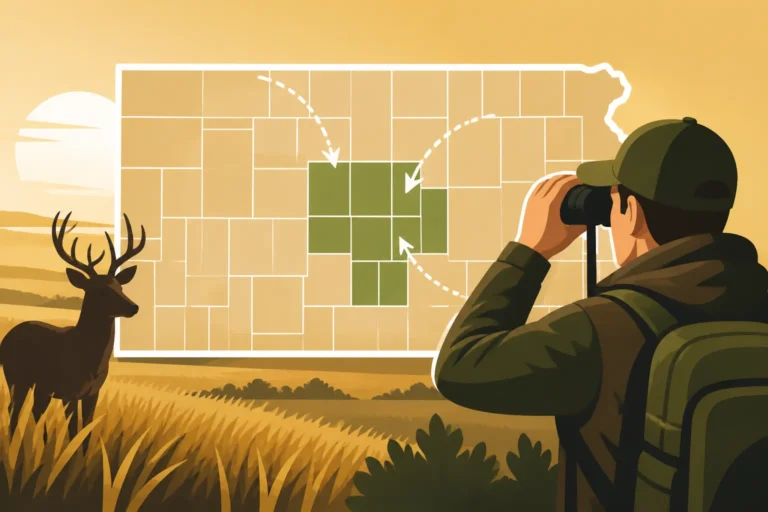
Mule deer in Kansas are a truly special, albeit limited, resource. They aren't found statewide like their whitetail cousins. Instead, you'll primarily find them concentrated in the far western units of the state, particularly in units 1, 2, 3, 17, and 18. These units boast the wide-open spaces, breaks, and agricultural fields that mule deer prefer, offering a stark contrast to the timbered river bottoms of eastern Kansas. Because their population is smaller and their range is restricted, the Kansas Department of Wildlife and Parks (KDWP) manages them very carefully. This stamp system is a key part of that management strategy, ensuring that hunting pressure remains controlled and the limited number of mule deer can continue to thrive.
Hunting Mule Deer in Western Kansas is a vastly different experience than chasing whitetails, often requiring glassing vast landscapes rather than setting up in dense timber. The challenge and unique environment are precisely what draw many hunters to seek this elusive stamp.
The Stamp's Purpose and What it Allows
The primary purpose of the Kansas Mule Deer Stamp is conservation through controlled harvest. By making it an additional draw, the KDWP can precisely manage how many mule deer are taken each year. If you're fortunate enough to draw this stamp, it effectively "converts" your either-species/either-sex deer permit into a mule deer only permit within the specific western units where mule deer are present. This means you would be prohibited from harvesting a whitetail with that particular permit.
This system ensures that those who truly desire a mule deer hunt have a chance, while preventing an uncontrolled harvest that could negatively impact the population. It’s a deliberate effort to maintain healthy herds while still providing a quality hunting opportunity for those who succeed in the draw.
Deconstructing the Cost of Your Mule Deer Pursuit
Now, let's get down to brass tacks: what's this mule deer dream going to cost you? It's important to remember that the Mule Deer Stamp isn't just a single payment; it's an additional fee on top of your hunting license and your regular deer permit application. Many hunters, especially non-residents, find themselves spending a significant amount before they even step foot in the field, making careful budgeting essential.
Breaking Down the Mule Deer Stamp Price
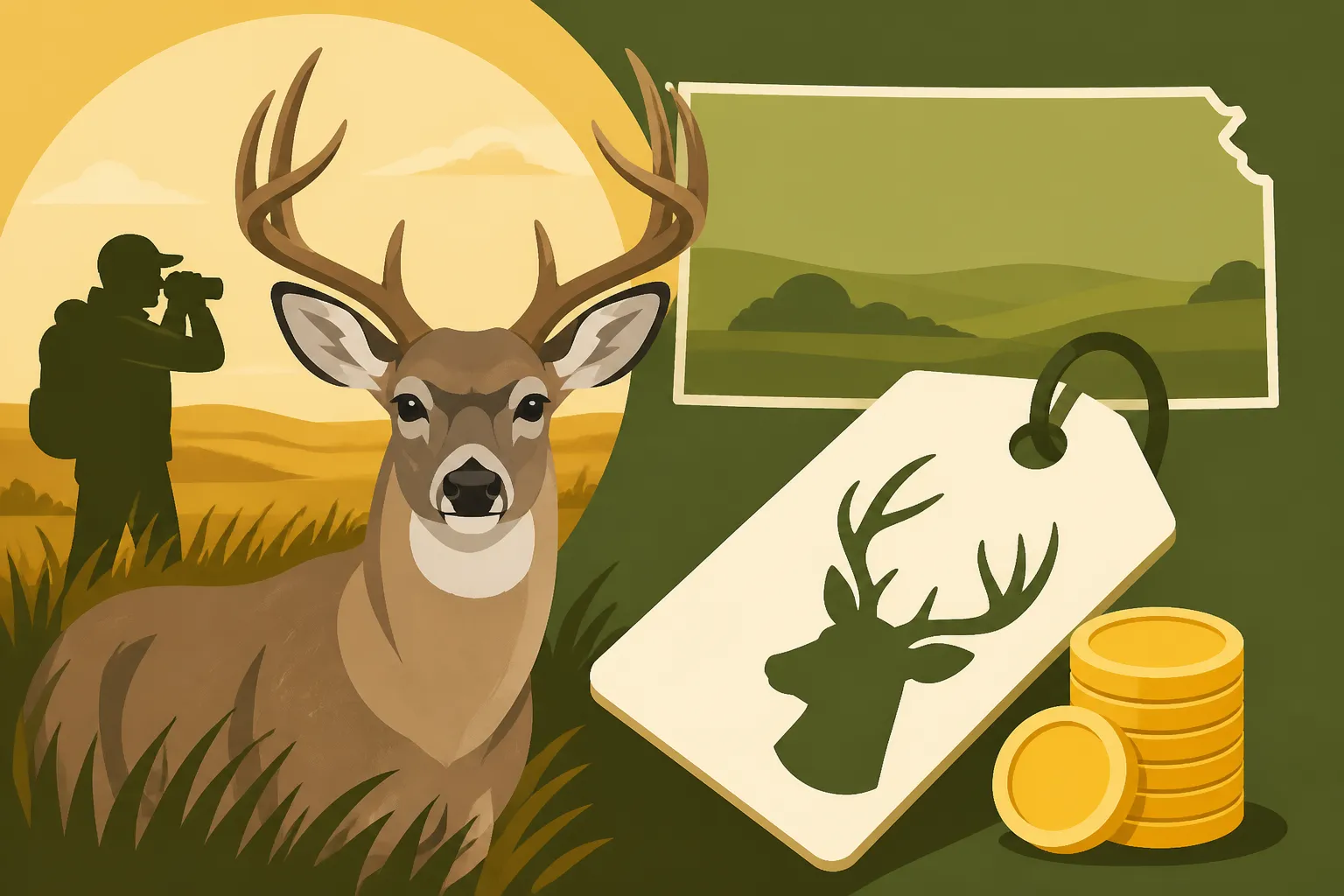
For non-resident hunters, the Kansas Mule Deer Stamp itself currently costs $152.50. This fee is charged only if you are successfully drawn for the mule deer stamp. You don't pay the $152.50 upfront when you apply; rather, it's assessed if your number comes up. This might seem like a relief, but it also means you need to be prepared for that charge to hit your account if you're successful.
Residents, on the other hand, enjoy a much lower fee, typically around $27.50 for the mule deer stamp. This reflects the state's prioritization of its own residents for hunting opportunities. Regardless of residency, it's crucial to acknowledge that this is an extra layer of cost beyond your standard hunting fees, making the pursuit of a Kansas mule deer a premium experience.
Additional Costs Beyond the Stamp
The $152.50 for the Mule Deer Stamp isn't the only expense. You'll need to account for several other mandatory fees, especially if you're a non-resident:
- Non-Resident Hunting License: This is a prerequisite for any hunting in Kansas and costs approximately $127.50 for an annual license. You must have this before you can apply for any deer permits.
- Deer Permit Application Fee: When you apply for your either-species/either-sex deer permit, there's a non-refundable application fee of $27.50. This fee is charged regardless of whether you draw a deer permit or the mule deer stamp.
- Either-Species/Either-Sex Deer Permit: This is the big one. If you successfully draw your primary deer permit (which is necessary to even be eligible for the mule deer stamp), the cost for a non-resident is substantial, currently around $442.50. This is the permit that the mule deer stamp modifies.
Let's put that into a table to make it clearer:
| Item | Non-Resident Cost (Approx.) | Resident Cost (Approx.) | Notes |
|---|---|---|---|
| Annual Hunting License | $127.50 | $27.50 | Required for all hunting. |
| Deer Permit Application Fee | $27.50 | $10.00 | Non-refundable, paid upfront when applying for the deer permit. |
| Either-Species/Either-Sex Permit | $442.50 | $42.50 | Charged if successfully drawn for the primary deer permit. You must draw this first. |
| Mule Deer Stamp | $152.50 | $27.50 | Charged only if successfully drawn for the Mule Deer Stamp, in addition to the permit above. |
| Total (if drawn for both) | $750.00 | $107.50 | This is the combined cost for permits/stamps. Doesn't include travel, lodging, gear, outfitter fees, etc. |
Understanding Total Investment
When considering a Kansas mule deer hunt, it's important to look at the total financial picture. Beyond the permit and stamp costs, you'll have significant expenses for travel, lodging, food, gear, and potentially an outfitter. A guided hunt can add thousands of dollars to your budget. Even a DIY hunt requires careful planning for accommodation and equipment.
For many, the significant investment is part of the allure. Kansas is known for its trophy potential, and for those seeking a truly unique experience, the cost is justified. Websites like GoHunt provide excellent resources for understanding these costs and can help you budget for your dream hunt, offering insights into application strategies and success rates. Considering the expense involved, thorough e-scouting using tools like those offered by GoHunt becomes even more critical to maximize your chances and make every dollar count.
The Application Process and Drawing Odds
So, you're ready to put your hat in the ring for a Kansas Mule Deer Stamp. The application process is tied directly to the main deer draw, and it’s important to understand the nuances, particularly regarding your chances of success. It's not a simple over-the-counter purchase; it's a draw within a draw, making it a true test of patience and luck.
Navigating the Kansas Deer Draw System for Mule Deer
The application period for the Kansas Mule Deer Stamp typically runs concurrently with the general non-resident deer draw, usually in April. When you apply for your either-species/either-sex deer permit, you'll be given the option to indicate your interest in applying for the Mule Deer Stamp. This is a crucial step – you can't decide to apply for the stamp later if you haven't checked that box during your initial permit application.
The KDWP handles the draw for the Mule Deer Stamp as a separate lottery after the main deer permit draw is complete. If you don't draw an either-species/either-sex permit, you automatically won't be considered for the mule deer stamp. It’s a two-stage process: first, secure your primary permit, then, if eligible, you get a chance at the stamp. The process is managed through the KDWP's Go Outdoors Kansas portal. Many hunters use services like GoHunt to track application deadlines and gain insights into draw odds for specific units, which can be incredibly helpful given the complexity.
Why Preference Points Don't Apply Here
This is where the Kansas Mule Deer Stamp draw differs significantly from the general deer permit draw for non-residents. While non-residents can accrue preference points for the regular deer draw, these points do not count for the Kansas Mule Deer Stamp draw. This is a critical piece of information. The mule deer stamp draw is a pure lottery; every applicant starts with an equal chance, regardless of how many preference points they’ve accumulated for other deer permits.
This rule, "Why Points Do Not Count for the Mule Deer Draw", is designed to keep the playing field level for all applicants for this highly coveted stamp. It means that a first-time applicant has the same statistical chance of drawing the mule deer stamp as someone who has been applying for years. While this might be frustrating for those with a long history of applications, it also offers a glimmer of hope to newcomers.
Maximizing Your Chances (or understanding the reality)
Given that preference points don't factor in, "maximizing your chances" for the Kansas Mule Deer Stamp draw largely boils down to consistent application. The only way to truly improve your statistical odds year over year is to apply every year for the stamp. However, it's important to maintain realistic expectations. The odds of drawing a Kansas Mule Deer Stamp are extremely low, often in the single digits percentage-wise for non-residents, depending on the unit and year.
You must choose a unit where mule deer are present, specifically units 1, 2, 3, 17, or 18. Applying in a unit without mule deer would obviously make drawing the stamp pointless, even if you were somehow successful. Researching "Which Kansas Units Qualify for a Mule Deer Stamp" is essential to ensure your application isn't wasted. While you can't influence the lottery, you can ensure your application is submitted correctly and for the right areas. Services like GoHunt compile historical draw data, offering transparency into past success rates, which can help you understand the true level of competition.
What Happens if You Actually Draw a Mule Deer Stamp
The phone rings, you check your email, or you log into the KDWP portal, and there it is: a successful draw for the Kansas Mule Deer Stamp! It’s an exciting moment, but understanding what this means for your actual hunt and the associated restrictions is paramount to avoiding any mishaps in the field. This stamp fundamentally changes the nature of the permit you've already secured.
Converting Your Whitetail Permit to a Mule Deer Permit
As mentioned earlier, the Mule Deer Stamp is not a separate permit; it modifies an existing one. If you successfully draw the Kansas Mule Deer Stamp, your either-species/either-sex deer permit becomes a mule deer only permit. This is a critical distinction and often misunderstood. You cannot harvest a whitetail deer with this permit once the mule deer stamp is attached. This rule is in place to manage the specific mule deer population and ensure hunters are targeting the species they applied for.
This means your focus for the hunt must entirely shift to mule deer. It's a commitment that, if not adhered to, could lead to serious violations. Make sure you fully understand "What the Kansas Mule Deer Stamp Converts" your permit into, and plan your hunt accordingly.
Unit Restrictions and Species Specifics
Your drawn mule deer stamp is valid only in the units where mule deer populations are managed, which are typically Units 1, 2, 3, 17, and 18. This means even if you drew your primary deer permit for a unit outside of these western zones, you wouldn't be able to use a mule deer stamp there. The unit for your mule deer stamp is intrinsically linked to your primary deer permit application and the units you selected.
This geographical restriction is vital to the KDWP's conservation efforts. Mule deer thrive in specific habitats, and concentrating hunting efforts in these areas allows for more accurate population monitoring and management. For hunters, this means your scouting and hunting efforts will be focused on these open, western landscapes, which often present different challenges and strategies than hunting whitetails in dense timber. It's important to differentiate between "Mule Deer and Whitetail Overlap" in some areas, but your permit will dictate which species you can pursue.
Planning Your Hunt After a Successful Draw
Drawing a Kansas Mule Deer Stamp is a significant accomplishment and opens up a truly unique hunting experience. Your next steps should focus on intensive planning. Since mule deer hunting often involves vast, open terrain, scouting becomes even more critical. You'll want to thoroughly research the specific unit you drew, utilizing aerial imagery, topographical maps, and perhaps even early-season trips to understand the lay of the land. This is where tools from platforms like GoHunt really shine, allowing you to identify potential bedding areas, travel corridors, and water sources remotely.
Consider the tactics required for mule deer. Often, this means a lot of glassing, spot-and-stalk techniques, and covering significant ground. Ensure your gear, from optics to footwear, is up to the task. Given the demanding nature and the rarity of the tag, many hunters view this as a hunt of a lifetime. The investment in scouting and preparation will pay dividends when you're finally out in the expansive landscape, pursuing one of Kansas's most challenging big game animals.
Disclaimer
Please note that hunting regulations, license fees, and permit costs are subject to change by the Kansas Department of Wildlife and Parks (KDWP). While this guide provides the most up-to-date information available at the time of writing, it is essential to consult the official KDWP website or regulation summary before applying for any permits or heading afield. This content is for informational purposes only and should not be considered legal advice.