Kansas Youth and Disability Deer Season
It can feel like a real challenge to introduce new hunters, especially kids, or to continue pursuing your passion when facing physical limitations during the regular, often fast-paced, deer seasons. The Kansas Youth and Disability Deer Season is specifically designed to alleviate these pressures, offering a calmer, more accessible window for a rewarding hunting experience. This comprehensive guide will walk you through everything you need to know, from eligibility and application steps to practical hunting tactics, ensuring a safe and successful outing.
Understanding the Kansas Youth and Disability Deer Season
Kansas has long been recognized as a prime deer hunting destination, but the hustle and bustle of the general seasons can be daunting for some. That’s precisely why the Kansas Department of Wildlife and Parks (KDWP) established dedicated youth and disability hunting seasons. These aren't just minor tweaks to the calendar; they are thoughtful initiatives aimed at fostering participation and ensuring accessibility, reflecting a deep understanding of the diverse needs within our hunting community.
Season Dates and Unit Specifics
The youth and disability deer season in Kansas typically offers an exclusive early start, usually a few days before the statewide archery season opens. This means quieter woods and often less pressure, which can make all the difference for a new hunter still learning the ropes or for someone who needs a slower pace. While exact dates can shift slightly year to year, this special season generally falls in early September, providing a fantastic opportunity to hunt deer before they've become heavily pressured. For specific and up-to-date information, always consult the current year’s Kansas hunting regulations summary.
What's really great about this early window is that it's generally open statewide, meaning you're not restricted to certain units that might be far from home or difficult to access. This flexibility allows families and hunters with disabilities to plan their trips around convenient locations, whether that's familiar private ground or easily accessible public lands. The permits issued during this season are typically "any-deer" permits, allowing for the harvest of either an antlered or antlerless whitetail deer, and sometimes a mule deer in specific western units if the appropriate stamp is acquired. This flexibility in harvest is a huge benefit, as the primary goal is often participation and success, not necessarily a trophy buck. Knowing the full range of options for Kansas Deer Season Dates by Weapon can help you strategize your season planning effectively.
The Rationale Behind Special Seasons
Let's be honest, hunting can be physically demanding. Long walks, climbing stands, and enduring harsh weather are just some of the challenges. For youth, who are still developing their skills and stamina, and for hunters with disabilities, these challenges can be amplified. The KDWP understands these realities, and these special seasons are a direct response. They aim to break down barriers to participation, making hunting more inclusive and enjoyable for everyone.
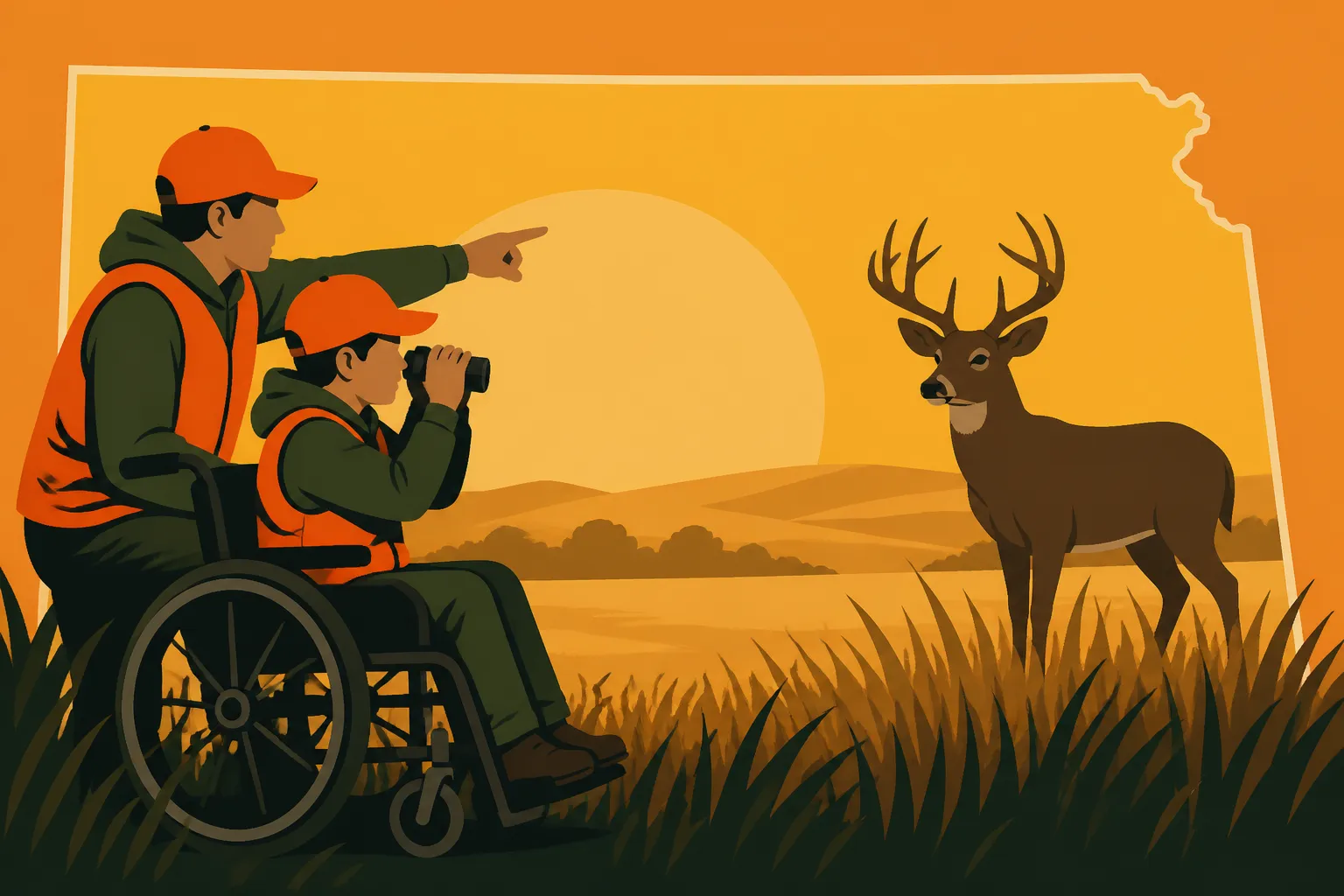
For our younger generation, these seasons are crucial for hunter recruitment and retention, often referred to as R3 initiatives. By providing a less competitive environment, kids can focus on learning safe firearm handling, tracking, field dressing, and the ethics of hunting without the added pressure of vying for space with seasoned hunters. It’s about building confidence and fostering a lifelong love for the outdoors. Imagine a child’s first deer, taken in a peaceful setting, creating memories that will last a lifetime. For hunters with disabilities, these seasons ensure that physical limitations don't automatically exclude them from participating in a cherished pastime. Whether it's allowing for adaptive equipment, providing easier access, or simply reducing the crowds, these seasons are a testament to Kansas's commitment to accessibility and inclusion in our hunting heritage. It’s about more than just harvesting an animal; it’s about the experience, the connection to nature, and the camaraderie.
Eligibility and Permit Requirements for Special Seasons
Understanding who qualifies for these special hunting opportunities is the first step toward planning your hunt. The Kansas Department of Wildlife and Parks has clear guidelines for both youth and hunters with disabilities, ensuring that these seasons serve their intended purpose: to create accessible and enjoyable hunting experiences for those who need them most. Don't assume anything; always double-check the current regulations before heading afield.
Defining "Youth" for Hunting Purposes
For the Kansas Youth Deer Season, "youth" is generally defined as any hunter 16 years of age or younger at the time of the hunt. This age range is designed to capture those formative years when hunters are learning and developing their skills. However, being a youth hunter isn't just about age; it also comes with specific supervision requirements. All youth hunters participating in this special season, or any other deer season, must be accompanied by an adult 18 years of age or older. This adult does not need to be licensed to hunt deer themselves, but they must be present and directly supervising the youth hunter. This is a critical safety measure and an invaluable mentorship opportunity.
Furthermore, Kansas offers an "apprentice hunter" program which can be beneficial for those new to hunting, regardless of age. While not strictly tied to the youth deer season, it allows individuals to hunt without first completing a hunter education course, provided they are accompanied by a licensed adult mentor. This can be a great way to get started if hunter education hasn't been completed yet. It's vital for the supervising adult to be well-versed in all hunting regulations and to provide active guidance throughout the hunt, emphasizing safety above all else. Reviewing the details on Kansas Junior Hunter Licence Rates can provide more insight into specific costs and requirements for younger hunters.
Disability Qualifications and Documentation
For hunters with disabilities, the criteria are a bit more nuanced, focusing on verifiable physical limitations that impede their ability to hunt under standard regulations. KDWP outlines specific definitions for what constitutes a qualifying disability, and it's not simply a matter of self-declaration. Typically, this involves physical conditions that substantially limit one or more major life activities, such as walking, standing, or using upper extremities. Examples often include individuals who are permanently confined to a wheelchair, those who use crutches or a walker, or individuals with severe respiratory or cardiovascular conditions.
To participate in the disability season, hunters usually need to provide documentation from a licensed physician certifying their condition. This might involve filling out a specific KDWP form that attests to the nature and severity of the disability. Once approved, this documentation allows for certain accommodations that wouldn't be permitted during a regular season, such as hunting from a stationary vehicle or using a crossbow during the archery-only season (if not otherwise allowed). It's always best to contact KDWP directly or visit their website to obtain the most current forms and understand the precise requirements. Don't wait until the last minute; gather your documentation early to ensure a smooth application process.
Navigating the Application Process
Getting your permit for the Kansas Youth and Disability Deer Season requires a bit of planning, just like any other deer hunt in the state. The process involves understanding which permits are applicable, when to apply, and how to use the state's online system. It might seem a little intimidating at first, but breaking it down step-by-step makes it much more manageable, especially if you get started early.
Securing the Right Permits and Licenses
Before you can even think about drawing a deer permit, every hunter, regardless of age or disability status, needs a valid Kansas hunting license. For residents, these are typically annual licenses, while non-residents will need to purchase a non-resident hunting license. Once that's in order, you'll be looking at specific deer permits. For the youth and disability season, hunters are usually applying for an "any-deer" permit or a "whitetail antlerless" permit, depending on the specific regulations for that year and unit. These permits allow for the harvest of one deer during the designated season.
The application process is almost entirely managed through the Go Outdoors Kansas (GoHunt) online portal. This system is your one-stop shop for purchasing licenses, applying for draws, and reporting harvests. It’s designed to be user-friendly, but if you’re new to it, take your time to create an account and familiarize yourself with the interface. When applying for a youth or disability permit, you'll need to select the appropriate permit type and ensure all personal details, including any disability certifications, are correctly associated with your account. Remember, the goal is a successful hunt, and that starts with having all your legal ducks in a row. Information on Kansas Hunting Licence and Permit Costs can help you budget for these essential permits.
Key Application Windows and Draw Considerations
Unlike some of the highly competitive nonresident draws for trophy whitetails, permits for the youth and disability deer season are generally over-the-counter or part of a less competitive draw, especially for resident hunters. However, it's still crucial to be aware of the key application windows. While the youth and disability season itself starts early, the application period for the necessary permits often aligns with the main deer application window, which typically opens in April. Missing this window can mean missing out on the early season opportunity.
The GoHunt system will guide you through the application for the specific permit you need. For youth hunters, this might be a general any-deer permit valid for the special season. For hunters with disabilities, there might be specific permit codes tied to their certified disability status. The system is designed to streamline the process, but always double-check your selections before submitting. While preference points don't typically play a role in these specific early seasons, understanding how the state allocates permits is key. The KDWP website or the annual hunting regulations summary is the definitive source for current dates and detailed instructions. Make sure you don't miss the Kansas Deer Application Window in April to ensure your spot.
| Season Type | Typical Dates | Eligibility Notes | Primary Permit Type | Cost (Estimate)* |
|---|---|---|---|---|
| Youth Season | Early September | Hunters 16 & under, supervised by 18+ adult | Any-Deer (Whitetail/Mule) | ~$40 (Resident)** |
| Disability Season | Early September | KDWP-certified physical disability, special rules | Any-Deer (Whitetail/Mule) | ~$40 (Resident)** |
| Regular Archery | Mid-September – Dec. | All licensed hunters | Either-Sex (Whitetail) | ~$40 (Resident)** |
| Firearm Season | Early December | All licensed hunters | Either-Sex (Whitetail) | ~$40 (Resident)** |
*Costs are estimates and do not include general hunting license fees, which are also required. Nonresident fees are significantly higher.
**Permit types and eligibility are subject to annual KDWP regulations. Always verify current information.
Practical Tactics for a Successful Hunt
Hunting during the Kansas Youth and Disability Deer Season presents unique advantages, primarily due to reduced pressure and often more predictable deer behavior in the early fall. To make the most of these opportunities, hunters need to adapt their strategies, focusing on accessibility, comfort, and understanding early-season deer patterns. It’s about creating an experience that caters to the specific needs of the hunters, maximizing their chances of success and enjoyment.
Accessible Stand and Blind Setups
For youth hunters, comfort and safety are paramount. Elevated stands can be an option, but often a well-placed ground blind is superior. They offer more room to move, warmth, protection from the elements, and can significantly reduce the detection of small movements that younger hunters might make. For hunters with disabilities, ground blinds are often the only practical solution, especially for those using wheelchairs or other mobility aids. When choosing a ground blind, look for models with ample space and quiet entry/exit. Positioning is critical; choose a spot that offers a clear shot lane but also allows for easy, quiet access without disturbing deer. Consider brushing in your ground blind effectively, making it blend seamlessly with the surroundings. You can learn more about effective concealment with tips on Ground Blind Brushing In.
When selecting a stand or blind location, prioritize ease of access. Avoid long, strenuous walks, especially if mobility is a concern. Look for areas close to roads or accessible trails. The setup should be comfortable enough for extended sits, which is particularly important for youth who might lose focus if uncomfortable, or for hunters with disabilities who need stable, supportive seating. This season is about making hunting possible and enjoyable, not about proving toughness. Think about a wide shooting window, a clear view, and minimal obstacles to ensure a confident shot.
Leveraging Early Season Opportunities
The early September timeframe of this special season means deer behavior will be heavily influenced by food sources and water. Unlike the frenetic rut, bucks aren't chasing does indiscriminately. Instead, they're focused on bulking up for the colder months. This makes targeting agricultural fields, especially those with standing crops like soybeans or alfalfa, an excellent strategy. Deer will also be hitting food plots or natural browse in timber edges. Water sources, like ponds or creek bottoms, are also magnets for deer, particularly if temperatures are still warm. Consider setting up near these critical resources, focusing on travel corridors between bedding areas and feeding spots.
Since the pressure is typically lighter, deer might follow more predictable patterns. Early morning and late evening will still be prime times, but often, mid-day movement can also be observed as deer move between various cover and food sources. Using mapping tools like the GoHunt app can help identify key terrain features, crop types, and potential water sources on both private and public land. Scouting accessible trails and game crossings before the season, perhaps using trail cameras, can provide invaluable information without burning out a spot. Don't underestimate the power of knowing where deer are feeding and watering, especially when the season kicks off. Exploring Early-Season Bowhunting Over Water can provide excellent insights into these types of tactics. Additionally, knowing how to approach Scouting Kansas Walk-In Tracts Before the Opener will be invaluable.
Managing Weather and Comfort
Early September in Kansas can still bring surprisingly warm weather. Hunters need to plan accordingly to stay comfortable and hydrated. Lightweight, breathable clothing that wicks moisture away from the skin is essential. Bring plenty of water, and consider a cooler with snacks to maintain energy levels throughout longer sits. Sunscreen and insect repellent are also often necessary, as ticks and mosquitoes can still be active.
For hunters with disabilities, specialized gear can make a significant difference. Portable heaters in ground blinds for cooler mornings, cooling vests for warmer days, or adaptive seating can vastly improve comfort and stamina. The focus here is on extending hunting time without sacrificing well-being. The key is to be prepared for fluctuating temperatures, as mornings can be cool and afternoons warm. Think in layers that can be easily added or removed. While this season isn't specifically for muzzleloaders, the general principles for dealing with Muzzleloader Deer Tactics in Warm September Weather – primarily hydration, scent control, and comfortable clothing – are directly applicable to staying comfortable during this early season.
Ensuring a Safe and Ethical Hunting Experience
The Kansas Youth and Disability Deer Season offers incredible opportunities, but with every hunt, safety and ethics must remain at the forefront. This is especially true when introducing new hunters or accommodating those with special needs. A responsible and ethical approach ensures a positive experience for everyone involved and upholds the integrity of our hunting traditions.
Mandatory Hunter Education and Supervision
For youth hunters in Kansas, completing a hunter education course is a foundational requirement, establishing a baseline of knowledge in firearm safety, wildlife conservation, and hunting ethics. Kansas mandates hunter education for anyone born on or after January 1, 1957. While an apprentice license allows individuals to hunt under supervision before completing the course, the course itself is highly recommended for all new hunters, regardless of age. It covers critical topics that extend far beyond just pulling a trigger.
During the youth deer season, the supervising adult’s role is absolutely crucial. They are responsible not only for the youth hunter’s safety but also for guiding them through the entire hunting process, from identifying game to understanding fair chase principles. This means more than just sitting quietly; it means active mentorship. The adult should always maintain close proximity to the youth hunter, be prepared to assist, and reinforce safe gun handling at all times. This direct supervision is designed to prevent accidents and instill responsible hunting practices from the very beginning. Understanding the Kansas Hunter Education Age Requirement is fundamental before heading afield.
Prioritizing Safety in the Field
Safety during any hunt, but particularly during these special seasons, should be a constant priority. Even though the youth and disability season usually falls within the archery-only timeframe (where hunter orange isn't always strictly mandated for deer hunters in treestands), wearing hunter orange, especially when moving, is a wise precaution. It significantly increases visibility to other hunters, reducing the risk of accidental shootings. For firearms seasons, hunter orange becomes a mandatory requirement. Knowing the Hunter Orange Rules During Firearm Season can prevent unnecessary infractions and keep everyone safe.
Communication is another key safety component. Hunters should always carry a fully charged cell phone or a two-way radio, especially when hunting in remote areas. A detailed trip plan should be shared with a non-hunting contact, including your exact hunting location, expected return time, and any medical conditions or special needs. This simple step can be a lifesaver in an emergency. Preparing and sharing a Leaving a Trip Plan for a Public Hunt is not just good practice, it's a vital safety measure for every outing. Always hunt with a buddy, especially if mobility is an issue, ensuring that assistance is readily available if needed for retrieval or any unforeseen circumstances.
Ethical Considerations and Game Recovery
Ethical hunting means respecting the animal, the land, and fellow hunters. For youth and disability hunters, this involves emphasizing patience, knowing your effective shooting range, and making a clean, ethical shot. The goal is a quick, humane harvest. Before the season, practice shooting from your chosen stand or blind setup to ensure accuracy and confidence. Shot placement is paramount, aiming for the vital organs for a swift kill.
In the event of a hit, proper game recovery is an ethical obligation. Take the time to wait before tracking, allowing the animal to expire, and then follow the blood trail meticulously. For youth hunters, this can be a valuable lesson in perseverance and responsibility. If the blood trail is sparse or difficult, consider returning later with fresh eyes or enlisting the help of a tracking dog (where legal) to ensure the animal is recovered. Nothing is more disheartening than losing an animal. Learning about effective techniques for Blood Trailing in CRP and Cedars can significantly improve your chances of recovery, even in tough conditions. Remember, the story of the hunt isn't just about the shot, but about the respectful recovery and utilization of the animal.
Maximizing Your Chances on Public and Walk-In Lands
Kansas offers an incredible amount of public and Walk-In Hunting Access (WIHA) land, providing fantastic opportunities for youth and disability hunters. However, successful hunting on these lands requires smart planning and a good understanding of how to navigate these often-pressured areas. With a thoughtful approach, you can turn public ground into a productive hunting spot during these special early seasons.
Identifying Suitable Public Lands
When looking for public hunting grounds, the first step is to consult the Kansas Department of Wildlife and Parks' Public Lands Atlas, readily available online or through the GoHunt app. This invaluable resource highlights State Wildlife Areas, Corps of Engineers land, and especially the extensive network of WIHA tracts. For youth and disability hunters, pay close attention to the characteristics of these areas. Look for tracts with relatively easy access, potentially near roads or with flatter terrain, to minimize strenuous walking. Timbered creek bottoms and small woodlots adjacent to crop fields are often prime locations.
WIHA tracts are particularly appealing because they are leased private lands opened to public hunting, often encompassing agricultural fields that deer frequent. The GoHunt application and the iWIHA system can be incredibly useful here. The iWIHA system, for instance, allows for real-time check-in and out, and sometimes even shows hunter density, which can help you choose less crowded spots. Focus on areas that offer good cover for deer movement between bedding and feeding areas. Understanding how to scout and hunt these areas effectively without over-pressuring them is key to long-term success. More detailed strategies can be found in Hunting Kansas Walk-In Land Without Burning It Out and a broader view in Kansas Public Land Deer Hunting.
Practical Tips for Public Access Hunting
Hunting public or WIHA land successfully, especially during an early season, hinges on intelligent scouting and strategic access. Before you even step foot in the woods, use mapping tools like the GoHunt app or onX Hunt to virtually scout potential areas. Look for pinch points, funnels, creek crossings, and isolated patches of cover within larger open areas. Identify suitable access points that minimize disturbance to potential bedding areas. Often, walking an extra quarter-mile along a field edge to enter from a downwind direction can make all the difference.
Once you’re on the ground, focus on fresh sign – tracks, rubs, scrapes (though scrapes will be minimal early season), and droppings. Since these are early seasons, deer will likely be patterned around food and water. Locate trails leading into or out of crop fields, oak stands dropping acorns, or water sources like ponds and creeks. For hunters with mobility challenges, consider using a high-quality deer cart to assist with getting gear in and, more importantly, game out. This can significantly reduce the physical exertion of retrieving a harvested animal, making the entire experience more enjoyable and less stressful. Details on selecting and using Deer Carts on Walk-In Ground can be incredibly helpful for planning. Remember to leave no trace, packing out everything you pack in, and always adhere to all KDWP regulations specific to public and WIHA lands.
Disclaimer
The information provided in this article is for general guidance and informational purposes only. Hunting regulations in Kansas are subject to change annually. Always consult the most current Kansas Department of Wildlife and Parks (KDWP) official regulations summary, available on their website, before planning or engaging in any hunting activities. Eligibility requirements, season dates, permit costs, and hunting area rules can vary. It is the individual hunter's responsibility to know and obey all applicable federal, state, and local laws and regulations.