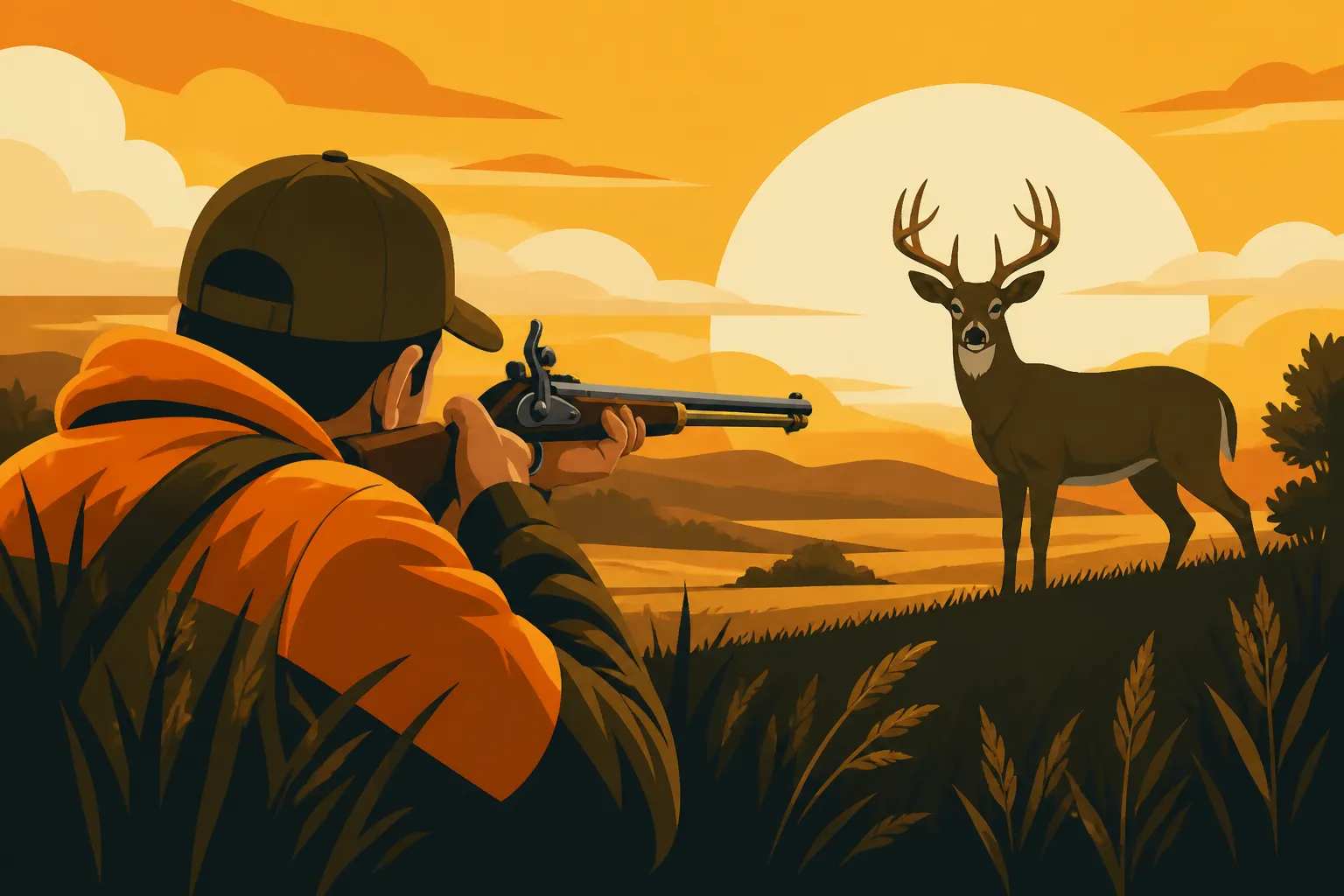
Kansas Muzzleloader Deer Season
There's nothing quite like the crack of a muzzleloader echoing through the crisp air of early fall in Kansas. If you've ever felt the frustration of waiting for firearm season, or the challenge of late-season bowhunting, the Kansas muzzleloader deer season offers a unique, incredibly rewarding window into deer hunting. This guide is here to walk you through everything you need to know, from permit intricacies to on-the-ground tactics, ensuring you're fully prepared to make the most of this special opportunity.
Understanding the Kansas Muzzleloader Deer Season's Unique Appeal
The muzzleloader season in Kansas is a distinct period that offers hunters a chance to pursue deer with a primitive weapon, typically falling in mid to late September. It's an experience that often bridges the gap between the archery-only season and the more popular firearm season, providing a different set of challenges and rewards. The quiet simplicity of a muzzleloader hunt, combined with the mild early-fall weather, creates a truly unique atmosphere that many hunters cherish.
The Allure of the Early Fall Muzzleloader Hunt
One of the biggest draws of the muzzleloader season is the timing. It’s early enough that deer are still generally on summer patterns, often more visible and less pressured than they will be come November. The leaves are typically still green, the temperatures can be warm, and the landscape hums with the last vestiges of summer. This period gives you a chance to scout, hang stands, and pursue deer before the chaos of the rut truly sets in, allowing for more predictable deer movement around food and water sources. It's a fantastic time to witness bucks still in their bachelor groups or just starting to disperse, offering unique photographic opportunities even if you don't connect. The quiet nature of the muzzleloader also means you're not dealing with the loud commotion of centerfire rifles, which can keep deer from blowing out of an area as quickly.
Key Dates and Season Structure for Muzzleloaders
The Kansas muzzleloader deer season typically runs for a specific period in September, often around the third full week. It's crucial to check the Kansas Department of Wildlife and Parks (KDWP) regulations each year, as dates can shift slightly. For instance, in recent years, the season has usually fallen around September 16th to September 29th. This two-week window offers a fantastic opportunity, but it requires careful planning due to its brevity. Compared to the much longer archery season, or the concentrated firearm season, the muzzleloader window is a sprint, not a marathon. Understanding these specific dates is your first step in planning a successful hunt. Remember, your primary permit for muzzleloader needs to specify muzzleloader as the weapon choice.
Here's a general overview of typical Kansas deer season dates to give you context, but always confirm with current KDWP regulations:
| Season Type | Typical Start Date | Typical End Date | Weapon Eligibility |
|---|---|---|---|
| Archery | Mid-September | End of December | Archery equipment only |
| Muzzleloader | Mid-September | End of September | Muzzleloader equipment only |
| Youth/Disability | Early September | Early September | Any legal equipment |
| Firearm | First Week of December | Second Week of December | Rifles, shotguns, handguns, muzzleloaders, archery |
| Extended Antlerless | January | January | Archery, muzzleloader, shotgun, handgun (unit-specific) |
Specific Muzzleloader Regulations to Keep You Legal
Hunting with a muzzleloader comes with its own set of rules that are distinct from other weapon types. In Kansas, a muzzleloader is generally defined as a firearm that is loaded from the muzzle, is 40 caliber or larger, and can only be loaded with a single projectile. This means no breech-loading "muzzleloaders" or modern inline rifles that load cartridges from the breach. You'll typically be using loose powder (like black powder or a black powder substitute) and a projectile like a saboted bullet, a conical bullet, or a patched round ball.
The use of scopes is generally permitted during muzzleloader season, which is a big advantage for many hunters, especially for those longer shots in open Kansas terrain. However, electronic ignition systems are usually not allowed. Always double-check the KDWP regulations summary for the specific year you plan to hunt, as these details are critical. For instance, you can't use smokeless powder in a traditional muzzleloader designed for black powder, as it can be extremely dangerous. Understanding these regulations is key to a safe and legal hunt. For more detailed information on proper care during the season, you might want to read about Keeping a Muzzleloader Dry in Rain.
Navigating Permits and the Kansas Draw System
Securing the correct permit is arguably the most crucial step for any hunter looking to participate in the Kansas muzzleloader deer season. Kansas operates on a draw system, especially for non-residents, and understanding how it works for muzzleloaders is vital. It's not as simple as walking into a sporting goods store and buying a tag.
Acquiring Your Kansas Muzzleloader Deer Permit
To hunt deer in Kansas, you'll need a hunting license and a deer permit. For non-residents, the deer permit is obtained through an application and draw process. When you apply, you must declare your weapon choice, and in this case, you'll select "muzzleloader." This means your permit will be specifically valid only for the muzzleloader season, or during the firearm season if you choose not to hunt the muzzleloader dates. Residents typically have an easier time acquiring permits, often over-the-counter for specific units, but even they need to be mindful of regulations.
The application period for non-resident deer permits usually opens in early April and closes in late April. It's a tight window, so mark your calendar! You'll apply online through the KDWP website. During the application process, you'll choose your preferred deer management unit (DMU) and an adjacent unit. It’s a good idea to research the units thoroughly, looking at deer densities, public land access, and past draw odds. Services like GoHunt offer detailed insights into unit data and draw odds, which can be invaluable when making these critical decisions.
The Role of Preference Points in the Muzzleloader Draw
Kansas uses a preference point system to allocate non-resident deer permits. Essentially, the more preference points you have, the better your chances of drawing a permit in your desired unit. You earn a preference point by applying for a permit and being unsuccessful in the draw, or you can purchase a preference point without applying for a permit during the application period. Each preference point costs money, usually around $27.50, and they accumulate over time.
For the muzzleloader season, the draw odds can vary significantly by unit. Some units are tougher to draw than others, often requiring several preference points for a non-resident to be successful. If you're planning a muzzleloader hunt, it's wise to start building points well in advance. Understanding how Kansas Preference Points Explained work is essential. Even if you don't draw your first unit choice, you might draw your second choice or be offered a permit in a less popular unit. This system means planning ahead is key; a last-minute decision to hunt muzzleloader season in Kansas often won't work out for non-residents unless you get lucky in a leftover draw or a very easy-to-draw unit.
Special Considerations for Non-Resident Hunters
Non-residents face higher permit costs and the necessity of navigating the draw system. Beyond the deer permit itself, non-residents must also purchase a general hunting license, which is a separate fee. The total cost can add up, so budget accordingly. As mentioned, utilizing resources like GoHunt or other detailed scouting tools can provide critical data on draw odds, success rates, and public land access for specific units, helping you make an informed decision.
When applying, consider which units offer the best combination of draw odds and hunting opportunities. Some units are known for higher deer populations, while others might offer more public access. Since muzzleloader season occurs before the main firearm season, pressure might be slightly lower, but accessible public land can still get crowded. Researching Kansas Deer Permits and the Nonresident Draw thoroughly will give you the best chance of securing a tag. Always ensure you are familiar with all relevant regulations, as penalties for violations can be severe.
Essential Muzzleloader Gear and Preparation
A successful muzzleloader hunt isn't just about drawing the tag; it's about being prepared with the right equipment and knowing how to use it proficiently. Unlike modern rifles, muzzleloaders require a more hands-on approach to loading and shooting, demanding attention to detail in your gear selection and practice.
Choosing the Right Muzzleloader for Kansas Conditions
When it comes to selecting a muzzleloader, there's a wide range of options, but for Kansas, you'll want one that's reliable, accurate, and adheres to regulations. While traditional flintlocks and caplocks are legal and offer a truly primitive experience, many hunters opt for "inline" muzzleloaders that use 209 primers for increased reliability and ease of use, as long as they meet the state's definition of a muzzleloader (muzzle-loaded, 40 caliber or larger). Brands like CVA, Traditions, and Thompson/Center are popular choices, offering models that are accurate and relatively easy to clean.
Consider the barrel twist rate, as it impacts the type of projectile your rifle shoots best. A faster twist rate (e.g., 1:28) is generally better for longer, heavier sabot bullets, while slower twist rates (e.g., 1:48 or 1:60) might favor patched round balls or shorter conicals. Given that Kansas often presents longer shots, accuracy at 100-150 yards is a significant factor. A sturdy, synthetic stock can also be advantageous over wood, particularly when dealing with the potential for humid September mornings or unexpected rain showers. This can help prevent warping and maintain accuracy.
Essential Accessories and Sighting-In Practices
Beyond the rifle itself, several accessories are crucial. You'll need a reliable ramrod (often upgrading from the factory one is a good idea), a bullet starter, cleaning patches, and a bullet puller (just in case!). A specialized muzzleloader cleaning kit is a must for proper maintenance, especially with corrosive black powder.
Sighting in your muzzleloader is paramount. Unlike a centerfire rifle where you might shoot a box of ammo, muzzleloader practice usually involves fewer shots due to the cleaning required between each shot for consistent accuracy. Take your time at the range. Shoot from a solid rest, paying attention to your form. Experiment with different powder charges and bullet combinations to find what your rifle prefers for optimal accuracy. Remember that a muzzleloader's trajectory is much different than a modern rifle, often dropping significantly past 100 yards. Practice at various distances, from 50 to 150 yards, to understand your rifle's capabilities. A good rangefinder is indispensable for accurately determining distances in the field, which is critical for making ethical shots with a muzzleloader.
Ammunition Choices and Field Loading Essentials
Your choice of projectile and powder is as important as the rifle itself. For powder, you'll choose between traditional black powder (like Goex or Swiss) or a black powder substitute (like Triple Seven or Pyrodex). Substitutes are generally less corrosive and easier to clean, making them a popular choice. Always use the recommended powder type and charge weight for your specific muzzleloader.
Projectiles vary widely:
- Saboted bullets: These consist of a smaller diameter bullet encased in a plastic sabot, allowing modern bullets to be shot through larger bore muzzleloaders. They offer excellent ballistic performance and accuracy.
- Conical bullets: Heavier, solid lead bullets that fit the bore directly. They hit hard but often have a more rainbow-like trajectory.
- Patched round balls: The traditional choice, light and fast at close range, but less accurate and powerful at longer distances.
For Kansas deer, saboted bullets are often preferred for their accuracy and energy retention at range. When preparing for the field, create pre-measured powder charges in speed loaders or plastic vials. This allows for quick and consistent reloading. Carry enough charges and projectiles for multiple shots, and always keep your primers separate until ready to load. A sturdy, waterproof possibles bag is excellent for keeping all your loading essentials organized and protected from the elements.
Strategic Muzzleloader Hunting Tactics
The Kansas muzzleloader season falls in September, a time of transition for whitetails. Bucks are shedding velvet, bachelor groups are breaking up, and deer are still largely focused on food and water. Understanding these patterns and adapting your tactics accordingly is key to success.
Early Season Scouting and Stand Placement
Effective scouting is the bedrock of any successful hunt, and it's especially critical for the short muzzleloader season. Begin by reviewing aerial imagery on apps like onX Hunt or using GoHunt's mapping tools to identify potential bedding areas, travel corridors, and primary food sources. Look for pinch points, timber edges, and creek draws. Then, put boots on the ground to confirm your e-scouting observations. Pay attention to fresh tracks, rub lines, and droppings. Since it's early season, deer might still be hitting mineral sites or established water sources, so check those too.
When it comes to stand placement, focus on high-traffic areas between bedding and feeding. Consider morning setups near bedding and evening setups near primary food sources like alfalfa, soybeans, or early corn. Because the muzzleloader season can coincide with warmer temperatures, deer movement might be more crepuscular (dawn and dusk). Placing stands on shaded edges or along cool creek bottoms where deer might travel during warmer parts of the day can also be effective. Don't be afraid to Scouting Kansas River Bottoms and Creek Draws as these areas often concentrate deer movement.
Hunting Food and Water Sources
During the September muzzleloader season, deer are still largely driven by their stomachs and thirst. This means food plots, agricultural fields, and natural browse are prime locations. Alfalfa fields, soybean fields, and early maturing corn can be magnets for deer. Setting up downwind of these food sources, especially in the evening, offers excellent opportunities. If you're hunting public land, pay close attention to crop rotations and what's currently planted.
Water sources are also critical, particularly in drier parts of Kansas. Farm ponds, creeks, and even small puddles can draw deer in. While you might be more focused on a feed-to-bed pattern, don't overlook an early-season waterhole. For more insights on this, consider tactics like Early-Season Bowhunting Over Water, as many of the principles apply to muzzleloader season during warmer weather. Deer may visit water multiple times a day, especially after feeding, making setups near water very productive.
Managing Pressure and Deer Movement
Even though muzzleloader season is shorter and less pressured than the general firearm season, public land, and accessible private land can still see hunter activity. Deer will react to this pressure. If you notice increased activity, consider adapting your strategy. This might mean adjusting your entry and exit routes to avoid bumping deer or shifting to more secluded bedding areas during midday.
During the muzzleloader season, deer are often still in somewhat predictable patterns. However, as the month progresses, the breaking up of bachelor groups and the early stirrings of the pre-rut can start to influence movement. While not full-blown rut, some bucks might begin to make scrapes or light rubs. These can indicate developing travel patterns. Keep an eye on the wind direction meticulously, as a muzzleloader shot is typically a one-and-done affair, and getting busted by a deer's nose before you even get a shot is a common frustration.
Mastering the Elements and Post-Harvest Procedures
Hunting in September comes with its own set of environmental challenges, primarily warm weather. Knowing how to manage these conditions, along with proper shot placement and post-harvest care, will significantly increase your overall success and ensure a respectful hunt.
Dealing with Warm September Weather and Its Impact
The biggest hurdle for September muzzleloader hunting in Kansas is often the heat. Temperatures can still reach into the 80s or even 90s Fahrenheit. This heat impacts both deer behavior and meat care. Deer will typically move less during the heat of the day, preferring to feed and travel in the cooler mornings and evenings. They will also be more inclined to bed in thick cover near water or in shaded areas.
As a hunter, dress in light, breathable clothing, and stay hydrated. Consider hunting close to your vehicle to minimize the effort of retrieving a deer, or bring a game cart for easier extraction. The warm weather also means scent control is even more important; human scent lingers longer in stagnant, warm air. Be prepared to act quickly after harvesting a deer to prevent meat spoilage. This is where insights from Field Dressing in Warm Kansas Weather become absolutely critical.
Ethical Shot Placement and Recovery Strategies
With a muzzleloader, shot placement is paramount. Due to the slower velocity and heavier projectile, your effective range might be less than with a modern rifle. Practice diligently to know your ethical range, and always strive for a broadside or slightly quartering-away shot at the vitals. Aim for the "crease" behind the shoulder to hit the heart and lungs, or slightly higher for a double lung shot. Given the typical range of a muzzleloader, understanding Shot Placement on a Whitetail at Twenty Yards is a great reference, even if you anticipate longer shots.
After the shot, resist the urge to immediately rush in. Give the deer time, especially if the shot wasn't perfect. A good rule of thumb is 30 minutes to an hour for a well-placed shot, and several hours (or even overnight if temperatures are cool enough) for a gut shot. Mark the spot where the deer was standing, and the direction it ran. Look for blood, broken branches, or disturbed ground. Having a good tracking light for evening recoveries is a game-changer. For advice on following a sparse trail, look into Blood Trailing in CRP and Cedars. Always carry a sharp knife, game bags, and possibly a small saw or bone cutters for field dressing.
Field Dressing, Transport, and Reporting Your Buck
Once your deer is down, the clock starts ticking, especially in warm September weather. Prompt field dressing is essential to cool the carcass and prevent bacterial growth. Remove the entrails as quickly and cleanly as possible. If water is available, you can lightly rinse the cavity, but ensure it's dry before bagging if possible. If you're deep in public land, quartering the deer in the field might be your best option for easier transport.
After field dressing, focus on cooling the meat. If you're close to your vehicle, get the deer into a cooler with ice as soon as possible. Even if it's just for a short drive, a quick cool-down can make a huge difference in meat quality. Back at camp or home, skin the deer promptly and get it into a cooler or a walk-in cooler if available.
Finally, don't forget your legal obligation to report your harvest. Kansas requires all deer harvests to be reported electronically via the KDWP website or the Go Outdoors Kansas app. This usually needs to be done within 24-48 hours of harvest. Keep your permit and tag with you at all times during the hunt, and attach the physical tag to your deer immediately after recovery. Missing the Kansas Deer Harvest Reporting Deadline can result in penalties, so make it a priority.
Disclaimer
Please note: Hunting regulations, season dates, and permit requirements can change. Always consult the official Kansas Department of Wildlife and Parks (KDWP) website or the current year's Kansas Hunting and Trapping Regulations Summary before planning any hunting trip. This guide is for informational purposes only and does not supersede state regulations.