Playa Lake Hunting After Rain
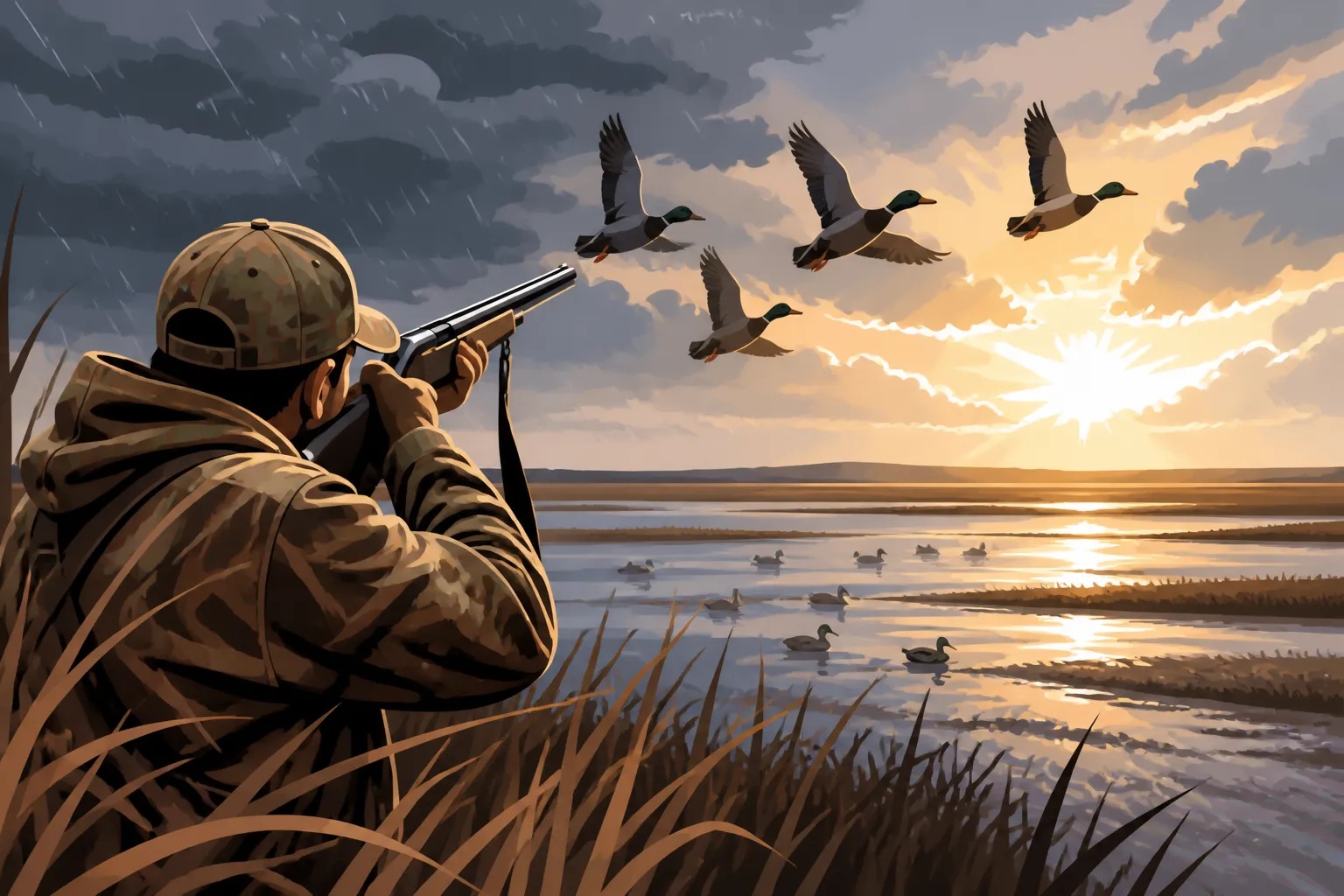
There’s nothing quite like the heartbreak of scouting Kansas waterfowl spots only to find them dry, dusty, and devoid of birds. We've all been there, driving miles down dirt roads, hopes high, only to be met with cracked earth where a bustling playa lake should be. But then, the skies open up. A good, soaking rain sweeps across the plains, and suddenly, those once-barren depressions transform into magnets for migrating ducks and geese. This guide is all about how to capitalize on that magic window, turning those post-rain playa lakes into prime hunting grounds.
Understanding Kansas Playa Lakes and Their Dynamics
Kansas is famous for its vast plains and rolling farm fields, but tucked within this landscape, especially in the western half of the state, are these incredible, often overlooked natural features called playa lakes. For waterfowl hunters, they're either a source of immense frustration or pure exhilaration, all depending on the weather.
What Exactly Are Playa Lakes?
Imagine shallow, basin-like depressions in the earth, typically found in arid or semi-arid regions. That, in a nutshell, is a playa lake. They're often called "ephemeral wetlands" for a reason: they don't hold water permanently. Instead, they rely entirely on rainfall and runoff to fill up. One week, it might be a dusty, cracked clay pan, and the next, after a significant rain event, it's a shimmering sheet of water teeming with ducks. This transient nature is both their blessing and their curse for hunters. On the one hand, when they hold water, they offer fresh, unpressured feeding and resting areas for migrating birds. On the other, they can be incredibly unpredictable, making consistent scouting a real challenge without the right approach.
These unique ecosystems are vital to the Central Flyway, providing critical stopover habitat for millions of waterfowl as they push south in the fall and north in the spring. Different playas can hold varying depths, from mere puddles to several feet deep, attracting a diverse range of species from shallow-feeding dabblers like pintails and mallards to diving ducks and even large flocks of geese. The frustrating part is that a dry spell can render them completely useless for birds, which is why a keen eye on the weather forecast is absolutely essential for anyone hoping to hunt them.
The Impact of Rain on Playa Activity
When a good rain hits western Kansas, it's like a siren call to waterfowl. The flat, often hard-packed ground of a playa lake becomes a natural collection point for rainwater. Within hours, or at most a day or two, these basins can go from parched earth to shallow, nutrient-rich pools. This sudden appearance of fresh water creates entirely new foraging opportunities that were unavailable moments before. Ducks and geese, especially those that feed in shallow water or on emergent vegetation, quickly key in on these newly formed oases.
The timing after a rain event is critical. Often, the best hunting windows are within a few days to a week after a significant rainfall. The first birds to arrive are usually eager to capitalize on the fresh water and unpressured feeding grounds. As the water begins to recede, or as hunting pressure increases, the birds may move on. This means hunters need to be swift in their scouting and execution once the rain has passed. A prolonged dry spell can quickly turn a once-productive playa back into a dust bowl, so you're truly hunting a fleeting opportunity.
Navigating the Challenges of Wet Conditions
While rain is a godsend for filling playas, it also introduces a whole new set of challenges that can quickly turn a promising hunt into a muddy nightmare. The fine, clay-like soil of many playa basins, when wet, becomes incredibly slick and sticky. Driving across them, or even walking near them, can be treacherous. We've all heard the stories, or perhaps lived them, of trucks and ATVs buried up to their axles in what looked like innocent mud. This is not just an inconvenience; it can be dangerous and costly.
Access routes to these playas, often simple dirt trails or field edges, can become impassable. This means planning your entry and exit strategies becomes paramount. You might need to park farther away and carry in your gear, or even scout alternative access points. The mud also affects your mobility while setting up decoys or retrieving birds, adding extra physical demands to the hunt. Always check local conditions, and if you're unsure, err on the side of caution. A four-wheel-drive vehicle is highly recommended, but even then, proceed with extreme care. Consider carrying recovery gear like tow straps or traction boards, because getting stuck out in the middle of nowhere is a uniquely frustrating experience.
Scouting and Locating Productive Playa Lakes
Finding the "hot" playa lakes after a rain event is part science, part art, and a whole lot of reconnaissance. You can't just drive around hoping to stumble upon them. A strategic approach, combining modern technology with boots-on-the-ground effort, is what separates successful hunters from those who go home empty-handed.
E-Scouting Before the Rain
Long before a single drop of rain falls, you should be doing your homework. E-scouting, using digital mapping tools, is your secret weapon for identifying potential playa lakes in your hunting areas. Platforms like OnX Hunt or GoHunt offer invaluable aerial imagery that allows you to identify these characteristic depressions. Look for large, flat, usually lighter-colored areas that lack established drainage patterns. These are the natural catchments that will hold water after a significant rain.
Start by marking these potential playas as waypoints on your digital map. You can even categorize them by size or proximity to other features like crop fields or larger water bodies. While e-scouting, also pay attention to potential access points – faint two-tracks, field entrances, or county road pull-offs – and note any adjacent private land boundaries. This groundwork means when the rain does come, you already have a list of high-probability spots to check. Knowing the topography and potential cover will give you a huge leg up in planning your approach later. For deeper dives into digital scouting, consider resources like E-Scouting Kansas Farm Country From Home.
On-the-Ground Reconnaissance Post-Rain
Once the rain has passed, it's time to put boots, or tires, on the ground. This is where the e-scouting pays off. Instead of aimlessly driving, you'll have a targeted list of playas to check. Drive slowly and observe from a distance. The goal is to locate water and, more importantly, birds, without spooking them. Use binoculars or a spotting scope. Pay attention to not just the playas themselves, but also the surrounding fields. Often, ducks and geese will feed in nearby stubble fields and use the playas for loafing and resting.
Discretion is paramount during this phase. If you see birds, don't just pull up and jump out. Park well out of sight, ideally using terrain or tree lines as cover. Walk in quietly to get a closer look, if possible, without disturbing the birds. Take note of where they are concentrating, how they are entering and exiting the playa, and the prevailing wind direction. If you identify a playa holding a good number of birds, your next step is to secure permission if it's private land. If it's public land, understand the specific regulations for that area, which you can often find on the Kansas Wildlife, Parks, and Tourism website or through tools like GoHunt that integrate WIHA data. Remember, a noisy or careless scouting trip can ruin a hunt before it even begins.
Interpreting Bird Sign and Water Levels
Once you're on location, either through e-scouting or on-the-ground recon, learning to read the subtle cues the birds are leaving behind is crucial. Fresh mud trails leading to and from the water, abundant droppings along the edges, and even small piles of feathers can tell you a lot about the volume and type of bird activity. If you find a playa with significant fresh sign, you know you're in a high-traffic area.
Water levels are equally important. Shallow sheet water might be perfect for dabbling ducks like mallards and pintails that tip up to feed, but deeper water might attract divers or provide a more secure loafing area for geese. A playa with varying depths can attract a wider array of species. Pay attention to where the birds are resting relative to the deeper and shallower sections. This will inform your decoy placement. Additionally, consider adjacent food sources. If the playa is next to a milo or corn field, birds might use the playa for water and move to the fields to feed, especially in the mornings and evenings. Understanding these patterns, like those discussed in Milo and Corn Stubble Deer Patterns, even though they apply to deer, shows the principle of connecting food and water.
| Scouting Aspect | Before Rain (E-Scouting) | After Rain (On-Ground) |
|---|---|---|
| Objective | Identify potential playas | Confirm water, locate birds |
| Tools Used | Aerial maps (OnX, GoHunt), weather forecasts | Binoculars, spotting scope, vehicle |
| Key Indicators | Basin shape, light-colored soil, lack of drainage | Standing water, bird presence, fresh sign (droppings, feathers) |
| Access Prep | Mark potential entry/exit points, note private land | Assess mud conditions, identify safe parking |
| Bird Focus | Anticipate waterfowl needs | Observe actual species, numbers, behavior |
| Wind Plan | Consider prevailing wind patterns | Confirm wind direction for blind placement |
| Safety | Note remote locations | Assess mud/water hazards for vehicles/walking |
Effective Setup and Decoy Spreads for Playa Lakes
Once you’ve found that sweet spot—a rain-filled playa teeming with birds—your setup is everything. Unlike hunting a static pond or river, playa lakes are dynamic, and your blind and decoy strategies need to reflect that. It’s about creating an irresistible illusion that draws those wary waterfowl right into your kill zone.
Optimal Blind Placement in Open Country
Hunting playa lakes often means hunting in very open country, where natural cover can be scarce. This poses a significant challenge for concealment. Your primary goal for blind placement is to break up your human silhouette and blend into the environment as much as possible. If there's a patch of taller grass, a fence line overgrown with weeds, or a small brushy point, those are your prime locations. Layout blinds are incredibly effective in this scenario, allowing you to disappear into the stubble or short grass along the edge of the playa. They distribute your profile horizontally, making you look like a natural lump in the field.
Wind direction is absolutely paramount when choosing your setup. Waterfowl almost always land and take off into the wind. Therefore, you want your blind positioned downwind of your decoy spread, facing into the wind. This puts the birds directly in front of you as they come in to land, offering ideal shot opportunities. Consider the sun's position throughout your hunt as well; having the sun at your back can offer a distinct advantage, illuminating the birds for you while keeping you obscured. Remember, movement is your enemy, so ensure your blind is brushed in meticulously. Even a slight glint of sunlight off a face or gun barrel can send birds flaring.
Crafting Realistic Decoy Spreads
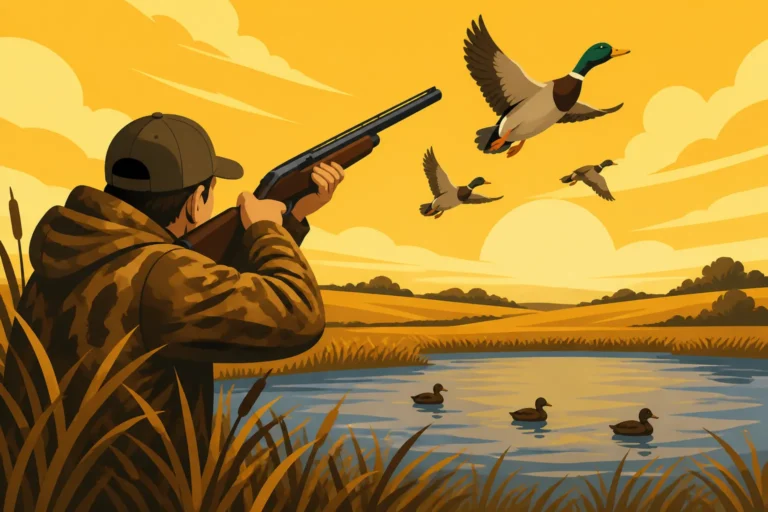
A well-executed decoy spread is what truly brings a playa lake to life for approaching birds. The number and type of decoys will depend on the species you're targeting and the size of the playa. For ducks, a spread of two to three dozen mallards, often supplemented with a few pintails or wigeon, can be very effective. If you're seeing mostly geese, then full-body or shell goose decoys are a must. The key is to create a natural-looking "landing zone" where birds feel comfortable dropping in. This usually means leaving an open area, free of decoys, directly in front of your blind and into the wind.
Diversify your spread by grouping decoys of the same species together, mimicking natural flock behavior. For example, a tight cluster of mallards here, a small group of pintails there, all facing into the wind, with an open "cup" for landing. Motion decoys, such as spinning-wing ducks or simple jerk strings, can add crucial realism, creating the illusion of active birds feeding and splashing. Even a subtle ripple from a jerk string can be enough to catch the eye of distant birds. Just be mindful of local regulations regarding motion decoys. For more on decoying tactics, refer to Decoying a Kansas Whitetail Buck – while different species, the principles of natural placement and drawing animals in remain relevant.
Calling Strategies for Playa Lake Waterfowl
Calling is an art form that complements your decoy spread, adding an auditory layer to your visual deception. The goal is to sound like happy, content birds, inviting others to join. When birds are distant, a loud, attention-grabbing hail call might be necessary to get their attention. As they turn and approach, you’ll want to switch to softer, more reassuring quacks, clucks, and greetings. Watch the birds' reactions closely. If they respond positively, keep calling; if they seem hesitant or flare, back off the calling or try a different cadence.
For ducks, a mixture of contented quacks, feed chuckles, and occasional greeting calls works well. Geese often respond to deep honks and clucks. It's crucial not to overcall. Many a hunt has been ruined by an enthusiastic but overly loud caller. Sometimes, silence is golden, especially when birds are already committed and working your spread. Practice your calls beforehand to ensure you can produce a realistic range of sounds. If you're new to calling, consider practicing with an experienced mentor. Knowing when to call, how loud, and with what intensity is a skill that only comes with time in the field.
Hunting Tactics and Essential Gear for Success
Hunting these fleeting water sources isn’t just about the setup; it’s about adapting to the ever-changing environment and being prepared for anything the Kansas plains throw at you. From shifting weather to bird pressure, a flexible approach and the right gear are non-negotiable.
Adapting to Changing Conditions
Playa lake hunting is rarely static. Weather conditions, especially wind, can shift rapidly in Kansas. What started as a gentle breeze might become a strong crosswind, affecting how birds approach your spread. Be ready to adjust your decoy layout or even move your blind slightly to maintain that optimal downwind landing zone. Bird pressure can also change behavior. If a playa has been hunted hard, birds might become warier, flying higher or flaring at the slightest imperfection in your setup. In such cases, a more subtle approach, with fewer decoys or less aggressive calling, might be more effective.
Don't be afraid to pull up stakes and move if a playa isn't producing. These temporary wetlands can dry up quickly, or the birds might simply move to a freshly filled basin down the road. Keep an eye on the sky for passing flocks and be willing to relocate. Sometimes, even just picking up half your decoy spread and moving it 50 yards can make a difference. Flexibility is key; a rigid plan often leads to frustration when Mother Nature is in charge. This adaptability is similar to adjusting your strategy when Hunting Pressure Patterns on Kansas Public Land makes birds scarce.
Must-Have Gear for Playa Hunting
Given the inherently wet and often muddy conditions, your gear choices are critical for comfort, safety, and success. First and foremost, waterproof outerwear is non-negotiable. A good quality waterproof and windproof jacket and pants will keep you dry and warm through unexpected showers or chilly winds. Waders, particularly chest waders, are essential for setting up decoys in shallow water, retrieving downed birds, and navigating muddy edges. Even if the water seems shallow, the mud underneath can be surprisingly deep. Good mud boots are a must for traversing the often-treacherous terrain from your vehicle to your blind.
Beyond clothing, consider retrieval tools. A well-trained retrieving dog is invaluable, making quick work of downed birds even in thick cover or deeper water. If you don't have a dog, a long-handled landing net or a sturdy retrieval pole can save you from a cold, wet wade. For accessing remote playas, an ATV or UTV can be a game-changer, but again, exercise extreme caution in muddy conditions. Ensure it's equipped with decent tires and, ideally, a winch for self-recovery. Don't forget essentials like plenty of shells, warm gloves, a headlamp for early morning or late evening hunts, and a robust cooler for transporting your harvest. For general waterfowl considerations, refer to Kansas Waterfowl on the Central Flyway.
Safety and Ethical Hunting Practices
Safety should always be your top priority when hunting playa lakes. The combination of water, mud, and potentially remote locations presents unique hazards. Always let someone know where you're going and when you expect to return. Be mindful of your footing in slick mud and uneven terrain. If you're using an ATV or UTV, never exceed its capabilities, especially in wet conditions. Remember that even shallow water can hide obstacles, and cold water can lead to hypothermia if you get soaked.
Ethical hunting practices are just as important. Know your target and ensure a clean shot. Never shoot at birds beyond your effective range, which often means limiting your shots to under 40 yards with a shotgun. Make every effort to retrieve all downed birds; leaving game in the field is not only unethical but illegal. Respect private property lines and always secure permission before accessing land. If you're on public land, adhere strictly to all regulations. Pick up all your spent shell casings, blind material, and trash. Leaving no trace ensures these valuable hunting opportunities remain available for everyone, preserving the Kansas hunting tradition for future generations.
Disclaimer
Please note: Hunting regulations and conditions can change. Always consult the latest Kansas Department of Wildlife, Parks and Tourism (KDWP) regulations prior to any hunting activity. This guide is for informational purposes only and does not supersede official state hunting laws or safety guidelines.