Roosting Turkeys on a Kansas Evening
There are few things more frustrating in turkey hunting than waking up before dawn, sneaking into what you think is a good spot, only to hear gobblers sounding off a half-mile away in the wrong direction. We’ve all been there, and it’s a gut-punch that can ruin a morning hunt before it even begins. That’s why the evening roost is your golden ticket. This comprehensive guide will walk you through the art and science of effectively locating and confirming turkey roosts in the varied Kansas landscape, giving you a huge leg up for the next morning's hunt.
Why Evening Roosting is Your Secret Weapon for Kansas Turkeys
Imagine starting your morning hunt already knowing exactly where the turkeys are sleeping. That's the power of effective evening roosting. It takes away all the guesswork and allows you to formulate a precise plan, often dictating how you'll approach, where you'll set up, and even which calls you might use.
The Strategic Advantage of Knowing Their Bedroom
Knowing a turkey's "bedroom" – its roost tree – is arguably the biggest advantage you can give yourself in spring turkey hunting. Instead of stumbling around in the dark hoping to hear a distant gobble, you'll be able to plan a silent approach to within striking distance, well before legal shooting light. This precision means less disturbance, a more controlled setup, and a much higher chance of success when that gobbler flies down. It transforms a game of chance into a strategic chess match, putting you several moves ahead. Without this knowledge, you might bump birds on your way in, set up too far away, or simply choose the wrong spot, leaving you hustling to catch up while valuable hunting time slips away.
Deciphering Turkey Bedtime Rituals
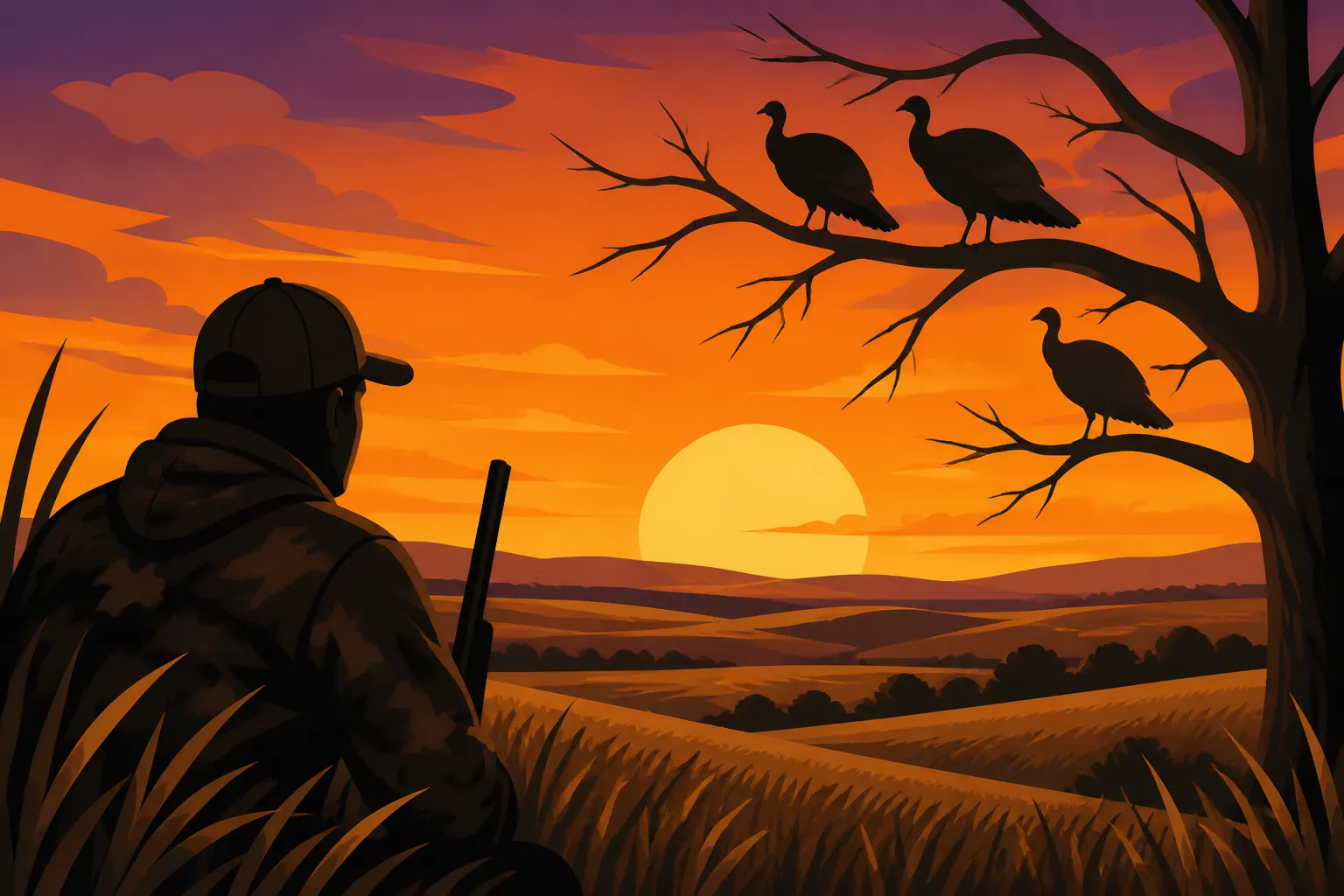
Turkeys are creatures of habit, and their evening routine is fairly consistent, especially during the spring. As the sun begins to dip below the horizon, these birds transition from their daytime feeding and strutting areas to their chosen roosting timber. You'll often see them gather in groups in open fields or on the edges of timber, feeding casually, before suddenly, almost in unison, starting their ascent into the trees. This "fly-up" period is a critical window to observe their behavior. They'll often vocalize quite a bit during this time – soft clucks, yelps, and the distinct sound of powerful wings beating as they flutter from branch to branch to get comfortable. Understanding this transition, from ground to air, is key to intercepting them or at least getting into a position to hear them. They typically prefer taller, more isolated trees that offer good visibility and protection from ground predators.
Pre-Hunt Preparation and Essential Gear for Roosting
Just like any successful hunt, a solid plan for evening roosting starts long before you ever step foot in the woods. Modern technology and a few key pieces of gear can drastically improve your odds.
E-Scouting: Pinpointing Potential Roosting Areas
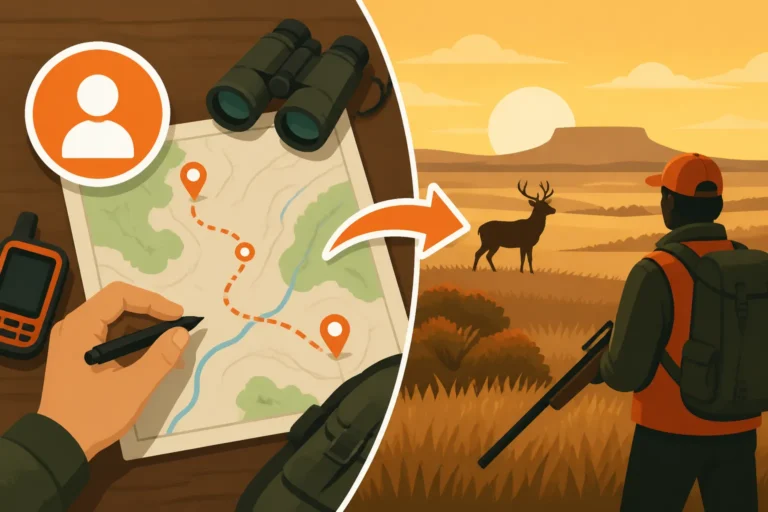
Before you grab your boots, grab your phone or computer. E-scouting is an invaluable tool for turkey hunters, particularly when trying to locate roosts. Open up your favorite mapping app, like OnX Hunt or the GoHunt app, and start scanning the landscape. Look for prominent timber blocks, especially those adjacent to open fields where turkeys feed. River bottoms and creek draws are often prime candidates because they offer dense, tall trees and natural travel corridors. Pay close attention to isolated stands of mature timber, shelterbelts, or even a line of cottonwoods along a fence row in otherwise open farm country. These are the "power poles" of the turkey world, often chosen for their height and security. By identifying these potential roosting sites ahead of time, you can narrow down your search and prioritize areas that warrant an in-person scouting trip. Remember, you're looking for dense canopy cover, sturdy horizontal limbs, and often, proximity to water. For a deeper dive into this, check out our guide on E-Scouting Kansas Farm Country From Home. You'd be surprised how much information you can glean about potential roosting spots just from satellite imagery, identifying those crucial features like a Kansas River Bottom Hunting Access or even a subtle Reading a Kansas Creek Bottom for Deer Sign can reveal good turkey habitat.
Stealth and Silence: The Art of the Evening Approach
Once you've identified potential roosting zones, the next step is the approach, and this is where stealth is paramount. Turkeys, especially old gobblers, are incredibly wary, and the slightest disturbance can send them flying silently to a different roost tree or even spook them off the property entirely. Wear quiet clothing – fleece or soft cottons are better than noisy nylons. Walk slowly, deliberately, and with the wind in your face whenever possible to carry your scent away from the birds. Use the topography to your advantage, staying low in creek beds, behind hills, or along tree lines to remain out of sight. The goal is to get within hearing distance, roughly 100-300 yards from a potential roost, without ever letting the turkeys know you're there. This takes patience and discipline; resisting the urge to rush can make or break your ability to confirm a roost.
The Right Tools for the Job: Calls and Optics
While you might be tempted to use your trusty diaphragm call, when it comes to locating turkeys for roosting, specialized locator calls are your best friends. Owl hoots, crow calls, and even coyote howls are designed to elicit a "shock gobble" from a tom without actually calling him to you. Turkeys gobble in response to these sounds out of instinct or territoriality, giving away their position. The trick is to use them sparingly and at the right times. A soft owl hoot just as the woods start to quiet down can be incredibly effective. For those more distant gobblers, a louder crow call might be needed.
Equally important are good optics. A pair of 10×42 binoculars or even a spotting scope will allow you to scan the treetops from a distance, confirming a roost visually without needing to get too close. Once you hear a gobble, use your binoculars to search for any movement or silhouettes in the branches against the fading light. Being able to see them fly up or spot them perched is the ultimate confirmation and lets you drop a pin on your GoHunt map with confidence.
Executing the Roosting Mission on a Kansas Evening
You've done your homework, you've got your gear, now it's time to put the plan into action. The evening roosting mission is a delicate dance of timing, sound, and keen observation.
Timing Your Arrival and Listening for Activity
The critical window for roosting turkeys is typically the last 30 to 60 minutes before sundown, sometimes stretching a bit longer depending on the weather and the birds' mood. You want to arrive at your chosen listening post well before this window, giving yourself time to settle in and let the woods calm down. Find a vantage point that offers good sound transmission and some cover. As the sun dips, the sounds of the day start to fade, and a distinct quiet settles over the landscape. This is the moment to be hyper-attentive. Turkeys will often get vocal as they gather and fly up to roost. Listen for those characteristic clucks, yelps, and the unmistakable sound of heavy wing beats as they pitch up into the trees. Sometimes, the softest sound can be the most telling.
Shock Gobbles: Getting Turkeys to Give Themselves Away
Once you're in position and the woods are quieting down, it's time to deploy your locator calls. Start with a soft owl hoot. Wait a few minutes. If no response, try another, perhaps slightly louder. If that doesn't work, switch to a crow call. The key here is patience and knowing when to call and when to be silent. You're not trying to entice them closer; you're just trying to get an involuntary gobble. This "shock gobble" tells you they are there, and generally, in which direction they're located. Don't overdo it with the calls; a few well-timed bursts are usually all you need. If a gobbler responds, resist the urge to immediately call again. You've located him; now it's time to listen and try to pinpoint his exact location as he gets ready to fly up. This is a subtle yet crucial part of Kansas Turkey Hunting Tactics for Spring Gobblers.
Visual Confirmation and Marking the Spot
Hearing a gobble is great, but seeing the bird actually fly up or spotting its silhouette on a branch is the gold standard for confirming a roost. After you hear a response, use your binoculars to slowly scan the treetops in that direction. Look for dark, football-shaped forms against the lighter sky, or listen intently for the distinctive sound of wingbeats as they fly from a lower limb to a higher one. Once you've visually confirmed a bird or a group of birds, quickly drop a pin on your GPS or marking app like GoHunt. Make a mental note of prominent landmarks – a broken limb, a distinct fork in the tree, or a cluster of cedars nearby. This precise marking is vital, as it allows you to plan your morning approach with pinpoint accuracy, ensuring you're in the right spot to intercept them as they fly down. Without this visual confirmation, you might be setting up too far, or even on the wrong side of the roost, which can quickly lead to frustration.
The Morning After: From Roost to Harvest
Once you’ve successfully located a roost, the evening’s work is done, but the real hunt begins at first light. The transition from evening roost to morning harvest requires careful planning and a flawless execution.
The Silent Retreat and Morning Setup Strategy
As soon as you’ve confirmed the roost location – visually and with a GPS pin – the most critical next step is to silently and immediately back out. Do not linger, do not try for one more call, and absolutely do not use a flashlight. Any disturbance will likely result in the turkeys flying off silently to another roost tree, ruining your morning hunt. Plan your exit route carefully to avoid making noise or being seen.
For the morning, your strategy revolves around getting into position before the turkeys fly down. This means arriving well before first light, often an hour or more before sunrise. Approach from a direction that puts the roosting birds directly in front of you, taking into account the prevailing wind (you don't want your scent blowing towards them). Position yourself so that you're within comfortable shotgun range – typically 70-100 yards, sometimes closer if terrain allows – from the roost tree. Set up against a wide tree or some substantial brush for concealment, and make sure you have a clear shooting lane. This is where mastering Setting Up Before Fly-Down comes into play. You might also want to consider your Turkey Decoy Spreads That Work at this stage, placing them strategically to draw the birds in.
What to Do if They Roost on Private Land
It's a common scenario in Kansas: you've tracked a gobbler, used your locator calls, and he gobbles right on the property line – unfortunately, on the wrong side. Or perhaps you've confirmed a roost, only to realize the birds are 50 yards onto private land. This is incredibly frustrating, but ethical hunting and respecting property boundaries are paramount. First, use your mapping app, like GoHunt, to verify the exact property line. There's no gray area here. If the birds are roosted on private land and you don't have permission to hunt it, you have two options: either try to call them off the private land onto your huntable ground (which is a gamble, and they might fly down in the wrong direction), or simply move on and find another area. Never, ever cross a property line to retrieve a bird or set up without explicit, landowner permission. This is a fundamental aspect of Public Land Turkey Safety and hunter ethics. Trespassing can have serious legal consequences and gives all hunters a bad name.
Alternative Tactics if Roosting Fails
Sometimes, despite your best efforts, the turkeys remain silent, the wind is too strong, or you just can't pinpoint their exact roost. Don't throw in the towel! You can still have a successful morning. If evening roosting fails, shift your strategy to a "run-and-gun" approach at first light. Instead of setting up on a specific roost, find a high point or a good listening post in a known turkey area. As soon as it's light enough to see, start listening for distant gobbles.
If you hear one, quickly and quietly move towards it, trying to get within 100-200 yards before setting up and calling. This requires being mobile and adaptable. Focus on key habitat features like field edges, creek bottoms, or timber points where turkeys are likely to be feeding or strutting as they come off the roost. You might need to make several moves, calling periodically, until you get a consistent response. For detailed strategies on this, our guide on Run-and-Gun Turkey Tactics on Kansas Walk-In Ground offers excellent advice. Even later in the morning, if they're henned up and not responding, you can still find success by employing tactics for Working a Henned-Up Tom Midday.
Locator Calls for Kansas Turkeys
| Locator Call Type | Best Use & Sound | Ideal Timing & Conditions | Notes for Kansas Hunting |
|---|---|---|---|
| Owl Hoot | Mimics a barred owl, soft | Last 30 minutes of daylight, quiet evenings. | Excellent for getting soft, natural gobbles without alarming birds. Often works best in timbered river bottoms. |
| Crow Call | Loud, sharp "caw" | Anytime, especially if wind is a factor. | Cuts through wind, good for covering more ground or getting a distant gobble. Can be a bit aggressive. |
| Coyote Howl | Aggressive, high-pitched howl | Pre-dawn or late evening, open country. | Can shock quiet gobblers into responding, particularly useful in open fields and pastureland. Use sparingly to avoid spooking. |
| Goose Honk | Distinctive honk | Late evening, near water sources. | A less common locator, can surprise birds that are "call shy" to more traditional sounds. Good around Kansas reservoirs. |
| Pileated Woodpecker | Loud, repetitive drumming/cackle | Anytime, especially in dense timber. | A natural sound in some timbered areas, less common but can elicit a response from curious toms. |
Disclaimer
Hunting is an inherently dangerous activity. This article provides general information and recommendations. Always consult the latest Kansas Department of Wildlife, Parks and Tourism (KDWP) regulations before hunting. Ensure you have all required licenses and permits, and adhere to all safety guidelines. Respect private property and always obtain permission before hunting on private land.