Using a Tracking Dog Legally in Kansas
There’s nothing quite like the crushing feeling in your gut when you’ve made a shot on a deer, you thought it was good, but the blood trail quickly fizzles out. You’ve scoured the area, replayed the shot a hundred times, and still, that magnificent animal is gone, leaving you with doubt and frustration. This guide is here to walk you through the often-misunderstood rules and practicalities of legally using a tracking dog in Kansas to help recover a deer, turning that despair into a successful recovery.
Understanding Kansas Regulations for Tracking Dogs
The heartache of losing an animal is something every hunter dreads. In Kansas, thankfully, you don't have to face this challenge alone, especially when it comes to a difficult blood trail. The Kansas Department of Wildlife, Parks and Tourism (KDWP) understands the ethical importance of recovering game and has specific regulations in place for the use of tracking dogs. It’s not a free-for-all, however; there are clear rules to ensure the dogs are used for recovery and not for hunting or harassment.
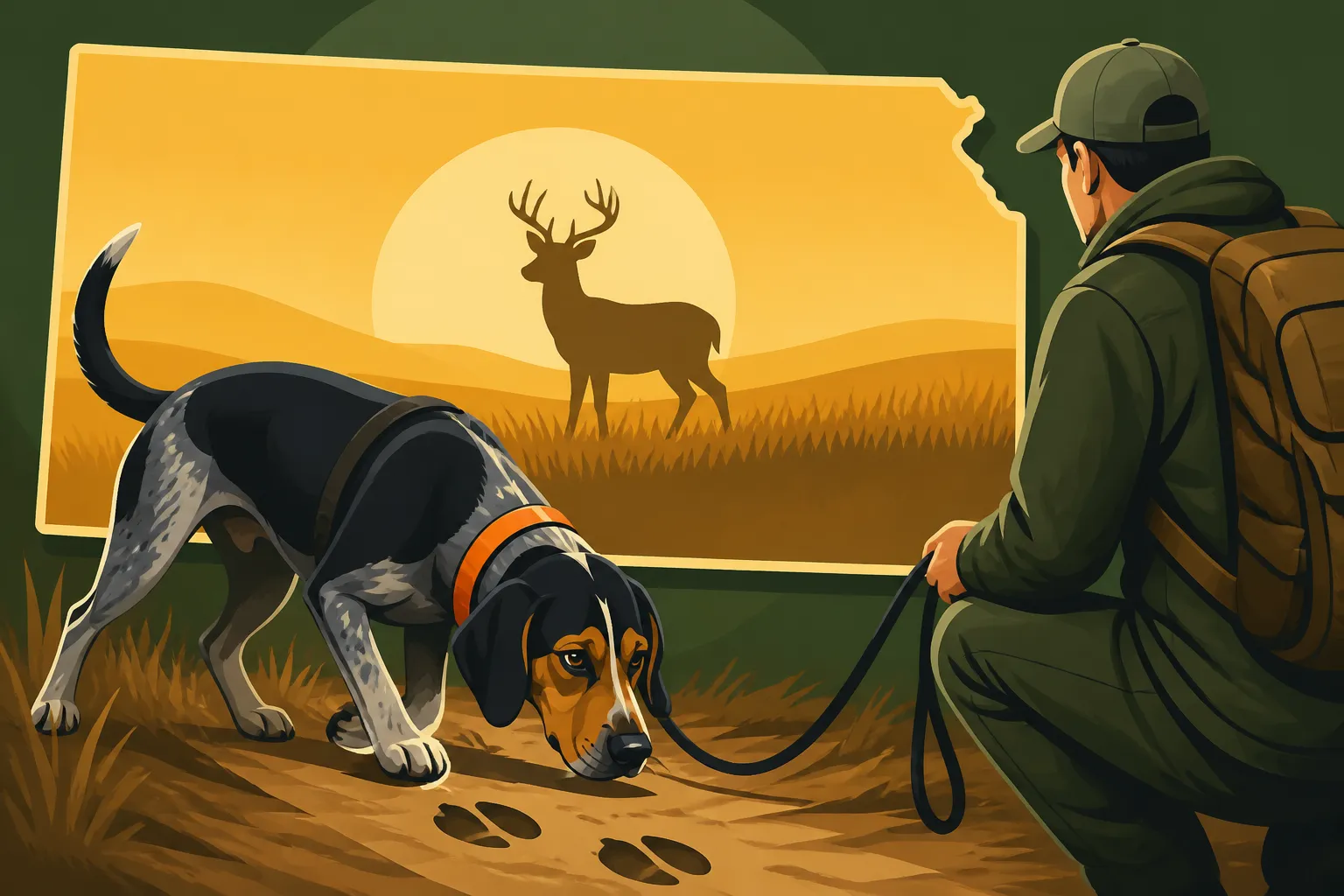
A common misconception is that simply having a dog that can follow a scent is enough. But the reality is far more structured. Kansas law permits the use of a leashed dog specifically for tracking a wounded deer, and these dogs must be trained and utilized only for that purpose. They are considered a tracking device, much like a good set of binoculars or a thermal scanner, rather than an active hunting tool. This distinction is critical and sets the tone for all other regulations you need to follow when trying to locate a downed animal that has gone off the visible trail. It’s all about ethical recovery.
The Tracking Dog Permit and Its Requirements
To legally use a tracking dog in Kansas, the individual handling the dog must possess a valid Tracking Dog Permit issued by the KDWP. This isn't just a suggestion; it's a mandatory requirement. You can’t just show up with Fido and a leash and start tracking. This permit ensures that the person and the dog are operating within the bounds of the law, reflecting the state's commitment to responsible hunting practices. It’s important to remember that this permit is for the owner or handler of the dog, not necessarily the hunter who shot the deer, unless they happen to be the same person.
The application process for a Tracking Dog Permit is usually straightforward and can typically be found on the KDWP website. It generally involves filling out a form, sometimes providing proof of dog training or proficiency, and paying a nominal fee. This permit needs to be carried by the handler whenever tracking, much like carrying your hunting license. It's a small but essential step that legitimizes the use of a tracking dog in the field and helps game wardens quickly verify compliance if they encounter you during a recovery effort. Without this permit, even the most well-intentioned recovery could land you in hot water.
Public vs. Private Land and Cross-Property Line Tracking
Navigating property lines is arguably one of the trickiest aspects of any hunting scenario, and it becomes even more critical when you're blood trailing a wounded animal. If a deer crosses a property line onto land where you do not have permission, your ability to continue the track with or without a dog is immediately impacted. Kansas law states that you must have permission from the landowner or tenant to enter private land. This rule doesn't magically disappear just because you're tracking a wounded animal.
When you're dealing with a difficult track, especially if it leads into unfamiliar territory, it's always best practice to contact the landowner before crossing any boundaries. A tracking dog can follow a scent across fences and property lines with ease, but the humans accompanying it cannot. Many hunters, myself included, will use tools like GoHunt or other mapping apps to quickly identify property owners and attempt to gain permission on the spot. If permission is denied, or if you can't reach the landowner, your options become severely limited. In some cases, contacting a KDWP game warden can help facilitate contact or advise on next steps, especially if the deer is clearly on the property line. Remember, while a tracking dog is a powerful recovery tool, it doesn't grant you carte blanche to trespass. Ignoring this vital step can lead to legal issues, including potential charges for trespass or even Kansas Wildlife Violation Penalties.
The Art and Science of Deer Tracking Dogs
Using a dog to track a wounded deer isn't just about letting a dog loose on a scent; it's a highly skilled endeavor that combines canine instincts with human interpretation. These dogs are specifically trained for "cold" trails, distinguishing deer blood and scent from other animal odors and distractions. It truly is an art form to watch a well-trained dog work a faint trail, carefully piecing together the deer's last moments and movements. The handler's ability to "read" the dog and understand its signals is just as crucial as the dog's nose.
The science behind it lies in a dog's incredible olfactory senses, which are exponentially more powerful than a human's. They can detect minute particles of blood, disturbed vegetation, and even the unique scent signature of an injured animal that a human could never hope to perceive. This is especially vital when dealing with marginal hits, or when a deer has traveled a significant distance with little to no visible blood trail. Instead of a hunter crawling on hands and knees, squinting at every leaf, the dog efficiently covers ground, focusing on the specific scent it's been trained to follow.
Training and Certification for Effective Tracking
A deer tracking dog isn't just born; it's made through rigorous training and dedication. Most effective tracking dogs come from breeds known for their strong scenting abilities, like bloodhounds, Labrador retrievers, wirehaired pointing griffons, or even dachshunds. However, breed is less important than the individual dog's drive and the quality of its training. Training typically starts from a young age, often as puppies, introducing them to deer hides, blood, and the concept of following a specific scent. This progression moves from fresh, easy trails to older, more challenging ones, simulating real-world hunting conditions.
Certification processes vary, but many handlers will seek accreditation through national organizations like United Blood Trackers or Deer Search. These certifications involve demonstrating the dog's ability to successfully track deer over varied terrain, through different conditions (rain, heat, cold), and across simulated property lines. While Kansas does not mandate a specific certification beyond the KDWP Tracking Dog Permit for the handler, a certified dog and handler team is generally a sign of professionalism and competence. Hunters seeking assistance should always inquire about the handler's experience and the dog's training, as a well-trained team significantly increases the chances of a successful recovery.
Ethical Considerations and Best Practices
The ethical use of a tracking dog goes beyond just legal compliance. It’s about minimizing stress on the wounded animal, respecting the land, and ensuring the dog is used humanely. One crucial best practice is to always exercise patience before calling in a tracking dog. While it's tempting to jump on a faint trail immediately, waiting a few hours, or even overnight, can allow the deer to bed down and expire, reducing the chance of bumping it and pushing it further. You can learn more about Waiting Before Taking Up a Blood Trail for specific guidelines on this.
Another key ethical point is the “leashed” requirement. The dog must always be on a leash, under the direct control of the handler. This prevents the dog from chasing or harassing healthy deer or other wildlife. The dog's role is strictly to find the wounded animal, not to chase or bring it down. When working with a tracking team, ensure clear communication about your shot placement, the direction the deer ran, and any blood sign you observed. This information is invaluable to the dog and handler, giving them a better starting point and helping them understand the scenario. Tools like GoHunt can also be used to mark your exact shot location and the last known blood, providing precise data for the tracking team.
When and How to Utilize a Tracking Dog Team
The decision to call in a tracking dog team isn't always easy, but it often comes down to the quality of the blood trail and your confidence in continuing the search on your own. Many hunters, even experienced ones, will spend hours fruitlessly searching, only to wish they had called for help sooner. Knowing when to make that call can save you time, effort, and most importantly, lead to the recovery of your deer.
One of the biggest frustrations arises when the initial blood sign is strong, giving you confidence, but then suddenly vanishes, leaving you scratching your head in the middle of a thick CRP field or a dense cedar stand. This is precisely when a tracking dog becomes an invaluable asset. Their ability to pick up on the faintest residual scent, even where there's no visible blood, is often the difference between a successful recovery and a lost animal. Don't let pride or uncertainty prevent you from making the call.
Recognizing When Professional Help is Needed
The most obvious time to call a tracking dog is when the blood trail disappears entirely, or becomes so sparse that you’re moving at a snail’s pace and losing confidence. This often happens in challenging terrain like thick timber, tall grass (like Blood Trailing in CRP and Cedars), or after heavy rain that washes away visible signs. If you’ve searched for an hour or two and haven’t made significant progress, or if you suspect a gut shot or a marginal hit, it’s time to consider professional assistance.
Another scenario is when darkness falls, and you haven't found the animal. Continuing to trail in the dark can be dangerous, frustrating, and often leads to pushing the deer further or losing the trail completely. A skilled tracking dog can work effectively in low light conditions, relying on scent rather than sight. If you’re faced with tracking after dark, notifying the KDWP and the landowner is crucial, as special considerations might apply. Don't hesitate to reach out to a reputable tracking service; they're generally passionate about ethical recovery and understand the urgency.
What to Do Before the Tracking Dog Arrives
Once you've made the decision to call a tracking dog handler, there are crucial steps you should take before they arrive to maximize their chances of success. The most important thing is to mark the last known blood sign or your shot location clearly. Use flagging tape, toilet paper, or even a brightly colored hat. Do not disturb the area any more than necessary. Avoid walking all over the last known trail, as this can contaminate the scent for the dog.
It’s also helpful to gather all relevant information:
- Shot location and angle: What was the exact Shot Placement on a Whitetail at Twenty Yards? Was it broadside, quartering-away, or something else?
- Reaction of the deer: Did it mule kick, hunch up, run hard, or just walk away?
- Direction of travel: Which way did it initially run?
- Time of shot: How long has it been since the shot?
- Weather conditions: Has it rained? How much? How windy is it?
- Terrain: What kind of cover is the deer likely in (timber, open field, creek bottom)?
Prepare to share this information clearly and concisely with the tracking dog handler. The more details they have, the better they can plan their approach. Having a good mapping app on your phone, perhaps even with layers from GoHunt showing property lines, can also be incredibly helpful for the handler to understand the area.
Working with the Tracking Team
When the tracking team arrives, trust their expertise. They are the professionals, and they know how their dog works best. Follow their instructions, stay out of the dog's way, and try to keep quiet. Your role shifts from tracker to assistant. You'll likely walk behind the handler and dog, staying vigilant for any sign, but letting the dog do the primary work.
It's tempting to point out old blood or suggest directions, but often, this can distract the dog or handler. Let the dog lead. They will tell you if they need assistance or if they want you to check a specific area. Be patient, as some tracks can take hours over long distances. Once the deer is found, ensure you follow all proper procedures for tagging and Field Dressing in Warm Kansas Weather, if applicable, and remember the Kansas Deer Harvest Reporting Deadline.
Essential Considerations for Tracking Teams
While the dog is the star of the show, a successful tracking effort is a team sport. It involves not just the dog and its handler, but often the hunter, and sometimes other individuals providing support. There are several practical considerations that go into making a tracking operation smooth and successful, ensuring the safety of everyone involved, and maximizing the chances of recovery. This meticulous planning is often what separates a capable tracking team from one that struggles.
Thinking ahead about logistics can make a huge difference, especially in the often unpredictable environment of a wounded animal recovery. From ensuring you have proper communication tools to understanding the physical demands on both the dog and the handler, every detail contributes to the overall success.
Gear and Safety for Dog and Handler
A dedicated tracking dog handler will have a specialized kit of gear, and it's good for hunters to be aware of what this entails.
- Leash and Harness: A long, sturdy leash (often 20-30 feet) attached to a comfortable harness is essential. This allows the dog freedom to work the scent without being restrained, but keeps it under control.
- GPS Collar: Many tracking dogs wear GPS collars (like those from Garmin or similar brands) which allow the handler to see the dog's exact location, vital for navigating dense cover and understanding the track.
- Water and First Aid: Both the dog and handler will need plenty of water, especially during long tracks or in warm weather. A canine first-aid kit is also crucial for minor injuries.
- Headlamps/Flashlights: If tracking into the evening or at night, powerful lights are indispensable.
- Communication: Radios or fully charged cell phones are vital for communication between the handler and hunter, especially if they need to spread out slightly to cover ground or if the hunter needs to retrieve the vehicle.
- Hunter Orange: During firearm seasons, everyone, including the dog (often with an orange vest), must wear hunter orange. You can review all Hunter Orange Rules During Firearm Season to ensure compliance.
Safety is paramount. Tracking can lead you into challenging terrain, through thick brush, or across water bodies. The handler is responsible for the dog's safety, and everyone involved needs to be aware of their surroundings, potential hazards, and how to safely traverse the landscape.
Communication and Expectations
Clear and honest communication is the cornerstone of a successful tracking effort. From the initial phone call to the moment the deer is found, everyone needs to be on the same page. The hunter needs to accurately describe the shot and the deer's reaction without embellishment or downplaying. It’s also important to manage expectations; not every deer is recoverable, even with the best dog. Sometimes, a deer might have only been superficially wounded, or it might have traveled an impossible distance.
A good handler will communicate their process, what they expect from the hunter, and provide updates throughout the track. They'll explain what the dog is indicating and why. Hunters should be prepared for the financial cost associated with hiring a tracking team, as these services often come with a fee to cover the handler's time, training, and travel expenses. This is an investment in ethical recovery and often well worth the cost when compared to the loss of an animal.
Table: Key Steps for a Successful Tracking Dog Recovery
| Step | Hunter's Action | Handler's Action (After Contact) | Why It Matters |
|---|---|---|---|
| 1. Initial Assessment | Re-evaluate shot, observe deer's reaction, mark last blood. | Gather all details of the shot, deer's behavior, and last known location. | Determines urgency, potential severity, and best starting point. |
| 2. Wait Period | If blood trail is sparse or hit is questionable, wait 2-6+ hours (if safe). | Advises on optimal wait time based on circumstances. | Allows deer to expire, minimizes risk of bumping the animal. |
| 3. Contact a Tracking Team | Call a reputable, KDWP-permitted tracking dog handler. | Provides instructions, estimated arrival time, and fee structure. | Initiates professional help; timely contact is crucial. |
| 4. Prepare the Scene | Mark last blood/shot location clearly; avoid contaminating the trail. | Instructs hunter on preparing the area, asks for relevant details (maps). | Preserves scent for the dog, provides clear starting point. |
| 5. On-Site Coordination | Brief handler with all details; follow handler's lead; stay quiet and observant. | Assesses the scene, sets up the dog, and directs the tracking effort. | Ensures efficient tracking, minimizes distractions for the dog. |
| 6. The Track | Observe quietly, be prepared for rough terrain, assist if requested. | Reads the dog's behavior, interprets scent, navigates the terrain. | Leverages canine ability to find a cold trail. |
| 7. Recovery and Aftermath | Once found, tag the deer, begin field dressing, assist with extraction. | Confirms recovery, assists with initial processing if needed. | Completes the ethical recovery; responsible handling of the animal. |
| 8. Follow Legal Requirements | Report harvest to KDWP; ensure all permits are valid. | Ensures compliance with KDWP regulations for tracking and recovery. | Finalizes legal obligations, contributes to wildlife management data. |
Hiring a tracking dog in Kansas is a responsible, ethical choice when faced with a lost deer. By understanding and adhering to KDWP regulations, partnering with trained professionals, and maintaining clear communication, you significantly increase your chances of a successful recovery and honor the animal you're pursuing.
Disclaimer
Please be aware that hunting regulations, including those related to tracking dogs, can change. Always consult the most current Kansas Hunting and Trapping Regulations Summary or the Kansas Department of Wildlife, Parks and Tourism (KDWP) website for the most up-to-date and specific legal information before engaging in any hunting activities. This guide is for informational purposes only and should not be considered legal advice.