January Bowhunting in Kansas Unit 19
January bowhunting in Kansas Unit 19 presents a unique set of challenges, from biting cold winds to deer that seem to vanish into thin air. Many hunters pack it in after the firearm season, feeling like their chances are gone. But for the dedicated archer, understanding these late-season dynamics can actually unlock incredible opportunities. This comprehensive guide will walk you through the specifics of chasing whitetails with a bow in Unit 19 during the depths of winter, focusing on strategy, location, and the behavioral shifts of the deer.
Understanding January Conditions in Kansas Unit 19
The first step to success in the late season is truly grasping what you're up against. January isn't just "cold"; it's a completely different hunting environment than the early season or even the rut. Deer are hyper-focused on survival, and so should you be in your scouting and planning.
The Landscape and Habitat of Unit 19
Unit 19, like much of eastern Kansas, is a patchwork of agriculture, timbered creek bottoms, and winding rivers. You'll find a mix of row crops, often corn and milo, alongside more mature hardwood timber and dense undergrowth. In January, this landscape transforms dramatically. The lush green of summer is long gone, replaced by dormant fields and skeletal trees. This means cover is significantly reduced. What might have been a thick, secluded bedding area in October can become quite exposed with deciduous leaves fallen.
River bottoms and creek draws, which are often the lifeblood of deer movement in Kansas, become even more critical during this time. The dense timber and brush found along these corridors offer precious thermal cover and often harbor pockets of overlooked food. Identifying these areas on an aerial map, perhaps using a tool like GoHunt, is your first step. Look for the darkest green patches of timber that indicate evergreens or extremely dense hardwoods, as these will be the most sought-after cover. Deer will gravitate towards these spots to escape the relentless Kansas wind, especially when temperatures plummet.
Weather Patterns and Their Impact
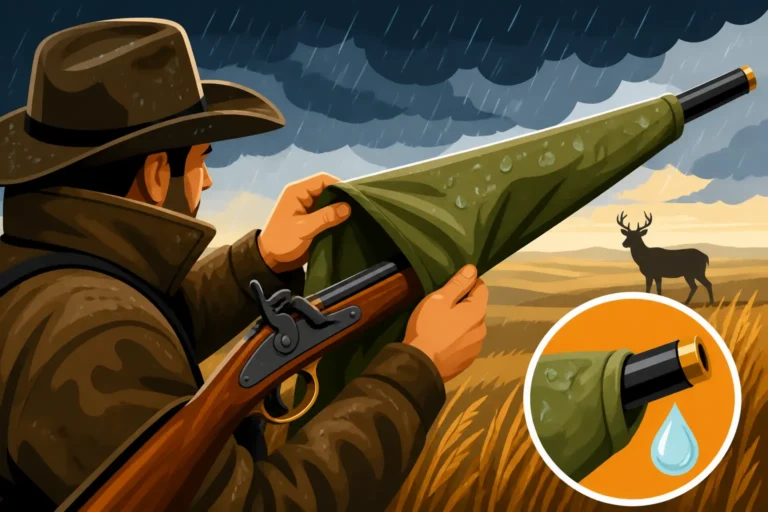
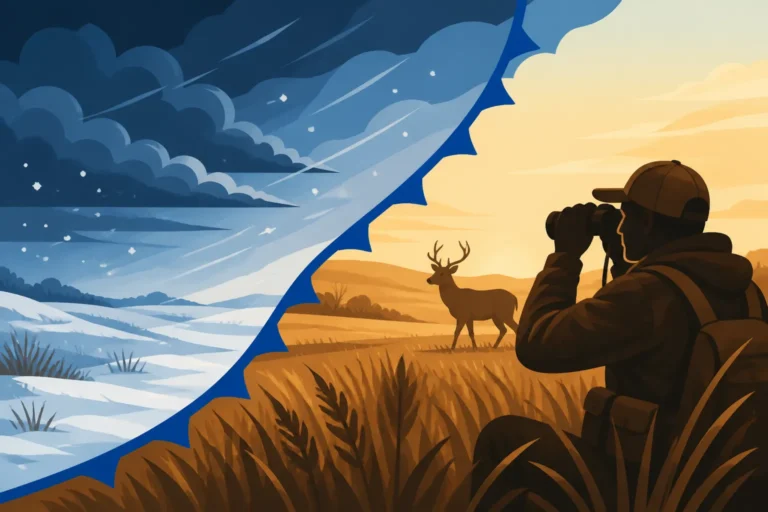
January in Kansas is synonymous with cold. We're talking about average daily temperatures that often hover around freezing, with overnight lows dipping well into the teens or single digits. But it’s not just the temperature; it's the wind that truly cuts. The open landscape of Kansas means there’s often little to block those piercing north and northwest winds. Snowfall can be sporadic, ranging from light dustings to significant accumulations that persist for days or even weeks.
These harsh weather patterns are the primary drivers of deer behavior. When temperatures drop and the wind howls, deer become even more nocturnal and seek out the thickest thermal cover they can find. A heavy snow cover can make finding natural browse incredibly difficult, pushing deer towards remaining standing crops. Understanding these weather-driven movements is paramount. A sudden cold front or a fresh blanket of snow can completely reset deer patterns, making them move more during daylight hours in search of food. Conversely, a mild, calm day might see them linger in bedding areas longer, waiting for prime feeding times at dusk. Staying flexible and checking the forecast diligently before each hunt is not just smart, it's essential for safety and success.
Deer Behavior Shifts in Late Season
By January, the whitetail rut is a distant memory. Bucks have depleted significant energy reserves during the breeding season and are now focused almost entirely on recovery and survival. Their priorities are simple: find ample food, find secure thermal cover, and conserve energy. This means their movements become highly predictable, often following direct lines between bedding and feeding areas. You won't see the erratic, cruising behavior of the rut.
Deer typically gather in larger groups during the late season, especially around concentrated food sources. Doe families will merge, and bachelor groups of bucks may even reform. This can be both a blessing and a curse. While it means more eyes and ears to contend with, it also means that when you find one deer, you’re likely to find many. The pressure from previous hunting seasons has also taken its toll, making deer extremely wary and sensitive to any disturbance. Early morning and late afternoon are the prime movement times, often coinciding with the warmest parts of the day, but extreme cold can force them to move throughout the day just to maintain their body temperature.
Locating and Patterning Deer in January
Finding deer in January isn't about covering vast amounts of ground hoping to stumble upon them. It's about surgical precision, narrowing down key areas based on their absolute needs for food and shelter.
Key Food Sources After Harvest
In Unit 19, as in much of agricultural Kansas, standing crops become goldmines in January. Fields of corn and milo (sorghum) that were left unharvested or partially harvested are irresistible to deer, providing both caloric energy and cover. These fields are often a stark contrast to the barren winter landscape, literally glowing with the promise of food. Deer will often bed directly within these standing crops if they offer enough density, making them incredibly difficult to hunt without careful planning. You might find deer in smaller, overlooked pockets of standing timber that still hold acorns, or even along creek bottoms where persistent browse, like honeysuckle or privet, might remain.
When scouting for these vital food sources, don't just look for the obvious. Check aerial maps closely for small, irregular patches that might have been too wet or difficult for farmers to harvest. Drive slowly along roadsides, glassing fields for any signs of standing grain. Once you've identified potential food sources, the next step is to find the deer trails leading in and out, looking for fresh tracks, droppings, and browse lines that indicate heavy usage. Remember, these deer are desperate for calories, so if a food source is present, they will be there.
Identifying Critical Bedding Areas
Just as crucial as food are the bedding areas that offer refuge from the elements. In January, thermal cover is king. Deer will seek out the thickest, densest cover available that also provides a break from the wind and offers warmth. This often means large cedar thickets, dense plum or multiflora rose patches, or south-facing slopes in timber where the sun can penetrate and warm the ground. These spots often offer escape routes and good visibility for bedded deer.
When scouting for bedding, look for these features on your maps. Identify areas that provide maximum thermal protection, especially from prevailing northwesterly winds. Then, on the ground, look for well-used trails leading into these thickets. You might even find impressions where deer have bedded down. Pay close attention to how deer use these areas in relation to the wind. On a cold, north wind day, they'll often bed on the south side of a hill or a dense cedar grove to stay out of the direct blast. Understanding how to read a Kansas creek bottom for deer sign can also reveal these hidden bedding gems. Knowing exactly where deer are bedding allows you to plan your approach and stand placement to intercept them on their way to food.
Utilizing Scouting Tools for January Success
Modern scouting tools are invaluable for January bowhunting, especially when conditions are tough. Aerial imagery on mapping apps like GoHunt allows you to identify potential food sources, bedding areas, and travel corridors without setting foot in the woods and spooking deer. You can pinpoint those standing crop fields, dense timber blocks, and winding creek systems from the comfort of your home. It’s also incredibly useful for finding public access points and property lines, which are crucial when hunting Kansas walk-in land without burning it out.
Beyond e-scouting, trail cameras are your best friends in late season. Place them strategically on trails leading to food sources or along the edges of suspected bedding areas. Use long-lasting lithium batteries, as cold weather drains alkaline batteries quickly. Check your cameras infrequently to minimize disturbance, perhaps once a week or every ten days. The data you gather – time of day, direction of travel, and the size of the deer – will be invaluable in confirming patterns and identifying your target animal. Don't underestimate the power of simply walking the edges of fields after a fresh snow, too, as it can reveal exactly which trails deer are using without disturbing core areas.
Strategic Bowhunting Tactics for January in Unit 19
With scouting done and deer patterns identified, it's time to refine your hunting tactics to match the late-season environment and the wary nature of January whitetails.
Setting Up for Success: Stand and Blind Placement
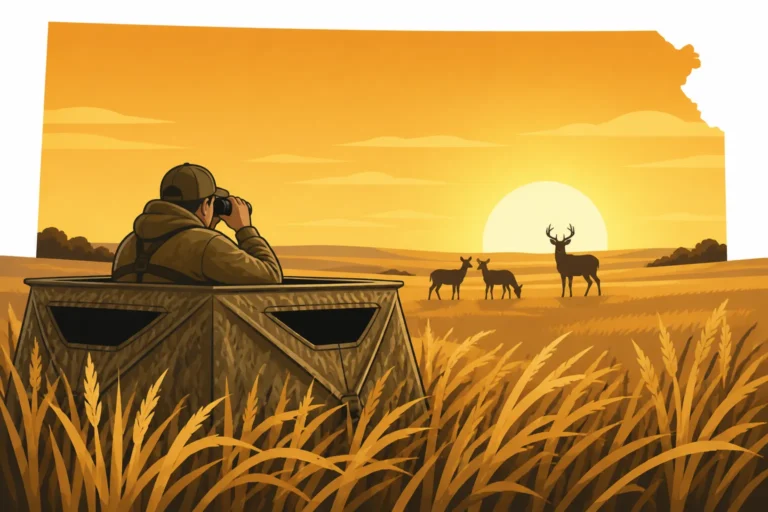
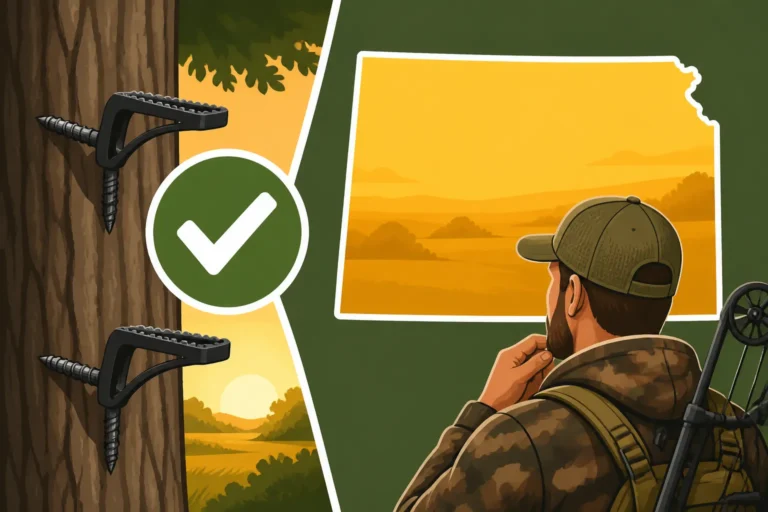
Late-season deer are incredibly sensitive to pressure, making your setup choices critical. In Unit 19's often open or semi-open terrain, ground blinds can be incredibly effective, especially if you can get them brushed in well in advance. They offer superb concealment, warmth, and the ability to minimize movement on cold, long sits. Focus on placing blinds on the downwind edge of standing crop fields or along a dense fenceline that deer use to travel between cover and food. For elevated hunting, consider a mobile setup, like a tree saddle or lightweight climber, which allows you to adjust quickly to changing deer patterns or wind shifts without leaving a permanent footprint.
When choosing your exact stand or blind location, think about micro-features. Are there any small terrain funnels that work without hills, or inside corners of crop fields that deer consistently cut? A single timber point jutting out into a field can be a phenomenal ambush site. Always prioritize your access routes. Deer are on high alert, and bumping them on your way in or out can ruin your hunt for days. Make sure your approach is quiet, out of sight, and doesn't cross any major travel lanes. Remember, the key to best stand locations in flat farm country in January is often directly related to the prevailing wind and the nearest, densest cover.
Cold Weather Gear and Scent Control
Staying warm and scent-free are non-negotiables for January bowhunting. Hypothermia is a real danger, and numb fingers won't make for a good shot. Layering is paramount: start with good moisture-wicking base layers, add insulating mid-layers, and top it off with a windproof and waterproof outer shell. Invest in high-quality insulated boots, hand warmers, and a good facemask or balaclava. The goal is to be comfortable enough to sit still for hours, waiting for that one opportunity. You can't shoot a deer if you're shivering uncontrollably.
Even in freezing temperatures, scent control remains crucial. Deer rely heavily on their noses, and a January buck is arguably more cautious than any other time of year. Use scent-eliminating sprays on your outer layers, store your hunting clothes in airtight containers, and wash them in scent-free detergent. Pay attention to your breath, too; a face mask can help diffuse it. When staying warm on a December sit, it's easy to forget about scent, but every little bit helps in fooling a wary late-season whitetail. Position yourself so the wind is in your favor, even if it means sacrificing a perfect view.
Adapting Your Shot Process
Cold weather affects more than just your comfort; it can impact your shot. Heavy clothing can restrict your bow arm or anchor point, so practice shooting in your full winter gear before hitting the woods. Your arrows might fly slightly differently in extreme cold, too, so a quick check at the range isn't a bad idea. When a deer finally presents itself, remember that they are often bunched up in late season. Exercise extreme caution with your shot selection to avoid hitting another deer.
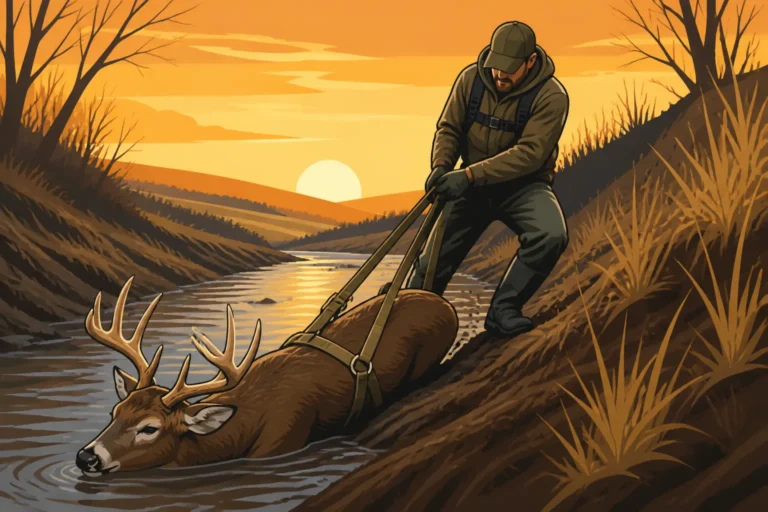
Focus on a calm, ethical shot placement. The vitals on a deer don't move just because it's cold, but a thicker winter coat might make it harder to judge the exact point of entry. Wait for a broadside or slightly quartering-away shot. These shots from an elevated stand are usually your best bet. If hunting from a ground blind, be mindful of any brush or branches that might deflect your arrow. Recovering a deer in the cold or snow can be easier, but a poor shot can still lead to a long, frustrating blood trail in tall CRP or cedars. Patience is key; wait for the deer to give you the perfect opportunity, even if it means letting a few walk by.
Navigating Unit 19's Public and Private Access
Kansas offers a mix of public and private hunting opportunities, and understanding how to navigate both is essential for a successful January bowhunt in Unit 19.
Maximizing Walk-In Hunting Opportunities
Kansas is famous for its Walk-In Hunting Access (WIHA) program, and Unit 19 often has tracts available that can be excellent for late-season deer. These are private lands leased by the Kansas Department of Wildlife, Parks and Tourism (KDWP) for public hunting access. The WIHA program is a true gem for resident and non-resident hunters alike. In January, many hunters have left the field, meaning less pressure on these WIHA properties. However, some WIHA tracts might close at the end of December, so always check the most current WIHA atlas, available online or at KDWP offices.
When looking at WIHA tracts in Unit 19, prioritize those with standing crops or dense cover near river bottoms. Use the GoHunt mapping system to overlay WIHA boundaries with satellite imagery to find these prime spots. You might be surprised at the quality of hunting available on these tracts, especially if you're willing to walk a bit further than other hunters. Just remember to always follow the specific rules for each WIHA tract, which are detailed in the atlas. Things like vehicle access and stand placement can vary. Scouting Kansas Walk-In Tracts before the opener is usually done in early fall, but a late-season digital scout can save you a lot of legwork.
Seeking Private Land Permission
While WIHA is fantastic, private land accounts for the vast majority of Kansas. Unit 19, being in a more populated eastern region, can sometimes mean smaller land parcels and more landowners to contact. Securing private land permission can be the difference between a tough hunt and a truly memorable one. The key is courtesy, respect, and timing. January can be a good time to ask, as farming operations might be slower, and the landowners might appreciate the help with antlerless deer management.
When approaching landowners, always do so in person, dressed respectfully, and with a clear explanation of what you're asking. Offer to help them with anything you can, from mending fences to checking on cattle. Provide your contact information and leave your vehicle details. Sometimes, offering to help fill a few Kansas antlerless hunts and filling the freezer can open doors to future opportunities. Building a positive relationship is far more valuable than simply asking to hunt. Showing appreciation, perhaps with some fresh game meat or a small gift, can go a long way. Always carry written permission when hunting private land, as it protects both you and the landowner. Understanding asking a Kansas landowner for permission means respecting their property and rules above all else.
Understanding Regulations and Reporting
Finally, stay on top of the regulations. Kansas deer season dates by weapon are clear, and January is exclusively bowhunting for deer in Unit 19. Ensure you have the correct permits, including your Kansas hunting license and any specific deer permits for Unit 19. Remember, for non-residents, drawing a permit often requires planning months in advance during the Kansas deer permits and the nonresident draw application period, but if you have a valid tag, January is a legal and challenging time to use it.
Always tag your deer immediately upon harvest and report your harvest within 48 hours via the KDWP online system or phone. Familiarize yourself with carcass transport regulations, especially if you're an out-of-state hunter, as CWD rules can impact how you transport a deer across state lines. Ignorance of the law is never an excuse, so carry a current copy of the Kansas hunting regulations summary, or have the KDWP mobile app handy on your phone.
| January Deer Food Source | Description | Pros for Hunter | Cons for Hunter |
|---|---|---|---|
| Standing Corn Fields | Mature corn left unharvested. | High caloric value, provides dense cover. | Hard to see deer, noisy approach, deer may bed within. |
| Standing Milo (Sorghum) | Unharvested milo fields. | Good energy source, some cover. | Often less dense than corn, still challenging visibility. |
| Hardwood Timber Pockets | Areas with late-dropping acorns or natural browse. | Deer may linger if acorns are present, natural cover. | Acorn crop can be inconsistent, browse might be sparse. |
| Winter Wheat/Alfalfa | Green fields of cool-season crops. | Highly attractive for fresh browse, especially after snow. | Can be very open, requiring long shots or well-placed blinds. |
| Cedar Thickets/Plum Thickets | Not a primary food, but often adjacent to food. | Crucial thermal cover, deer travel between these and food. | Deer often bed deep within, difficult to penetrate without spooking. |
Disclaimer
Please remember that hunting regulations can change. Always consult the most current Kansas Department of Wildlife, Parks and Tourism (KDWP) regulations before heading into the field. This guide is for informational purposes only and does not supersede official KDWP rules and guidelines.