Whether Guides Sit With You in Kansas
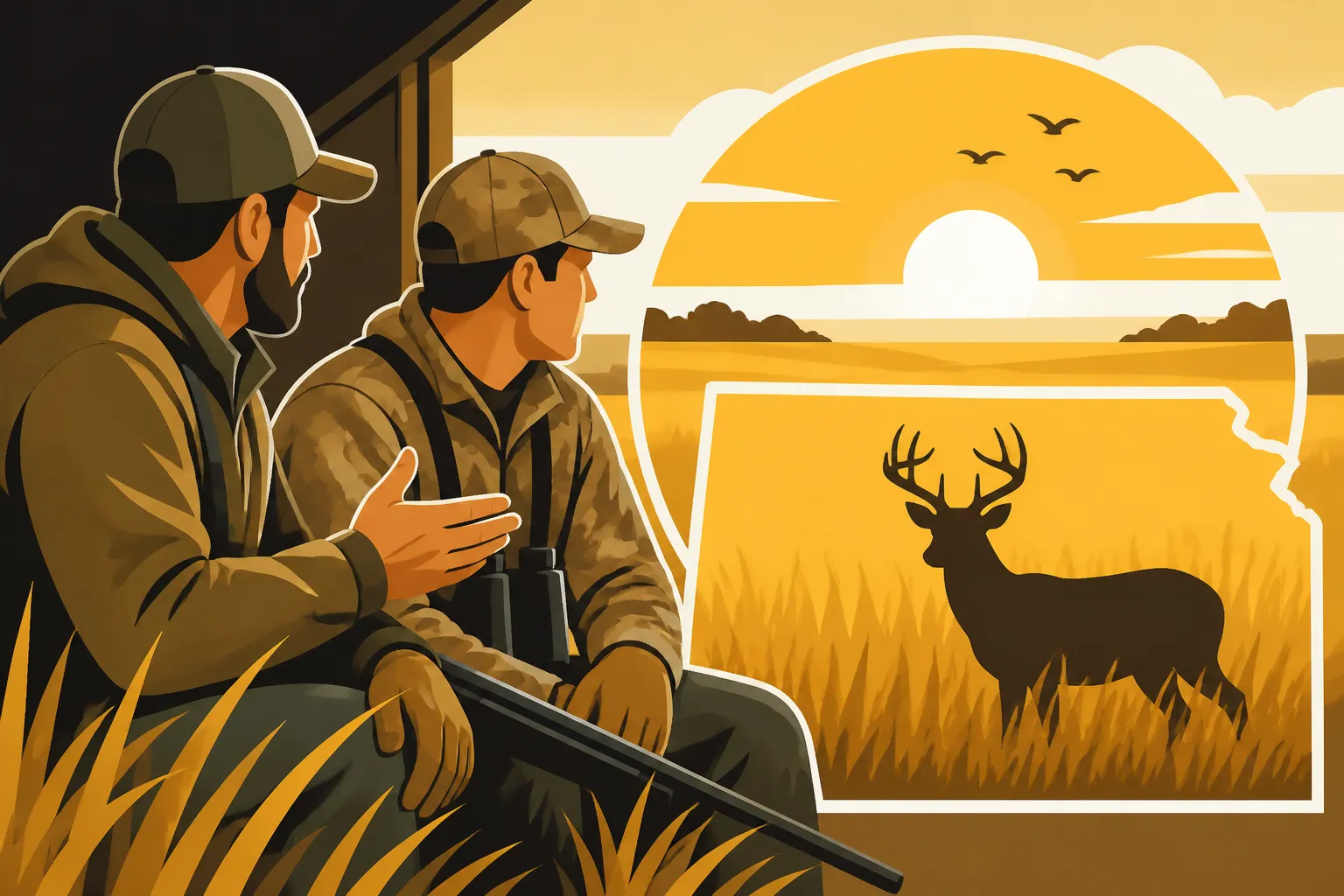
One of the most common, yet often unasked, questions when planning a Kansas hunt is whether your guide will actually be right there with you in the stand or blind. It’s a detail that can profoundly shape your hunting experience, and it's something many hunters don't think to clarify until they're already in the field, sometimes leading to awkward surprises. This guide is here to shed light on the various levels of guide involvement you might encounter in Kansas, helping you set clear expectations and ensure your next hunting adventure is exactly what you hoped for.
Understanding Different Guiding Styles in Kansas
Before we dive into the specifics of a guide's presence, it's crucial to understand that "guided hunt" isn't a one-size-fits-all term. Outfitters in Kansas, and across the country, offer a spectrum of services, each with varying levels of direct guide interaction. Knowing these distinctions upfront is key to finding the right fit for your hunting style and preferences.
Fully Guided Hunts: Close Companionship
This is often what people envision when they hear "guided hunt." In a fully guided scenario, your guide is typically right there with you, actively participating in the hunt from start to finish. For many, this level of service is invaluable. Imagine you're on a Kansas Whitetail Hunting Tactics Through the Rut hunt, and your guide is quietly calling, rattling antlers, or grunting in a buck. They might be spotting deer, glassing for movement you missed, or simply providing an extra set of experienced eyes.
This style is particularly popular for those new to Kansas terrain, first-time hunters, or folks pursuing a specific, challenging species. The guide is there to offer real-time coaching, help with shot placement, and most importantly, assist with tracking and recovery if an animal is hit. It’s a hands-on, interactive experience where you benefit directly from their local knowledge and expertise throughout the entire hunt.
Semi-Guided Hunts: Independence with Support
Moving along the spectrum, semi-guided hunts offer a fantastic middle ground for hunters who value a bit more independence but still want the advantage of local knowledge and logistical support. In this setup, your guide's role is typically to get you to and from your pre-scouted stand or blind location. They'll drop you off before legal shooting light and pick you up after the hunt, often suggesting the best spots based on current deer movement or weather conditions.
During the actual hunting hours, you're usually on your own. You might be using stands the outfitter has already hung, or you might even be expected to set up your own mobile hunting gear. After the hunt, the guide is generally available to assist with tracking, field dressing, and game recovery. It's an excellent option for experienced hunters who know their way around a treestand but appreciate having access to private land, established hunting spots, and critical help with the heavy lifting after a successful harvest. If you're looking into these kinds of hunts, you'll want to read up on Kansas Semi-Guided and Self-Guided Hunts to know what to expect.
Self-Guided Lease Hunts: True DIY
At the far end of the spectrum, you have self-guided lease hunts. Here, the guide's role is primarily to provide access to private hunting ground. Think of it more as renting a well-managed piece of property for a specific period. You're entirely on your own for scouting, stand placement, hunting strategy, and all aspects of the actual hunt, including tracking and game recovery.
The outfitter might provide maps, boundary lines, and perhaps some general advice based on historical animal patterns, but that’s often the extent of their direct involvement. This style demands a high level of self-reliance and experience. If you’re a seasoned hunter who loves the challenge of doing it all yourself, this can be an incredibly rewarding experience. Platforms like BookYourHunt or GoHunt often feature these types of lease opportunities, allowing you to filter by the level of service and understand upfront that you're essentially getting land access, not in-the-field guidance. It's truly a do-it-yourself adventure, where your success hinges entirely on your own preparations and skills.
Factors Influencing a Guide's Presence in the Stand
So, why would a guide choose to sit with you, or not? It's not arbitrary. Several key factors come into play, shaping the guiding experience and determining the level of direct involvement you can expect. Understanding these can help you better articulate your preferences when booking your hunt.
Species and Hunting Method
The type of game you're pursuing and the method you're using are huge determinants. When you're Kansas Turkey Hunting Tactics for Spring Gobblers, it's almost a given that your guide will be in the blind with you. Why? Because turkey hunting often involves active calling, reading the birds' reactions, and making split-second decisions on when to call, when to be silent, and when to prepare for a shot. A skilled guide's calling can be the difference between a successful hunt and a frustrating silence.
Deer hunting, especially for big Kansas whitetails, is more varied. For bowhunting, many hunters prefer solitude to minimize movement and scent, so a guide might drop you off. However, if you're Rattling and Grunting During the Kansas Rut, a guide could sit with you to orchestrate the calling sequence. For rifle hunts, a guide might be with you to glass, spot deer from a distance, or assist in a stalk, as might be the case when chasing Mule Deer in Western Kansas. Waterfowl hunts, such as Waterfowl Hunting Kansas Reservoirs and Playas, almost always involve guides in the blind for decoy setup, calling, and safety in a typically high-action environment.
Hunter Experience and Specific Needs
Let's be real: not every hunter has the same level of experience or physical capability. A guide's presence often hinges on your individual needs. If you're a seasoned veteran who's hunted Kansas before, you might prefer and even request to hunt alone. You know the drill, you're comfortable making your own decisions, and you might even have specific tactics you want to employ, like Mobile Hunting With a Saddle in Kansas.
On the flip side, a first-time hunter, a youth hunter, or someone with a disability might genuinely need a guide to be with them. This isn't just about finding game; it's about safety, ethical shot placement, and ensuring a positive overall experience. A guide can provide crucial coaching, identify legal shooting opportunities, and help manage the excitement and pressure that comes with a big game encounter. It's all about making sure everyone has a safe and successful experience, tailored to their individual abilities.
Outfitter Philosophy and Service Level
Every outfitter operates a little differently, and their core philosophy heavily influences how they conduct their hunts. Some outfitters pride themselves on providing a luxury, high-touch experience where clients are constantly attended to. Their packages, typically at a higher price point, almost always include a guide in the stand with you, offering constant support and maximizing your chances. This aligns with what you might expect if you research What a Kansas Guided Deer Hunt Costs.
Other outfitters focus more on providing access to prime ground and letting the hunter do most of the work, with guides stepping in for logistics or assistance. They might believe that the true hunting experience is found in solitude, or they might simply run a leaner operation that prioritizes land access over constant personal guidance. This difference in philosophy is something you should definitely inquire about when you are looking for Choosing a Kansas Deer Outfitter. It's not about one way being better than the other, but rather finding the outfitter whose approach aligns with your personal hunting goals.
Safety and Logistics Considerations
While Kansas hunting is generally very safe, there are always considerations. Hunting in certain challenging terrains, like dense Eastern Kansas Timber and River Bottoms or in areas with limited cell service, might prompt a guide to stay with you for safety reasons. Their local knowledge is invaluable for navigating difficult terrain, especially when tracking a wounded animal late in the evening or trying to get a deer out of a tricky spot, as highlighted in Getting a Deer Out of a River Bottom Alone.
Furthermore, some hunts involve complex logistics, such as multiple stand setups, long walks, or boat access for waterfowl. In these cases, a guide's presence ensures smooth operation, proper gear handling, and adherence to safety protocols. It’s about more than just finding an animal; it’s about managing the entire experience efficiently and securely from beginning to end.
The Pros and Cons of Having a Guide in Your Stand
Now that we’ve covered why a guide might be with you, let’s talk about the practical implications. There are undeniable advantages to sharing your hunting space with an experienced guide, but for some hunters, it also comes with a few drawbacks. Understanding both sides will help you decide what's right for you.
Benefits of a Guide's Presence
Having a knowledgeable guide in your stand or blind can significantly enhance your hunting experience. First and foremost, you gain immediate access to their invaluable local knowledge. They know the property like the back of their hand, understanding Hunting Pressure Patterns on Kansas Public Land, identifying bedding areas like Cedar Thickets as Bedding Cover, and recognizing subtle shifts in wind or deer movement that you might miss. This can drastically improve your odds of success.
Beyond finding game, a guide can be a fantastic mentor. They can offer real-time coaching on everything from glassing techniques to effective calling sequences, and even critical advice on Shot Placement on a Whitetail at Twenty Yards. For a spring turkey hunt, their calling skill alone can be worth the price of admission. Furthermore, having an extra set of eyes means more opportunities to spot game, and in the event of a shot, a guide’s expertise in blood trailing is paramount for a quick and ethical recovery. And let’s not forget the safety aspect – having another person present, especially in remote areas, provides a crucial layer of security in case of an accident or emergency.
Potential Drawbacks of Shared Space
While a guide's presence offers many positives, it's not for everyone. The most common concern for hunters is the potential loss of solitude. Many of us venture into the woods precisely for the peace, quiet, and personal connection with nature. Having another person, even a quiet and experienced one, can change that dynamic. It can feel less like a personal quest and more like an organized tour.
Another practical consideration is the increased potential for noise and movement. Even the most seasoned guide can unintentionally make a sound or a movement that spooks a wary animal, especially during close-quarters bowhunting. This is a very real concern for hunters who meticulously manage their scent and movement for maximum stealth. Additionally, some hunters might feel an unspoken pressure to perform or take a shot they might otherwise pass on, simply because they have an audience. While a good guide will never apply undue pressure, the feeling can still be there. Lastly, this level of service typically comes with a higher price tag, which might not fit every hunter's budget.
Communicating Expectations Before Your Hunt
The single most important takeaway from this entire discussion is the power of clear communication. Whether you're booking through a platform like BookYourHunt, or directly with a Kansas outfitter, asking the right questions upfront will save you from potential disappointment and ensure you get the hunting experience you’re paying for.
Key Questions to Ask When Booking
When you’re making that call or sending that email, don’t be shy! This is your hunt, and you deserve to know exactly what you're getting. Here are some essential questions to pose to any potential outfitter:
- "Will my guide be in the stand or blind with me for the duration of the hunt?"
- "If so, how actively involved will they be? Will they be calling, spotting, or offering real-time coaching?"
- "What is your typical guide-to-hunter ratio for the type of hunt I'm booking?" (e.g., is it 1:1, 1:2, or more?)
- "What level of assistance can I expect from the guide during tracking, field dressing, and game recovery?"
- "Are there specific scenarios where a guide always sits with a hunter (e.g., youth hunts, specific weapon types)?"
- "What is your outfitter's philosophy on guide presence – do you encourage solitude or active assistance?"
Don't assume anything. What one outfitter considers "guided," another might consider "semi-guided." Use tools like GoHunt or other booking platforms to gather initial information, but always follow up with direct conversations. This is paramount when considering Questions to Ask a Kansas Outfitter.
Written Agreements and What to Look For
After you've had those crucial conversations, make sure everything is clearly documented. A reputable outfitter will provide a detailed contract or agreement. Read it thoroughly! This document should clearly outline the services included in your package, the specific dates of your hunt, the payment schedule, and—ideally—the expected level of guide involvement.
Look for clauses that specify the type of hunt (e.g., fully guided, semi-guided), what equipment is provided, and the outfitter’s policy on game recovery. It's also wise to understand their cancellation and refund policies, as well as any rules regarding trophy fees or penalties for shooting undersized animals. Don't hesitate to ask for clarification on any ambiguous points before you sign on the dotted line. This attention to detail is critical for any successful venture, especially when dealing with Outfitter Contracts and Deposits in Kansas. A well-written agreement is your best friend in ensuring a smooth, enjoyable, and well-understood hunting experience in the Sunflower State.
| Guiding Style | Guide Presence in Stand/Blind | Typical Guide Role | Ideal for Hunter Who… |
|---|---|---|---|
| Fully Guided | Often present (with you) | Active calling, spotting, coaching, safety, tracking, game recovery, full logistical support | Is new to hunting, wants high success odds, prefers hands-on assistance, seeks a learning experience, wants all details handled |
| Semi-Guided | Rarely present (drops off/picks up) | Provides pre-scouted locations, stand placement advice, helps with logistics/recovery, general area info | Is experienced, values independence during the hunt, needs local knowledge, comfortable with self-reliance, wants access to quality land |
| Self-Guided Lease | Never present | Provides private land access, property maps/boundaries, minimal direct interaction, possibly basic amenities | Is very experienced, enjoys true DIY, wants private land access, manages all hunt logistics, prefers complete solitude |
Disclaimer
This article is for general informational purposes only and does not constitute professional advice. Laws, prices and regulations vary by location and change over time. Consult a qualified professional for guidance on your specific situation.