What a Kansas Guide Does During the Hunt
Stepping into the world of guided Kansas hunting can feel like entering a whole new dimension, especially if you're used to doing everything yourself. You've booked the trip, drawn the tag, and now you're wondering: what exactly does a hunting guide do once I'm actually there? It's a valid question, and the answer is far more comprehensive than just pointing you to a treestand. A good Kansas guide is your eyes, ears, and often your lifeline to a successful and enjoyable experience, meticulously handling details so you can focus on the hunt. This guide will walk you through the day-to-day and behind-the-scenes responsibilities of your Kansas hunting guide, outlining what you can expect from their invaluable support.
Before the Hunt: The Foundation of Success
Before you even set foot in Kansas, your guide has already put in countless hours. Their work in the off-season and leading up to your arrival is the bedrock of your hunting opportunity. This isn't just about showing up with a map; it's about a deep, intimate knowledge of the land, the deer, and the ever-changing conditions.
Pre-Season Scouting and Habitat Intelligence
Imagine trying to navigate a complex labyrinth without a map or a guide. That's essentially what a guide prevents you from doing. Long before opening day, guides are out scouting, often year-round. They're watching deer movement, identifying preferred food sources, locating bedding areas, and monitoring water sources. This involves miles of walking, hanging trail cameras, examining shed antlers, and simply observing the natural rhythm of the land. They look for subtle terrain features like creek crossings, pinch points, and the ends of shelterbelts where deer funnel. This isn't a one-time thing; it's an ongoing process that helps them understand patterns, anticipate changes, and select the absolute best spots for their hunters. They know which fields the deer hit hardest, which timber blocks hold the biggest bucks, and where the does typically congregate. This kind of deep, intuitive understanding of the habitat is something you simply can't gain in a few days as an out-of-state hunter.
When you're looking into booking, consider asking Questions to Ask a Kansas Outfitter about their scouting regimen. It's often the differentiator between a good hunt and a great one. The guides are constantly reading the landscape, checking for new rubs, fresh scrapes, and changes in agricultural practices that might influence deer behavior. They leverage technology like aerial maps, but nothing replaces boots on the ground.
Strategic Stand Placement and Habitat Work
Once prime locations are identified, the guide's work shifts to preparation. This includes strategic stand placement, whether it's setting up permanent ladder stands, hanging mobile treestands, or brushing in ground blinds. They consider prevailing winds, sun direction, entry and exit routes that minimize disturbance, and potential shot angles. A good guide will have multiple stand options for each area, allowing them to adapt to different wind directions or changes in deer movement. This meticulous planning ensures you're positioned for success, with the wind in your favor and a clear shooting lane. They often invest in habitat management too, such as planting small food plots or hinge-cutting trees to create better bedding cover or funnel deer movement. This might be on private land they lease or own, where they have control over manipulating the environment. You might even find guides discussing Best Stand Locations in Flat Farm Country or how deer use Terrain Funnels That Work Without Hills as they set up.
Beyond initial setup, they're constantly checking these stands for safety, making sure straps are secure and platforms are stable. They understand that a safe hunter is a successful hunter. If you're Booking a Kansas Whitetail Hunt With an Outfitter, their pre-season work on stands and habitat is a huge part of the value you're paying for.
Tailoring the Hunt to Your Preferences
A truly exceptional guide doesn't just put you in a stand; they strive to understand your hunting style and preferences. Do you prefer bowhunting or rifle hunting? Are you comfortable with an all-day sit, or do you prefer morning and evening hunts with a break in between? What kind of deer are you hoping to harvest – are you strictly looking for a mature buck, or is an antlerless deer equally fulfilling? They want to know your comfort level with different weather conditions, your physical capabilities, and any specific goals you have for the hunt. This dialogue usually begins well before your arrival, perhaps during initial conversations when you're considering Choosing a Kansas Deer Outfitter.
They'll consider your input when deciding which stand to put you in each day, weighing it against current deer movement, wind conditions, and pressure. For instance, if you're a seasoned archer looking for a close-range encounter, they might prioritize a stand in dense cover over a more open field edge. This personalized approach makes a huge difference in your overall experience.
During the Hunt: In the Field Support
Once you're in Kansas and the season is open, your guide's role shifts from preparation to active support. This is where their daily grind truly begins, ensuring every aspect of your time in the field is optimized for opportunity and comfort.
Daily Transportation and Logistical Assistance
Each hunting day typically begins well before dawn. Your guide will ensure you're up, fed, and have all your gear ready to go. They're responsible for safely transporting you to and from your designated stand locations. This often involves navigating rural roads, muddy two-tracks, or even long walks in the dark. They'll drop you off quietly, making sure you know the entry route and what to expect, and then pick you up at a pre-arranged time, often after dark. This critical logistical support means you don't have to worry about getting lost, navigating unfamiliar terrain in the dark, or dealing with vehicle issues.
They're also keeping tabs on other hunters in the camp or on the property to ensure everyone has a dedicated area and isn't interfering with another's hunt. This coordination is essential, especially on larger leases with multiple hunters. For nonresident hunters, this kind of hands-on daily management is invaluable, as they may also be helping you understand specific regulations like Kansas Deer Tagging Requirements or the check-in process for public land if it's a semi-guided scenario.
In-Stand Coaching and Strategic Adjustments
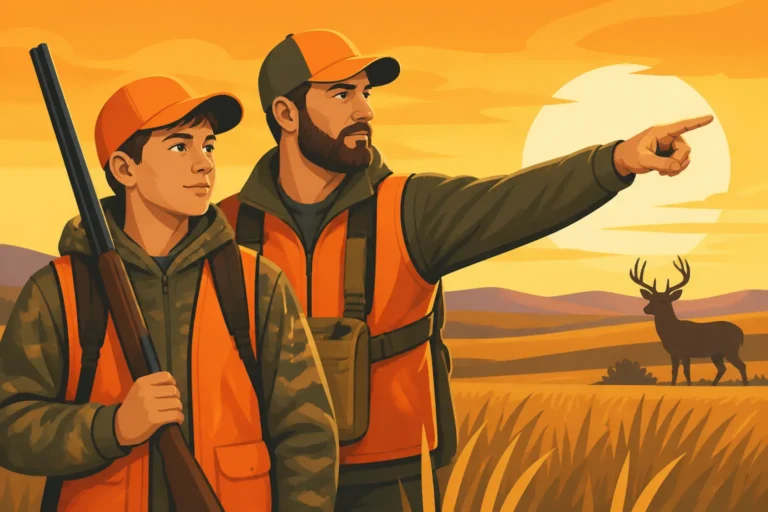
While guides typically don't sit with you in the stand for deer hunting, their guidance doesn't end at drop-off. They'll often provide last-minute advice, tell you what to look for, and instruct you on when and how to use calls like rattling or grunting. They understand Rattling and Grunting During the Kansas Rut strategies and can advise on volume and timing for the conditions. If you're a bowhunter, they might walk you through specific shot opportunities or yardage markers. Throughout the day, or between hunts, they're assessing conditions: changing winds, pressure from neighboring properties, and any deer sightings reported by other hunters. They use this information to make strategic adjustments for subsequent hunts.
Perhaps the wind shifted unexpectedly, making your morning stand a poor choice for the afternoon. Your guide will adapt, offering a different stand with a more favorable wind direction or suggesting a different approach entirely. Their ability to read the moment and make informed decisions is a significant advantage. This can sometimes involve changing units if you are hunting with an outfitter that has properties in different Kansas Deer Units and What Each Holds.
Adapting to Evolving Conditions
Kansas weather can be notoriously unpredictable, swinging from warm and sunny to bitter cold and windy in a single day. A skilled guide is always monitoring the forecast and adapting the hunting plan accordingly. If a cold front is coming through, they know deer might be on their feet, hitting specific food sources harder. If it's warm, they might suggest hunting near water or shaded bedding areas. They're also attuned to hunting pressure, especially if hunting on larger tracts or near public land. Hunting Pressure Patterns on Kansas Public Land can drastically alter deer behavior, and a good guide understands how to counteract or utilize these changes.
They're constantly making judgment calls: should we move to a different property? Is it worth trying a still-hunt through a particular timber block? Should we try Late-Season Food Source Hunting or focus on travel corridors? This dynamic decision-making is a core part of their job, ensuring you always have the best possible chance despite Mother Nature's curveballs or unexpected deer movement. It's not just about knowing the land; it's about knowing how the land behaves under different circumstances.
After the Shot: Ensuring a Successful Harvest
The moment of truth—the shot—is only part of the journey. What happens next is equally, if not more, critical, and your guide is indispensable in ensuring a successful recovery and proper care of your hard-earned harvest.
Expert Tracking and Ethical Recovery
You’ve made a great shot, but even a perfect shot doesn't always result in a deer dropping in its tracks. Blood trailing can be one of the most stressful and challenging aspects of hunting, especially in dense Kansas cover like CRP fields or cedar thickets. This is where your guide’s experience truly shines. They have a trained eye for blood sign, broken vegetation, and subtle tracks that an inexperienced hunter might easily miss. They know how long to wait before initiating a trail to prevent bumping a wounded animal, and they understand the nuances of Blood Trailing in CRP and Cedars.
They'll patiently work the trail, often hours after the shot, using flashlights, flagging tape, and their deep knowledge of deer behavior to predict where the animal might have gone. Their calm demeanor and methodical approach are invaluable during this high-stakes process. Recovering a deer ethically and efficiently is a point of pride for any good guide, and they will exhaust every reasonable effort to find your animal.
Proper Field Dressing and Initial Game Care
Once your deer is recovered, the work shifts to field dressing and preparing the animal for transport and processing. This is a crucial step for preserving meat quality, especially during warmer hunting seasons like Kansas's early archery or muzzleloader seasons. Your guide will efficiently and cleanly field dress your deer, removing the entrails to allow the carcass to cool down as quickly as possible. This is vital, particularly when Field Dressing in Warm Kansas Weather. They understand the importance of hygiene and speed in this process.
They'll show you how to properly tag your deer, adhering to all state regulations. If you've never done it before, or even if you have, their expertise ensures it's done right. This attention to detail prevents spoilage and ensures your hard-earned venison is in the best possible condition when it reaches the locker plant or your freezer.
Transporting Your Trophy and Meat
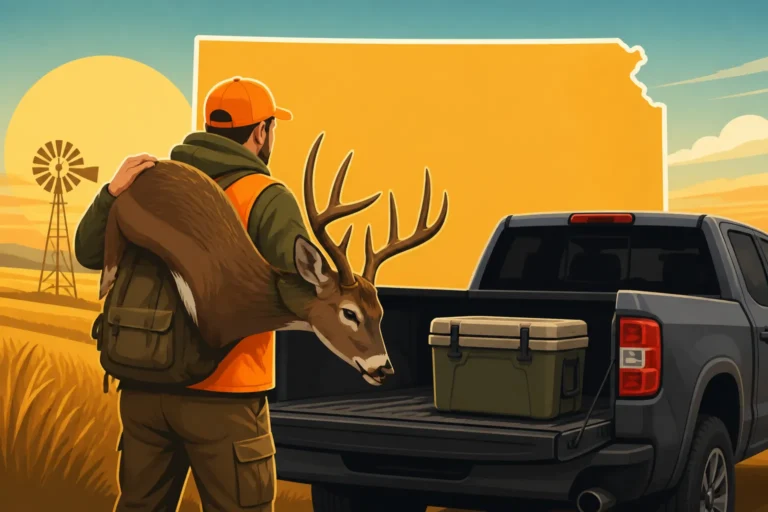
Getting a whole deer out of the field, especially from a remote river bottom or a distant corner of a crop field, can be a monumental task, particularly if you're alone. Your guide will assist with extracting the deer from the field, whether that involves using an ATV, a truck, or simply physically dragging it out. This can be exhausting work, but it's part of the service. They’ll then transport your deer back to camp, often to a designated cooling area, walk-in cooler, or even a processing facility. They typically have established relationships with local locker plants or taxidermists and can facilitate getting your deer processed or caped.
This logistical support is a massive benefit, saving you the headache of figuring out how to handle a large animal in an unfamiliar location. They can advise you on Getting a Deer Cooled in September if you're hunting early, or on dealing with Carcass Transport Across State Lines if you're an out-of-state hunter.
Beyond the Basics: Added Value and Expectations
A guide's responsibilities extend beyond just the tactical aspects of the hunt. They are also hosts, educators, and problem-solvers, adding significant value to your overall hunting adventure.
The Camp Experience and Hospitality
For many guided hunts, the experience extends well beyond the time spent in the stand. Your guide, or the outfitter's staff, plays a vital role in the camp experience. This includes providing comfortable lodging, whether it's a rustic cabin or a full-service lodge, and often includes home-cooked meals. They are your hosts, ensuring you're comfortable, well-fed, and rested for the demanding days ahead. This hospitality creates a welcoming atmosphere, allowing you to relax and enjoy the camaraderie of fellow hunters.
They'll often handle things like morning coffee, packing lunches for the stand, and having a warm meal ready when you return, often late in the evening. This level of care means you can focus entirely on the hunt and the experience, rather than the daily chores of cooking and cleaning. Many hunters find this "full-service" aspect to be a significant draw when considering the Cost of a Guided Kansas Deer Hunt.
Sharing Local Knowledge and Hunting Insights
A great guide is a walking encyclopedia of local knowledge. They can tell you about the history of the area, the specific characteristics of Kansas Whitetail Deer and Why They Grow Big, local wildlife patterns, and even recommend local attractions or restaurants if you have downtime. They’ve spent their lives immersed in this environment and are often passionate about sharing their insights. This informal education adds depth to your hunt, turning it into a more enriching experience. They can explain why a certain type of crop attracts deer more than another, or how different weather patterns affect movement.
This constant flow of information helps you understand the bigger picture of Kansas hunting. They might share stories from past hunts, offer tips on gear, or explain the nuances of the Kansas preference point system if you're planning future trips and considering Kansas Preference Points Explained. Sometimes, just chatting with a knowledgeable guide around a campfire is one of the most memorable parts of the trip.
Managing Expectations and Addressing Challenges
Finally, a guide helps manage expectations and navigate the inevitable challenges that arise during any hunting trip. Hunting, by its very nature, is unpredictable. Deer don't always cooperate, weather can turn foul, and sometimes, despite best efforts, you might not fill your tag. A good guide offers a realistic perspective, emphasizing that it's a "hunt," not a "kill." They will remain positive and encouraging, even when things are tough, and will continue to work tirelessly to create opportunities.
If an issue arises – a broken piece of gear, an unexpected illness, or a tricky situation in the field – your guide is your primary point of contact and problem-solver. They are there to ensure your safety and well-being, as well as to maximize your hunting success. Knowing that you have an experienced, dedicated professional on your side, handling the complexities, allows you to relax and fully immerse yourself in the Kansas hunting adventure.
What to Expect from Your Kansas Guide
| Aspect of Hunt | Guide's Role Before/During Hunt | Guide's Role After the Shot |
|---|---|---|
| Preparation | Year-round scouting, trail cameras, identifying key areas, habitat work. | N/A |
| Stand Setup | Placing stands/blinds, ensuring safety, adapting to wind/deer patterns. | N/A |
| Logistics | Daily transport to/from stand, checking on hunters, coordinating movements. | Assisting with deer extraction from field. |
| In-Field Support | Providing last-minute advice, calling, adjusting strategies for conditions. | Expert blood trailing, ethical recovery, patience in finding deer. |
| Game Care | N/A | Efficient field dressing, proper tagging, initial cooling. |
| Processing/Trophy | N/A | Transporting deer to cooler/processor, facilitating taxidermy needs. |
| Hospitality | Providing lodging, meals, a comfortable camp environment. | N/A |
| Knowledge Sharing | Explaining local deer behavior, habitat, Kansas regulations. | Advising on CWD Rules for Taking a Kansas Deer Home and processing. |
| Problem Solving | Adapting to weather, addressing gear issues, managing expectations. | Handling unforeseen issues during tracking/recovery. |
Working with a Kansas hunting guide, whether through a service like BookYourHunt or GoHunt, is about more than just having someone show you where to go. It's about tapping into years of local knowledge, meticulous preparation, and dedicated in-field support. They handle the hard work and complexities, allowing you to immerse yourself fully in the thrill of the chase and the beauty of the Kansas landscape.
Disclaimer
This article is for general informational purposes only and does not constitute professional advice. Laws, prices and regulations vary by location and change over time. Consult a qualified professional for guidance on your specific situation.