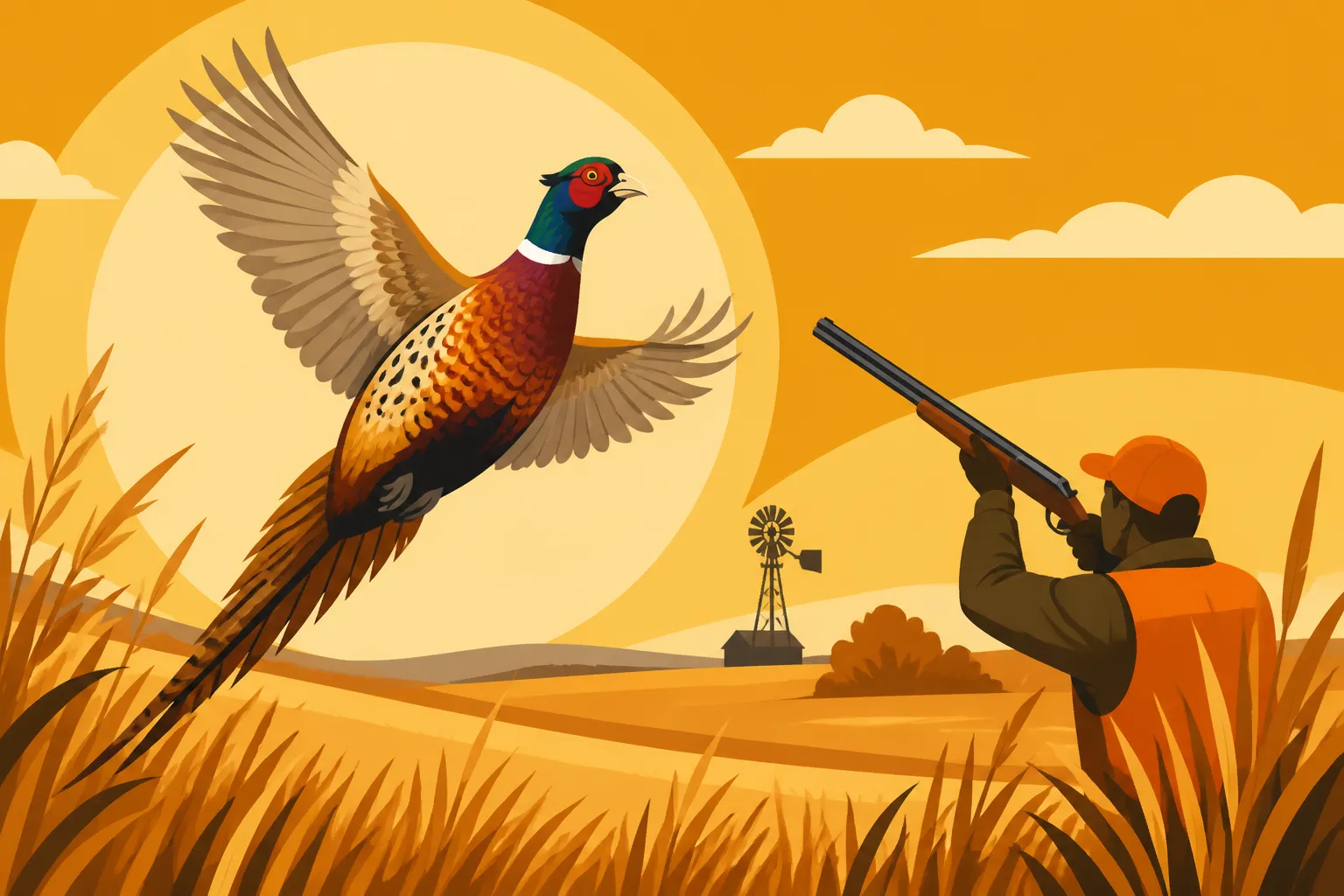
Kansas Pheasant Hunt Day Rates
One of the most common questions I get from hunters planning a trip to the Sunflower State is about the cost of a Kansas pheasant hunt, specifically the "day rate." It's easy to get overwhelmed trying to decipher what's included, what's extra, and what kind of experience you're actually paying for. This guide is here to break down the ins and outs of Kansas pheasant hunt day rates, helping you understand the options so you can plan your perfect upland adventure without any nasty surprises.
Understanding Kansas Pheasant Hunt Day Rates
When you're looking into a Kansas pheasant hunt, the term "day rate" gets thrown around a lot, but it doesn't always mean the same thing from one outfitter to the next. It’s crucial to understand what you're actually being quoted for, because assuming too much can lead to unexpected costs or a different experience than you envisioned.
What a "Day Rate" Typically Means
Generally, a day rate for a Kansas pheasant hunt refers to the cost for one hunter for a single day of hunting. This usually covers the guided experience itself, meaning a guide will take you and your group to prime pheasant habitat, often with well-trained bird dogs. The intent is to provide a full day in the field, pursuing wild or released pheasants. It's distinct from a multi-day package that might include lodging, meals, and multiple days of hunting at a bundled price. A day rate is often the most flexible option for hunters who are either local or have their own lodging and simply want to focus on the hunt itself. It’s a way to access prime land and professional guidance without committing to a full week-long vacation.
Many outfitters will offer a basic day rate that might include lunch and drinks, while others might be strictly "hunt-only," leaving you to manage your own food and hydration. It's never safe to assume. Always clarify what "day rate" specifically covers with the outfitter you're considering. This upfront clarity can save you a lot of hassle and potential frustration down the line, ensuring that your expectations match the reality of the service being provided.
Factors Influencing Day Rate Costs
The price of a Kansas pheasant hunt day rate can vary significantly based on several key factors. First and foremost is the quality and quantity of the hunting ground. Outfitters with access to thousands of acres of prime habitat—especially ground with excellent natural cover like CRP Grass and Where Bucks Bed or standing milo and corn—will naturally command higher prices. Their investment in habitat management, securing leases, and maintaining healthy bird populations contributes directly to the cost.
Another major factor is the type of hunt offered. A fully guided hunt with experienced guides and top-notch bird dogs will be at the higher end of the spectrum, reflecting the professional service and the maintenance of those valuable hunting companions. In contrast, a semi-guided hunt, where an outfitter might just point you to a field and let you run your own dogs, would typically be more affordable. The exclusivity of the hunt also plays a role; a private, one-on-one guided experience will always cost more than joining a larger group hunt. Lastly, amenities like gourmet meals, luxurious lodging, bird cleaning services, and even transportation from a nearby airport can all be folded into a premium day rate, pushing the price upward. These details are rarely fixed, so a deep dive into each outfitter's offering is essential.
Wild Bird Versus Preserve Hunts
Kansas is known for its incredible wild pheasant hunting, but there are also game bird preserves that offer a different type of experience. It's important to distinguish between these two, as they come with different expectations, regulations, and, of course, day rates. Understanding the difference will help you choose the right kind of hunt for your preferences and budget.
The Appeal and Cost of Wild Bird Hunting
Hunting wild pheasants in Kansas is truly a classic experience, often on vast tracts of private land that have been carefully managed for upland birds. The appeal lies in the challenge—these birds are wary, fast, and demand skill, good dog work, and a bit of luck. Success often depends on factors like Rainfall and Pheasant Numbers in previous years, the amount of available cover, and, of course, hunting pressure. A wild bird hunt typically operates within the strict Kansas hunting seasons and bag limits, meaning you're chasing truly wild populations that have survived and thrived on their own.
Day rates for wild bird hunts tend to be at the higher end. This reflects the outfitter's significant investment in leasing prime ground, managing habitat, and maintaining the quality of the wild bird population. You're paying for access to untouched or lightly hunted areas where the birds behave naturally, making for a more authentic and often more challenging hunt. The satisfaction of bagging a truly wild rooster after a long walk through CRP fields or Working Grass Edges Without a Dog is unmatched. These hunts often require more walking, more strategizing, and a greater appreciation for the natural environment.
Preserve Hunts: A Different Experience and Price Point
Game bird preserves, also known as shooting preserves, offer a controlled environment where pen-raised pheasants are released specifically for hunting. This type of hunt guarantees opportunities for shooting, as the birds are put out in numbers designed to ensure a productive day. Preserve hunts are typically not subject to the same strict season dates or bag limits as wild birds, allowing for a longer hunting season. This flexibility can be a huge draw for hunters looking for a specific date or those who want to ensure plenty of shooting action.
The day rates for preserve hunts can vary widely. Some might be very affordable, especially if it's a "put-and-take" operation where you pay per bird released. Others can be quite high, especially if they offer a luxurious lodge, gourmet meals, and a fully guided experience with exceptional dogs on beautiful, well-maintained grounds. While some traditionalists might argue it's not "real" hunting, preserve hunts offer a fantastic way to introduce new hunters to the sport, get dogs some valuable training, or simply enjoy a day of guaranteed action with friends without the intense physical demands or uncertainty of a wild bird hunt. When evaluating preserve hunts, always ask about the number of birds released, the type of terrain, and the overall experience provided.
What's Included (and Not Included) in a Day Rate
Navigating the inclusions and exclusions of a Kansas pheasant hunt day rate is paramount to avoiding surprises. Many outfitters have comprehensive packages, while others keep it lean, expecting you to handle a good portion of the logistics yourself. Always read the fine print and ask direct questions.
Common Inclusions in a Kansas Day Hunt
Typically, a day rate will at least include access to the hunting grounds and the services of a guide, often with their dogs. This is the core of what you're paying for: expert navigation of the terrain and seasoned canine partners to flush and retrieve birds. Many day rates will also cover a field lunch – think hearty sandwiches, chips, and drinks – and a place to warm up or take a break midday. Some outfitters might provide bird cleaning and packaging, sending you home with your pheasants breasted out and ready for the freezer. This is a huge convenience, especially after a long day in the field, and it's definitely something to inquire about.
Depending on the outfitter and the price point, you might also find shell allocations included, which means you won't need to bring your own ammunition. This can be particularly helpful for traveling hunters. Transportation around the hunting property, often in UTVs or specialized hunting vehicles, is another common inclusion, ensuring you get to the best spots efficiently. Always confirm these details. It can be frustrating to arrive expecting a hot meal and prepared birds, only to find you're packing your own sandwich and learning how to Field Dressing in Warm Kansas Weather on the tailgate.
Hidden Costs and What to Expect to Pay Extra For
Beyond the quoted day rate, there are several potential "hidden" costs you should always factor into your budget. The most common is tipping your guide. These professionals work tirelessly to give you a great experience, from scouting to dog handling to bird cleaning, and a gratuity is customary and well-deserved. Fuel surcharges, especially for remote properties, might occasionally apply.
Licensing and permits are almost always your responsibility. You'll need a valid Kansas hunting license and often an upland bird stamp. You can check the current requirements and costs on the Kansas Department of Wildlife, Parks, and Tourism website. For non-residents, the Kansas Nonresident Hunting Licence Cost is a significant consideration. Shotgun rentals, if you don't bring your own, are another common extra. Many hunters also choose to purchase extra birds if they are on a preserve hunt and want more action than the base package provides. Alcoholic beverages, if desired, are rarely included. Finally, don't forget taxidermy and meat processing costs beyond basic cleaning, especially if you shoot a trophy bird or want custom cuts. A good outfitter will be transparent about these potential add-ons, but it’s always best to ask for a comprehensive breakdown before you commit.
| Feature / Type of Hunt | Wild Bird Day Hunt (Typical) | Preserve Day Hunt (Typical) |
|---|---|---|
| Primary Objective | Authentic, challenging experience | High volume shooting opportunities |
| Bird Source | Naturally occurring wild pheasants | Pen-raised pheasants |
| Season & Limits | Strict state seasons and bag limits | Often extended seasons, flexible limits |
| Terrain | Natural, varied, potentially rugged | Managed, often easier to traverse |
| Guide & Dogs | Almost always included and essential | Often included, sometimes optional |
| Meal Inclusion | Often field lunch/drinks | Varies, can be full meals |
| Bird Cleaning | Sometimes included | More often included |
| Likelihood of Success | Varies with conditions/skill | High, guaranteed opportunities |
| Physical Demand | Moderate to High | Low to Moderate |
| Cost Range | Generally higher | Varies widely, can be lower or comparable |
Finding and Booking Your Kansas Pheasant Hunt
Finding the right Kansas pheasant hunt outfitter can feel like a daunting task, especially with so many options out there. It requires a bit of detective work and asking the right questions to ensure you're getting the experience you're hoping for. Remember, your goal is to find a reputable operation that aligns with your hunting style and budget.
Researching Outfitters and Packages
The first step is thorough research. Start by searching online for "Kansas pheasant hunt day rates" or "Kansas upland bird outfitters." You'll find many operations with websites detailing their offerings. Look for outfitters that specialize in upland birds, as their expertise and properties will be geared towards pheasant hunting. Pay close attention to whether they primarily offer wild bird hunts or preserve hunts, as this fundamentally changes the experience.
Websites like BookYourHunt can be excellent resources for comparing different Kansas outfitters side-by-side. They often list various packages, including day rates, and provide reviews from previous clients. GoHunt is another platform that can offer insights into different hunting opportunities, although it might lean more towards big game. Don't just look at the price; delve into the descriptions. Does the outfitter emphasize dog work? What kind of habitat do they primarily hunt? Do they have a long-standing reputation in the area, or are they a newer operation? Look for clear communication about what's included in their Kansas Pheasant and Quail Hunt Packages. Also, consider the geographic area; some parts of Kansas are known for higher pheasant populations, like the western and northern regions.
Important Questions to Ask Before Booking
Once you've narrowed down a few potential outfitters, it's time to pick up the phone. Direct communication is key. Don't be shy about asking detailed questions. Here's a checklist of things to cover:
- What exactly does your pheasant hunt day rate include? Get a clear list: guide, dogs, lunch, drinks, bird cleaning, shells, transportation on the property.
- Is this a wild bird hunt or a preserve hunt? This is fundamental. If it's a preserve, how many birds are released per hunter, and what is the cost for additional birds?
- What are your typical group sizes for day hunts? Will you be hunting exclusively with your party, or will you be combined with other hunters?
- Can you describe the terrain and cover we'll be hunting? Are we walking Milo and Corn Stubble Deer Patterns or focusing on thicker shelterbelts? This helps you prepare physically and understand the type of hunting.
- What is your policy on bringing my own dog? Some outfitters welcome them, others prefer to use their own seasoned dogs.
- What are your current daily bag limits for pheasants on your property? This can vary if it's a preserve. For wild birds, it will adhere to the Kansas Pheasant Daily Bag Limit.
- What happens if we tag out early or if the weather is really bad? Understanding cancellation or rescheduling policies is crucial.
- What are your recommended gratuity guidelines for the guide and any other staff?
- What kind of Kansas hunting license and stamps are required, and where can I purchase them?
- Can you provide references from past clients who booked a day hunt with you? This is one of the most reliable ways to gauge an outfitter's reputation.
Asking these questions upfront will give you a clear picture of what to expect, what costs are involved, and ultimately, help you choose a Kansas pheasant hunt that perfectly matches your expectations and provides an unforgettable experience in the field.
Disclaimer
This article is for general informational purposes only and does not constitute professional advice. Laws, prices and regulations vary by location and change over time. Consult a qualified professional for guidance on your specific situation.