Whether Ground Is Leased or Owned
It can be incredibly frustrating when you're planning an important hunting trip, especially to a renowned state like Kansas, and feel like you're not getting straight answers about the very ground you'll be hunting on. You want confidence that the outfitter has a stable, well-managed property, not a fly-by-night operation that might lose their hunting rights next season. This guide will meticulously break down the critical differences between outfitters who own their hunting land versus those who lease it, helping you understand what questions to ask and what impact it could have on your Kansas hunting experience.
The Core Difference: Leased vs. Owned Land for Outfitters
When you're looking at booking a guided hunt, whether it's for whitetails, turkeys, or upland birds in Kansas, one of the most fundamental aspects often overlooked is the ownership status of the land itself. Is the outfitter guiding you on property they personally own, or on land they've leased from private landowners? At first glance, it might seem like a minor detail, but the reality is that this distinction can profoundly impact the quality, consistency, and long-term viability of your hunt. It speaks to the stability of the operation, the depth of habitat management, and ultimately, the kind of experience you can expect as a client. Understanding this difference is key to making an informed decision, especially when Choosing a Kansas Deer Outfitter.
What "Owned" Land Means for a Hunter
An outfitter operating primarily or exclusively on land they own outright brings a different dynamic to the table. When an outfitter owns the ground, they have complete control over every aspect of that property, from habitat management to access, and the overall hunting strategy employed year after year. This typically translates into a more stable and potentially higher-quality hunting experience for you.
Imagine an outfitter who has owned a large block of prime Kansas timber and agricultural fields for decades. They've invested countless hours and resources into improving that property for wildlife. This could mean planting specific food plots strategically, managing timber stands for bedding cover, implementing strict deer harvest criteria over many seasons, and even controlling access routes to minimize pressure. Because they own it, they can think long-term. There's no risk of a landowner deciding not to renew a lease, or selling the property out from under them. This continuity allows for consistent management practices, which often results in better game populations and a more mature age structure for deer, making it more likely to encounter the kind of animals you traveled to Kansas to hunt. You'll find these types of operations often tout their years of consistent results because they control their destiny.
What "Leased" Land Implies for Your Hunt
On the flip side, many excellent outfitters in Kansas operate on leased land, sometimes hundreds or even thousands of acres spread across multiple properties. Leasing is a very common and legitimate business model for outfitters, especially in states like Kansas where prime hunting ground often comes with crop production or cattle grazing. However, it introduces a few more variables that you, as the hunter, should be aware of.
When an outfitter leases land, their control over that property is often limited by the terms of the lease agreement. While they can typically implement hunting strategies and set up stands, they might have less say in broader land management decisions, such as extensive habitat improvements that could conflict with agricultural operations. The biggest factor is the stability of the lease itself. Leases typically run for a set number of years, and there's always the possibility that a landowner might choose not to renew, or might even sell the property. This means an outfitter could lose a valuable piece of hunting ground, potentially forcing them to find new leases, which can impact the consistency of their hunting inventory. It’s not necessarily a bad thing, but it’s a factor to consider. For example, some leases are year-to-year. If you book a hunt a year in advance, you want to know that the ground will still be available. Outfitters often have long-standing relationships with landowners, but these can change. Understanding Kansas Hunting Lease Costs can give you an idea of the significant investment outfitters make in securing these properties.
Why This Distinction Matters to You, the Hunter
The ownership model of an outfitter's hunting ground isn't just a business detail; it directly impacts your experience, from the moment you book until you're hopefully loading a trophy into the truck. When you invest your time and hard-earned money into a Kansas hunt, you want every advantage you can get. The stability, management practices, and overall flexibility tied to how an outfitter controls their land can significantly influence your success and satisfaction.
Stability and Long-Term Potential
One of the most significant advantages of hunting with an outfitter on owned land is the inherent stability. Picture this: you've been building preference points for years, finally draw a coveted Kansas tag, and book your dream rut hunt for November. If that outfitter suddenly loses a key lease just months before your trip, their ability to provide the quality hunt they promised could be severely compromised. They might have to scramble to secure new ground, which might not be as productive or as well-managed.
Outfitters who own their core hunting properties typically offer a more consistent product year after year. They aren't at the mercy of lease renewals or landowner whims. This means they can implement long-term game management plans, knowing that their investment in food plots, timber stand improvement, and controlled harvests will pay dividends for years to come. For you, this translates into a higher probability of hunting on consistently productive ground that has been managed specifically for big game. It offers peace of mind, knowing that the "honey holes" you see in their promotional photos are likely still under their control and have been carefully nurtured. When considering Booking a Kansas Rut Hunt Early, this stability becomes even more crucial.
Management and Hunter Pressure
The level of control an outfitter has over their hunting ground directly correlates to their ability to manage it effectively for wildlife and to control hunter pressure. On owned land, an outfitter can dictate everything from crop rotations that benefit deer to specific sanctuary areas where no hunting is allowed. They can develop intricate trail systems, install permanent stand locations, and implement rigorous harvest strategies to ensure bucks reach maturity. This comprehensive management often leads to better quality animals and a healthier ecosystem. You can expect them to have a clear understanding of the Buck Age Structure in Kansas on their specific properties.
With leased land, while many outfitters do an excellent job, their ability to implement intensive, long-term habitat management can sometimes be constrained. The landowner might have specific agricultural requirements that limit where food plots can be planted or how much timber can be cleared. Furthermore, hunter pressure management can be more nuanced. While the outfitter controls their hunters, they might have less influence over adjacent properties that are also leased for hunting or hunted by the landowner's friends and family. This can create situations where deer are pressured off specific leases, impacting patterns. When you're asking about Hunter Density on a Kansas Lease, remember that an outfitter on owned land usually has greater direct control over this factor across their entire operation.
Flexibility and Access
Another key area where ownership matters is in flexibility and access. An outfitter who owns their land can often offer more diverse hunting opportunities. They might have a wider variety of habitat types within their boundaries – from river bottoms and CRP to sprawling crop fields – allowing them to adapt to changing weather patterns or animal movements. They can also provide more flexible access, often with fewer restrictions on what you, as a client, can do on the property (within legal and safety bounds, of course). They might have improved access roads, designated parking areas, and robust infrastructure.
For leased properties, access might be dictated by specific ingress and egress points, sometimes through active agricultural fields or around livestock. The outfitter's ability to create new access routes or adjust for conditions could be limited by the landowner's preferences. Furthermore, while an outfitter will always provide excellent guidance, the sheer number of different properties in a large leased land portfolio can make it harder for them to know every single nuance of every corner, compared to an outfitter who has lived and breathed on their own land for decades.
Questions to Ask Your Prospective Kansas Outfitter
When you're trying to nail down the details for your Kansas hunting trip, don't be shy about asking direct questions about the land your outfitter uses. A reputable outfitter will be transparent and proud to share information about their properties. This isn't about being confrontational; it's about being an informed client and ensuring you're investing in the right experience for you.
Here's a breakdown of what to ask and why:
| Question Category | What to Ask | Why It Matters |
|---|---|---|
| Land Ownership Status | Is the ground you hunt on owned or leased? | Direct answer to the core question. Sets the stage for further inquiries. |
| Lease Specifics | If leased, how long have you had these leases? What is the typical lease term (e.g., 1-year, 5-year)? What happens if a lease isn't renewed? | Reveals stability and potential risks. Longer lease terms indicate more stability. Outfitter's plan for lost leases shows preparedness. |
| Owned Land Specifics | If owned, how many acres do you own for hunting? How long have you owned it? | Shows the scale of their operation and their long-term investment. |
| Management Practices | What kind of habitat management do you conduct (food plots, timber work, sanctuary areas)? How does ownership status affect this? | Indicates commitment to improving wildlife habitat and the extent of their control. On owned land, they have full autonomy; on leased, it might be more limited. Food Plots on Leased Kansas Ground is a good example. |
| Hunter Density | How many hunters are typically on the property at any given time? What is the overall hunter capacity? | Directly relates to pressure. Lower density usually means less disturbance and better hunting. |
| Adjacent Properties | What are the adjacent properties used for? Are there other hunting operations nearby? | Helps gauge potential external pressure or disruptions that might impact your hunt. |
| Stand Locations | Do you have permanent stands or do you use mobile setups? How often are stands moved? | Permanent stands often indicate long-term commitment to a specific location on stable ground. Mobile stands offer flexibility, but consistency is key. |
Understanding the Outfitter's Footprint
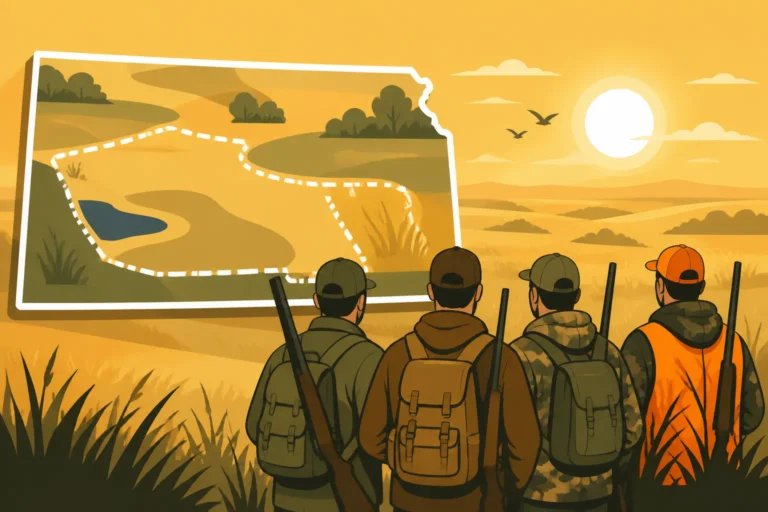
First and foremost, ask them directly: is the ground you hunt on owned or leased? A good outfitter will readily provide this information. If it's a mix, ask for a breakdown. For example, they might own their main lodge property and a few hundred acres, but lease several thousand more surrounding it. This blend is common and can be very effective, as it combines the stability of owned land with the expanded opportunities of leased properties.
Then, dive deeper. If they own land, ask about the acreage and how long they've owned it. An outfitter who has owned a significant tract for 10, 20, or even 30+ years is likely deeply invested in that land's potential. If they primarily lease, inquire about the length of those leases. Are they year-to-year, or do they have multi-year agreements? Longer lease terms indicate more stability for you. Also, ask about their contingency plan if a significant lease isn't renewed. Do they have backup properties, or will they have to scramble? This shows their level of preparedness and business savvy. Don't be afraid to utilize platforms like BookYourHunt or GoHunt to research potential outfitters and see how they present their land holdings. These services can sometimes provide initial details that help you formulate more specific questions.
Clarifying Hunter Density and Rotation
This is a huge one, regardless of ownership. How many hunters will be on the ground during your specific hunt dates? What is their overall capacity? Even a massive amount of owned or leased land can feel small if it's over-pressured. Ask about their hunter rotation strategy: do they cycle hunters through different properties or rest certain areas? What is their policy on Hunter Density on a Kansas Lease generally?
An outfitter might have thousands of acres, but if they put 10 hunters on 1,000 acres at the same time, that's a different experience than 10 hunters spread across 5,000 acres. Understanding the ratio of hunters to available ground is paramount. It’s also wise to inquire about neighboring properties. Do those properties get hunted heavily? Are there cattle operations that might impact deer movement? These are external factors that even an outfitter with owned land might have to contend with, and their strategy for mitigating these influences speaks volumes about their experience. This information is crucial for setting realistic expectations for your hunt.
What Happens if a Lease is Lost?
This question is specifically for outfitters who primarily or heavily rely on leased ground. It might feel a bit awkward to ask, but it's a legitimate concern. If an outfitter loses a substantial piece of hunting property, how does that impact your booked hunt? Will they still be able to provide the same quality experience on different ground, or might your hunt be significantly altered?
A professional outfitter will have a plan. They might have a network of backup properties, or they might offer to roll your deposit over to the following year if they can't provide a comparable hunt. They might even have built up enough preference points in the Kansas Deer Permits and the Nonresident Draw system for their clients that they have options on different units. Understanding their policy on cancellations, refunds, or rescheduling due to unforeseen circumstances like a lost lease should be clearly spelled out in their contract. This leads back to the importance of a detailed agreement, and why knowing What a Kansas Hunt Contract Should Say is so vital. It’s better to have these conversations up front than to be surprised closer to your hunt date.
Disclaimer
This article is for general informational purposes only and does not constitute professional advice. Laws, prices and regulations vary by location and change over time. Consult a qualified professional for guidance on your specific situation.