Cost of a Guided Kansas Deer Hunt
One of the biggest hurdles many hunters face when dreaming of a Kansas deer hunt is figuring out the financial side of things. It's easy to get overwhelmed by varying prices, inclusions, and expectations, leaving you wondering if a guided hunt is even within reach. This guide is here to demystify the cost of a guided Kansas deer hunt, breaking down the essential factors that influence pricing so you can budget effectively and make an informed decision for your next adventure.
Understanding the Factors That Drive Kansas Guided Hunt Costs
When you start looking into guided hunts in Kansas, you'll quickly notice that prices aren't one-size-fits-all. Several key elements play a significant role in determining what you'll pay, and understanding these can help you better evaluate different outfitter offerings. It's not just about a daily rate; it's about the entire experience, the services provided, and the timing of your hunt.
The Type of Hunt: Fully Guided Versus Semi-Guided Versus Self-Guided Lease
The first and often most substantial factor influencing the cost is the level of service you expect from your outfitter. There's a spectrum of options, each with its own price point and level of independence.
A fully guided hunt is typically the most expensive option, and for good reason. With this package, you're usually getting a dedicated guide who will take you to and from your stand, offer advice, help with blood trailing, and assist with field dressing and recovery. They're there to manage the hunt from start to finish, often providing scouting intel, setting up decoys, or even rattling and grunting for you. This is a hands-off approach for the hunter in terms of logistics, allowing you to focus purely on the hunt itself. It's perfect for those new to Kansas, unfamiliar with the terrain, or simply wanting a true hunting vacation where all the details are handled.
Then there's the semi-guided hunt, which strikes a balance between full service and independence. In a semi-guided scenario, the outfitter might get you set up in a stand or blind they've scouted, show you the property boundaries, and offer general advice, but you'll be responsible for getting to and from the stand on your own, doing your own blood trailing, and often processing your own game. They're still there to help with recovery if you need it, and they provide the land access and pre-scouted locations, but the day-to-day execution is more on you. This can be a more budget-friendly option while still providing valuable assistance and access to quality ground.
Finally, some outfitters offer self-guided lease hunts. This is essentially paying for access to private, managed land for a set period, often with a few strategically placed stands or blinds. You're completely on your own for all aspects of the hunt – scouting, stand choice, entry and exit routes, blood trailing, and game recovery. The outfitter's role is primarily to grant you exclusive access to their property. This is generally the most economical choice if you want the benefit of private land without the full expense of a guided experience, but it demands a higher level of preparedness and self-sufficiency from the hunter. For those with a lot of experience and a desire for independence, a self-guided lease can be a fantastic option to access prime Kansas ground. You can often find listings for these types of hunts through platforms like BookYourHunt.
Season and Weapon Choice Impact on Price
The time of year you want to hunt and the weapon you choose can significantly influence the cost. Kansas is renowned for its November firearm rut hunts, and these dates often command the highest prices. The demand is simply enormous during this peak activity period when bucks are actively chasing does, making them more visible and vulnerable. If you're hoping to hunt during the first two weeks of November, be prepared for a premium. When the Kansas Rut Peaks is a common consideration when planning a hunt and impacts costs.
Archery season, which runs from mid-September through December, offers a much broader window, and prices can fluctuate throughout. Early September bowhunts, while warm, can be more affordable than the intense pre-rut and rut periods in late October and early November. Similarly, late-season archery hunts in December or January, while challenging, can sometimes be found at a lower price point as demand wanes. Muzzleloader season, typically a shorter window in late September, also has its own pricing structure, often falling somewhere between early archery and the firearm rut hunts.
Outfitters adjust their pricing based on perceived success rates and demand for specific periods. A hunt during the peak of the rut, when the chances of seeing mature bucks are highest, will naturally be priced higher. It's a supply-and-demand equation. If your schedule is flexible, targeting slightly off-peak times might save you some money without necessarily sacrificing the quality of the hunt, though it may require different tactics. Considering Kansas Archery Versus Firearm Hunt Pricing is crucial for budgeting.
Duration of the Hunt and Inclusions
Most guided hunts are sold as multi-day packages, often ranging from three to seven days. The longer the hunt, generally the higher the overall price, though the daily rate might decrease slightly with longer bookings. A typical Kansas deer hunt often runs for five or six days, giving you ample time to settle in and account for weather or deer movement patterns. Shorter hunts might be available, but they limit your opportunities, and many hunters feel rushed.
Beyond just the number of days, the "inclusions" are critical to understanding the true cost. Does the price cover just the hunting access, or does it include lodging, meals, transportation to and from the stand, and game recovery? A hunt advertised at a lower price might seem attractive until you realize you're responsible for all your own food and accommodation. Conversely, a higher-priced package that includes gourmet meals, comfortable lodging, and full guiding services might actually be a better value in the long run when you factor in all associated costs.
Always get a clear, itemized list of what is included in the package. Some outfitters might include airport pickup, while others expect you to arrange your own transportation. Some provide a heated skinning shed and walk-in cooler, which is a huge benefit, especially in warmer early season hunts, while others might just have a hose and a tree. Knowing these details upfront prevents unwelcome surprises once you arrive in Kansas.
| Hunt Type | Guide Presence | Hunter Responsibility | Inclusions (Typical) | General Cost Shape |
|---|---|---|---|---|
| Fully Guided | Dedicated Guide | Minimal (focus on hunting) | Land access, lodging, meals, guide, game handling | Highest |
| Semi-Guided | Initial Setup/Advice | Moderate (stand access, tracking, field dressing) | Land access, basic lodging (sometimes), scouting, general advice | Moderate |
| Self-Guided Lease | None | High (all aspects of the hunt, logistics, game handling) | Land access (often exclusive for the period), pre-hung stands (sometimes) | Lowest |
What's Typically Included (and Not Included) in a Guided Price
When you're looking at various Kansas outfitters, it's easy to assume certain things are covered, only to find out later they aren't. Understanding the standard inclusions and exclusions can save you from unexpected expenses and ensure you're comparing apples to apples when evaluating different hunt packages. Transparency is key here, and a good outfitter will be upfront about what their price entails.
Lodging, Meals, and Field Services
For many hunters, especially those traveling from out of state, the comfort and convenience of a hunting lodge are a huge draw. Most quality guided hunts will include some form of lodging, ranging from rustic bunkhouses to comfortable cabins or even private rooms with amenities. The standard of accommodation can directly impact the hunt's cost. A plush lodge with private baths and daily maid service will naturally be part of a higher-priced package than a shared bunkroom with communal facilities. Be sure to ask about Kansas Hunting Lodge Accommodation to understand what you're paying for.
Meals are another common inclusion in many fully guided packages. This often means home-cooked breakfast and dinner at the lodge, with a packed lunch to take into the stand. For some, having meals prepared after a long day in the woods is a major benefit. For others, it's an opportunity to socialize and share hunting stories with fellow hunters. Again, the quality and variety of meals can be reflected in the price. If meals aren't included, factor in the cost of groceries or eating out for the duration of your trip.
Field services are what truly differentiate a guided hunt. This includes your guide transporting you to and from your hunting location, assistance with tracking and retrieving a downed animal, and help with field dressing and getting the deer back to camp. Some outfitters even offer caping services for taxidermy and transportation to a local processor. These services are invaluable, especially if you harvest a large buck far from a road or are hunting alone. Always clarify what level of field assistance is provided, especially for game recovery and handling, as these are critical aspects of a successful hunt. For a detailed breakdown, check out What a Kansas Outfitter Provides.
Permit and License Handling: Your Responsibility
It's a common misconception that guided hunt prices include your hunting license and deer permit. This is almost never the case. In Kansas, hunting licenses and deer permits are separate purchases that you, as the hunter, are responsible for acquiring. The cost of these can be substantial, especially for non-residents. You'll need a non-resident hunting license, and then a deer permit, which for non-residents, is typically obtained through a draw system.
Outfitters can certainly advise you on the application process, help you understand the Kansas deer units, and even recommend which units to apply for to maximize your draw odds, especially for prime whitetail tags. Some might even assist you through the online application portal. However, the financial responsibility for these tags falls squarely on your shoulders. Ensure you factor in the cost of your Kansas Hunting Licence and Permit Costs and understand the Kansas Deer Permits and the Nonresident Draw process and deadlines well in advance of booking your hunt. Missing the application window means you won't have a tag, and your guided hunt reservation becomes moot.
Beyond the initial permit, be aware of any special stamps or additional permits that might be required for other species if you plan a combo hunt (e.g., a turkey permit if hunting in the spring, or a waterfowl stamp if you're also duck hunting). These add to your overall financial commitment and are separate from the outfitter's fee.
Hidden Costs and Unexpected Fees
Unfortunately, sometimes the advertised price isn't the final price. It's crucial to dig deep into the outfitter's contract and ask specific questions about potential "hidden" costs. One common area is trophy fees. Some outfitters operate on a system where you pay an additional fee if you harvest a buck above a certain antler score (e.g., an extra charge for any buck scoring over 140 inches Boone and Crockett). These fees can be significant, so clarify this policy before you book. You can find more information on Trophy Fees on Kansas Deer Hunts.
Other potential additional costs could include:
- Taxidermy and Meat Processing: While many outfitters will help you get your deer to a local processor or taxidermist, the cost of these services is almost always extra. If you plan to take your meat and cape home, factor in shipping or cooler expenses.
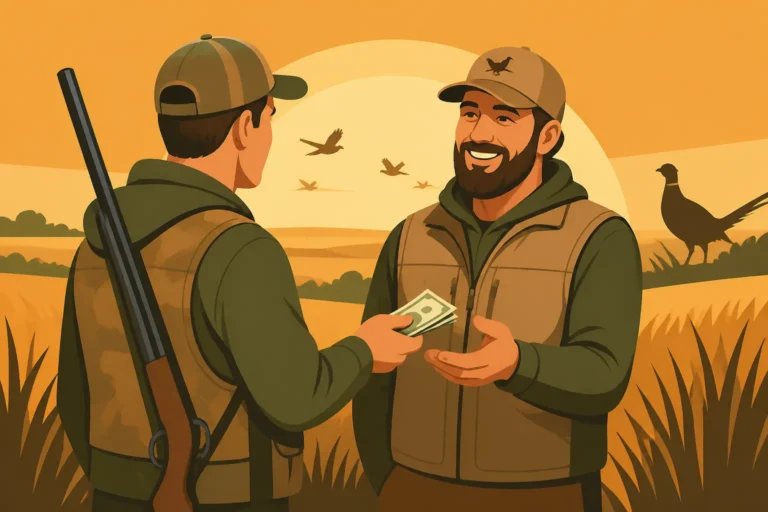
- Guide Gratuities: Tipping your guide is customary and expected in the hunting industry. This isn't usually included in the upfront cost and can amount to a significant sum, typically 10-20% of the hunt price, depending on the service quality. We'll cover Tipping a Kansas Guide in more detail later.
- Transportation: While some outfitters offer airport pickup, many do not. You'll need to arrange and pay for your travel to and from the lodge, including flights, rental car, and fuel.
- Personal Gear: Don't forget to budget for any last-minute gear you might need, such as specific camouflage, cold-weather clothing, or hunting accessories.
- Emergency Expenses: It's always wise to have a small contingency fund for unexpected travel delays, medical needs, or other unforeseen circumstances.
A transparent outfitter will lay all of these potential costs out in their contract or a detailed conversation. Platforms like GoHunt and BookYourHunt often have reviews where hunters discuss overall costs, including these extra fees, which can provide a more realistic picture.
Navigating Outfitters and Making an Informed Choice
Choosing a Kansas outfitter isn't just about finding the cheapest price; it's about finding the right fit for your hunting style, expectations, and budget. There are many reputable operations, but also some less scrupulous ones. Taking the time to do your homework can save you a lot of heartache and money in the long run.
Researching Outfitters and Their Offerings
The first step in making an informed choice is thorough research. Start by searching online for Kansas deer outfitters. Look for their websites, social media presence, and any testimonials or reviews from past clients. Pay close attention to how they describe their hunts – do they align with your goals (e.g., trophy hunting vs. meat hunting, archery vs. rifle)? A great resource for starting your search and comparing options is BookYourHunt, which aggregates listings from various outfitters.
Once you've identified a few potential outfitters, delve deeper. Don't hesitate to call them directly. This is your chance to ask all your questions, clarify inclusions, and get a feel for their communication style. Ask about their acreage, hunter density on the property, and their approach to deer management. A good outfitter will be happy to spend time discussing these details with you. Choosing a Kansas Deer Outfitter involves much more than just the price tag.
It's also a good idea to seek out independent reviews. Hunting forums, Facebook groups dedicated to Kansas hunting, and even direct references from friends can provide valuable, unbiased insights. If an outfitter doesn't readily offer references from past clients, that can be a red flag. A reputable outfitter will have a list of satisfied customers eager to share their experiences. Consider the Questions to Ask a Kansas Outfitter before committing.
The Deposit and Cancellation Conundrum
Booking a guided hunt almost always requires a deposit, often a significant portion of the total hunt cost. This deposit secures your spot and allows the outfitter to manage their bookings and resources. The size of the deposit and the payment schedule can vary widely. Some might ask for 50% upfront, while others require a smaller initial deposit with the remainder due several months before the hunt. Always be clear on the Kansas Outfitter Deposit Amounts and payment schedule.
Just as important as the deposit is understanding the outfitter's cancellation policy. Life happens, and sometimes you might need to cancel your hunt. What are the terms if you have to back out? Will your deposit be refunded, or is it non-refundable? Can it be rolled over to a future season? Are there specific deadlines for cancellations to receive a partial refund? These details should be explicitly stated in the outfitter's contract. If they're not, ask for clarification in writing. Some hunters even choose to purchase travel insurance that specifically covers hunt cancellations, offering peace of mind against unforeseen circumstances.
Remember that a contract protects both you and the outfitter. Always read it thoroughly before signing and don't be afraid to ask for clarification on any clauses you don't understand. A well-written contract, detailing all inclusions, exclusions, payment terms, and cancellation policies, is a sign of a professional operation. Pay close attention to What a Kansas Hunt Contract Should Say.
Tipping Your Guide: An Essential Consideration
Tipping your guide is a long-standing tradition in the hunting industry and is a significant part of a guide's income. It's a way to show appreciation for their hard work, dedication, and the effort they put into making your hunt successful and enjoyable. While not technically part of the advertised "cost," it's an essential expense to factor into your overall budget.
The typical range for guide gratuities is often 10-20% of the hunt's base price. For example, on a hunt that costs several thousand dollars, a 15% tip would be a substantial amount. The actual percentage you give should reflect the quality of service you received. Did your guide go above and beyond? Were they knowledgeable, patient, and hardworking? Did they make a genuine effort to put you on deer and ensure your comfort and safety? These factors should influence your decision.
It's common to tip your guide at the end of the hunt, usually in cash. If there are multiple guides or a cook, ask the outfitter how tips are typically handled – sometimes there's a communal pot, or you might tip individuals directly. Don't forget to budget for this important expense, as it's a direct reflection of your appreciation for their service. Being prepared for Tipping a Kansas Guide ensures a smooth and positive end to your hunting adventure.
Disclaimer
This article is for general informational purposes only and does not constitute professional advice. Laws, prices and regulations vary by location and change over time. Consult a qualified professional for guidance on your specific situation.