Cedar Bluff Wildlife Area Hunting
Finding diverse hunting opportunities on public land in Western Kansas can sometimes feel like searching for a needle in a haystack. Many hunters focus on the vast Walk-In Hunting Access (WIHA) tracts, which are fantastic, but don't always offer the variety of habitat or the stability of a dedicated wildlife area. This guide is here to shine a light on Cedar Bluff Wildlife Area, a true gem in the High Plains that provides excellent hunting for a multitude of species, and how you can make the most of your time there.
Discovering Cedar Bluff Wildlife Area: A Gem in Western Kansas
When you think of hunting in Western Kansas, your mind might immediately jump to endless stubble fields or vast expanses of CRP. While those habitats are certainly prevalent and productive, places like Cedar Bluff Wildlife Area offer a refreshing change of scenery and a far more diverse hunting experience. It’s not just a place to chase pheasants; it’s a mosaic of different ecosystems, each holding its own potential for the diligent hunter. Understanding its unique geography is the first step to unlocking its full potential.
Location and Landscape: More Than Just a Reservoir
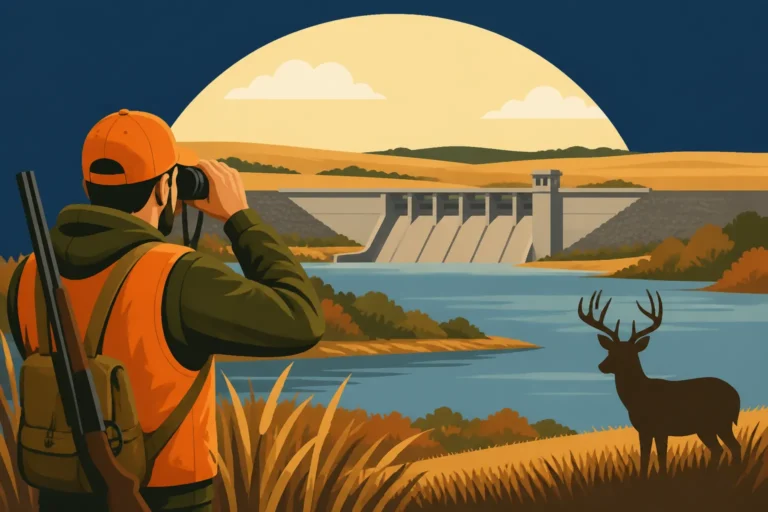
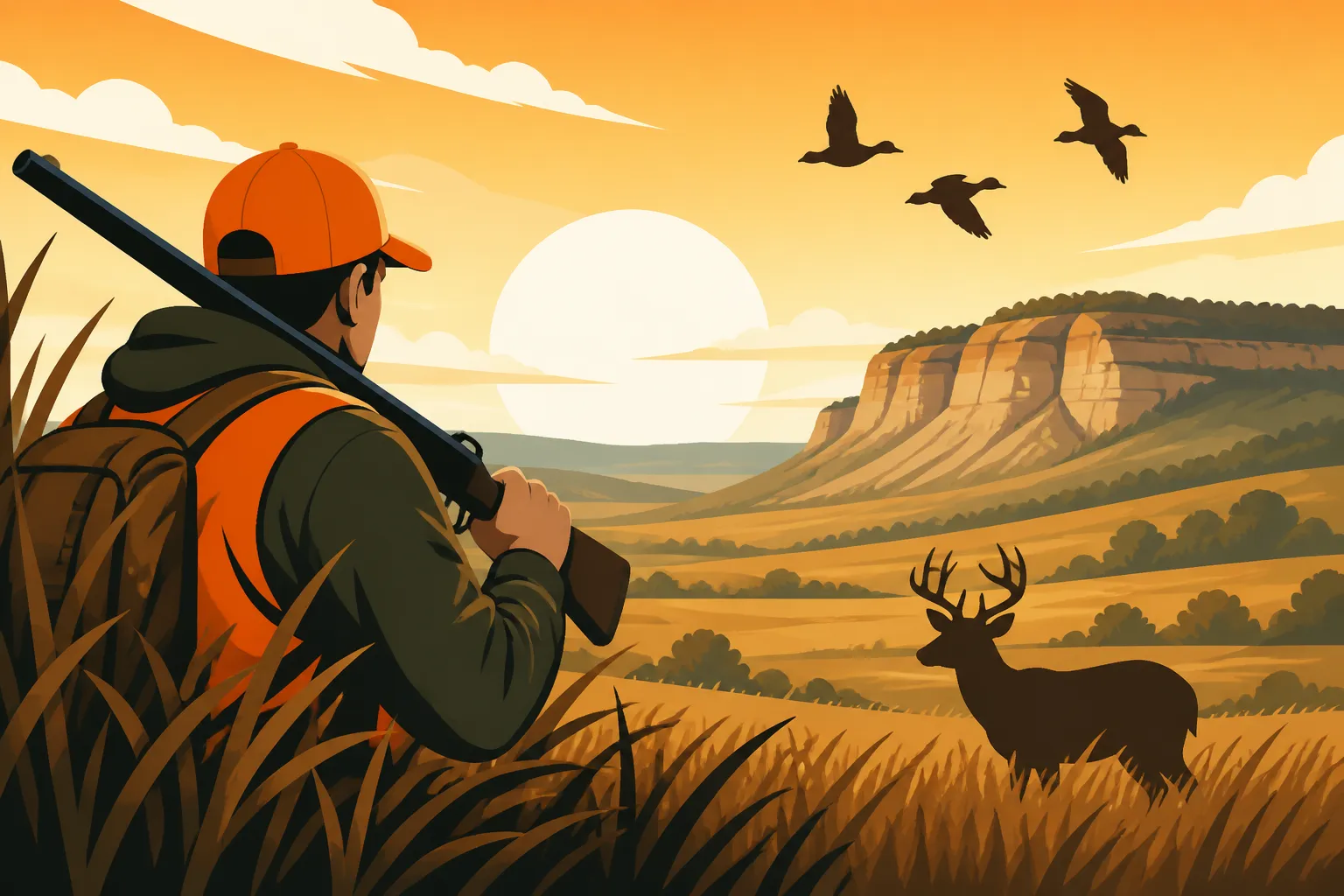
Cedar Bluff Wildlife Area is situated in Trego County, not far from Ogallah, and it surrounds the impressive Cedar Bluff Reservoir. But don't let the "reservoir" part fool you into thinking it's only for duck hunters. While the water certainly plays a significant role, the land surrounding it is incredibly varied. You'll find everything from rugged limestone bluffs—which give the area its name—to deep, timbered creek bottoms that trace their way to the main body of water. These bluffs create dramatic topography, a stark contrast to the often-flat plains, offering unique terrain funnels and bedding areas that whitetails absolutely love. It’s an area where you might be working through dense cedar thickets one moment and then cresting a rocky outcropping to glass open fields the next. This mix of cover, water, and varied terrain is precisely what makes Cedar Bluff so special and productive for a range of game.
Beyond the immediate vicinity of the bluffs and the reservoir, the wildlife area extends into flatter, agricultural country, which often includes managed food plots or crop fields. These areas are vital, especially during the late season when natural food sources dwindle. The sheer size of Cedar Bluff Wildlife Area, encompassing thousands of acres of land and water, means there are always new areas to explore and different habitats to dissect. It's the kind of public land that rewards multiple visits and thorough scouting, allowing you to gradually uncover its secrets and adapt your strategies as you learn the lay of the land.
The Diverse Habitat Mosaic
The true beauty of Cedar Bluff lies in its diverse habitat, which caters to an impressive array of wildlife. You have the dense, often thorny thickets and plum groves that provide phenomenal cover for pheasants and quail. Then there are the towering cottonwood and cedar trees along the river and creek bottoms, creating perfect bedding and travel corridors for whitetail deer. The open grasslands and agricultural fields offer feeding opportunities for deer and excellent upland bird habitat. And, of course, the reservoir itself acts as a magnet for waterfowl during migration.
This mosaic isn't accidental; it's carefully managed by the Kansas Department of Wildlife and Parks (KDWP) to foster healthy populations of game animals. For example, some areas might be intentionally burned or mowed to promote native grasses and forbs, which benefit nesting birds and provide crucial forage for deer. Other spots might feature dedicated food plots, strategically placed to draw game and provide hunting opportunities. When you're Scouting Kansas Walk-In Tracts Before the Opener, or any public land like Cedar Bluff, it's critical to look for these different habitat types and understand how game uses them throughout the year and depending on weather patterns. A good understanding of these varied environments helps you predict animal movement and select the most promising hunting locations, whether you’re chasing a late-season rooster or a rutting buck.
Hunting Opportunities at Cedar Bluff: Targeting Your Game
Cedar Bluff offers something for almost every type of hunter. From the big game enthusiast to the upland bird purist and the avid waterfowler, there's a season and a species waiting to be pursued. Each one requires a slightly different approach, but the underlying principle remains: understand the animal, understand its habitat, and adapt to the conditions.
Whitetail Deer in the River Bottoms and Cedars
Whitetail deer are a major draw to Cedar Bluff. The timbered river and creek bottoms that feed into the reservoir are prime deer habitat, offering excellent cover, food, and water. Bucks will use these draws as travel corridors, especially during the rut, moving between bedding areas in the dense cedars and feeding areas in the adjacent fields. You'll often find mature bucks holding tight in the most impenetrable cedar thickets on the bluffs, using the topography to their advantage to survey the landscape. Best Stand Locations in Flat Farm Country might apply to some of the agricultural edges, but for the timbered bluffs, you're looking for pinch points, saddles, and dense cover near water sources.
Hunting here can be challenging due to the rugged terrain and dense cover, but it also means deer have plenty of places to hide from pressure. During the archery season, focusing on water sources in early September can be productive, especially if temperatures are still warm. As the season progresses into the rut, keying in on those timbered corridors and areas where does congregate becomes crucial. Firearm season often sees hunters focusing on drives in the smaller timber blocks or sitting patiently over food sources as deer move in anticipation of winter. Remember that while Public Land Deer Hunting in Kansas can be competitive, Cedar Bluff's varied terrain can help spread hunters out.
Upland Birds: Pheasants, Quail, and More
Upland bird hunting is another major highlight at Cedar Bluff. Both pheasants and bobwhite quail thrive in the area's mix of grasslands, plum thickets, and agricultural edges. It's a fantastic place to work your dog, or even try Working Pheasant Fields Without a Dog if you're up for the challenge. Pheasants tend to gravitate towards the thicker cover along creek beds, plum thickets, and standing grain fields. Look for areas with a good mix of tall grass and nearby food sources.
Quail, on the other hand, are often found in coveys utilizing plum thickets, fence rows, and brushy draws. These birds are notorious for holding tight, making them a thrilling quarry. Quail Coveys in Plum Thickets are a common sight here, and knowing how to approach these pockets of cover can lead to some fantastic action. The sheer amount of diverse upland habitat means you can often hunt both species in the same general area, moving from a grassy field edge for pheasants to a brushy draw for quail. Always be mindful of other hunters, especially during opening weekend, and ensure you're aware of the current Kansas Upland Bird Season Dates and Limits before heading out.
Waterfowl and Migratory Birds on the Reservoir
As the name suggests, the Cedar Bluff Reservoir is a major draw for waterfowl, particularly during the fall and winter migrations. Ducks and geese utilize the expansive waters for resting and feeding, often venturing into surrounding agricultural fields. Hunting the reservoir can involve boat blinds, wading into shallower areas with layout blinds, or even field hunting in private land adjacent to the wildlife area with permission. The size of the reservoir means scouting is crucial to identify current bird patterns and preferred resting or feeding areas.
Beyond traditional ducks and geese, Cedar Bluff can also offer opportunities for other migratory birds like doves in the early season. Fields with sunflowers or wheat stubble on the wildlife area, or nearby, can attract large numbers of doves, offering fast-paced shooting. Keep an eye on the KDWP regulations for specific zones or restrictions, as waterfowl hunting on large reservoirs can have particular rules regarding boat use, blind placement, and legal shooting hours. Learning to read the wind and knowing how to effectively use decoys is paramount for success, especially if you're trying Decoying Ducks on a Kansas Reservoir.
Predators and Furbearers: An Added Challenge
For those who enjoy year-round hunting or want to add another dimension to their fall and winter pursuits, Cedar Bluff also holds populations of predators and furbearers. Coyotes are prevalent throughout the area, drawn by the abundance of deer, rabbits, and other small game. Calling coyotes in the open country or along the timbered edges can be a thrilling experience. The varied terrain, from open bluffs to dense draws, provides excellent opportunities for setting up for a Coyote Calling in Open Kansas Country stand.
Bobcats and raccoons are also found here, offering furbearer hunting and trapping opportunities, especially in the denser timber and along water sources. Always check the current furbearer season dates and licensing requirements from KDWP, as these can change. Hunting predators can be an excellent way to practice your woodcraft, understand animal behavior, and potentially contribute to deer and upland bird fawn/poult survival by managing predator populations.
Navigating and Maximizing Your Hunt
Hunting Cedar Bluff isn't just about knowing what's there; it's about knowing how to hunt it effectively and ethically. This means understanding access, preparing properly, and always staying informed about regulations.
Access Points and Understanding Public Boundaries
Cedar Bluff Wildlife Area is primarily managed by the KDWP, meaning it's public land open to hunting. However, knowing exactly where those public boundaries lie is absolutely critical. There's nothing worse than accidentally trespassing, so always carry reliable maps. Tools like onX Hunt or GoHunt are invaluable for this, showing clear property lines, access roads, and land ownership overlays right on your phone. You can easily see the official boundaries of the wildlife area and distinguish it from private parcels that might be adjacent.
Access to Cedar Bluff is generally good, with several public roads leading into different sections. Parking areas are usually designated, and it’s always a good idea to use them to avoid blocking gates or private driveways. Some areas might be accessible only by foot, which means a longer hike but often less hunting pressure. Don't be afraid to put in the miles; deer, in particular, will often gravitate to areas that are harder for hunters to reach. Familiarize yourself with all designated entrances and exits, and always ensure you understand any specific regulations about vehicle use within the wildlife area itself.
Essential Gear and Ethical Hunting Practices
Given the varied terrain and species, your gear will need to be adaptable. For deer hunting, this might mean a mobile setup like a climbing stand or saddle for reaching those rugged bluff tops, or a well-brushed ground blind for a more static hunt in open country. Upland bird hunting will require good walking boots, briar-resistant clothing, and plenty of water, especially during early season hunts. Waterfowl hunting necessitates waders, decoys, and appropriate calls.
Regardless of what you're hunting, always prioritize safety and ethical practices. Wear hunter orange during firearm seasons, even if you're bowhunting, to ensure maximum visibility. Be aware of your surroundings, especially if multiple hunters are in the area. Practice good sportsmanship by giving other hunters space and respecting their setups. Pack out everything you pack in, including spent shell casings and trash, to leave the area better than you found it. Responsible hunting ensures that Cedar Bluff remains a productive and enjoyable place for everyone for years to come.
| Game Species | Primary Habitat | Key Challenges | Best Time to Hunt |
|---|---|---|---|
| Whitetail Deer | Timbered creek bottoms, cedar thickets, ag edges | Rugged bluffs, dense cover, pressure | Archery, Rut (Nov), Firearm |
| Pheasant | Grasslands, plum thickets, crop stubble | Finding dense cover, working large areas | Late Fall, Winter |
| Bobwhite Quail | Plum thickets, brushy draws, field edges | Holding tight, flushing unexpectedly | Late Fall, Winter |
| Waterfowl | Reservoir open water, shallow bays, flooded fields | Scouting concentrations, weather dependence | Fall Migration, Winter |
| Coyote | Open fields, timber edges, rocky bluffs | Spotting at distance, calling effectiveness | Year-round |
Planning Your Trip: Scouting and Regulations
Successful hunting at Cedar Bluff, like any large public area, begins long before you set foot in the field. E-scouting with tools like onX Hunt or GoHunt allows you to identify potential bedding areas, travel corridors, water sources, and pinch points from the comfort of your home. Look for subtle changes in topography, variations in vegetation, and areas where different habitat types converge. The satellite imagery can reveal hidden draws, dense cover pockets, or even old farmsteads that attract game. Reading Aerial Imagery for Bedding Cover is a skill that pays dividends here.
Once you have a few promising spots identified, a physical scouting trip can confirm your observations and reveal fresh sign. Look for tracks, rubs, scrapes, and droppings. During the off-season, you can learn a tremendous amount about deer movement, particularly if you're trying to figure out River Oxbows and Deer Movement or Creek Crossings Worth Hanging a Stand On. Finally, before you ever head out with your weapon, make sure you are intimately familiar with all current KDWP regulations for Cedar Bluff Wildlife Area. These rules can sometimes be site-specific, varying from statewide regulations. Always consult the official KDWP hunting atlas or the specific information for the wildlife area to confirm season dates, bag limits, weapon restrictions, and any other pertinent rules. It’s your responsibility to know the law.
Disclaimer
This article is for general informational purposes only and does not constitute professional advice. Laws, prices and regulations vary by location and change over time. Consult a qualified professional for guidance on your specific situation.