When Kansas WIHA Tracts Close
There's nothing quite as deflating as spending hours e-scouting a promising Walk-In Hunting Access (WIHA) tract in Kansas, driving out there with high hopes, only to discover the gates are locked or a "No Hunting" sign has suddenly appeared. It’s a common frustration, and one that often stems from a misunderstanding of how and when these incredibly valuable public-access private lands open and, crucially, when they close. This guide is dedicated to helping you decipher the WIHA program's calendar, so you can plan your hunts with confidence and avoid those disappointing wasted trips.
Understanding the Calendar of Kansas WIHA Access
The Kansas Department of Wildlife, Parks and Tourism (KDWP) Walk-In Hunting Access (WIHA) program is a godsend for hunters seeking ground in a state largely dominated by private land. But it's not a year-round, open-door policy for every tract. Each piece of ground is enrolled through a specific agreement with the landowner, and these agreements dictate precisely when hunting is permitted. Ignoring these dates means you're risking a trespass violation and, frankly, disrespecting the generosity of the landowners who make this program possible. It's vital to remember that "closed" doesn't always mean permanently inaccessible; it often means "closed for this specific season" or "closed until a certain agricultural activity is complete."
General Fall and Winter Season Dates for WIHA
For many hunters, WIHA access during the fall and winter seasons is the primary focus. This is when deer, pheasant, quail, and various waterfowl seasons are in full swing. Generally, most WIHA tracts open in phases. You'll typically find a large number of tracts opening around September 1st, coinciding with dove and early teal seasons, as well as the beginning of archery deer season. These tracts often remain open well into January or even late March, providing access through the bulk of the deer, upland bird, and waterfowl seasons.
However, it's not a blanket rule. Some tracts, particularly those with standing crops like corn or milo, might not open until later in the fall. Imagine a landowner waiting for that last field of grain to dry down and be harvested. Until that combines rolls out, that field, and potentially the surrounding cover, might be off-limits. These later opening dates are clearly marked in the WIHA atlas, and it's essential to consult them. A field that's red in September might turn green (meaning open) in November once the harvest is complete. You might find a tract open for Kansas Pheasant Season Dates but not Kansas Deer Season Dates by Weapon if the agreements vary.
Spring Turkey WIHA Access Windows
Spring turkey hunting is another major draw for WIHA, and the access dates for gobblers are often distinct from the fall/winter agreements. While some fall WIHA tracts might carry over into the spring for turkeys, many are specifically designated for spring turkey season only, or have a separate access period. These spring turkey WIHA tracts usually open a few weeks before the youth turkey season in April and remain accessible through the end of the regular spring turkey season in mid to late May.
It's a completely different rhythm, often centered around the breeding season and the landowner's specific desires for spring activity on their property. Don't assume that a tract you hunted for deer in December will automatically be open for turkeys in April. Always, always check the current WIHA atlas for the spring turkey access dates, as these can vary significantly by individual tract. Getting a Kansas Spring Turkey Permits and Units permit means nothing if you don't have land to hunt.
Special Season Access and Short-Term WIHA
Beyond the general fall/winter and spring turkey windows, there can be specific, often shorter, WIHA access periods tied to certain hunting opportunities. For example, some tracts might only be available for the pre-rut antlerless deer hunts or the extended antlerless seasons in specific units. These are usually much shorter windows, sometimes only a few weeks, designed to address specific wildlife management goals or provide targeted hunting opportunities.
These specialized access dates are less common across the entire WIHA program but are worth noting, especially if you're holding an antlerless-only permit or targeting a specific, shorter season. They underscore the need to scrutinize the dates for every tract you're interested in, as they are not uniform across the state. Every square inch of the map needs a fresh look each season.
Navigating the WIHA Atlas and iWIHA Program for Closing Information
Knowing that WIHA dates vary is one thing; figuring out the exact details for a specific piece of ground is another. Thankfully, KDWP provides excellent resources, but it requires diligent review on your part.
The Printed and Online WIHA Atlas
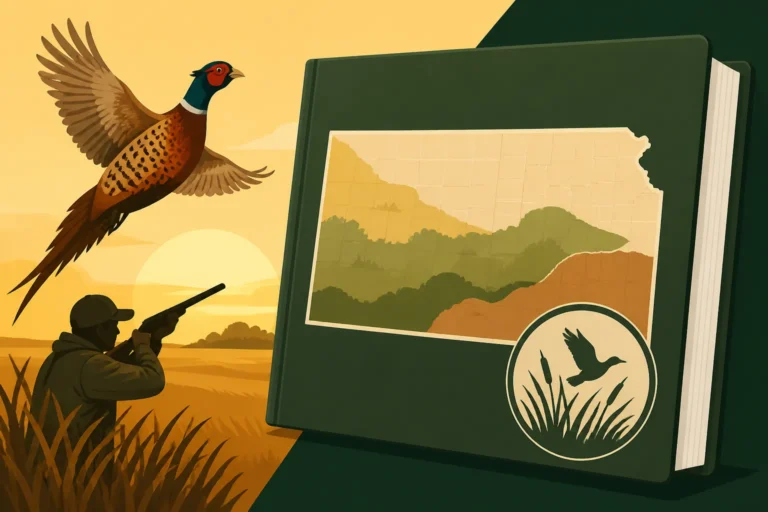
The traditional way to find WIHA information is through the annual WIHA Atlas. This atlas comes in both a physical printed book, which you can often pick up at KDWP offices or certain license vendors, and a highly functional online version. Each tract in the atlas has a specific code and, most importantly, clearly listed open and close dates. These dates are legally binding, so pay close attention.
The online Kansas Online Hunting Atlas is incredibly user-friendly. You can zoom in on specific areas, filter by season (e.g., fall/winter or spring turkey), and click on individual tracts to pull up all their details, including those crucial start and end dates. Many seasoned hunters will use tools like onX Hunt, which often integrates WIHA boundaries and information, to cross-reference with their own scouting. While onX Hunt is fantastic for showing boundaries and potential access points, it’s always wise to confirm the specific dates on the official KDWP online atlas, as that's the ultimate source of truth for When Kansas WIHA Tracts Open in Fall and, more importantly, when they close.
iWIHA and Daily Capacity Considerations
The iWIHA program, a subset of the larger WIHA initiative, adds another layer of complexity to the concept of "closing." iWIHA tracts are typically smaller, high-demand areas that require hunters to check in and out daily via the Go Outdoors Kansas mobile app or website. The crucial difference here is that iWIHA tracts have daily capacity limits.
This means an iWIHA tract can effectively "close" for the day if it reaches its maximum number of hunters, even if the general seasonal dates indicate it should be open. While the seasonal end date still applies, you might be planning to hunt on a specific day within that open window, only to find you can't check in because the tract is full. This is a form of temporary closure, and it's something every hunter needs to be aware of. Tools like the GoHunt app or the KDWP Go Outdoors Kansas platform allow you to see real-time capacity for iWIHA tracts, which is absolutely critical if you're relying on these spots. It's a proactive measure to manage hunting pressure and ensure a quality experience, but it definitely changes how you approach planning for Daily Capacity Limits on iWIHA Tracts.
| WIHA Program Type | Primary "Closing" Mechanism | How to Check | Key Planning Point |
|---|---|---|---|
| Traditional WIHA | Fixed seasonal end dates based on landowner agreement. | KDWP WIHA Atlas (online/print), map layers on apps like onX Hunt. | Check exact end date for each tract; some vary. |
| iWIHA | Fixed seasonal end dates AND daily capacity limits. | KDWP Go Outdoors Kansas platform (app/website), real-time updates on GoHunt. | Always check daily capacity before driving out, even if within seasonal dates. |
| Special Seasons | Short, specific end dates tied to particular hunts (e.g., late antlerless). | KDWP WIHA Atlas, special season regulations. | Cross-reference with your specific permit and season dates. |
Factors That Influence WIHA Closures and Extensions
It's not just arbitrary dates chosen by bureaucrats. The opening and closing dates for WIHA tracts are deeply rooted in practical considerations, primarily centered around agriculture and landowner agreements. Understanding these factors can help you anticipate access and even improve your scouting strategy.
Landowner Agreements and Contracts
At its heart, WIHA is a cooperative program. Landowners voluntarily enroll their property, and in return, they receive financial incentives. The terms of these agreements, including the exact start and end dates for hunting access, are negotiated individually. This is precisely why you see so much variability from one tract to the next. Some landowners might be comfortable with hunters on their property from September through March, while others, perhaps with sensitive livestock or other operations, might only permit access during a shorter window, such as the core November rut for deer or the main upland bird season.
These contracts are often multi-year agreements, but they can be renewed or changed. KDWP works hard to maintain these relationships, as they are the lifeblood of the WIHA program. When a tract closes for good, it's usually because an agreement expired and wasn't renewed, or the landowner had a change in circumstances. This is why Kansas WIHA Acres and Enrollment numbers can fluctuate slightly from year to year.
Crop Harvest and Agricultural Cycles
In Kansas, agriculture is king, and hunting on WIHA ground is inextricably linked to the farming calendar. Standing crops, especially corn and milo, provide incredible cover and food for deer, pheasants, and quail. However, until these crops are harvested, many landowners prefer to keep hunters out. There are practical reasons for this: safety concerns with hunters moving through tall crops where visibility is low, potential damage to unharvested crops, and simply the landowner's desire to focus on their harvest without additional activity on their land.
Because harvest dates are dictated by weather and market conditions, they can shift from year to year. This is a primary reason why some WIHA tracts might have a "delayed" opening date in the fall, waiting until the combine has gone through. Conversely, once crops are out, the landscape changes dramatically, influencing deer movement and upland bird cover, making late-season access over stubble fields a completely different game than early-season hunts. This also applies to pastures and hay fields; a landowner might not want hunters during certain grazing periods or when hay is being cut and baled. Milo and Corn Stubble Deer Patterns are often directly related to when these fields become accessible.
Weather, Land Management, and Emergency Changes
While rare, extreme weather events or specific land management practices can sometimes lead to temporary or unforeseen closures on WIHA tracts. For instance, an unusually wet fall might delay harvest, pushing back a WIHA opening date. Severe drought leading to high fire danger could prompt KDWP to issue temporary restrictions on vehicle access or even hunting in certain areas. Likewise, if a KDWP land manager determines that a specific tract is experiencing excessive pressure or has other ecological concerns, they might adjust access dates or rules.
These types of closures are usually well-communicated by KDWP through their website or local offices, often with as much notice as possible. While not common, it's a reminder that hunters should always check for the latest updates right before heading out, especially if a weather event has recently impacted the region. Always be prepared for the unexpected when relying on public access.
Strategic Planning for Hunting Kansas WIHA Tracts
The variability of WIHA access might seem daunting, but with a strategic approach, you can effectively navigate the system and maximize your hunting opportunities. It's all about proactive research and understanding the dynamic nature of these valuable properties.
Cross-Referencing WIHA Dates with Your Target Species Season
The single most important step in planning a WIHA hunt is to cross-reference the specific tract's open dates with the legal season dates for the species you intend to pursue. Don't assume that because archery deer season opens on September 1st, every WIHA tract is open for deer then. Some might only allow upland bird hunting until later in the fall.
For example, if you're planning an early season bow hunt for deer, you'll need to look for WIHA tracts that open by September 1st and explicitly allow deer hunting. If your focus is Upland Bird Hunting Kansas Grass and Milo Edges later in the season, you might find more options that open after crops are harvested in October or November. This meticulous cross-referencing prevents you from showing up to a property that is technically "open" but not for your intended game, or worse, completely closed for that time of year. Consider what you're hunting and when it's in season before you even look at the WIHA access dates.
Leveraging Digital Tools for Real-Time Updates
In today's hunting world, digital tools are indispensable for managing WIHA information. As mentioned, the KDWP online hunting atlas is your official source. However, apps like onX Hunt and GoHunt can significantly enhance your planning and in-field experience. onX Hunt, for example, overlays WIHA boundaries directly onto detailed satellite imagery and topographic maps, often including the general access dates. This allows you to identify potential bedding areas, travel corridors, and access points within a tract, all while seeing the official boundary.
For iWIHA tracts, the real-time capacity updates available through the Go Outdoors Kansas platform, or often integrated into scouting apps, are non-negotiable. Imagine driving an hour to an iWIHA only to find it's at capacity before you even leave your driveway. Checking the daily capacity before you even put on your boots can save you immense frustration and fuel. These tools transform how you manage access for Kansas Walk-In Hunting Access Explained and are well worth the investment.
The Importance of Pre-Season and Pre-Hunt Scouting
Even with all the digital tools and atlas knowledge in hand, there's no substitute for boots-on-the-ground scouting, especially when it comes to WIHA. A tract might show as "open" for your desired season, but conditions on the ground can vary wildly. Has the landowner recently mowed certain areas? Is the water source you identified on a map dried up? Is there a new fence line that makes access more difficult than it appeared?
A crucial part of your planning should be to Scouting Kansas Walk-In Tracts Before the Opener or at least closer to your hunt date. Drive by the property, look for obvious access points, and observe current crop status. If you're heading to an iWIHA tract, doing this drive-by scouting can help you identify alternative areas if your first choice fills up. Conditions can change rapidly in Kansas, and while the official closing dates are fixed, the effective hunting conditions can close a good spot just as surely as a "No Hunting" sign. This diligence will not only help you find deer but also ensure you're hunting ethically and legally.
Disclaimer
This article is for general informational purposes only and does not constitute professional advice. Laws, prices and regulations vary by location and change over time. Consult a qualified professional for guidance on your specific situation.