Kansas Reservoir Hunting Access
Finding good hunting ground in Kansas can sometimes feel like trying to solve a puzzle, especially when you start looking at the vast expanses around our reservoirs. Many hunters get frustrated staring at maps, wondering where exactly they can legally step foot with a shotgun or bow, and what rules apply on these diverse lands that often seem to blend federal and state control. This guide is here to untangle that complexity, giving you a clear picture of how to access and successfully hunt the public lands surrounding Kansas reservoirs, from the thick timbered creek arms to the sprawling open water and everything in between.
Understanding Public Land Around Kansas Reservoirs
Kansas is home to numerous large reservoirs, many of which were created by the U.S. Army Corps of Engineers (COE) for flood control, water supply, and recreation. These massive bodies of water, and the surrounding buffer lands, offer incredible hunting opportunities for everything from ducks and geese to deer and upland birds. However, the management of these areas can be a bit of a partnership, which sometimes leads to confusion for hunters.
The Role of the Corps of Engineers
When you're looking at a big Kansas lake like Milford, Perry, Tuttle Creek, or Wilson, a significant portion of the land directly bordering the water is likely under the jurisdiction of the U.S. Army Corps of Engineers. The COE's primary mission for these lands often revolves around water management, but they also manage natural resources and recreation. This means they own and control vast amounts of acreage, typically extending some distance from the high-water mark, often encompassing timber, grasslands, and even some agricultural fields.
These Corps lands are generally open to public use, including hunting, but they operate under specific federal regulations as well as state laws. It’s important to remember that while the COE sets the overarching framework, they often partner with state agencies to manage the wildlife and specific recreational activities. This collaboration is what makes hunting these areas so unique and sometimes requires a bit more research than a simple state-owned wildlife area. Think of the COE as the landlord, and the state as the property manager who handles the day-to-day operations and specific hunting seasons.
Kansas Department of Wildlife & Parks Management
While the Corps of Engineers owns much of the land around these reservoirs, the Kansas Department of Wildlife & Parks (KDWP) plays a crucial role in managing the actual hunting opportunities. KDWP often enters into agreements with the COE to lease or cooperatively manage these lands for wildlife conservation and public recreation, creating what are known as State Wildlife Areas. This means that while you might be hunting on federally-owned land, you'll primarily be following KDWP's hunting regulations, season dates, and permit requirements, in addition to any specific rules the COE or the particular wildlife area might have.
These jointly managed areas are a fantastic resource. KDWP actively works to enhance habitat, conduct controlled burns, manage timber stands, and sometimes even plant food plots to benefit various game species. This hands-on management can concentrate wildlife and improve your chances of success. It's truly a win-win: the COE maintains its land, and KDWP gets to expand public hunting opportunities, often incorporating reservoir margins into larger Kansas State Wildlife Areas. Always look for signage at public access points and consult the KDWP hunting atlas for details specific to each reservoir and its associated wildlife area.
Navigating Regulations and Access Points
Hunting around Kansas reservoirs means dealing with a blend of regulations. It's not just about knowing your state seasons; you also need to understand site-specific rules that can vary greatly from one reservoir to the next. Ignorance of these rules can quickly turn a hopeful hunting trip into a frustrating one, or worse, lead to a violation.
General Rules for Reservoir Lands
Across most Corps of Engineers land and KDWP-managed reservoir wildlife areas, you'll find some common themes in the regulations. For example, vehicle access is often restricted to designated roads and parking areas. You usually can't drive off-road onto these properties. This often means hoofing it a fair distance, so be prepared for a hike to reach those secluded spots. Camping might be allowed in designated campgrounds, but often not within the hunting areas themselves, and certainly not overnight at your chosen stand site.
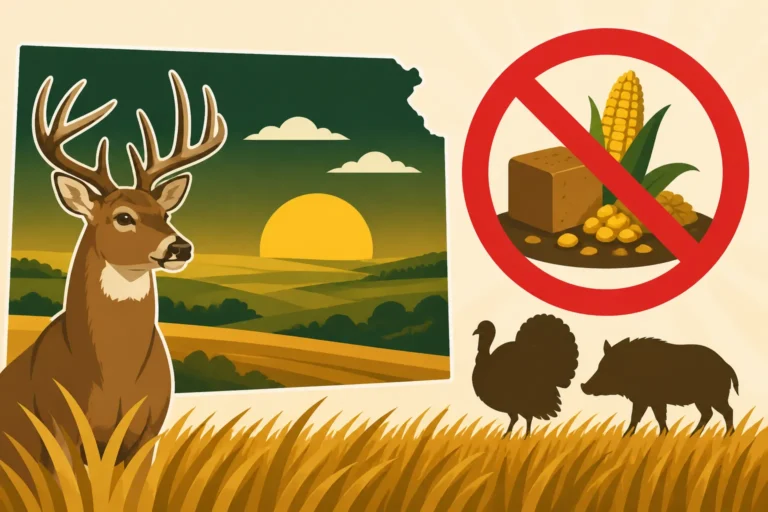
Tree stands are usually permitted, but with strict rules: no screw-in steps, often requiring portable stands that must be removed daily or within a specific timeframe after the season closes. Baiting is almost universally prohibited on public lands, including reservoir properties, so leave the corn and mineral blocks at home. Also, keep an eye out for "safety zones" around recreation areas, campgrounds, and private residences, where hunting might be restricted or prohibited altogether. It's absolutely critical to check the specific regulations for the reservoir and wildlife area you plan to hunt, as some areas have unique rules or special draw hunts.
Using Online Resources for Scouting
In today's world, scouting from your couch is not just possible, it's practically essential for reservoir hunting. The sheer scale of these areas, combined with complex land ownership and varying regulations, means you need good tools. The Kansas Online Hunting Atlas is your starting point. This interactive map shows all public hunting lands, including reservoir properties, and often links directly to specific regulations for each area. It's a goldmine of information, showing boundaries, access points, and sometimes even habitat types.
Beyond the official KDWP atlas, powerful mapping applications like onX Hunt have revolutionized how hunters approach these expansive areas. With onX Hunt, you can instantly see land ownership boundaries, including COE and KDWP managed lands, overlaying topographic maps, aerial imagery, and even identifying potential bedding areas or travel corridors. This is invaluable for finding those overlooked corners that don't get as much pressure. For even deeper dive into western big game or for drawing strategies, resources like GoHunt offer insights, though for pure access mapping, onX Hunt is a go-to for many Kansas hunters. These digital tools allow you to virtually walk the property, identify pinch points, look for Reading a Kansas Creek Bottom for Deer Sign, and plan your access routes before you ever step foot in the field, saving you valuable time and shoe leather.
Common Hunting Opportunities Around Reservoirs
The diverse habitats around Kansas reservoirs create a smorgasbord of hunting opportunities, making them some of the most versatile public hunting grounds in the state. From open water to dense timber, there's usually something for every hunter, depending on the season.
Waterfowl Hunting Strategies
Kansas reservoirs are critical stopovers on the Central Flyway, attracting massive numbers of ducks and geese, especially during the fall migration. This makes them prime locations for waterfowl hunting. Many reservoir areas feature extensive mud flats, shallow water bays, and flooded timber when water levels permit, creating ideal feeding and resting areas for ducks. Setting up a decoy spread, whether from a boat, shore, or a carefully brushed-in layout blind, is a common tactic. You might find success jump shooting smaller ponds or creeks flowing into the reservoir, or pass shooting birds traveling between roosting and feeding areas.
Geese, particularly Canadas and snow geese, also frequent these areas, often staging on the main lake during the day and flying out to feed in nearby agricultural fields. Scouting is paramount for geese; watching their flight patterns and identifying key feeding zones will dictate your setup. Always remember to check specific regulations for waterfowl zones, daily bag limits, and any special permits required. Waterfowl Hunting Kansas Reservoirs and Playas can be an exhilarating experience, but it demands careful planning, from understanding bird behavior to mastering decoy placement and calling.
Deer Hunting in Reservoir Timber and Edges
Whitetail deer thrive in the timbered draws and creek bottom habitats that often surround Kansas reservoirs. These areas offer excellent cover, diverse forage, and often act as natural travel corridors for deer. As the timber tapers down to the water's edge, these transition zones become particularly attractive, providing both security and access to water. You'll often find dense stands of cottonwoods, oaks, and cedars along these waterways, providing bedding areas and rub lines.
Hunters often focus on the fingers of timber that extend into agricultural fields or the main lake, as these can create natural funnels for deer movement. Scouting for fresh sign, understanding wind directions, and knowing when the Kansas Whitetail Hunting Tactics Through the Rut are in full swing are crucial. Mobile hunting with a saddle or lightweight climbing stand can be particularly effective in these areas, allowing you to adapt to changing deer patterns and avoid burning out a static spot. Pay close attention to terrain features and vegetation changes, as these subtle differences can concentrate deer activity, even on seemingly flat ground.
Upland Bird and Small Game Around Reservoirs
Beyond big game and waterfowl, reservoir lands also offer opportunities for upland birds and small game. Many KDWP-managed wildlife areas adjacent to reservoirs feature prime habitat for pheasants and quail, especially in areas with good stands of native grasses, CRP fields, and plum thickets. These areas often receive habitat improvements to benefit these species, making them worth investigating. Walking these edges and cover patches, often with a good bird dog, can yield exciting flushes. Even without a dog, systematically working cover can produce results, as detailed in Working Pheasant Fields Without a Dog or Working Grass Edges Without a Dog.
Small game, such as rabbits and squirrels, are also abundant in the brushy draws and timber blocks. Rabbits love plum thickets and dense briar patches, while squirrels will be found wherever there are nut-bearing trees like oaks and hickories. These hunts can be a great way to introduce new hunters to the sport or just enjoy a relaxing day afield when other seasons are closed or conditions aren't ideal. Always check the specific area regulations, as some wildlife areas might have restrictions on certain types of hunting or may be designated for specific seasons only.
Challenges and Considerations for Reservoir Hunters
While Kansas reservoirs offer incredible hunting opportunities, they also present unique challenges that seasoned hunters learn to navigate. Being prepared for these hurdles can make the difference between a frustrating trip and a successful one.
Dealing with Hunting Pressure
Let's be real: public land around popular Kansas reservoirs can see a lot of hunting pressure, especially on opening weekends or during peak rut. It’s a sad fact, but popular areas get hunted hard. This pressure can push deer into thicker cover, make waterfowl wary, and scatter upland birds. Don't let this discourage you, though. Instead, use it to your advantage. Understanding Hunting Pressure Patterns on Kansas Public Land is key.
One effective strategy is to hunt during weekdays when many people are at work. Another is to go deeper. Most hunters won't venture more than a mile or two from an access point. If you're willing to put in the effort and hike further, you can often find unpressured pockets of habitat. Using mapping tools like onX Hunt or even a good old-fashioned paper map to identify overlooked corners, small isolated timber blocks, or difficult-to-access creek bottoms can pay huge dividends. Sometimes, simply altering your access route to avoid common parking areas can lead you to undisturbed game.
Water Levels and Accessibility
One of the most significant variables when hunting Kansas reservoirs is fluctuating water levels. These lakes are primarily for flood control, which means water levels can change dramatically based on rainfall, sometimes by several feet within days or weeks. This can drastically impact access and habitat. High water can flood out traditional access points, submerge low-lying timber, and make certain areas impassable on foot. Conversely, extremely low water levels can expose vast mud flats, creating long, challenging walks to reach the main water body, or making boat ramps unusable.
For waterfowl hunters, changing water levels are a constant game-changer. What was a perfect decoy spread location one week might be bone dry or too deep the next. For deer hunters, flooded timber can create new pinch points or push deer to higher ground, altering their travel patterns. Always check the current water levels before you head out, often available on the COE's individual reservoir websites. Factor in these changes when planning your hunt and be ready to adapt your strategies on the fly.
Specific Reservoir Examples and Their Nuances
While the general principles apply, each Kansas reservoir has its own unique character and opportunities. For instance, Cheney Wildlife Area Hunting around Cheney Reservoir is well-known for its excellent waterfowl opportunities, particularly for ducks, with expansive shallow water areas and associated wetlands. Access around Cheney can be quite open, allowing for a mix of boat and walk-in hunting.
Further north, Milford Wildlife Area Hunting at Milford Reservoir, the largest lake in Kansas, offers a fantastic blend of waterfowl, deer, and upland bird hunting. Its diverse habitat, including large timber blocks, extensive grasslands, and numerous creek arms, means you could potentially hunt multiple species in the same trip. Milford's sheer size, however, also means you'll need to focus your efforts and be prepared for longer walks to find solitude. Wilson Reservoir Hunting Ground in western Kansas, nestled in the scenic Smoky Hills, is another gem, offering rugged terrain, good deer numbers in the cedar breaks, and solid waterfowl hunting on the lake's open waters, particularly for geese. Each lake demands a bit of specific research to maximize your chances.
Essential Gear for Reservoir Hunting
Hunting around Kansas reservoirs demands versatility in your gear. You'll likely encounter a mix of terrains, weather conditions, and game species. Having the right equipment can significantly enhance your comfort, safety, and success.
Waterfowl Specific Gear
If you're targeting ducks and geese on the reservoir, certain gear is non-negotiable. First and foremost, good waders are a must. Whether you're setting decoys in shallow water, retrieving downed birds, or wading through muddy shoreline, reliable chest waders will keep you dry and comfortable. A sturdy boat, or at least a stable kayak or canoe, can be invaluable for accessing remote areas of the reservoir, especially during high water, or for deploying large decoy spreads. Make sure you have all required safety gear, including life jackets.
Decoys are, of course, critical. A mix of duck and goose decoys, appropriate for the species you're targeting, will help entice birds. Don't skimp on quality calls and practice your calling beforehand; resonant calls can make a huge difference, particularly on pressured birds. A good layout blind or a carefully brushed-in pit blind for field hunting geese, or a boat blind for duck hunting, will help you disappear into the landscape. Finally, weather-appropriate camouflage, often in marsh or timber patterns, and warm, waterproof layers are essential for enduring chilly, damp mornings.
Deer and Upland Gear
For deer hunting around reservoir timber, mobile hunting setups are incredibly effective. A lightweight climbing stick system paired with a quality hang-on stand, or even a hunting saddle, allows you to be flexible and set up quickly wherever fresh sign dictates. This mobility is crucial for adapting to deer movement patterns and avoiding over-pressuring a single spot. Binoculars are essential for scanning timber edges and open fields, helping you identify deer at a distance. A reliable rangefinder is also key for accurate shot placement, especially in varying terrain or across open spaces.
For upland bird hunting, comfortable, durable boots are paramount. You'll be covering a lot of ground, often through dense cover, so ankle support and waterproof construction are vital. A good blaze orange vest or hat is a non-negotiable safety item for upland hunting, ensuring you're visible to other hunters. If you're hunting without a dog, a good game vest or bird bag with ample storage for your birds, water, and shells is invaluable. And regardless of what you're hunting, always carry a reliable mapping device, like onX Hunt, and a headlamp for those early morning walks in or late evening walks out.
| Reservoir Name | Primary Hunting Opportunities | Typical Habitat | Main Challenges |
|---|---|---|---|
| Cheney | Waterfowl, Deer, Upland Birds | Open water, wetlands, CRP, timber | High waterfowl pressure, limited timber for deer |
| Milford | Deer, Waterfowl, Upland Birds | Large timber blocks, grasslands, extensive creek arms | Vast size, varying terrain, distance from parking |
| Wilson | Deer, Waterfowl, Turkey | Cedar breaks, open water, rugged terrain, limited timber | Rough access in some areas, wind can be extreme |
| Perry | Deer, Waterfowl, Turkey, Small Game | Mature timber, river bottom, agricultural fields | Proximity to urban areas, potential high pressure |
| Tuttle Creek | Deer, Waterfowl, Turkey, Upland Birds | River bottom timber, grasslands, agricultural fields | Large crowds, limited vehicle access in certain zones |
Disclaimer
This article is for general informational purposes only and does not constitute professional advice. Laws, prices and regulations vary by location and change over time. Consult a qualified professional for guidance on your specific situation.