Milo and Corn Stubble Deer Patterns
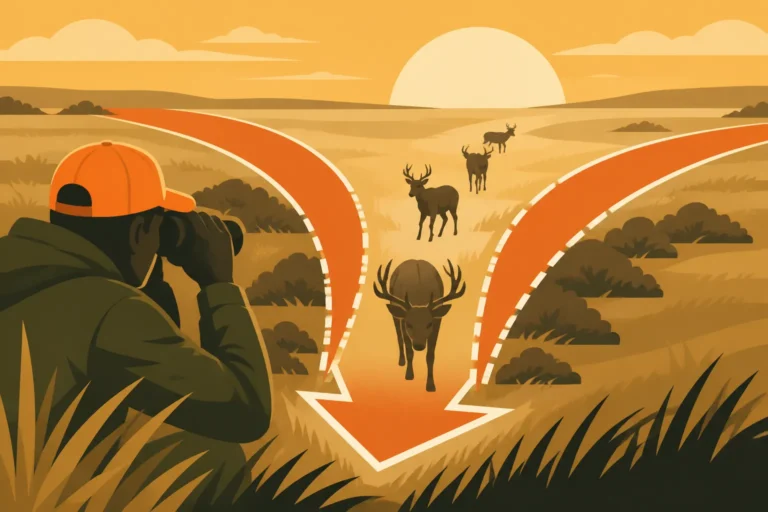
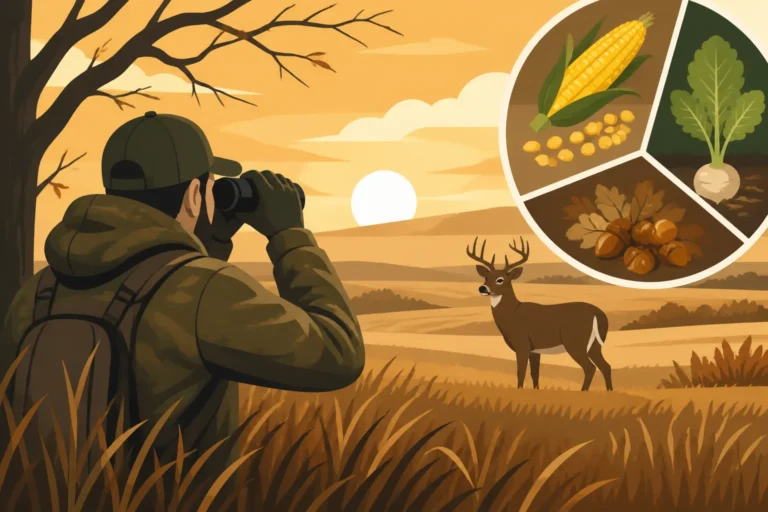
That moment when the combine rolls through, stripping away the tall corn and milo, can feel like a punch to the gut for a deer hunter. One day you've got invisible deer moving through a forest of crops, and the next, it's a wide-open expanse where every whitetail seems to have vanished into thin air. But here's the thing: those deer didn't disappear. They simply shifted their patterns, and understanding how they use milo and corn stubble fields is absolutely key to staying successful in the Kansas deer woods, especially as the season progresses. This guide will walk you through deciphering those post-harvest deer movements.
The Post-Harvest Shift: Why Deer Change Their Ways
When the combines start running, it's not just a change for farmers; it's a seismic shift in the deer world. What was once a secure, food-rich sanctuary transforms almost overnight, forcing whitetails to completely reassess their daily routines. If you've ever scouted a standing crop field only to find it barren the day after harvest, you know this frustration firsthand.
Loss of Cover and Security
Imagine living in a dense, multi-story apartment building with plenty of hiding spots and easy access to all your meals, and then one morning you wake up to find all the walls and ceilings gone. That's essentially what happens to a deer when a standing corn or milo field is cut. These towering crops provide unparalleled visual and physical security for deer. They can move, feed, and even bed down within the rows, feeling largely invisible to predators, including us hunters.
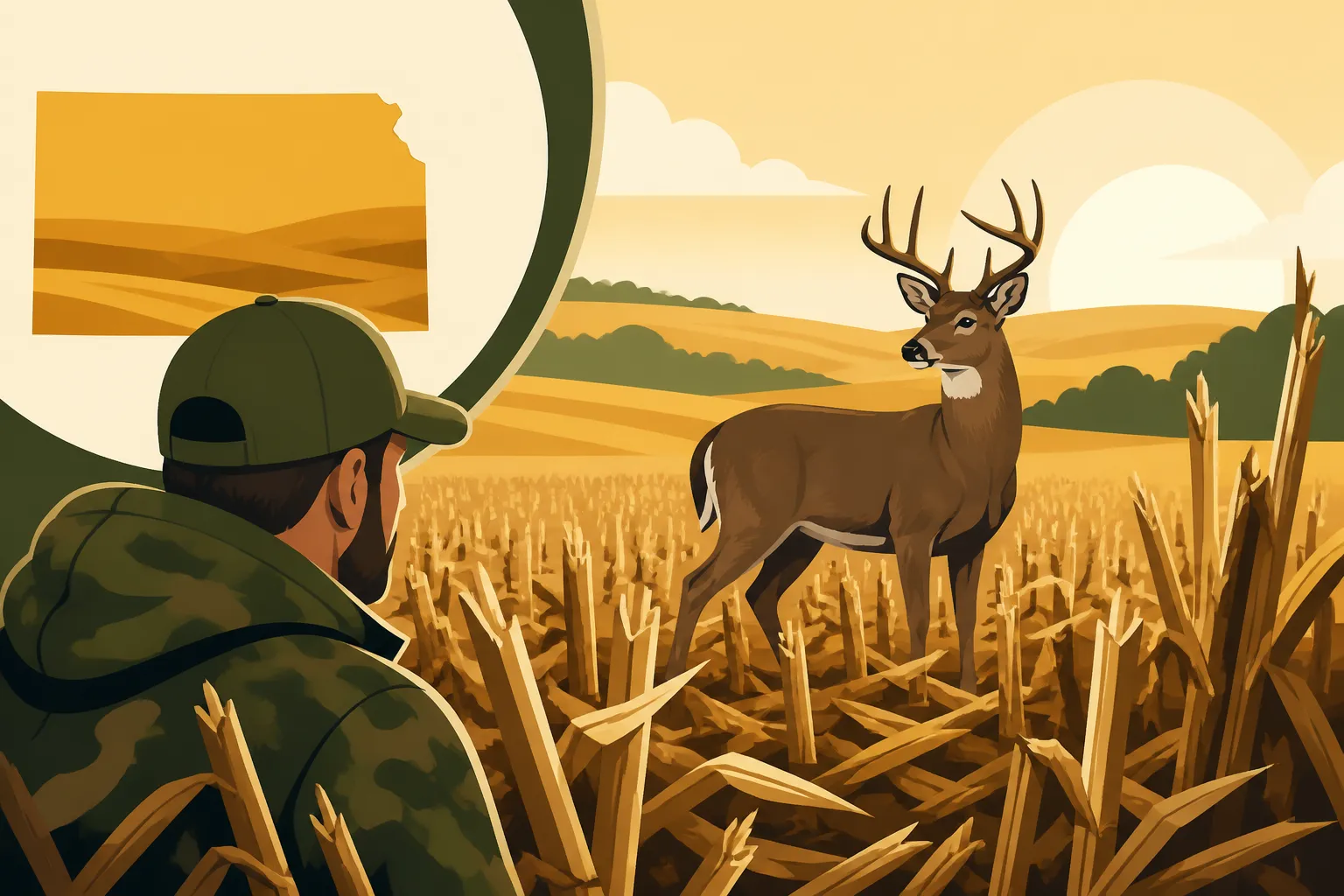
Once that cover is removed, the deer instantly feel exposed. A mature buck, previously hidden in a sea of green or gold stalks, now finds himself in a relatively flat, open landscape. This sudden vulnerability makes them incredibly skittish and prone to becoming largely nocturnal in these exposed areas. You might have been watching a trail cam picture of a beautiful buck consistently hitting a standing cornfield in daylight, only for him to completely disappear from those same fields once the crop is gone. It's not magic; it's a primal instinct for survival kicking in. They'll adjust by moving to the nearest available dense cover like CRP grass, timber, or thick creek bottoms, and only venture into the exposed stubble during low-light conditions, or when they feel exceptionally secure due to distance from human activity.
Reduced Food Abundance, but Not Absence
While the primary food source is gone – no more readily available full ears of corn or heavy milo heads – the stubble fields are far from a barren wasteland. Think of it less as a buffet line and more as a scavenger hunt. Combines, even the most efficient ones, aren't perfect. They inevitably drop a significant amount of grain during harvest. This residual grain, whether it's stray corn kernels or shattered milo seeds, becomes an immediate draw for deer, especially in the days and weeks following the harvest.
The key difference here is the effort involved. Deer can't just casually browse; they have to actively search for these dropped morsels. This changes their feeding behavior from a relaxed graze to a more methodical, head-down gleaning process. They'll often walk slowly down rows, sweeping their noses side to side to pick up whatever sustenance they can find. This "cleanup crew" phase is incredibly important, particularly in areas where other preferred food sources might be limited or already heavily pressured. It's a critical, often overlooked, food source that can keep deer in the general vicinity of these fields, even if they aren't spending all day in them anymore.
Deciphering Deer Movement in Milo Stubble
Milo, also known as grain sorghum, is a staple crop across much of Kansas, especially in the western and central parts of the state. When these fields are harvested, they create a unique environment that deer often use differently than corn stubble. Understanding these nuances can be the difference between a productive hunt and a frustrating one.
Residual Grain Attraction and Foraging Behavior
One of the biggest draws of a milo stubble field is the sheer amount of residual grain left behind. Milo heads are often more prone to shattering and dropping kernels than corn ears, meaning there's usually a more significant scattering of food on the ground after the combine has passed. This makes milo stubble incredibly appealing to deer, and they will spend considerable time systematically working these fields.
Deer often move slowly and deliberately through milo stubble, especially during low light, methodically picking up individual seeds. You'll frequently see distinct trails where deer have walked parallel to the cut rows, their heads down, searching for every last dropped kernel. This behavior is amplified after a rain, which can wash some of the lighter soil away, exposing more seeds, or after a light snowmelt that reveals the dark kernels against the white. Knowing this, you can often pinpoint specific areas of a large milo field that might hold higher concentrations of grain, such as low spots or areas where the combine might have had issues. Using satellite imagery or tools like GoHunt can help you identify milo fields in your hunting unit, and then you can confirm on the ground if they've been harvested and how much residual grain might be present. This methodical foraging means deer spend more time in the field, increasing your chances if you can figure out their entry and exit points.
Stubble as Reluctant Cover and Travel Lanes
While milo stubble doesn't offer the towering concealment of standing corn, it still provides a surprising amount of visual break, especially if the milo was a taller variety or if there's significant plant residue left. For a deer, even a slight break in the horizon can make them feel a little more secure than standing in a completely barren landscape. They'll use the taller stubble in certain areas – perhaps a low-lying ditch within the field, or along an un-mowed fence line or grass waterway – as temporary visual cover as they move.
These stubble fields also act as natural travel lanes, especially when bordering more substantial cover. Deer often prefer to move through the stubble rather than dense grass or brush because it's easier and quieter. Look for where these fields meet timber points, shelterbelts, or CRP fields. These junctions are prime spots for deer to transition from their bedding areas into the feeding opportunities presented by the milo stubble. In open country, even a slight depression or a drainage area within a large milo field can be enough for a deer to feel comfortable enough to cross during daylight, especially if it leads to better cover or water. These aren't primary bedding spots in the stubble itself, but rather routes they feel comfortable using to get to and from true bedding and feeding areas.
Understanding Deer in Corn Stubble Fields
Corn stubble fields present a different set of challenges and opportunities compared to milo. While both are post-harvest environments, the nature of the crop and its residue influences how deer interact with them. Many hunters mistakenly write off corn stubble too quickly, but that can be a big mistake.
Less Obvious Food, More Strategic Foraging
Generally, corn combines are designed to be more efficient at stripping ears, leaving less whole grain behind compared to milo. However, "less" doesn't mean "none." There are always shattered kernels, dropped ears, and overlooked sections. Deer are incredibly adept at finding these leftover morsels. Their foraging in corn stubble often appears more sporadic and less concentrated than in milo, as they're truly searching for scattered pieces rather than working a consistent supply.
This means deer might spend less continuous time feeding in a corn stubble field purely for sustenance, but they will still visit them, especially if they are moving between bedding areas and other food sources. The key is that these visits might be shorter and more focused on specific "hotspots" of dropped grain. These hotspots could be around old equipment tracks, where the combine might have kicked up more kernels, or in areas of lodging where corn stalks fell over before harvest. You'll need to do more legwork on the ground to identify these specific areas, looking for concentrated tracks and droppings rather than expecting a widespread pattern. Don't overlook these fields, particularly if they are part of a larger travel corridor.
Thermal Cover and Wind Breaks
One often-underestimated aspect of corn stubble is its potential for providing thermal cover and acting as a windbreak, especially in the colder months of late season hunting. While the standing stalks are gone, the remaining stubble, particularly in fields with heavy residue or where the corn was cut higher, can create a noticeable microclimate at ground level. This is especially true on a cold, blustery Kansas day.
Deer, being incredibly efficient at conserving energy, will seek out any advantage against the elements. A corn stubble field bordering a timber edge or a brushy creek bottom can become a preferred bedding or loafing area during bitter winds. The stubble breaks the wind just enough to make a significant difference in comfort for a bedded deer. They might bed down in a protected corner of a corn stubble field, especially one that catches the sun and is shielded from the prevailing wind. On a particularly frigid morning, you might find deer bedded down in what looks like open stubble, but they're actually tucked into a slight depression or behind a clump of residue that offers just enough protection. Scouting these specific areas for signs of bedding will be crucial; look for flattened spots in the stubble, especially in areas with slight elevation changes or closer to a tree line.
Key Factors Influencing Stubble Field Use
Understanding the general principles of how deer use milo and corn stubble is just the beginning. To truly unlock their patterns, you need to consider the external factors that dictate when and how intensely they utilize these fields. It's rarely just about the stubble itself; it's about its place in the larger deer habitat puzzle.
Proximity to Bedding and Other Resources
Stubble fields, no matter how much residual grain they hold, are rarely standalone attractions. Deer are always weighing risk versus reward. An open stubble field that's miles from any substantial cover or water source will see significantly less daylight activity than one that borders a dense timber block, a thick CRP field, or a reliable water source. The closer the security cover, the more comfortable deer will be venturing into the stubble, especially during legal shooting hours.
Consider a large milo stubble field that abuts a thick creek bottom where deer are known to bed. That field will likely see heavy traffic at dawn and dusk as deer move between their beds and the available food. Similarly, a corn stubble field with a nearby pond or river will draw deer looking for water, offering a convenient stop for a snack on their way. When you're scouting, always look at the surrounding landscape. How far is the nearest dense timber? Are there shelterbelts or timber points that deer can use for quick escape? Are there natural funnels leading into or out of the stubble? An article like Shelterbelts and Timber Points in Kansas Farm Country can really help you identify these crucial connecting pieces of habitat. Deer will take the path of least resistance and greatest security, so the stubble field needs to offer more than just food; it needs to be part of a safe travel corridor.
Weather Conditions and Their Impact
Weather is a game-changer for deer patterns, and stubble fields are no exception. What might be a prime feeding spot one day can be completely abandoned the next, all due to changes in temperature, wind, and precipitation. Being able to read the forecast and anticipate these shifts is a hallmark of a seasoned Kansas hunter.
- Snow Cover: A fresh blanket of snow can initially make residual grains harder to find, but as the snow settles or begins to melt, the dark kernels can become much more visible against the white background. This can suddenly turn a "cold" stubble field into a hot feeding destination. Deep, crusty snow, however, can make travel difficult and push deer to easier-to-access food or heavier cover.
- Cold, Windy Days: Extreme cold, especially combined with strong winds, will drive deer into the thickest cover available to escape the chill. On such days, a wide-open stubble field is less appealing unless it's nestled against a dense windbreak. However, as mentioned with corn stubble, a field with high residue or a low spot might offer enough protection to be attractive for bedding.
- Rain: A good rain can wash away some of the dirt covering dropped seeds, making them more accessible. However, heavy, prolonged rain can make moving through fields muddy and unpleasant, potentially pushing deer to higher, drier ground or more sheltered feeding spots like acorns in the timber.
- Warm Weather: In early fall or during warm spells in winter, deer are less concerned with thermal cover and might use stubble fields more consistently during daylight, especially if the residual grain is plentiful. However, in Kansas, warm weather also means ticks and chiggers are still active, and deer might avoid areas with heavy vegetation.
Always keep an eye on the forecast and adjust your hunting plans accordingly. What worked last week might not work today if the weather has drastically shifted.
Scouting and Hunting Strategies for Stubble
Successfully hunting deer in milo and corn stubble fields isn't just about knowing they're there; it's about actively finding out how they're using them and then setting up strategically. This involves a blend of modern tools and old-fashioned boots-on-the-ground effort.
E-Scouting and On-the-Ground Reconnaissance
Before you even step foot in the field, start your homework with e-scouting. Tools like GoHunt or other satellite imagery apps are invaluable. They allow you to look at large areas from the comfort of your home, identifying fields that have been harvested, their proximity to known bedding areas, and potential travel corridors. Look for patterns in crop rotations – some fields might consistently be planted in corn or milo, making them annual hot spots. You can pinpoint specific features like drainage ditches, fence lines, or even isolated clumps of brush within a large field that might attract deer. An article like E-Scouting Kansas Farm Country From Home can provide a deeper dive into these initial planning steps.
However, e-scouting only gets you so far. Nothing replaces putting boots on the ground. Once you've identified potential stubble fields, go walk them. Look for fresh deer tracks in the soil between the stubble rows, especially near field edges, pinch points, or where the field narrows. Pay close attention to concentrations of deer scat, which can indicate heavy feeding activity. Look for "rubbed out" areas in the stubble where deer have pushed through or bedded down. Even though the crop is gone, there might still be rubs or scrapes along the remaining field edges or in adjacent cover. The freshness of these signs will tell you if deer are currently using the area. Don't be afraid to walk straight into the fields, especially during midday, to see how the deer are really using the interior.
Stand Placement and Access Routes
Once you've identified how deer are using a stubble field, the next challenge is placing your stand or blind effectively and getting to it without alerting every deer in the county. In open stubble country, deer can spot you from a long way off, and your access route becomes paramount.
Think about the prevailing wind direction. In Kansas, the wind can be notoriously shifty, but having a general idea of common wind patterns for your area and time of year is essential. You want your scent to blow away from where deer are likely to approach or feed. Setting up on an edge where the stubble meets timber or thick cover is often a good bet, as deer will use these transition zones. Look for pinch points – areas where the stubble field narrows or is funneled by a creek or a small timber finger – as these can concentrate deer movement. An article on Hunting Terrain Funnels in Flat Country can give you great ideas here.
For access, prioritize routes that keep you out of sight and downwind. This might mean walking a long way around, using a creek bed, or moving along a fence line under the cover of darkness. Avoid walking directly through the stubble field during prime hunting hours, as this will almost certainly bump deer. If you're on public land, remember that other hunters might be thinking the same thing, so having a well-thought-out access plan is key. Check out Access Routes That Do Not Bump Deer for more detailed strategies on this critical aspect of hunting.
Hunting Pressure and Timing
Deer are incredibly sensitive to hunting pressure, and this is especially true in open stubble fields where they feel exposed. If a particular stubble field is getting hammered by hunters, deer will quickly become nocturnal or abandon it altogether for safer havens. This is where understanding Hunting Pressure Patterns on Kansas Public Land becomes invaluable.
Your best bet for encountering deer in stubble fields during daylight is often during low-light conditions – the first hour or two after sunrise and the last hour or two before sunset. This is when they are most comfortable venturing out to feed before retreating to thicker cover. Midday can sometimes be productive if the weather is especially cold and they need to feed, or if the field offers excellent thermal cover. Weekday hunts are often more productive than weekends, particularly on public land, because there's generally less human disturbance. Don't underestimate the impact of even a single vehicle driving past a field; deer are constantly aware of their surroundings. Being patient and picking your days, focusing on times of reduced pressure, will significantly increase your odds. An article about Weekday Versus Weekend Public Land further emphasizes this point.
Specialized Tactics for Stubble Field Success
Hunting stubble fields often requires a slightly different approach than hunting dense timber or CRP. Because of the open nature of the landscape, you need tactics that minimize your profile, capitalize on deer behavior, and leverage specific conditions.
Ground Blind Advantage in Open Country
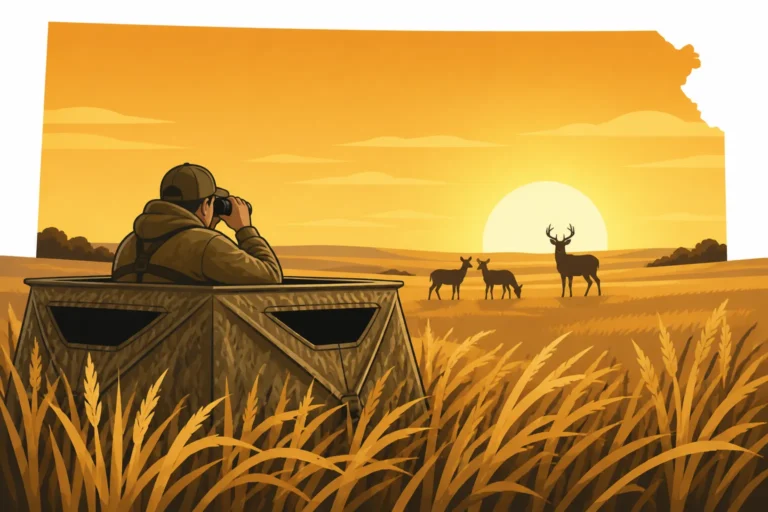
When hunting open stubble fields, an elevated treestand might feel too exposed, and finding a suitable tree might be impossible. This is where a well-placed ground blind really shines. A pop-up ground blind, brushed in with natural vegetation from the area, can provide excellent concealment and allow for more movement inside without spooking deer. The key is setting it up well in advance of your hunt, if possible, to allow deer to get used to its presence.
When brushing in your ground blind, make it look as natural as possible. Use cornstalks, milo stalks, tumbleweeds, or whatever natural debris is available. Make sure to break up the hard edges of the blind. Place it along a fence line, in a slight depression, or where the stubble meets a brushy edge. You want to blend into the existing landscape, not stick out like a sore thumb. An in-depth guide like Ground Blind Brushing In offers fantastic tips for making your blind disappear. The ability to sit comfortably and discreetly for extended periods is a huge advantage when waiting for deer to commit to an open feeding area.
Decoying and Calling Strategies
In the wide-open expanse of a Kansas stubble field, decoys and calling can be incredibly effective tools to draw in curious deer. A single doe decoy, strategically placed, can act as a visual magnet for both bucks and other does, especially during the rut and pre-rut. Deer often feel more comfortable approaching another deer already out in the open.
Place your decoy in a visible spot, but not directly in the path of where you expect deer to approach. Aim for a quartering-away shot angle from your stand or blind. Always consider the wind direction when placing your decoy; you want your scent to blow away from it, not towards it. For more on decoy placement and wind, check out Decoy Placement and Wind Direction. As for calling, subtle grunts and doe bleats can pique a deer's curiosity. During the pre-rut, a snort-wheeze can challenge a cruising buck to come investigate. However, in open country, less is often more. You don't want to over-call and alert deer to your presence. These tactics are particularly potent when used in conjunction with a good understanding of Decoying a Kansas Whitetail Buck.
Late-Season Potential
As the hunting season progresses into late November, December, and even January, the significance of milo and corn stubble fields can dramatically increase. By this point, many natural food sources are depleted, acorns are gone, and other crops like soybeans might be picked over. The residual grain in stubble fields, particularly milo, becomes an even more critical, high-energy food source for deer trying to pack on calories to survive the harsh Kansas winter. An article on Late-Season Food Source Hunting will reiterate just how important these remnants can be.
This is especially true when it comes to standing corn late in the season. If a farmer leaves a portion of corn standing, or you find a patch that wasn't harvested, it becomes a deer magnet, offering both food and cover. However, even cut stubble fields offer a vital food source. On bitter cold days, deer will often hit these stubble fields in the afternoon, seeking out the remaining calories. Look for fields that are still holding significant residue, or those that have been lightly snow-covered and then melted, exposing more grain. The combination of cold temperatures and dwindling food supply can make deer much more willing to brave the open stubble during daylight hours, making it a prime opportunity for late-season success.
| Feature | Milo Stubble | Corn Stubble |
|---|---|---|
| Residual Grain | Often higher volume, more scattered kernels | Generally lower volume, more individual kernels/dropped ears |
| Foraging Behavior | Methodical, head-down gleaning along rows | More sporadic search, targeting specific hotspots |
| Cover Potential | Moderate visual break, especially in taller stubble | Good thermal/windbreak cover, especially heavy residue |
| Primary Draw | Consistent food source post-harvest | Food source, thermal cover, travel lane |
| Weather Impact | Good after rain/light snow exposing seeds | Useful for thermal protection on cold, windy days |
| Activity Level | High activity, especially low light for feeding | Variable, often tied to thermal needs or transit |
| Scouting Focus | Concentrated tracks, widespread scat | Specific areas of dropped ears, bedding sign |
Disclaimer
Hunting is an inherently dangerous activity. Always prioritize safety, follow all local and state regulations, and obtain appropriate licenses and permits before heading into the field. The information provided in this guide is for informational purposes only and should not replace proper hunter education or professional guidance. Laws and conditions can change, so always check with the Kansas Department of Wildlife, Parks and Tourism for the most current regulations.