Hanging Stands on Public Land Without Getting Burned
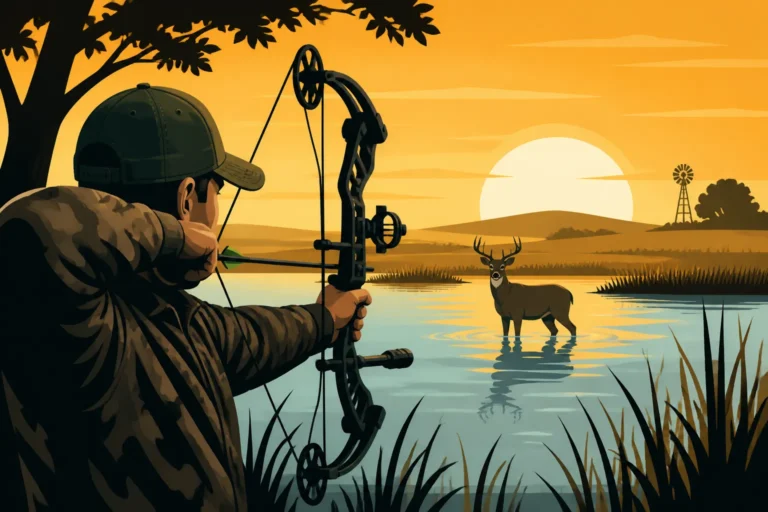
The sting of finding your hard-earned treestand gone, or worse, vandalized, on public hunting land is a feeling no hunter wants to experience. It’s a gut punch that questions your judgment, drains your wallet, and makes you wonder if public land hunting is even worth the effort. But don't despair; while there's no foolproof way to guarantee security, there are tried-and-true strategies and considerations that can significantly reduce your risk and help you effectively hunt those shared spaces without getting "burned."
Understanding the Unique Challenges of Public Land Stands
Hunting on public land comes with a different set of rules and expectations than private ground. When you're sharing the woods with countless other hunters, the dynamics of stand placement and security shift dramatically. It's not just about finding the perfect deer sign anymore; it's about finding it, securing it, and keeping it secret.
The Fear of Theft and Vandalism
Let's be honest, this is the elephant in the room for anyone considering leaving a stand out on public ground. The thought of investing hundreds of dollars in a quality stand, carefully hauling it into a remote spot, and then having it disappear or get trashed is enough to make many hunters stick to ground blinds or go strictly mobile. It's a real and valid concern. Public access means public eyes, and unfortunately, not everyone out there shares the same level of respect for others' property or the ethics of hunting. You might think your spot is so deep in, no one will find it, but a determined individual with bad intentions often finds a way. This constant worry can take away from the enjoyment of the hunt itself, making you constantly look over your shoulder instead of focusing on the deer.
Navigating Regulations and Restrictions
Kansas public lands, whether they're Walk-In Hunting Access (WIHA) tracts, State Wildlife Areas, or Corps of Engineers land, all come with their own rulebooks. And these rules often dictate what kind of stands you can use, how long they can stay up, and even how they can be attached to trees. For instance, Portable Stand Rules on Kansas Public Land often specify that screw-in steps or permanent attachments are a no-go, leaving hunters with strap-on steps or climbing sticks. Similarly, there are often strict guidelines about Overnight Stand Storage on Public Ground. Ignoring these rules, even unknowingly, can lead to fines, confiscation of your equipment, or worse, losing your hunting privileges. It's not just about protecting your stand from other people; it's about protecting yourself from potential legal trouble. Every season, stories circulate about hunters losing gear because they didn't check the latest regulations, turning a successful hunt into a costly headache.
Dealing with Other Hunters
Public land is, by its very nature, a shared resource. This means you're going to encounter other hunters. Sometimes these encounters are friendly and respectful, but other times, they can be a source of frustration. Imagine carefully Hanging Stands on Public Land Without Getting Burned only to find another hunter set up 50 yards away. Or, perhaps you arrive at your stand before dawn, only to see flashlights bobbing in the distance, heading straight for your tree. This competition for prime real estate is a constant factor. Deer patterns can be completely thrown off by unexpected pressure, and even if your stand isn't stolen, it might become unusable if other hunters are constantly bumping deer in the vicinity. Understanding Hunting Pressure Patterns on Kansas Public Land is crucial for stand placement, not just for deer movement, but for avoiding confrontation and ensuring a peaceful hunt.
Strategic Stand Placement for Public Land Success
Alright, now that we've acknowledged the harsh realities, let's talk strategy. If you're going to put up a stand on public ground, you need to be smarter, more diligent, and more secretive than ever before. It's about out-thinking both the deer and, unfortunately, potential human interference.
E-Scouting and Ground Truthing for Seclusion
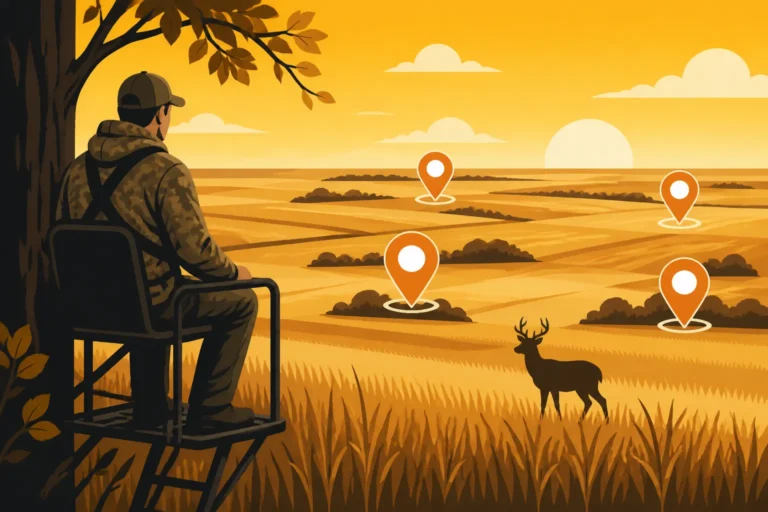
Your computer screen is your first and often best friend when it comes to finding public land spots that offer a degree of seclusion. Tools like the GoHunt app or the Kansas Wildlife, Parks, and Tourism (KDWP) interactive maps are invaluable. You can spend hours E-Scouting Kansas Farm Country From Home, looking for those overlooked pockets, those odd corners that might deter other hunters. Search for thick cover, hard-to-reach areas, or places that require a significant hike. Look for subtle terrain features that act as natural barriers, like deep creek bottoms or areas separated by open fields that few people would bother crossing.
Once you've identified potential spots on the map, it's time for ground truthing. This is where the rubber meets the road. You need to physically walk those areas, ideally during the off-season or a non-hunting period, to verify what you saw online. Check for access points, existing trails (both deer and human), and signs of previous hunting pressure. Sometimes a spot that looks perfectly remote on a map is right next to a well-used walking path. Other times, you'll discover a hidden gem – a thicket nobody else has bothered to penetrate, or a natural pinch point that funnels deer right past a perfect tree. The goal isn't just to find deer sign, but to find deer sign in a place where most other hunters won't go, or can't easily access.
Identifying High-Traffic Deer Funnels and Bedding
Even on public land, deer follow predictable patterns, especially during the rut. Your mission is to find those patterns in low-pressure areas. Look for natural Terrain Funnels That Work Without Hills in flat Kansas country, like timber edges, creek drainages, or even subtle rises in topography that deer prefer to travel. These are often the same funnels that hunters target on private land, but on public, the key is finding secluded funnels.
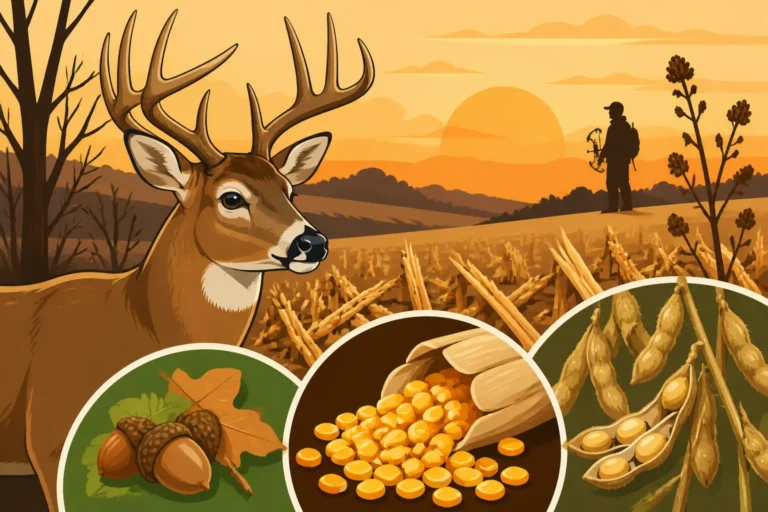
River bottoms and creek draws are often overlooked or under-hunted in places like Kansas because they can be tough to navigate. But these can be goldmines for deer movement. Learning Scouting Kansas River Bottoms and Creek Draws will help you identify natural travel corridors and bedding areas that provide both food and cover. A bend in a creek, a narrow strip of timber connecting two larger woodlots, or a fence crossing used daily by deer can all be prime locations. Remember to focus on the transitions between different habitat types – where thick cover meets a food source, or where a bedding area provides safe harbor. Bucks, especially mature ones, will often skirt the edges of heavy cover, using it as a shield while still being able to check for does or scent-check fields.
Adapting to Changing Conditions and Pressure
Deer behavior on public land is incredibly fluid. A spot that was hot on opening day might be a ghost town after a few days of hunting pressure. This is where flexibility becomes your greatest asset. You can't just hang a stand and hope for the best; you need to be prepared to move or adjust. For example, if you notice deer shifting their patterns due to heavy pressure, they might start using less obvious Access Routes That Do Not Bump Deer or move into thicker, nastier cover.
Keep a close eye on weather patterns, too. A sudden cold snap in December might drive deer to specific late-season food sources. If your current stand isn't producing, don't be afraid to pull it and relocate to where the deer are. This might mean having a few "backup" spots already scouted, or even embracing a more mobile hunting style. The ability to react to pressure and changing conditions is paramount on public ground, turning a potential bust into a success story.
Choosing the Right Stand and Setup for Discretion
If you're committed to leaving a stand out, you need to choose your equipment wisely and set it up in a way that minimizes its visibility and accessibility to others. This isn't just about deer; it's about discouraging human interaction.
Lightweight and Portable Options
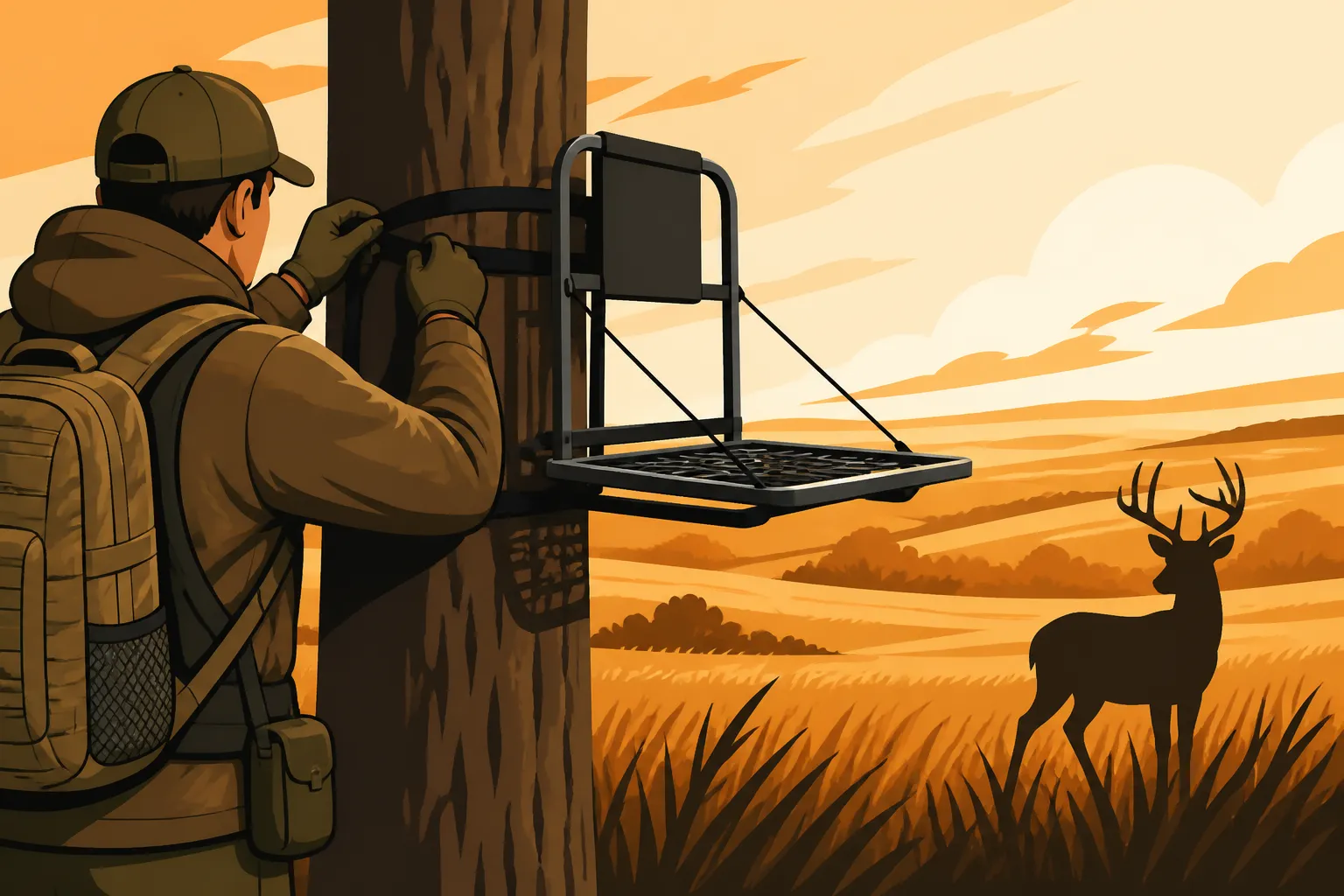
If you absolutely must leave a stand out on public land, consider investing in lighter, less conspicuous stands. While a big, comfy ladder stand might be great for private land, it's a giant billboard on public ground. Think about compact hang-on stands that are easy to carry in and out, and don't stand out too much against the tree. If you're going to remove your stand after each hunt, the lighter, the better. This is where options like the Mobile Hunting With a Saddle in Kansas setup truly shine, as you take everything with you, leaving no trace.
When selecting a hang-on, look for models that are easy to install quietly and efficiently. Consider the weight of your climbing sticks as well. Lightweight aluminum sticks or even ropes and aiders can make a significant difference when you're packing in deep. The less effort it takes to get your stand in and out, the more likely you are to do it, which is the best security measure of all. Brands like Lone Wolf, Summit, and Millennium all offer excellent lightweight options that are durable enough to handle repeated setups and takedowns.
Blending Your Setup into the Environment
Once you've chosen your stand, the goal is to make it disappear. This means selecting a tree that offers natural camouflage. A multi-trunked tree, a tree with heavy vine growth, or one nestled amongst a thicket of smaller trees can help break up the outline of your stand. Don't pick the lone, perfect oak in a sea of saplings. Think about the background – will your stand silhouette against the sky? Can it be seen from common access points or other hunting trails?
Use natural materials to brush in your stand and climbing sticks. Dead branches, tall grasses, and even cornstalks if you're hunting near agricultural fields can help conceal your setup. Paint your climbing sticks with drab, non-reflective colors or use camouflage tape. Even simple things like wrapping bungee cords or ropes around your stand to hold natural vegetation can make a big difference. The less it looks like a piece of human equipment, the less likely it is to draw attention. Remember, the goal isn't just to hide from deer, but from other people too.
Security Measures for Stand Protection
While blending helps, sometimes you need a little more. This is where basic security measures come into play. Heavy-duty chain and padlock combinations are a must. Secure your stand to the tree with a strong chain that requires bolt cutters to remove, and then hide the chain and lock within the tree's crevices or under bark. It won't stop a determined thief with power tools, but it will deter opportunistic ones who are looking for an easy score.
Some hunters also go a step further, using trail cameras pointed directly at their stands, often hidden in adjacent trees. While this won't necessarily prevent theft, it can provide photographic evidence if something does happen. Remember to check local regulations regarding trail camera use on public land, as rules can vary. Another tactic is to choose older, less expensive stands for public land. That way, if it does get stolen, the financial hit isn't as devastating. It's a pragmatic, if unfortunate, approach to managing risk.
Minimizing Your Footprint and Scent Control
Public land deer are hyper-aware, and human scent is their ultimate warning signal. If you're leaving a stand out, you're already creating a small footprint. Your goal is to make that footprint as light and transient as possible.
Stealthy Access Routes
This is arguably one of the most critical aspects of successful public land hunting. Deer on these tracts are experts at patterning hunters, not just other deer. If you're walking the same trail every time, leaving a heavy scent cone, and disturbing the area, you're educating every deer in the vicinity. Spend time scouting multiple Access Routes That Do Not Bump Deer for each stand location. These routes should avoid known bedding areas, travel corridors, and obvious funnels. The best routes often utilize natural cover, creek beds, or field edges that offer concealment.
Consider approaching your stand from a different direction each time, especially if the wind allows. Use topographical maps or the GoHunt app to find hidden depressions, fence lines, or timber edges that lead directly to your stand without crossing through open areas or highly visible sections. Walk around potential deer activity, not through it. This might mean taking a longer, more circuitous route, but the payoff of undisturbed deer is immense. Remember, the goal is to get to and from your stand without leaving a trace that says "hunter was here."
Obsessive Scent Elimination Practices
When you're leaving a stand out, your scent footprint at the stand site becomes even more important. Every time you climb up and down, you're depositing scent. This means an even more rigorous approach to scent control. Wash all your hunting clothes in scent-free detergent, store them in airtight containers, and dress as close to your stand as possible. Use scent-eliminating sprays on your boots, clothes, and even your stand itself.
Think about not just your body odor, but also the scent of your equipment. Are your climbing sticks clean? Is your stand free of odd smells from your garage or vehicle? Even the smallest detail can be a giveaway to a whitetail. Consider using an ozone generator to treat your clothing and gear, or simply rely on old-fashioned wind direction and thermals to carry your scent away from the deer's nose. On public land, especially in flat Kansas, understanding Wind and Thermals on a River Bank or in open country is absolutely critical, as a wrong wind can ruin a hunt before it even begins.
Leaving No Trace and Respecting the Land
Part of not getting burned is leaving the land exactly as you found it, or better. This isn't just good ethics; it's a way to avoid drawing attention to your hunting activity. Don't leave trash, discarded food wrappers, or empty shell casings. If you trim branches to clear shooting lanes, take them with you or scatter them naturally away from the immediate stand area. Don't create obvious, permanent trails to your stand.
When you pack out, double-check that you haven't left anything behind – no calls, no gloves, no water bottles. The less evidence there is of human presence, the less likely other hunters or casual hikers will stumble upon your stand and inadvertently or intentionally disrupt your hunt. This commitment to "leave no trace" also helps maintain good relations with landowners who enroll in programs like WIHA, ensuring continued access for all hunters.
Legalities and Best Practices for Kansas Public Land
Before you even think about hanging a stand, you need to be intimately familiar with the specific regulations of the public land you're hunting. Kansas has diverse public access opportunities, and each might have slightly different rules.
Kansas Regulations on Stands and Blinds
Kansas Department of Wildlife, Parks and Tourism (KDWP) sets the overarching rules, but individual State Wildlife Areas, Corps of Engineers properties, and even Kansas Walk-In Hunting Access Explained (WIHA) tracts can have supplementary regulations. Generally, on KDWP lands, portable stands and blinds are allowed, but they must be removed daily unless explicitly stated otherwise. Permanent stands, screw-in steps, and altering trees (cutting branches, putting nails in) are almost universally prohibited.
It's vital to check the current KDWP Hunting and Trapping Regulations Summary, often found on their website or where you purchase licenses. For example, Are Screw-In Steps Legal in Kansas? The answer is typically no on public lands. Understanding nuances like Portable Stand Rules on Kansas Public Land is non-negotiable. Some areas might allow stands to remain for a specific period, perhaps seven days, provided they are clearly marked with your KDWP customer ID number. Always err on the side of caution and assume stricter rules, especially if you can't find clear guidance for a specific tract. A simple call to the local KDWP office or wildlife area manager can clarify any doubts.
Respecting Boundaries and Posted Land
One of the quickest ways to "get burned" on public land is to inadvertently trespass onto private property. Kansas is predominantly private land, and while WIHA and other public access programs are fantastic, they often exist as patchwork parcels adjacent to private holdings. Use mapping apps like GoHunt or onX to pinpoint Finding Property Lines in Kansas and understand where public land ends and private land begins.
Pay close attention to "No Hunting" signs, purple paint (which signifies posted land in Kansas), and fences. Even if you're sure you're on public land, if a deer you shoot crosses a fence onto private property, you generally need to seek permission from the landowner to retrieve it. This is a common point of contention and can lead to serious legal issues if handled improperly. Always scout the boundaries thoroughly and be absolutely certain of your location. Trusting outdated maps or relying solely on memory can lead to costly mistakes.
Ethical Considerations and Hunter Etiquette
Beyond the written laws, there's the unwritten code of hunter etiquette. This is especially important on shared public lands. If you stumble upon another hunter's stand, it's considered disrespectful, and often illegal depending on how it's marked, to hunt from it or in its immediate vicinity. Give them their space. If you encounter another hunter near your intended stand location, have a friendly conversation, share information if appropriate, and be willing to move if necessary.
Avoiding confrontation goes a long way. The public land community is generally respectful, but tensions can rise, especially during peak season. Be a good ambassador for hunting. Clean up after yourself, be mindful of noise, and always prioritize safety. Report illegal activities to KDWP, but avoid taking matters into your own hands. The more hunters act responsibly, the better the experience for everyone and the more public access opportunities we can hope to maintain.
The Mobile Hunting Advantage
Given all the challenges and risks associated with fixed stands on public land, many seasoned public land hunters have embraced the mobile hunting strategy. This approach significantly reduces the chance of getting burned and offers unparalleled flexibility.
The Benefits of a Saddle or Lightweight Climber
Instead of leaving a stand out, mobile hunters carry their entire setup with them, climbing into a tree each time they hunt. The most popular tools for this are lightweight hang-on stands with climbing sticks, or hunting saddles. A Mobile Hunting With a Saddle in Kansas setup allows hunters to be incredibly agile, quickly adapting to deer movement, pressure, and changing winds. There's virtually no risk of theft or vandalism because your stand is always with you.
Climbing stands, like those from Summit or X-Stand, also offer a mobile solution, though they are often heavier and require a specific type of tree. The key benefit of both saddles and lightweight climbers is that you are leaving no trace. You're not marking a tree, you're not leaving equipment, and you're not creating a permanent "spot" that other hunters can find. This stealth and adaptability are invaluable on public ground where deer are constantly being pressured.
Practicing Rapid Deployment and Entry/Exit
Going mobile isn't just about owning the right gear; it's about proficiency. You need to be able to set up and take down your stand or saddle quickly and quietly, especially in the dark. This requires practice. Spend time in your backyard or a local woodlot, repeatedly deploying your sticks and stand, climbing up, and descending. Get comfortable with the process so it becomes second nature.
Your entry and exit from the woods also become paramount. With a mobile setup, you can often pick a different tree each hunt, or even shift trees midday if deer patterns change. This means you need to be exceptionally good at Access Routes That Do Not Bump Deer and silent movement. Every rustle, every loud step, every misplaced gear item can alert deer. The rapid deployment of a mobile setup allows you to get in, hunt efficiently, and get out, minimizing your time on the ground creating a human footprint.
When to Go Mobile vs. Fixed
So, when does a fixed stand still make sense? Honestly, on public land, very rarely. The advantages of mobile hunting often outweigh the benefits of a fixed stand. However, if you've found an exceptionally remote, hard-to-access, low-pressure spot that is extremely unlikely to be discovered by other hunters, and the regulations allow for temporary overnight storage with proper marking, a fixed stand might be considered. This would typically be a spot deep in a large block of public land, far from any roads or common access points.
For the vast majority of public land hunting in Kansas, especially on smaller WIHA tracts or areas known to receive moderate pressure, mobile hunting is the superior strategy. It gives you the flexibility to chase the deer, not just wait for them, and it eliminates the constant worry of losing your gear. It's a proactive approach to public land hunting that gives you the best chance of success without getting burned.
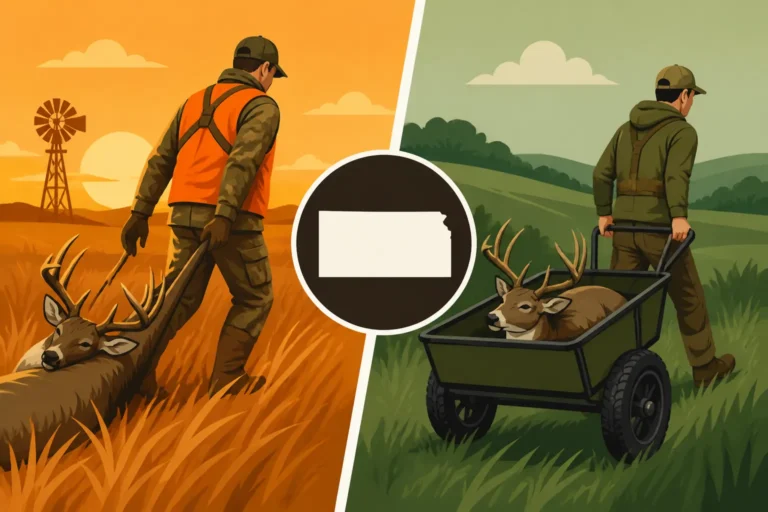
Here's a quick comparison to help you weigh your options:
| Feature | Fixed Stand (Public Land) | Mobile Stand (Public Land) |
|---|---|---|
| Risk of Theft | High | Very Low (taken with you daily) |
| Regulations | Often restricted (no screw-in steps, overnight storage) | Generally less restrictive (removed daily, minimal impact) |
| Flexibility | Very low (single spot, static) | Very high (adaptable to deer movement, pressure, wind) |
| Setup Time | Longer initial setup, quick for subsequent hunts | Quick daily setup/takedown |
| Scent Control | Can leave residual scent at stand site | Easier to manage, less residual scent over time |
| Impact | Potential for more visible, prolonged impact on site | Minimal, ephemeral impact, leave no trace |
| Investment | Potentially higher if multiple stands are deployed | Moderate (for a good saddle setup or lightweight climber) |
| Learning Curve | Lower for initial stand setup | Higher for efficiency, safety, and silent operation |
Ultimately, choosing between a fixed or mobile approach on Kansas public land comes down to risk tolerance, local regulations, and your hunting style. But the peace of mind and adaptability offered by mobile hunting are hard to beat when you're trying to avoid getting burned.
Disclaimer
The information provided in this guide is for general informational purposes only and does not constitute legal advice. Hunting regulations in Kansas can change frequently. It is the responsibility of every hunter to consult the most current Kansas Department of Wildlife, Parks and Tourism (KDWP) regulations and relevant land management agency rules before hunting. Failure to do so may result in penalties.