Chronic Wasting Disease in Kansas
There's a cloud hanging over the heads of many deer hunters in Kansas, and it's a heavy one: Chronic Wasting Disease, or CWD. It's a scary topic, full of uncertainty and concern for the future of our deer herds and the hunting heritage we cherish. This guide is here to cut through some of the fear and provide you with a clear, comprehensive understanding of CWD in Kansas, what it means for you, and what steps we can all take.
Understanding Chronic Wasting Disease: The Basics
Let's start by getting a handle on what CWD actually is, because understanding the enemy is the first step in combating it. CWD isn't caused by a bacteria or a virus; it's a transmissible spongiform encephalopathy, which is a fancy way of saying it's a neurological disease caused by abnormal proteins called prions. These prions are tiny, misfolded proteins that essentially turn a healthy brain into a sponge-like consistency, full of holes. It's truly a grim process to witness.
The disease primarily affects deer, elk, and moose – our cervid species. When a deer contracts CWD, these prions slowly accumulate in the brain and other tissues, leading to a host of debilitating symptoms over time. Think of it like a very slow, insidious attack on the animal's central nervous system. It's not something that happens overnight; it can take months, or even years, for the symptoms to become noticeable.
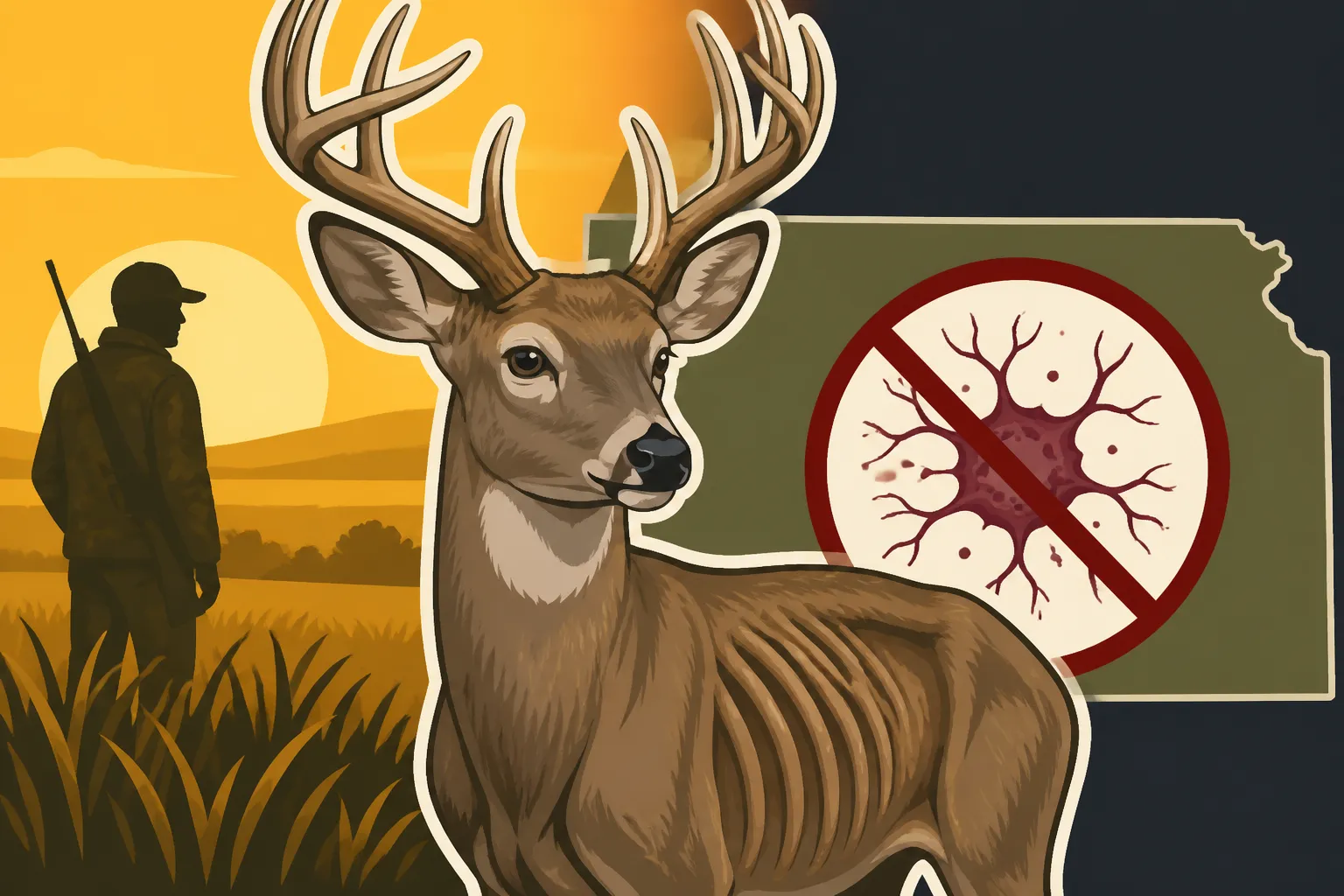
What does a deer with CWD look like? Well, it's often referred to as "zombie deer disease," and while that's a bit sensational, it does paint a picture of the late-stage symptoms. Infected animals often become emaciated, losing significant body weight despite continuing to eat. They might exhibit behavioral changes, like showing little fear of humans, walking in repetitive patterns, or having a vacant stare. Drooling, excessive thirst, and a lack of coordination are also common signs. The heartbreaking truth is that CWD is always fatal for the infected animal; there's no cure, no treatment, and once symptoms appear, the deer is doomed.
Perhaps the most frustrating and challenging aspect of CWD is its transmission. It spreads through direct animal-to-animal contact, like nose-to-nose interactions, but also, critically, through contaminated environments. Prions are incredibly resilient and can persist in soil, water, and even vegetation for years. This means that if an infected deer sheds prions through saliva, urine, or feces, those prions can remain viable in the environment, ready to infect other deer that come into contact with them. It's why communal feeding sites or mineral licks are such a concern; they concentrate deer and concentrate prions, creating hotbeds for transmission.
CWD's Presence and Spread in Kansas
For Kansas hunters, the spread of CWD is a grave concern. We've been working hard for years to manage our deer herds, and the thought of this disease taking hold is disheartening. The Kansas Department of Wildlife and Parks (KDWP) has been actively monitoring CWD for decades, understanding the serious threat it poses to our wild cervid populations.
The first confirmed case of CWD in Kansas was actually back in 2001, detected in a mule deer in Logan County in the western part of the state. Since then, the disease has steadily spread. Initially, it was concentrated in the western units where mule deer populations exist, but unfortunately, it has been detected in whitetail deer and is moving eastward. KDWP continuously updates its maps and data to show which deer units have detected CWD and where the prevalence might be higher. This is why tools like GoHunt can be incredibly useful, often integrating KDWP data to help hunters stay informed about specific areas. Knowing the history and trajectory of CWD in Kansas helps us understand the importance of current regulations and preventative measures.
The spread of CWD across Kansas isn't a simple, linear progression. Several factors play a role in how rapidly and widely it disseminates. High deer densities, for example, increase the chances of direct animal-to-animal contact and the environmental contamination mentioned earlier. The natural movement of deer, especially bucks during the rut or when seeking new territories, also contributes to spread. However, human activities, whether intentional or unintentional, are also significant vectors. Transporting an entire deer carcass from a CWD-positive area to an unaffected area, then disposing of high-risk tissues (like the brain or spinal cord) in the new location, can introduce prions to a previously clean environment. This is why understanding and adhering to carcass transport regulations is so incredibly vital for every hunter. The KDWP's efforts in Kansas Wildlife Disease Monitoring are ongoing, but they rely heavily on hunter cooperation.
What Kansas Hunters Need to Know and Do
This is where the rubber meets the road for us hunters. We have a crucial role to play in managing CWD, protecting our deer herds, and ensuring the future of hunting in Kansas. It's not just about what the KDWP does; it's about what we do every time we step into the field.
Harvesting and Carcass Handling
One of the most impactful things you can do is understand and follow proper carcass handling protocols, especially if you're hunting in or near areas where CWD has been detected.
- Testing Your Harvest: KDWP strongly encourages voluntary testing of harvested deer, particularly in known CWD management units. This data is invaluable for tracking the disease's spread and prevalence. To get your deer tested, you usually need to collect a lymph node sample or submit the entire head. KDWP provides specific instructions and often has collection sites or cooperating taxidermists and processors. Check the KDWP website or use
GoHunt's resources for the most up-to-date information on where and how to submit samples for Kansas CWD Testing and Carcass Rules. Knowing the status of your harvested deer provides peace of mind and contributes to the larger scientific effort. - Carcass Transport Regulations: This is a big one. To prevent the accidental spread of prions, Kansas has strict rules about transporting deer carcasses from certain areas. Generally, if you harvest a deer in a CWD-positive unit, you are often restricted to transporting only specific parts out of that unit. This usually means you can take out boned-out meat, quarters with no spinal column attached, clean skulls or skull plates (antlers attached) with all brain tissue removed, and hides without the head. The key is to leave the "high-risk" parts – the brain, spinal cord, eyes, spleen, and lymph nodes – in the area where the deer was harvested. Properly disposing of these parts, typically by burying them on site or taking them to an approved landfill, is paramount. Never just leave them exposed in a new area.
- Processing Your Deer Safely: While current scientific understanding indicates no known cases of CWD transmission to humans, it's always prudent to take precautions. When field dressing or processing your deer, wear gloves and avoid consuming high-risk tissues. Thoroughly clean and disinfect your tools and surfaces after processing. This isn't just about CWD; it's good practice for any wild game processing, ensuring food safety and hygiene.
Minimizing Risk in the Field
Beyond handling your harvest, there are things you can do while hunting and scouting to help mitigate CWD risks and keep our deer herds healthier.
- Recognizing Sick Deer: Be vigilant for any deer exhibiting the symptoms of CWD we discussed: extreme thinness, abnormal behavior, drooling, or lack of coordination. If you see a deer acting suspiciously, do not harvest it if you suspect CWD. Instead, immediately report your sighting to KDWP. They need this information to track potential new outbreaks and to investigate. Knowing how to tell a healthy deer from a struggling one is crucial. Hunters play a vital role in being the eyes and ears in the field, helping with Reporting a Sick Deer in Kansas.
- Feeding and Baiting Bans: This is a contentious issue for some, but from a disease management perspective, it makes sense. Many states, including Kansas in certain contexts, implement bans or restrictions on feeding and baiting deer. The reasoning is simple: concentrating deer at artificial food sources, mineral sites, or bait piles increases direct nose-to-nose contact and heavily contaminates the site with any prions present. This creates a CWD hotspot. While it can be frustrating to give up a tactic you've used for years, these regulations are put in place to protect the overall herd health from devastating diseases. Always check current KDWP regulations for any specific unit or statewide bans before deploying any feeders or attractants.
- Utilizing Up-to-Date Resources: Staying informed is your best defense. The KDWP website is always the official source for regulations, unit-specific information, and CWD updates. However, resources like
GoHuntcan aggregate this information, often providing user-friendly maps and alerts that are easily accessible on your phone or computer. Make it a habit to check before each season, and certainly before you head out to a new hunting area.
Contributing to Monitoring Efforts
Every hunter is a conservationist at heart, and our collective efforts make a huge difference.
- Your Data Matters: When you participate in voluntary testing, fill out harvest surveys, or report sick deer, you're directly contributing to KDWP's ability to monitor Kansas Deer Population Estimate and manage the disease. Without robust data, it's like trying to navigate in the dark. Your participation provides the light needed for informed decision-making. The individual hunter's actions are aggregated into larger datasets that show trends and help predict future spread. This data informs everything from permit allocations to specific regulations designed to safeguard the herd.
Impact on Deer Hunting and Herd Management
The specter of CWD isn't just a concern for individual deer; it has broader implications for our deer populations and how we manage them in Kansas. It forces us to think long-term about the health and sustainability of this cherished resource.
Long-Term Effects on Deer Populations
If CWD becomes widespread and prevalent in a deer population, it can have several negative long-term effects. We've seen this in other states where the disease has a longer history. The most concerning impact is a potential decline in deer numbers, particularly adult bucks. Since CWD often takes years to manifest, it tends to impact older animals more severely, leading to a shift in the age structure of the herd. Fewer older, mature bucks can mean fewer trophy animals, which is a concern for many hunters and can impact hunter satisfaction and recruitment.
Beyond population numbers, CWD can also affect hunter opportunity. If prevalence rates get too high in certain areas, KDWP might need to implement more restrictive harvest regulations or even consider special hunts to reduce deer density as a management tool. This is why careful monitoring of Deer Density by Kansas Unit is so important. It's a complex balancing act between managing the disease and maintaining healthy, huntable deer populations.
Management Strategies and the Role of KDWP
The KDWP employs a multi-faceted approach to CWD management, constantly adapting based on new research and the disease's spread. Their strategies include:
- Surveillance and Testing: Extensive biological surveillance, including mandatory and voluntary testing, is fundamental to tracking the disease. This is how KDWP collects the vital data needed to understand where CWD is, how prevalent it is, and how quickly it's spreading.
- Public Education and Outreach: Informing hunters and the public about CWD, its risks, and best practices for prevention is a high priority. This guide, for instance, reflects the kind of information that KDWP works to disseminate. Educated hunters are the first line of defense.
- Carcass Regulations and Feeding Bans: As discussed, these regulations are crucial for preventing human-assisted spread and reducing environmental contamination. They are designed to disrupt the transmission cycle as much as possible.
- Research and Collaboration: KDWP collaborates with universities and other state and federal agencies to stay abreast of the latest CWD research, including potential new detection methods, transmission dynamics, and management techniques. The ongoing analysis of Kansas Harvest Survey Data in Kansas helps them understand trends.
The Future of Hunting in Kansas
CWD is a significant challenge, but it's not a reason to despair or give up on hunting in Kansas. Instead, it's a call to action and an opportunity for us to adapt and become even more responsible stewards of our wildlife. The future of hunting our magnificent Kansas Whitetail Deer and Why They Grow Big depends on our collective vigilance and commitment.
We may need to adjust our expectations and methods. For example, if you're accustomed to leaving your deer carcass near the property line after field dressing, you might need to reconsider that habit and ensure high-risk parts are properly disposed of or taken to a designated collection site. Using resources like the Kansas Online Hunting Atlas can help you determine if you're in a CWD-management unit before you even leave home.
It's about understanding that our individual actions have ripple effects across the entire deer herd and the wider ecosystem. By staying informed, following regulations, participating in testing, and being mindful of our impact, we can all contribute to mitigating the spread of CWD and ensuring that future generations can enjoy the rich hunting traditions we hold so dear in Kansas.
Here’s a quick summary of key CWD guidelines for hunters:
| Action | Description | Why It's Important |
|---|---|---|
| Voluntary Testing | Submit lymph node samples or deer heads (as per KDWP instructions) from harvested deer, especially in CWD management units. | Provides critical data for KDWP to track disease prevalence and spread, informing management decisions. |
| Carcass Transport | Only transport boned-out meat, quarters without spinal column, clean skulls (brain removed), skull plates with antlers, and hides from CWD-positive areas. Leave high-risk parts (brain, spinal cord, spleen, lymph nodes, eyes) at the harvest site. | Prevents the accidental introduction of CWD prions to new, unaffected areas. Prions are extremely persistent in the environment. |
| Proper Disposal | Bury high-risk carcass parts on the harvest site or take them to an approved landfill. Never dump them in unapproved locations. | Minimizes environmental contamination by resilient prions, reducing the risk of further infection to healthy deer. |
| Recognize & Report | Be aware of CWD symptoms (emaciation, abnormal behavior, drooling) and report any suspicious-looking deer to KDWP. Do not harvest deer showing these signs if CWD is suspected. | Early detection of sick animals helps KDWP identify new outbreaks, track disease movement, and potentially remove infected animals from the population, protecting others. |
| Follow Feeding Bans | Adhere to all KDWP regulations regarding artificial feeding or baiting of deer, particularly in CWD management zones. | Concentrating deer at artificial food sources increases nose-to-nose contact and environmental contamination, creating hotspots for CWD transmission. |
| Stay Informed | Regularly check KDWP regulations and CWD updates. Use reliable resources like the KDWP website or hunting apps such as GoHunt to get the latest information relevant to your hunting unit. |
CWD management strategies and affected areas can change. Staying current ensures you comply with regulations and make informed decisions to protect yourself and the herd. |
| Sanitize Gear | Clean and disinfect knives, saws, and other processing tools after handling deer, especially if harvested in a CWD-positive area. | Reduces the risk of prion transfer to other surfaces or future harvests. Good hygiene is always important for game processing. |
Disclaimer
This article is for general informational purposes only and does not constitute professional advice. Laws, prices and regulations vary by location and change over time. Consult a qualified professional for guidance on your specific situation.