Crop Rotation and Deer Nutrition
It’s a common frustration among Kansas deer hunters: you’ve meticulously scouted a promising piece of land, identifying trails, rubs, and beds, only to arrive opening morning and find the deer are nowhere to be found. Often, the culprit isn't necessarily hunting pressure or a sudden cold front, but a fundamental shift in the agricultural landscape – specifically, the rotation of crops. This guide will delve deep into how farmers' crop rotation practices in Kansas directly influence deer nutrition, health, and, critically, their movement patterns throughout the year, helping you become a more effective hunter by understanding the deer's dinner table.
The Foundation: Understanding Kansas Crop Rotation Cycles
Kansas is an agricultural powerhouse, and the backbone of that productivity lies in strategic crop rotation. Farmers don't just randomly plant fields; they follow well-established cycles designed to maintain soil health, control pests, and maximize yields. Understanding these cycles is your first step to unlocking deer behavior.
Common Crop Sequences in the Sunflower State
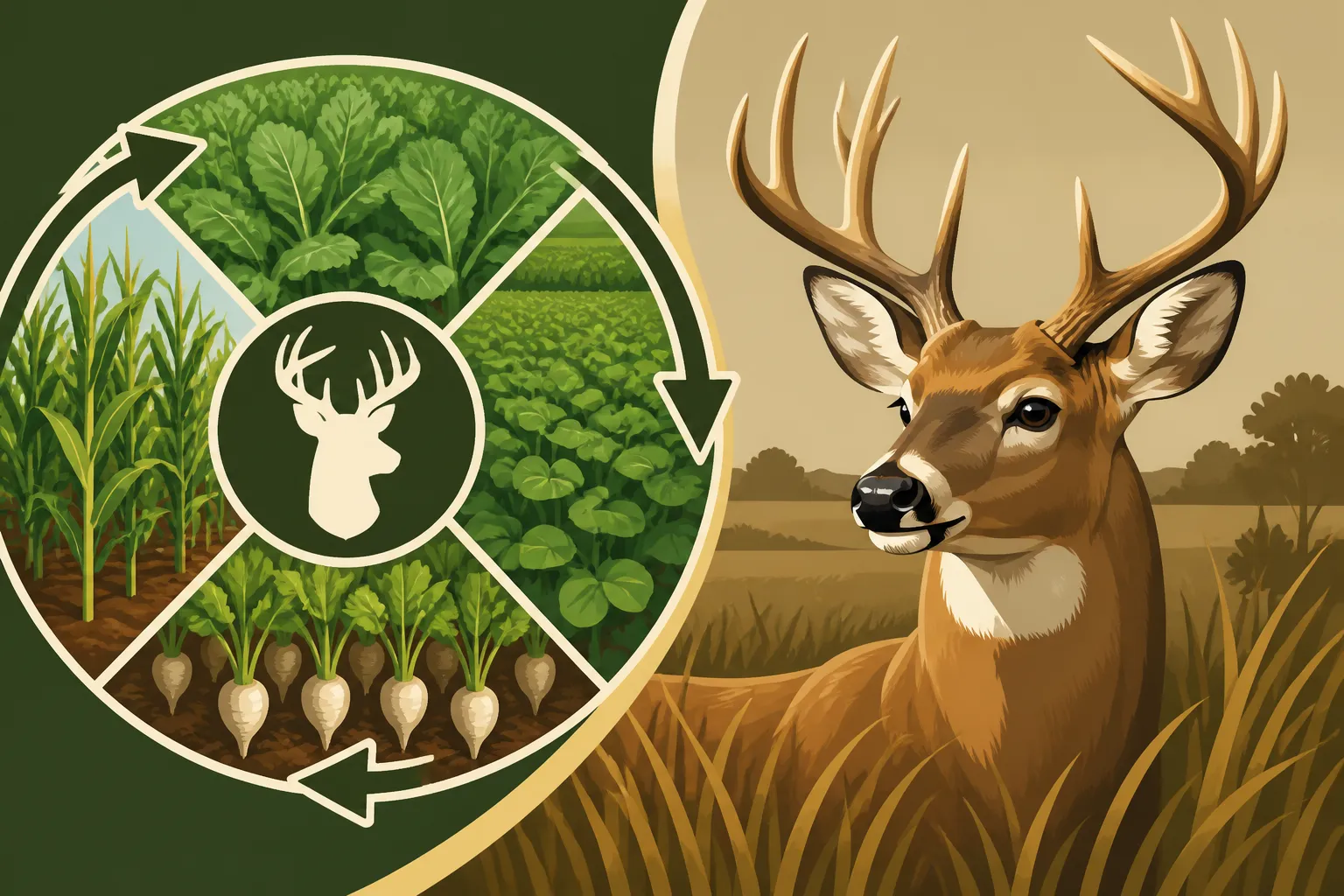
Across Kansas, the predominant crop rotations vary depending on rainfall, soil type, and market demand, but certain patterns emerge. In the eastern and central parts of the state, where rainfall is generally more plentiful, a corn-soybean rotation is incredibly common. Corn is a "heavy feeder," drawing a lot of nitrogen from the soil. Soybeans, being legumes, actually fix nitrogen back into the soil, making them a natural successor to corn. This isn't just good for the farmer; it's a huge deal for deer. One year, they might have a high-carb corn buffet, and the next, a protein-rich soybean smorgasbord.
Further west, where moisture is a more limiting factor, you'll often see wheat playing a more significant role. A wheat-fallow rotation (where land rests for a season) or wheat followed by milo (grain sorghum) is typical. Milo is drought-tolerant and provides excellent late-season food and cover. These rotations are crucial for retaining soil moisture and preventing wind erosion, which is a constant battle on the high plains. For deer, a milo field provides dense cover and grain well into the winter, whereas a harvested wheat field might only offer stubble and scattered waste grain. Understanding these basic rotations can help you anticipate major changes in deer habitat and food sources from one year to the next.
The Seasonal Impact of Planting and Harvest
The annual agricultural calendar dictates much of the deer's life in farm country. Spring brings the frantic pace of planting, usually corn and soybeans first, then perhaps milo. During this period, deer might browse on emerging sprouts, but it’s generally not their primary food source. However, those rapidly growing fields soon become vital security cover. By mid-summer, tall corn and dense bean fields offer incredible bedding and sanctuary, making deer incredibly difficult to pattern or even spot. This cover is a huge draw for deer looking for a safe haven away from human activity.
As fall approaches, the crops mature and begin to dry down. Corn becomes a carbohydrate-rich energy source, and soybeans offer high protein. This is when these fields become absolute magnets for deer. Then comes the harvest, typically starting in late summer for some crops like wheat or early soybeans, and continuing aggressively through fall and into early winter for corn and milo. This event is a game-changer. What was once dense, protective cover and a limitless food source suddenly becomes an exposed stubble field. Deer are forced to adapt, often pushing them towards remaining timber, brushy draws, or unharvested fields. This dramatic shift dictates everything from where you hang your stand to how you approach Hunting Pressure Patterns on Kansas Public Land. Experienced hunters know that being aware of typical harvest timelines in your specific area is an invaluable scouting tool.
Nutritional Powerhouses: How Different Crops Fuel Deer Health
It’s not just about what deer eat, but what nutrients they get from those foods. Different crops offer vastly different nutritional profiles, directly impacting a deer's body condition, antler growth, and even fawn survival rates.
Corn: The Carb-Heavy Energy Source
Corn is king when it comes to carbohydrates, providing a massive energy boost for deer. While it might not have the highest protein content for antler growth directly, it's absolutely crucial for building fat reserves. These fat reserves are essential for deer to survive the harsh Kansas winters, recover from the rigors of the rut, and for does to sustain pregnancy and lactation. Think of corn as the ultimate winter survival food and a major player in recovery post-rut.
Deer will pound standing corn fields in the late fall and early winter, often bedding right within the stalks for both food and thermal cover. Even after harvest, the waste grain left behind can be a significant food source. This is why understanding Standing Corn Late in the Season can be so vital to your hunting strategy. A field that's been picked clean might offer little, but one with significant waste grain or, even better, unharvested strips left by a farmer, becomes a high-value target. This steady, high-energy diet helps deer maintain robust body weights, which indirectly supports better antler growth by ensuring the deer isn't spending precious energy just trying to stay alive.
Soybeans: The Protein Powerhouse for Antlers and Fawns
If corn is the carbohydrate king, soybeans are the undisputed protein champion. High protein content is absolutely critical for antler growth in bucks and for milk production in lactating does, which directly influences fawn health and survival. In the spring and summer, deer will readily browse on the lush, green soybean plants, getting essential protein and other nutrients when they need it most for growth and development.
As soybeans mature and dry down in the fall, they become incredibly palatable, and deer will voraciously consume the beans themselves. This late-season protein boost is a secret weapon for maintaining herd health. While the beans may be gone after harvest, the early summer browsing on the green plants has already done its work. Fields planted with soybeans one year can lead to noticeably healthier deer with stronger antlers the following year, especially if the beans are allowed to mature and are widely available. This direct link between Soil Fertility and Antler Growth and the crops chosen by farmers is a prime example of how agriculture shapes your hunting success.
Wheat, Milo, and Other Forages: Diverse Dietary Contributions
Beyond corn and soybeans, other crops also play significant roles. Winter wheat, planted in the fall, offers a crucial green forage source through the colder months when other natural food sources are scarce. Deer will regularly visit these young wheat fields to browse on the tender shoots, providing them with essential vitamins and minerals that can be hard to come by otherwise. These fields act as magnets for early-season browsing and can provide consistent activity throughout late fall and early winter.
Milo (grain sorghum) is another important crop, especially in central and western Kansas. It provides excellent cover and the grain itself offers sustained energy, similar to corn but often more available in dry, late-season conditions. Hunters should pay close attention to Milo and Corn Stubble Deer Patterns because these fields, whether standing or harvested, offer distinct advantages for deer. Alfalfa, while less widespread than commodity crops, is another high-protein option that deer will readily utilize where available. Even hayfields, though typically cut, can offer brief windows of high-quality forage or temporary bedding cover before being mowed. Each crop, in its season, contributes to the overall health and vigor of the Kansas deer herd.
Reading the Landscape: Deer Behavior and Crop Changes
Deer are creatures of habit, but their habits are deeply tied to food, water, and cover. When the agricultural landscape shifts due to crop rotation, so too do the deer. Being able to anticipate these changes is key to consistent hunting success.
Annual Shifts in Deer Movement and Bedding
Imagine a massive cornfield that provided impenetrable bedding and an endless supply of food for deer last season. This year, the farmer plants soybeans. Suddenly, the dynamics of that parcel change entirely. While soybeans offer protein, they don't provide the same dense, thermal cover as mature corn, especially after a frost. Deer that once felt secure bedding deep in the corn might now shift their core bedding areas to nearby timber, CRP fields, or brushy draws. Their travel routes will also adjust, as they seek out different food sources or safer travel corridors.
Hunters often overlook this annual variability. They expect deer to be in the "same spot" year after year, but if the primary food source and cover have changed, the deer won't be there. This is where comprehensive scouting and mapping tools become invaluable. Using an app like GoHunt, you can often pull up historical satellite imagery or view current crop types if recent imagery is available. This allows you to identify what was planted in previous years and what's there now, helping you predict how deer patterns might have changed. Understanding these shifts is crucial for developing new strategies instead of relying on outdated information.
Leveraging Different Crop Stages Throughout the Season
Deer use crops differently throughout their growth stages. In late spring and early summer, young corn and soybean fields offer tender browse, but more importantly, they quickly become dense, high-security bedding areas as they grow. Deer will often disappear into these fields during the day, making them hard to hunt until later in the season.
As crops mature into fall, they transition from cover to primary food sources. Standing corn offers both food and thermal cover. Mature soybeans are high-energy protein bombs. Once harvested, fields still offer waste grain, attracting deer for a different kind of foraging. A partially harvested field, or one with strips left standing, can be a honey hole. This constant evolution means your stand locations and hunting approaches need to adapt. An edge stand for a green soybean field in September might be completely ineffective when the field is harvested in October. This requires adaptability and constant reassessment of your hunting grounds, especially if you're targeting deer on Public Land Deer Hunting in Kansas, where crop rotations on adjacent private land heavily influence public land deer behavior.
Strategic Hunting: Leveraging Crop Rotation for Success
Understanding crop rotation isn't just academic; it's a practical tool that can drastically improve your hunting strategy. It allows you to think like a deer, anticipating their movements and optimizing your stand locations.
Pre-Season Scouting with an Eye on Agriculture
Your pre-season scouting needs to go beyond just looking for rubs and scrapes. The first thing you should do, even before stepping foot on the property, is to identify current crop types. Use online mapping tools or apps like GoHunt that often have updated satellite imagery. See what's planted where. Is the big cornfield from last year now a bean field? Is the wheat field now in milo? These are critical questions.
Once you know the crop layout, you can start to predict deer movement. For example, if a large timber block is now bordered by a soybean field instead of corn, you might expect deer to exit the timber earlier in the evening to feed. Or, if a field that was fallow last year is now planted in winter wheat, it could become a major draw for deer in late fall and early winter. Pay attention to how deer enter and exit these fields. Look for trails leading directly into specific crop types, especially those providing high nutritional value. This proactive approach helps you plan your hunt with current information, not just last year's memories.
| Crop Type | Primary Deer Benefit | Peak Appeal to Deer | Typical Season for Growth/Availability |
|---|---|---|---|
| Corn | High Carbohydrate, Energy, Cover | Late Fall, Winter | Plant: Spring; Harvest: Fall |
| Soybeans | High Protein, Browse | Summer (green), Early Fall | Plant: Spring; Harvest: Late Summer/Fall |
| Winter Wheat | Green Forage, Vitamins | Fall, Winter, Early Spring | Plant: Fall; Harvest: Early Summer |
| Milo (Sorghum) | Energy, Cover, Drought-Tolerant | Late Fall, Winter | Plant: Spring; Harvest: Fall |
| Alfalfa | High Protein, Browse | Spring, Summer, Fall | Multiple Cuttings; Year-Round Growth |
Adjusting Your Tactics with the Harvest
The harvest is perhaps the most disruptive event for deer in farm country, and it requires hunters to be highly adaptable. A few weeks before the harvest, deer will often be concentrated in standing crops, feeling incredibly secure. As combines begin to roll, deer are displaced. They will typically move to the nearest available cover – timber, thickets, CRP fields, or unharvested portions of fields. This creates a critical window of opportunity.
If you know a field is about to be harvested, consider hunting nearby cover or travel corridors. Once a field is cut, it might still hold significant waste grain, making it an attractive feeding spot, but the lack of cover changes how deer approach it. They'll often wait until after dark to venture out, or they'll move through quickly from nearby security. This is where understanding Access Routes That Do Not Bump Deer becomes paramount, as deer become more sensitive to pressure in exposed areas. Be ready to move your stand, scout new areas, or switch your focus to alternative food sources, such as acorns in timber or native browse, as the agricultural landscape transforms. Your ability to adapt to these changes will make all the difference in filling your tag.
The Long-Term View: Predicting Future Deer Holds
Thinking about crop rotation isn't just for this season; it's for planning future hunts too. Knowing a farmer's typical rotation pattern can help you predict where deer concentrations might be strong in the coming years. For instance, if a parcel has been in a corn-soybean rotation for several years, providing consistent, high-quality nutrition, you can expect the deer in that area to be generally healthier, potentially leading to better antler development. This gives you insight into Why Kansas Grows Trophy Whitetails in specific areas.
Furthermore, if a farmer implements a rotation that includes cover crops or leaves unharvested strips, it significantly benefits deer by providing continuous food and cover. This can make certain properties consistently productive. While you can't control what a farmer plants, being informed allows you to scout more effectively and build a long-term understanding of deer movement on the land you hunt. An advanced mapping platform, like GoHunt, can help you look at historical imagery and track these patterns, giving you an edge by understanding how habitat changes year to year.
Disclaimer
This article is for general informational purposes only and does not constitute professional advice. Laws, prices and regulations vary by location and change over time. Consult a qualified professional for guidance on your specific situation.