Insurance an Outfitter Should Carry
Kansas outfitter insurance protects hunters from financial loss during accidents, property damage, and trip disruptions.
Book the hunt, not the brochure.
Guided, semi-guided, and drop-camp options, which outfitters work which units, guide licensing requirements, booking timelines, and what a deposit actually covers.
Kansas outfitter insurance protects hunters from financial loss during accidents, property damage, and trip disruptions.
Kansas outfitter liability waivers release hunting guides from legal responsibility for inherent risks during guided trips on private land.
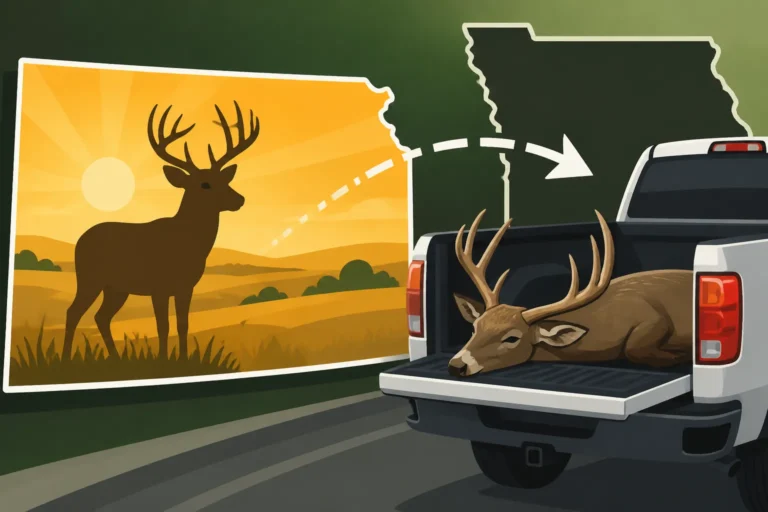
Kansas deer transport rules explain which high-risk carcass parts hunters must leave behind to prevent Chronic Wasting Disease.
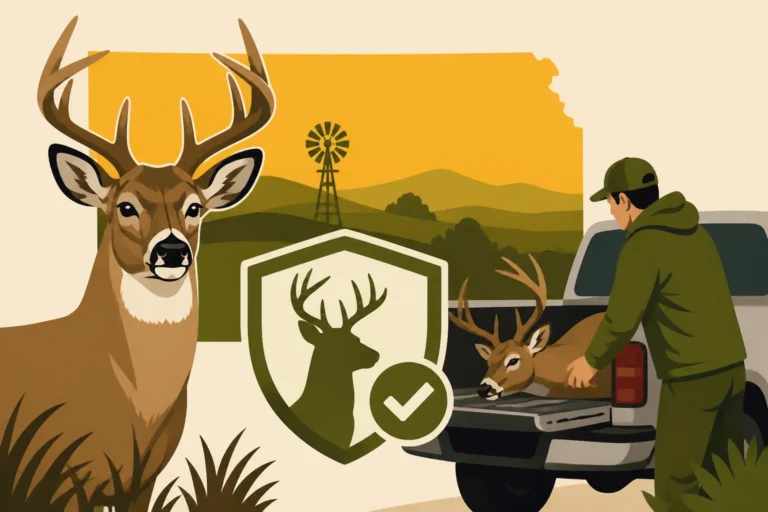
Kansas deer transport rules and carcass handling procedures help hunters prevent spreading chronic wasting disease.
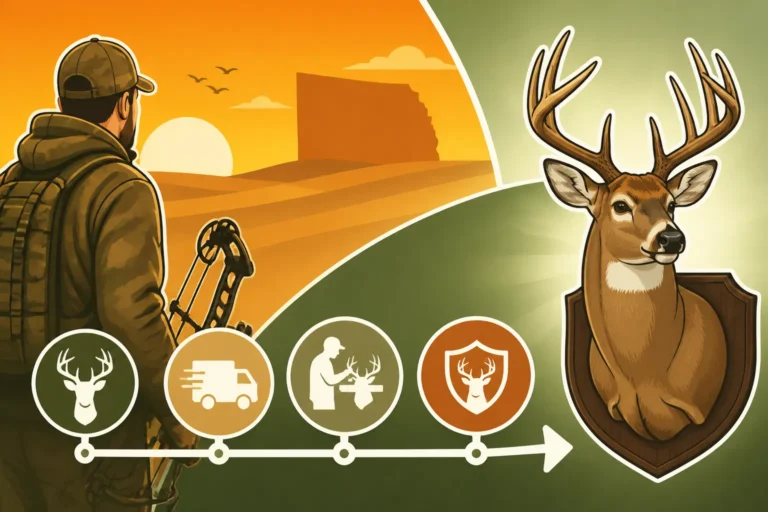
Taxidermy timelines for Kansas hunting trophies depend on field care, commercial tannery queues, and detailed mounting stages.
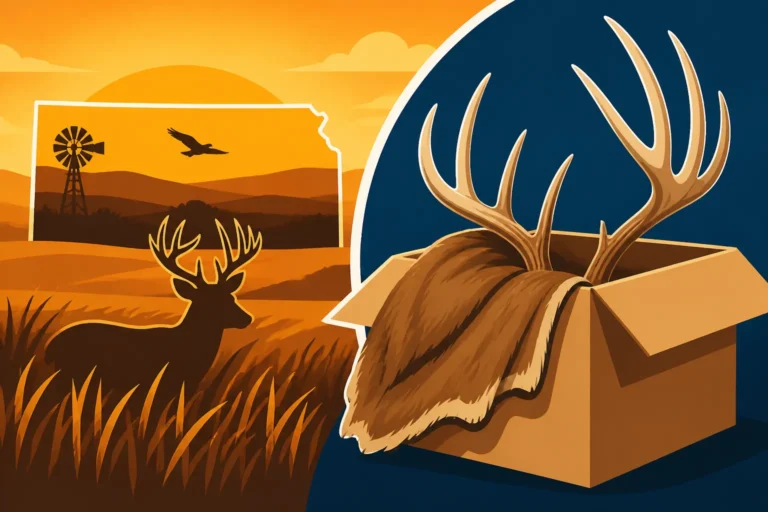
Shipping a Kansas deer cape and antlers involves complying with carcass transport rules and tagging requirements.
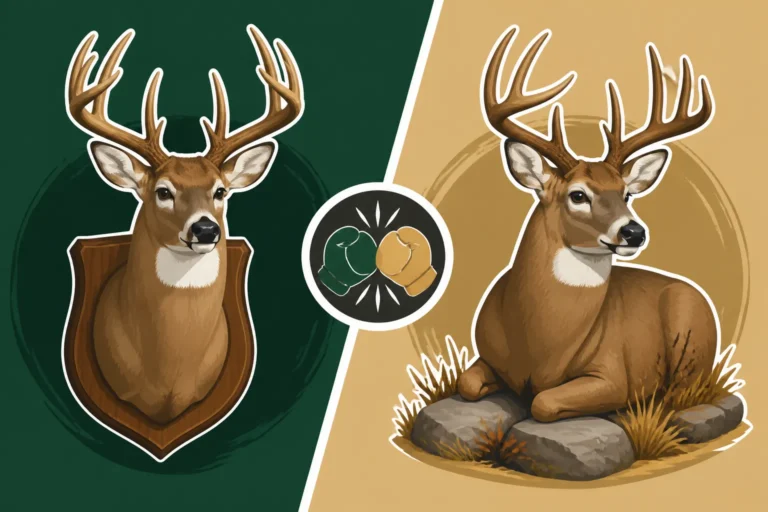
European and shoulder mounts differ in cost, wall space, and preparation. Hunters learn how each deer taxidermy option works.
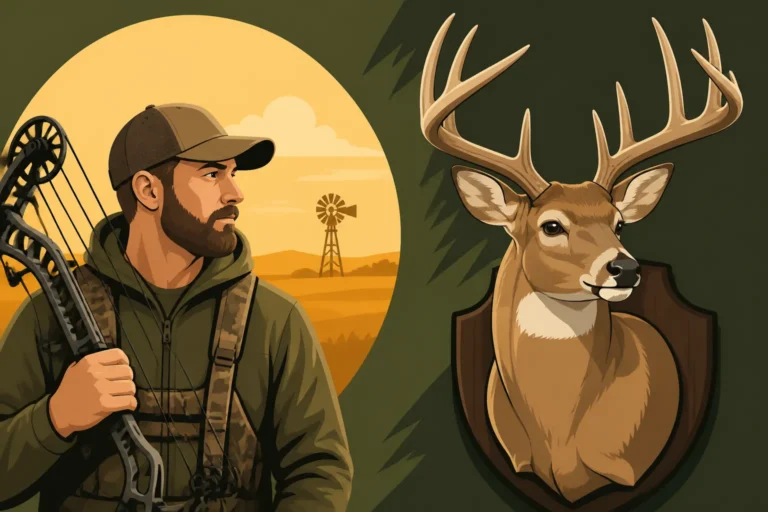
Proper field caping steps for a buck preserve the hide, prevent costly taxidermist repair fees, and ensure quality mounts.
Kansas taxidermists near hunting areas present unique challenges for nonresident hunters needing reliable trophy preservation and transport.

Transporting Kansas deer meat via personal coolers or professional freight shipping involves comparing pros, cons, and practical methods.