Food Plots on Leased Kansas Ground
Food plots on leased Kansas ground require landowner permission, clear proposals, and proper site selection for deer success.
Book the hunt, not the brochure.
Guided, semi-guided, and drop-camp options, which outfitters work which units, guide licensing requirements, booking timelines, and what a deposit actually covers.

Food plots on leased Kansas ground require landowner permission, clear proposals, and proper site selection for deer success.

Managing a Kansas deer lease involves analyzing habitat, identifying bottlenecks, and implementing improvements for mature whitetails.
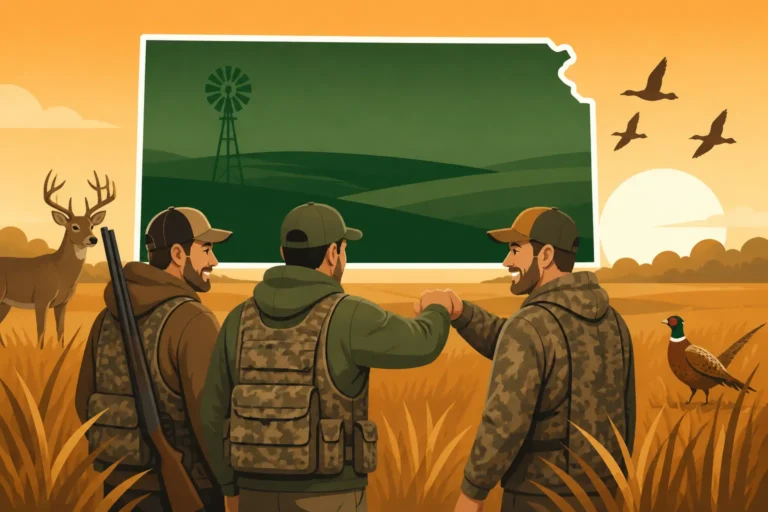
Sharing a Kansas hunting lease with friends explains costs, work division, rules, and expectations to prevent friendship conflicts.
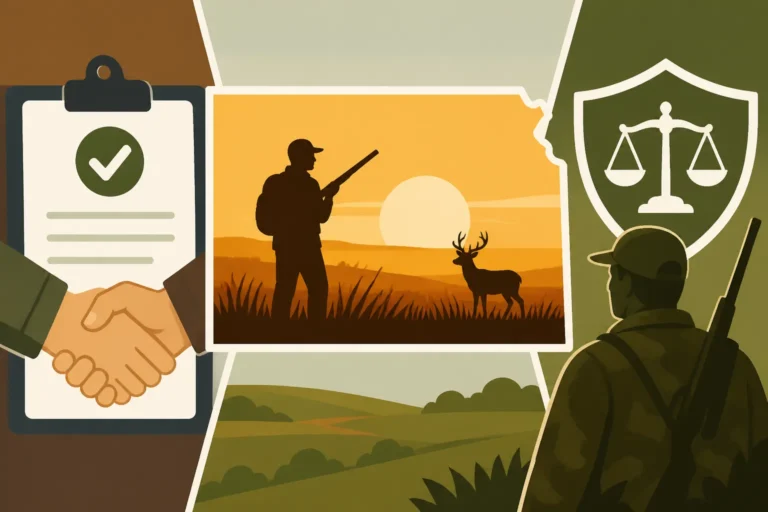
Kansas hunting lease agreements outline property boundaries, payment terms, and liability rules to protect landowners and hunters.

Kansas hunting lease costs per acre vary based on property size, location, and the quality of game species available.

Kansas hunting leases give hunters exclusive access to private agricultural lands, reducing competition and improving overall success.
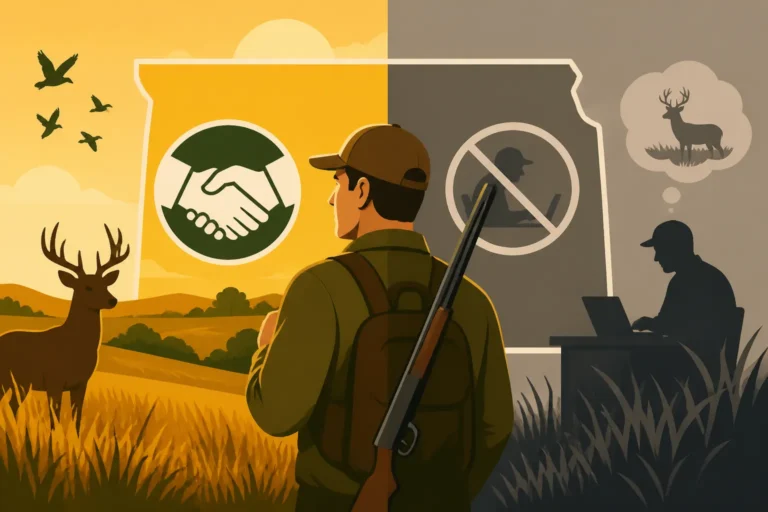
Leasing private Kansas hunting land provides independent whitetail deer hunters control, cost savings, and season-long property access.

Reporting a dishonest or negligent Kansas hunting outfitter helps protect future clients from similar fraudulent experiences and safety violations.

Kansas hunting regulations place legal responsibility on hunters, explaining how to avoid wildlife violations during guided hunts.

Kansas trespass liability for hunters explains who faces legal responsibility for accidental or intentional property violations.