Kansas Commission Meetings on Hunting Rules
It's incredibly frustrating to feel like hunting regulations are handed down from on high, often without a clear understanding of why changes are happening or how they might impact your season. Many of us have experienced the surprise of a new rule or a shifted season date, wishing we had a voice in the process. This comprehensive guide will pull back the curtain on the Kansas Department of Wildlife and Parks (KDWP) Commission meetings, explaining how decisions are made, how you can participate, and why your input truly matters in shaping the future of Kansas hunting.
Understanding the Kansas Wildlife and Parks Commission
Before we dive into the nitty-gritty of rule changes, it's essential to understand the body responsible for making those decisions: the Kansas Wildlife and Parks Commission. These individuals are the policymakers for Kansas's natural resources, and their actions directly affect every hunter, angler, and outdoor enthusiast in the state.
Who Makes Up the Commission?
The Kansas Wildlife and Parks Commission is comprised of seven members, each appointed by the Governor and subject to confirmation by the Kansas Senate. What's really interesting is that these aren't just folks from one corner of the state; by design, the commission aims for a geographic representation that reflects the diverse landscapes and hunting cultures of Kansas. You'll often find members who understand the challenges of eastern Kansas timberlands as well as those familiar with the vast expanses of the western plains. This balanced perspective is crucial because decisions made can have very different implications depending on whether you're chasing pheasants in western Kansas or whitetails in the eastern river bottoms.
It’s important to remember that these commissioners are not paid employees of the KDWP. They are volunteers, dedicated Kansans who give their time and expertise to manage our wildlife and outdoor recreation opportunities. Their role is to consider the broader picture, balancing wildlife conservation with recreational access, and they rely heavily on information from KDWP staff and, ideally, public input from people like us.
The Commission's Core Responsibilities
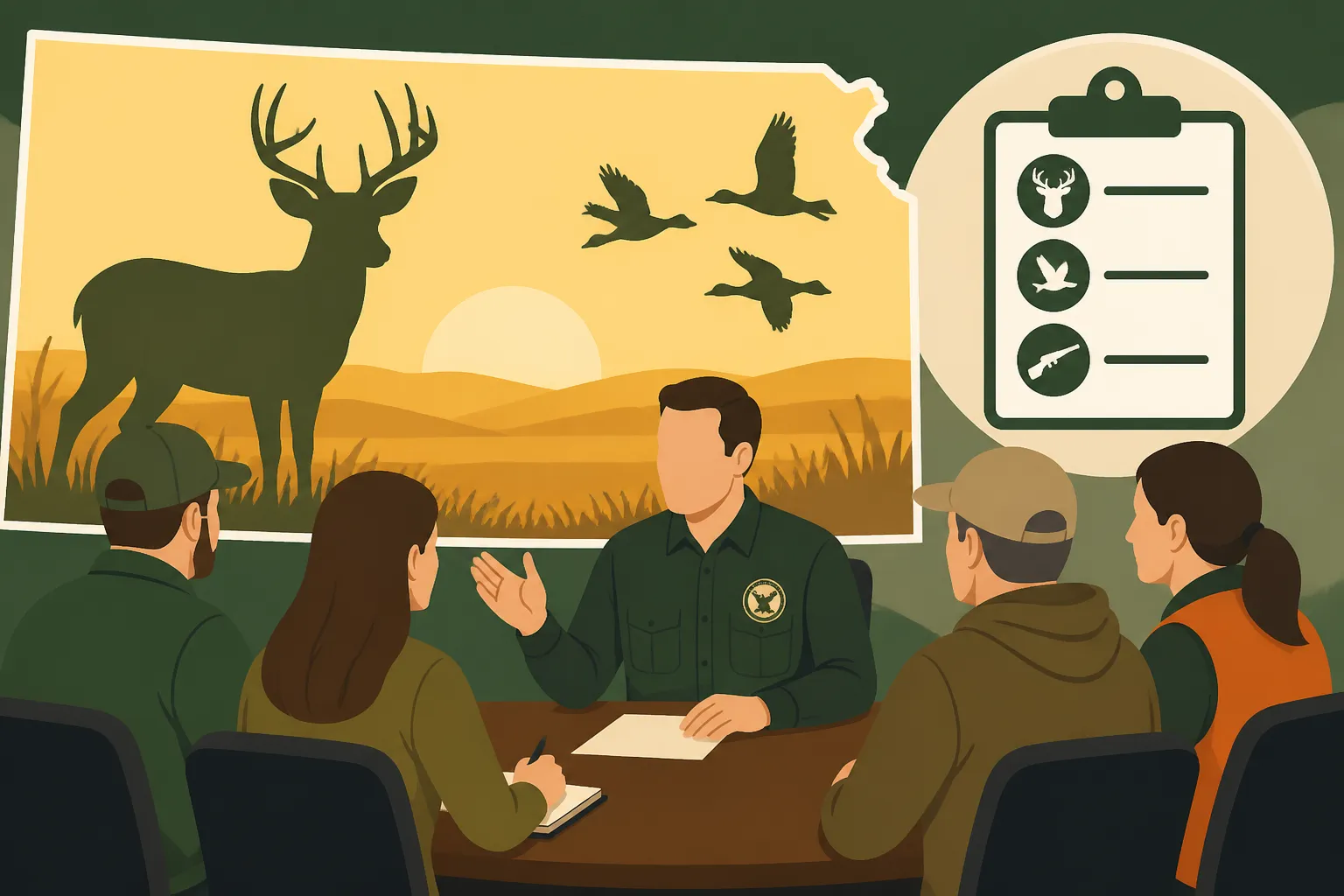
The Commission's primary role is to set the policies and approve the regulations that govern KDWP's activities and all hunting, fishing, and boating within the state. Think of KDWP staff as the experts who gather data, conduct research, and propose solutions, while the Commission acts as the governing board that reviews, modifies, and ultimately adopts these proposals. They are the final decision-makers on a wide range of issues that impact your hunting season.
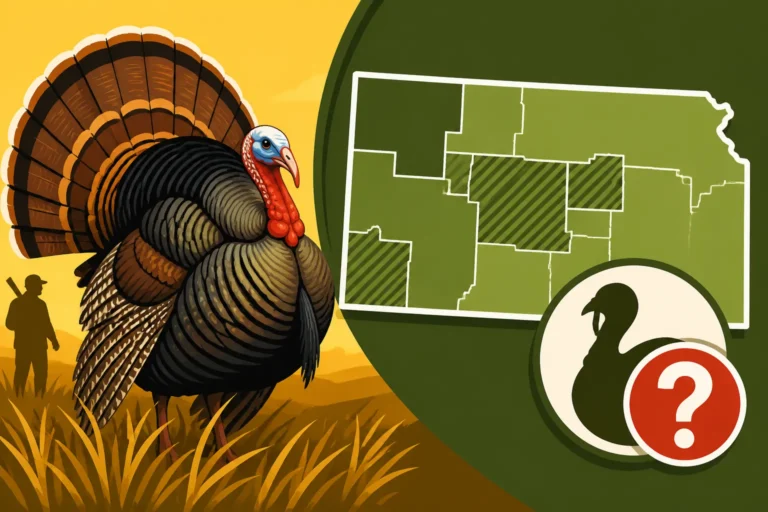
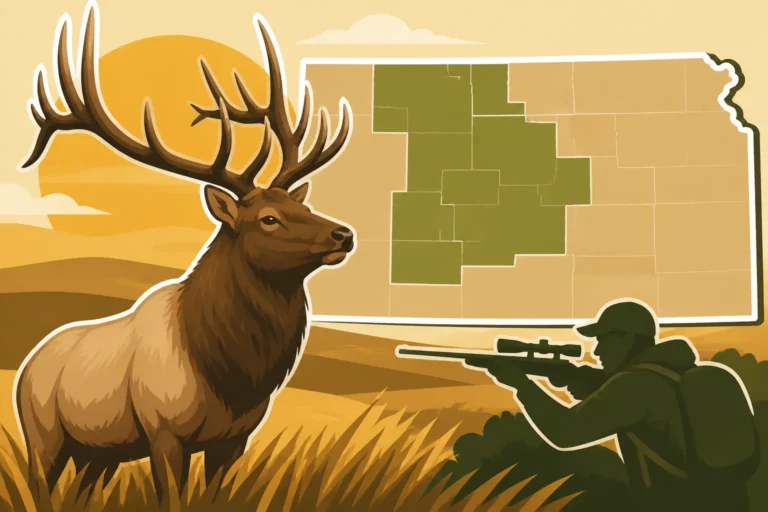
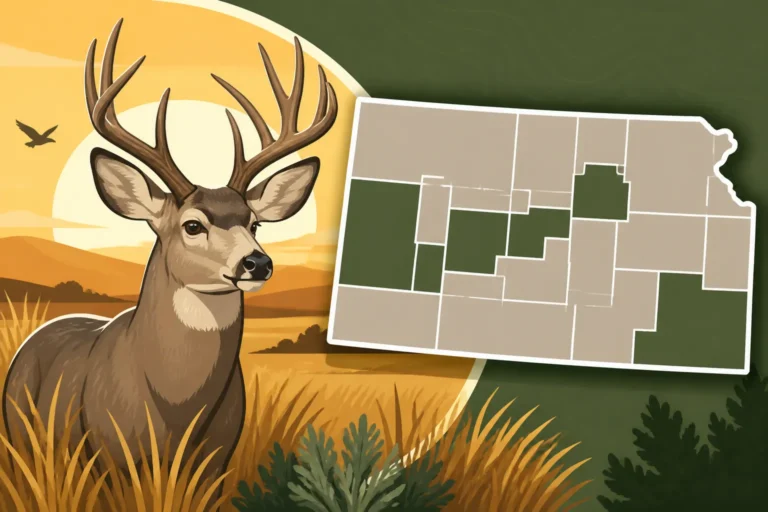
For instance, the Commission is directly responsible for approving all Kansas Deer Season Dates by Weapon, from the early archery opener to the late firearm season. They also weigh in on significant decisions like Kansas Spring Turkey Permits and Units, determining how many permits are available in each unit and how those are allocated. Beyond deer and turkey, their influence extends to Kansas Upland Bird and Waterfowl Seasons, setting bag limits, possession limits, and season frameworks for everything from pheasants to ducks. These aren't minor tweaks; these are the foundational rules that dictate when, where, and how we can pursue game in Kansas.
How Hunting Rules and Regulations Are Made
Understanding the structure is one thing, but knowing the actual path a rule takes from an idea to a regulation on the books is where you can truly appreciate the process and identify opportunities for your voice to be heard. It's a structured journey, designed to incorporate data, public feedback, and expert opinion.
The Proposal and Review Process
The journey of a new hunting rule or a proposed change usually begins with KDWP staff. These are the biologists, game wardens, and other specialists who are out in the field, collecting data on animal populations, monitoring habitat health, and interacting directly with hunters. They might notice a decline in turkey poult survival, leading to a recommendation for reduced bag limits, or observe an overpopulation of deer in a specific unit, prompting a proposal for increased antlerless harvest opportunities.
These initial ideas aren't just thrown into the wind. They go through a rigorous internal review process within KDWP. Biologists present their findings, management teams discuss the implications, and legal teams ensure any proposed changes are within the bounds of state law. This ensures that when a proposal finally reaches the Commission, it's well-researched, thought-out, and supported by scientific data and management goals. They aren't just guessing; they're working with the best available information to ensure sustainable wildlife populations for future generations.
Public Input and Feedback Loops
This stage is arguably the most critical for hunters and conservationists. Once KDWP staff have developed a proposal that passes internal review, it's then presented to the public for feedback. This isn't just a formality; it's a genuine opportunity for you to influence the outcome. The Commission actively considers public comments, and robust, well-reasoned feedback can absolutely sway decisions.
KDWP typically provides various avenues for submitting feedback, including online forms, written letters, and opportunities to speak at public meetings. These public comment periods usually have specific deadlines, so it's essential to stay informed. Resources like GoHunt can be invaluable here, often summarizing proposed changes and highlighting important dates so you don't miss your chance to contribute. Missing the public comment window means missing your best shot at influencing policy before it's set in stone.
It’s not enough to simply grumble about a rule; you have to engage. The KDWP relies on this feedback to ensure that their decisions reflect the values and needs of the hunting community, alongside their scientific mandates. Make sure you're aware of the Kansas Regulation Summary Release Date to get a heads-up on potential changes.
Finding and Participating in Commission Meetings
Knowing that public input is valued is one thing, but actually knowing how to find the right information and effectively participate can feel like navigating a maze. Thankfully, KDWP makes an effort to be transparent and accessible, if you know where to look.
Accessing Meeting Schedules and Agendas
The first step to getting involved is knowing when and where Commission meetings are happening. The official KDWP website is your best friend here. They maintain a dedicated section where you can find the schedule of upcoming meetings, typically listed months in advance. These meetings are usually held throughout the state, giving different regions an opportunity to host and potentially draw local attendees.
Each scheduled meeting will have an agenda released in advance. This agenda is a goldmine of information, outlining every topic the Commission plans to discuss and vote on. It will include specific regulation proposals, any public discussion items, and details on how to provide public comment or register to speak. Reading the agenda carefully is crucial because it gives you time to understand the proposed changes and formulate your thoughts. Don't just skim it; dig into the details to fully grasp what's on the table.
Submitting Public Comments and Testifying
Once you've reviewed the agenda and identified an issue you care about, there are generally two main ways to provide your input: written comments or verbal testimony. For written comments, KDWP will typically provide an online portal or an email address, along with clear deadlines. When submitting written feedback, be clear, concise, and respectful. State your position, explain why you hold that position (e.g., impact on local deer herds, personal hunting experience, economic implications), and if possible, provide any supporting data. A personal story can be powerful, but it's even stronger when paired with logical reasoning.
If you choose to testify verbally, whether in person or via a virtual option, you'll usually need to register in advance. Again, the KDWP website or the meeting agenda will provide instructions. When you speak, be mindful of your allotted time, typically just a few minutes. Practice what you want to say, focus on key points, and maintain a professional demeanor. Remember, commissioners are listening to a lot of voices, and a well-structured, calm presentation is far more effective than an emotional outburst. Sometimes, hunters witness things in the field, like repeated violations or changes in animal behavior, which might warrant a report to KDWP, which can also influence discussions on regulations. You can find information on how to officially engage with wildlife officials through channels like Reporting Poaching in Kansas.
| Method of Engagement | Description | Key Considerations |
|---|---|---|
| Written Public Comment | Submit your thoughts via online form or email on specific agenda items. | Be clear, concise, factual, and respectful. Adhere to submission deadlines. |
| Verbal Testimony | Speak directly to the Commission at a scheduled meeting (in-person or virtual). | Register in advance. Prepare your points. Be mindful of time limits and maintain decorum. |
| Contact Commissioners | Reach out to individual commissioners directly (contact info usually on KDWP site). | For broad policy discussions, not specific agenda items during public comment periods. |
| Follow KDWP News | Subscribe to KDWP newsletters, follow social media, check their website regularly. | Stay informed about upcoming meetings, agenda releases, and rule changes. |
Key Decisions and Their Impact on Hunters
The decisions made by the Kansas Wildlife and Parks Commission aren't abstract; they have very real, tangible effects on your hunting opportunities and experiences. Understanding the types of decisions they make can help you prioritize which meetings to follow and which issues to weigh in on.
Season Dates, Bag Limits, and Permit Allocations
These are often the most direct and impactful decisions for hunters. Changes to season dates can shift your entire hunting strategy. For example, a decision to adjust the Kansas Archery Deer Season Opening Date by even a few days could significantly alter scouting plans or the timing of a nonresident trip. Similarly, bag limits are directly tied to population management. If deer populations are booming in certain areas, the Commission might decide to increase How Many Antlerless Permits Kansas Allows to help manage herd numbers, offering more opportunities for hunters to fill their freezers. Conversely, if a game species is struggling, they might reduce limits or shorten seasons to aid recovery.
Permit allocations, especially for draw-only species like deer or limited turkey units, are another major area. The Commission determines how many permits are issued and through what process. This directly influences your chances of drawing a tag, especially if you're a nonresident relying on the draw. Understanding these factors and engaging with proposed changes can be crucial. For instance, the GoHunt platform is well-known for tracking draw odds and success rates, which directly reflect the outcomes of these commission decisions on permit allocation and overall hunting pressure. Always make sure you're aware of the Kansas Nonresident Deer Application Deadline if you plan to participate in the draw.
Habitat Initiatives and Land Access Changes
Beyond direct hunting regulations, the Commission also plays a vital role in approving and overseeing habitat management initiatives and public land access programs. They might vote to fund programs that enhance pheasant habitat in western Kansas, or approve new land acquisitions that expand Kansas Walk-In Hunting Access Explained (WIHA) acreage. These decisions might not change your bag limit for next season, but they have profound, long-term impacts on where you can hunt and the quality of wildlife populations available.
Consider a decision regarding rules for Portable Stand Rules on Kansas Public Land or restrictions on what can be left overnight on WIHA ground. These directly affect your ability to scout, hang stands, and effectively hunt certain tracts. The health of our public lands, and the continued availability of access, are constant topics that require diligent oversight and often, public support. Every year, KDWP staff present updates on habitat projects and access initiatives, and the Commission provides the necessary approval and funding allocations. These long-term conservation efforts are as important as any season date, ensuring that future generations of hunters will have healthy wildlife populations and places to pursue them. After a successful hunt, remembering the Kansas Deer Harvest Reporting Deadline is another crucial step in aiding KDWP's data collection for future management decisions.
Disclaimer
This guide is intended to provide general information about the Kansas Wildlife and Parks Commission meetings and regulatory processes. While every effort has been made to ensure accuracy, hunting regulations and procedures can change. Always consult the official Kansas Department of Wildlife and Parks website and current regulation booklets for the most up-to-date and legally binding information before engaging in any hunting activities.