Kansas Apprentice Hunting Licence
It can feel overwhelming when you're just starting out in the hunting world. The rules, the equipment, the sheer amount of knowledge you need – it’s enough to make anyone hesitant to take that first step, especially when you weren't raised in a hunting family. That's why the Kansas Apprentice Hunting Licence is such a fantastic program, offering a safe, structured way for new hunters to learn the ropes under the watchful eye of an experienced mentor, bypassing the initial hunter education requirement to get out in the field faster.
What Exactly is a Kansas Apprentice Hunting Licence?
Imagine a shortcut, but a safe one, to experiencing the thrill and responsibility of hunting in Kansas. That's essentially what the Kansas Apprentice Hunting Licence offers. It’s a special permit designed specifically for those who are new to hunting, regardless of age, who haven’t yet completed a formal hunter education course. This license acknowledges that some of the best learning happens out in the field, with a seasoned hunter showing you the way, teaching you not just the rules, but the nuances of ethical hunting, wildlife behavior, and safety that no textbook can fully convey.
The Philosophy Behind the Apprentice Program
The core idea behind the apprentice program is pretty simple: recruitment and retention. Hunting participation has seen its ups and downs over the years, and one of the biggest barriers for newcomers is often the mandatory hunter education course, which, while absolutely crucial, can sometimes feel like a hurdle when you're just trying to dip your toes in. The Kansas Department of Wildlife, Parks and Tourism (KDWP) recognized this, and programs like the apprentice license are designed to make that initial entry point more accessible. It allows prospective hunters to get out there, experience the environment, understand the role of hunting in conservation, and see firsthand what it's all about before committing to the full certification process. It’s about fostering a love for the outdoors and a respect for wildlife through direct, mentored experience.
Who is This License Designed For?
This license is tailor-made for several groups. First, it’s perfect for absolute beginners – those who have never held a hunting license before and haven't gone through a hunter education course. Maybe you've always wanted to try hunting, but didn't know where to start. Maybe a friend or family member hunts and has offered to take you under their wing. This is your chance. It's also great for lapsed hunters who might be returning to the sport after a long hiatus and need a refresher, or simply want to introduce a new family member to the tradition. Essentially, if you lack the hunter education certification and want to hunt with an experienced, licensed mentor, this license is for you. It's a bridge, not a permanent solution, but a vital one for igniting that spark.
Key Differences from a Standard Hunting License
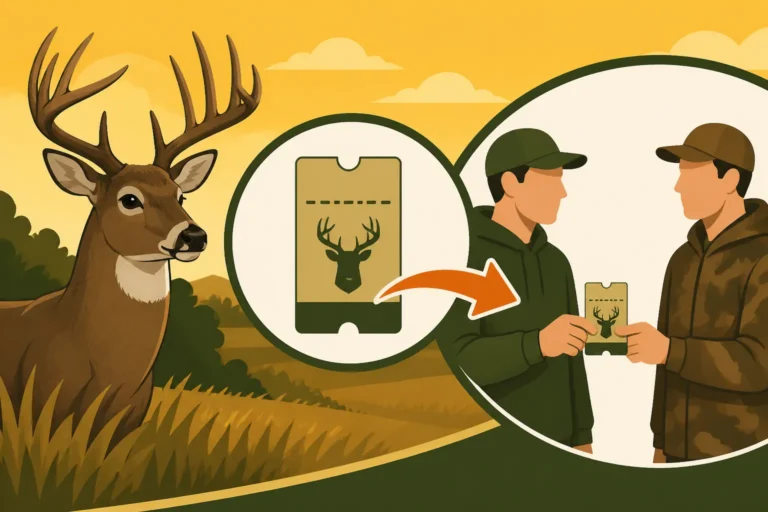
The primary distinction between an apprentice license and a regular hunting license in Kansas boils down to one critical point: supervision. With a standard hunting license, once you've completed your hunter education and purchased the necessary tags, you're free to hunt independently, adhering to all state regulations. The apprentice license, however, requires you to be accompanied and directly supervised by a licensed hunter who is at least 18 years old. This mentor must have a valid Kansas hunting license and be hunter education certified (unless they are exempt by age, which is rare for someone actively mentoring).
Here's a quick comparison:
| Feature | Kansas Apprentice Hunting Licence | Standard Kansas Hunting Licence |
|---|---|---|
| Hunter Education Req. | Not required for purchase, but mentor must be certified. | Mandatory for most hunters (exceptions for age/apprentice). |
| Supervision Required | YES, by a licensed, certified hunter 18+. | NO, can hunt independently. |
| Validity | One year, usually. | One year from date of purchase, or calendar year (check specifics). |
| Eligibility | New hunters, any age, without hunter education. | Any hunter with hunter education, or age-exempt (born before July 1, 1957). |
| Cost | Generally the same as a resident/nonresident hunting license for adults. | Varies by resident/nonresident status and age. |
Beyond the supervision, the cost of the apprentice license is generally the same as a basic hunting license for your residency status. It still allows you to pursue all legal game, provided you also acquire the appropriate permits and tags (like a deer tag, turkey permit, etc.) for the species you intend to hunt. Think of it as your entry ticket, but with a built-in guide to ensure you learn responsibly.
Eligibility, Requirements, and How to Obtain Your Apprentice Licence
Getting your hands on a Kansas Apprentice Hunting Licence is designed to be straightforward, removing barriers rather than creating them. The primary hurdle it helps you clear is the hunter education requirement, but it does come with its own set of rules, particularly around who can mentor you and how you acquire it.
Age Restrictions and Mentorship Requirements
One of the most appealing aspects of the Kansas Apprentice Hunting Licence is that there are no age restrictions for who can purchase it, as long as they are accompanied by a qualified mentor. This means a young child, an adult in their 30s, or even a senior citizen looking to try hunting for the first time can all use this program.
The crucial element is the mentor. Your mentor must:
- Be at least 18 years old.
- Hold a valid Kansas hunting license.
- Be hunter education certified, unless they were born before July 1, 1957. If your mentor falls into that older age category, they are exempt from the hunter education requirement themselves, but they still need to be a seasoned, responsible hunter capable of guiding you safely and ethically.
- Accompany you and be in a position to take immediate control of the hunting device (firearm or archery equipment). This means they need to be close enough to communicate and intervene if necessary, not just in the same general area. They are directly responsible for your actions and safety.
This strict mentorship requirement is what makes the apprentice program work. It ensures that while you're learning, you're doing so under the direct guidance of someone knowledgeable, minimizing risks and maximizing the educational experience.
Where and How to Purchase the License
Acquiring your Kansas Apprentice Hunting Licence is just as easy as purchasing any other hunting or fishing license in the state. You have a couple of convenient options:
- Online Through the KDWP Website: The most popular and often easiest way is to visit the official KDWP website. They have a user-friendly portal where you can select the "Apprentice Hunting License" option, fill in your details, and complete the purchase. You'll typically receive an electronic copy of your license that you can print or store on your mobile device. Many hunters also use resources like the GoHunt platform for comprehensive planning, though the actual license purchase will always route through the state's official system.
- Authorized License Vendors: You can also purchase the license in person at various authorized vendors across the state. This includes many sporting goods stores, bait shops, and even some county clerk offices. It's a great option if you prefer a physical copy right away or have questions for a local vendor.
- KDWP Offices: While less common for simple license purchases, you can also visit a KDWP office during business hours.
Remember that when you're buying any hunting license or permit in Kansas, you'll also need a general hunting license first. So, if you're an apprentice hunter, you'll be purchasing the apprentice hunting license, and then adding any necessary game tags (like a deer permit or turkey permit) on top of that. The process is pretty integrated, so you won't usually have to make separate transactions if you're getting everything at once. You can find details on the cost of various permits and licenses, including the apprentice license, by looking up the specific fees for Kansas Nonresident Hunting Licence Price or Kansas Resident Deer Permit Prices if you're a local.
What You Can Hunt With an Apprentice License
The good news is that the Kansas Apprentice Hunting Licence allows you to hunt most game species in Kansas, just like a regular license. This means you can pursue:
- Deer: With the appropriate deer permit for your unit and weapon choice.
- Turkey: With a valid spring or fall turkey permit.
- Upland Birds: Pheasants, quail, and prairie chickens (with the necessary prairie chicken permit).
- Waterfowl: Ducks, geese, and other migratory birds (with federal duck stamp and HIP registration).
- Small Game: Squirrels, rabbits, and furbearers.
The key is that in addition to your apprentice hunting license, you must still purchase the relevant permits or stamps for the specific game you wish to hunt. For example, if you want to bowhunt deer, you'll need your apprentice license and a Kansas deer permit for the archery season. This ensures that even as an apprentice, you are contributing to the conservation efforts for specific game populations. It’s also vital to understand all the species-specific regulations and seasons, which your mentor will be critical in helping you navigate, so you stay within Kansas Legal Hunting Hours and bag limits.
Understanding the Mentorship Component
The mentorship aspect is not just a suggestion; it's the very foundation of the Kansas Apprentice Hunting Licence program. It's what makes this pathway safe and effective for new hunters, ensuring that crucial knowledge, skills, and ethical considerations are passed down directly in the field. This isn't just about showing someone where to shoot; it's about instilling a lifelong passion for hunting and conservation.
Responsibilities of the Mentor Hunter
If you're stepping into the role of a mentor, you're taking on a significant responsibility. This isn't just a casual outing; you are actively responsible for the safety, education, and legal compliance of your apprentice. Here are some of the key duties:
- Direct Supervision: This is non-negotiable. The mentor must be in immediate physical control of the hunting device the apprentice is using, or close enough to take immediate physical control. This means no dropping them off at a stand and picking them up later. You need to be right there, guiding them through every step of the hunt, from approach to shot to recovery.
- Safety Instruction: Beyond just handling the firearm or bow, you're teaching fundamental safety. This includes firearm handling rules, identifying your target and what's beyond it, safe zones of fire, and how to safely move through terrain. For archery, it's about drawing, aiming, and understanding shot angles. This is where topics like Sighting In Before Firearm Season and Practicing Shots From a Treestand become critical lessons you'll impart.
- Ethical Hunting Practices: You're teaching respect for the animal, the land, and other hunters. This means covering shot placement, responsible blood trailing, proper field dressing, and ensuring no game is wasted. You're setting the standard for how they will hunt for the rest of their lives.
- Regulation Compliance: You must ensure your apprentice understands and follows all Kansas hunting regulations, from season dates and bag limits to tagging requirements. An error by your apprentice could lead to a violation, and as their mentor, you could be held responsible.
- Sharing Knowledge: Explain wildlife behavior, habitat, scouting techniques, and why certain strategies work. Teach them how to Reading a Kansas Creek Bottom for Deer Sign or why wind direction matters. This is where the magic of mentorship truly happens – sharing your years of accumulated wisdom.
Being a mentor is about patience, clear communication, and a genuine desire to pass on a tradition. It’s a rewarding role that shapes the next generation of Kansas hunters.
Safety First: Rules for the Apprentice and Mentor
Safety is paramount when an apprentice hunter is in the field. The state's requirements for mentorship are rooted in preventing accidents and ensuring a positive learning experience.
- Constant Proximity: The mentor must be close enough to physically control the hunting device if needed. For firearms, this usually means within arm's reach or very close by. For archery, it means being able to verbally guide and physically assist.
- Hunter Orange: If hunting during any firearm deer season or other seasons requiring it, both the mentor and apprentice must comply with Hunter Orange Rules During Firearm Season. This visual safety measure is non-negotiable.
- Firearm Handling: The mentor must supervise every aspect of firearm or bow handling, from loading and unloading to aiming and shooting. This includes ensuring the apprentice understands safe muzzle control and trigger discipline at all times.
- Decision Making: While the apprentice might take the shot, the mentor is ultimately responsible for ensuring it's a safe, ethical, and legal shot. This often means the mentor makes the final call on whether to shoot.
- Emergency Preparedness: Mentors should always have a plan for emergencies, including first aid supplies, communication devices, and knowledge of the area. It’s always wise to Leaving a Trip Plan for a Public Hunt with someone back home, detailing your location and expected return.
The entire apprentice program is built on the principle that direct supervision by an experienced, safety-conscious mentor is the best way to introduce new hunters to the sport responsibly. This hands-on, real-time education far surpasses what can be learned from a manual alone, especially in complex situations like Blood Trailing in Tall CRP or navigating uneven terrain.
Benefits of Hands-On Learning in the Field
There’s simply no substitute for learning by doing, especially in hunting. While hunter education courses are invaluable for foundational knowledge, the apprentice program provides immediate, practical application.
- Real-World Scenarios: You’ll learn how to approach a stand, understand wind direction, identify tracks, and react to game movement in real time. These are skills that are difficult to teach in a classroom setting.
- Accelerated Skill Development: Direct feedback from a mentor helps you correct mistakes instantly and reinforce good habits. You'll learn critical skills like proper shot placement and how to handle a game animal after the shot, including Field Dressing in Warm Kansas Weather if the weather isn't cooperating.
- Confidence Building: Successfully navigating a hunt, even without harvesting an animal, builds immense confidence. Knowing you're doing it correctly, safely, and ethically under a mentor's guidance is empowering.
- Understanding Wildlife: Experiencing wildlife in their natural habitat helps you understand their behavior patterns, preferred foods, and cover. This deepens your appreciation for the animals and the ecosystems they inhabit.
- Ethical Foundation: Hunting is more than just pulling a trigger; it's a deep connection to nature and a commitment to conservation. A mentor can impart the unwritten rules, the respect for the animal, and the broader role of hunters in wildlife management, going beyond what’s covered in Kansas Hunter Education and Licensing Basics. This hands-on experience often cements a hunter’s commitment to these values more effectively than any lecture.
Transitioning from Apprentice to Full-Fledged Kansas Hunter
The Kansas Apprentice Hunting Licence is an incredible stepping stone, but it’s not meant to be a permanent solution. The goal is to get new hunters hooked on the sport, provide them with foundational experience, and then encourage them to complete their formal hunter education to become fully certified, independent hunters. This transition is a natural progression, signifying your readiness to take on the full responsibilities of a hunter.
The Path to Hunter Education Certification
Once you’ve had a taste of hunting with your apprentice license, the next logical step is to complete your hunter education certification. This course is designed to equip you with comprehensive knowledge that complements your in-field experience, covering aspects like:
- Firearm and Archery Safety: Deep dives into safe handling, storage, and transportation of hunting equipment.
- Hunting Ethics and Laws: A thorough review of state regulations, fair chase principles, and reporting requirements.
- Wildlife Identification and Biology: Learning about different game species, their habitats, and conservation.
- Survival and First Aid: Essential skills for being prepared in the outdoors.
- Responsible Hunting Practices: Understanding your role in conservation and wildlife management.
Kansas offers various ways to complete hunter education:
- Traditional Classroom Courses: These are typically multi-day courses taught by KDWP-certified instructors, offering a chance for hands-on learning and direct interaction.
- Online Courses: Several approved online providers offer self-paced courses that you can complete from the comfort of your home. These often culminate in a required field day or a final exam.
- Home Study with Field Day: Some options combine self-study materials with a practical field day.
Completing hunter education isn't just a legal requirement to hunt independently; it's an investment in your safety, knowledge, and confidence. It solidifies everything your mentor taught you and expands your understanding of the broader hunting landscape.
Moving Beyond the Apprentice Phase
After successfully completing your hunter education and receiving your certification, you'll be able to purchase a standard Kansas hunting license. This means you can now hunt independently, without the direct supervision of a mentor, although hunting with experienced partners is always a good idea, especially in new areas or for new species.
This is where the real adventure begins. You can start exploring new areas, perhaps taking advantage of Public Land Deer Hunting in Kansas or learning about specific tactics like Hunting Terrain Funnels in Flat Country. You’ll continue to build on the lessons learned as an apprentice, but with the freedom and responsibility of a fully certified hunter. Remember, the journey of learning in hunting never truly ends; there's always more to discover about wildlife, habitat, and improving your skills. Make sure you stay up-to-date with current regulations, as they can change annually, by checking the Kansas Regulation Summary Release Date.
Maximizing Your Learning Experience
Even after you're a certified hunter, keeping that apprentice mindset can serve you well. Here are some tips to maximize your learning as you transition and beyond:
- Continue Seeking Mentors: The person who took you out initially might be just one source of wisdom. Seek out other experienced hunters, join local hunting clubs, or participate in workshops. Every hunter has unique insights to share.
- Study Maps and Aerial Imagery: Tools like GoHunt can provide incredible insights into hunting areas, helping you identify potential bedding areas, travel corridors, and food sources. Learning to Reading Aerial Imagery for Bedding Cover is a skill you can continuously hone.
- Scout Actively: The more time you spend in the woods or fields outside of hunting season, the more you’ll learn about deer movement, turkey roosts, and bird cover. Even Scouting Kansas Walk-In Tracts on Foot can reveal hidden gems.
- Document Your Hunts: Keep a hunting journal. Note weather conditions, wind direction, what you saw, what worked, and what didn't. This can be an invaluable tool for identifying patterns over time.
- Embrace Technology (Responsibly): GPS units, rangefinders, and apps like onX Hunt can enhance your safety and effectiveness. Learn how to use them proficiently.
- Focus on Conservation: Understand that hunting is a privilege tied to responsibility. Support conservation efforts, respect land ethics, and be a positive ambassador for the hunting community.
The Kansas Apprentice Hunting Licence is more than just a piece of paper; it's an invitation to a rich tradition and a lifelong pursuit. Embrace the learning, cherish the mentorship, and enjoy every moment you spend in the incredible wild spaces Kansas has to offer.
Disclaimer
Please remember that hunting regulations, license requirements, and season dates are subject to change by the Kansas Department of Wildlife, Parks and Tourism (KDWP). Always consult the official KDWP website or the current year's Kansas Hunting and Trapping Regulations Summary before planning any hunting activity. This guide is for informational purposes only and should not be considered legal advice.