Kansas Family Member Landowner Permits
Hunting in Kansas, especially for deer, can feel like navigating a complex maze of permits and regulations, and it's particularly frustrating when you have family land you want to hunt but aren't the primary landowner. Many folks feel left out, watching their kin enjoy the bounty while they grapple with the general draw. This guide cuts through the confusion, explaining everything you need to know about Kansas Family Member Landowner Permits, ensuring you understand who qualifies, how to apply, and how to make the most of this unique opportunity to hunt your family's ground.
Understanding the Kansas Family Member Landowner Permit
The Kansas Department of Wildlife and Parks (KDWP) recognizes the deep-rooted tradition of family hunting and the importance of allowing landowners to share their passion with close relatives. The Family Member Landowner Permit is a special category designed specifically for this purpose. Unlike a standard resident or nonresident permit that might require going through a competitive draw, this permit aims to facilitate hunting opportunities on qualified family land, making it easier for eligible relatives to participate. It’s not just a minor tweak to the rules; it’s a dedicated permit that acknowledges the unique bond and shared history many families have with their property.
This permit isn't a free-for-all; it comes with specific stipulations regarding the type of game it covers and the land it applies to. Primarily, these permits are for deer hunting, and they allow an eligible family member to hunt on the contiguous land owned by their immediate family in the deer management unit where that land is located. This means you can't use a permit acquired through your uncle's 80 acres in Unit 12 to go hunt your cousin's property in Unit 19. The intent is clear: keep the hunting experience tied to the specific family property, strengthening those local ties. It’s a fantastic way to ensure that hunting traditions can be passed down through generations without the added stress of a competitive draw for those specific circumstances.
Who Qualifies for a Family Member Landowner Permit
Navigating the eligibility requirements for a Kansas Family Member Landowner Permit can be tricky, as it’s quite specific about who can apply and what constitutes qualifying land. It's not just "any relative" or "any piece of land"; the KDWP has clear lines drawn to maintain fairness and manage the deer herd effectively. You'll need to pay close attention to both the relationship to the landowner and the characteristics of the land itself.
Defining Eligible Family Relationships
The KDWP defines eligible family members as lineal ascendants or descendants, siblings, and spouses. This means:
- Lineal Ascendants: Your parents, grandparents, great-grandparents, and so on. They are directly in your ancestral line.
- Lineal Descendants: Your children, grandchildren, great-grandchildren. These are direct descendants from you.
- Siblings: Your brothers and sisters.
- Spouses: Your husband or wife.
Noticeably absent are uncles, aunts, cousins, nieces, and nephews. While these individuals are definitely family, they do not fall under the KDWP’s strict definition for this particular permit. This is a common point of confusion and frustration for many, as family ties often extend much wider than these definitions. So, if you're hoping to hunt your cousin's fantastic piece of timber, you'll likely need to explore other permit options, such as those covered in the general Kansas Deer Permits and the Nonresident Draw. It’s always best to verify your exact relationship with the KDWP regulations to avoid any disappointment.
Land Ownership and Residency Requirements
Beyond the family relationship, the land itself and the landowner's status must meet specific criteria:
- Land Ownership: The land must be owned by an eligible family member. It needs to consist of 80 acres or more of contiguous land. This minimum acreage is a critical detail. If your family only owns 40 acres, it won't qualify for this specific permit. The land must also be primarily agricultural. While the entire state of Kansas is often described as farm country, understanding what counts as 80 Acres in Kansas for these specific regulations is crucial. KDWP typically defines contiguous as adjoining or connected in an unbroken series.
- Landowner Residency: The eligible family member who owns the land must be a Kansas resident. This permit is not designed to extend hunting privileges to the family members of nonresident landowners. If your grandfather lives in Missouri but owns land in Kansas, his Kansas-resident grandchild cannot apply for this permit using that land. This requirement ensures that the spirit of the resident landowner permit is maintained.
- Applicant Residency: The individual applying for the Family Member Landowner Permit must also be a Kansas resident. This permit does not extend to nonresident family members. While it might seem restrictive, it’s part of the state's strategy to manage resident hunting opportunities. Nonresidents looking to hunt family land in Kansas would still need to go through the standard nonresident draw process for a deer permit. For those planning a hunt, resources like GoHunt can be invaluable for understanding draw odds and regulations for various permit types across different states, including Kansas.
How to Apply for a Family Member Landowner Permit
Once you've confirmed that both you and your family's land meet the stringent eligibility criteria, the next step is navigating the application process. While generally less competitive than the nonresident draw, it still requires careful attention to detail and adherence to deadlines to secure your permit. The KDWP aims to make this process as straightforward as possible, but missing a key piece of information or a crucial date can set you back an entire season.
The Application Window and Portal
The application window for most Kansas deer permits, including the Family Member Landowner Permit, typically opens in early to mid-April. This is a vital period, and marking it on your calendar is non-negotiable. While these permits are often available over-the-counter for residents, applying within the designated window ensures you don't encounter any unexpected hiccups. You'll primarily apply through the KDWP's online licensing and permit portal, which is part of the "Go Outdoors Kansas" system. This is the same platform where you would obtain your general hunting license and other permits. Understanding the Kansas Deer Application Window in April is your first key to success.
The application involves more than just clicking a few buttons. You'll be asked to provide detailed information about the landowner, the property, and your relationship. It’s essentially an affidavit where you attest to the accuracy of your claims. Be prepared to provide:
- Landowner Information: Full name, address, KDWP customer ID.
- Property Details: Legal description of the land, county, and the specific deer management unit it falls within. Having a copy of the property deed or a plat map on hand can be very helpful for this.
- Your Information: Your full name, address, KDWP customer ID, and proof of Kansas residency.
- Relationship Affirmation: A clear statement or checkbox confirming your lineal relationship, sibling status, or spousal tie to the landowner.
Required Documentation and Verification
Unlike some simpler permits, securing a Family Member Landowner Permit often requires a bit more than just self-declaration. The KDWP needs to verify the authenticity of your claim. This might involve:
- Proof of Relationship: While often an honor system with an affidavit, KDWP reserves the right to request documents like birth certificates (to prove parent-child relationships), marriage licenses, or other legal documents that clearly establish your connection to the landowner. It's always a good practice to have these readily accessible, even if not explicitly requested at the initial application stage.
- Proof of Land Ownership: The landowner's deed or property tax statement can serve as proof of their ownership and the acreage. The KDWP may cross-reference this with county records. Accuracy in providing the legal description of the property is paramount. Resources like GoHunt often provide tools and maps for verifying land ownership and boundaries, which can be useful during your preparation.
- KDWP Account: Ensure both you and the landowner have active and updated KDWP customer accounts. Any discrepancies can cause delays. If you've been using the Go Outdoors Kansas platform, your information should largely be up-to-date, but a quick check never hurts.
Once all the information is submitted and any required fees are paid, your application will be reviewed. If approved, you’ll receive your permit, typically electronically through your KDWP account. Remember, understanding Kansas Deer Tagging Requirements is essential once you have your permit in hand, as proper tagging is a non-negotiable part of ethical hunting.
Important Considerations and Common Pitfalls
While the Family Member Landowner Permit is a fantastic opportunity, it comes with a set of rules and potential issues that every applicant should be aware of. Misunderstanding these nuances can lead to frustrating situations, from a rejected application to a wildlife violation. It's crucial to approach this permit with a thorough understanding of its limitations and responsibilities.
Permit Restrictions and Limitations
This permit, like all others, has specific boundaries on its use:
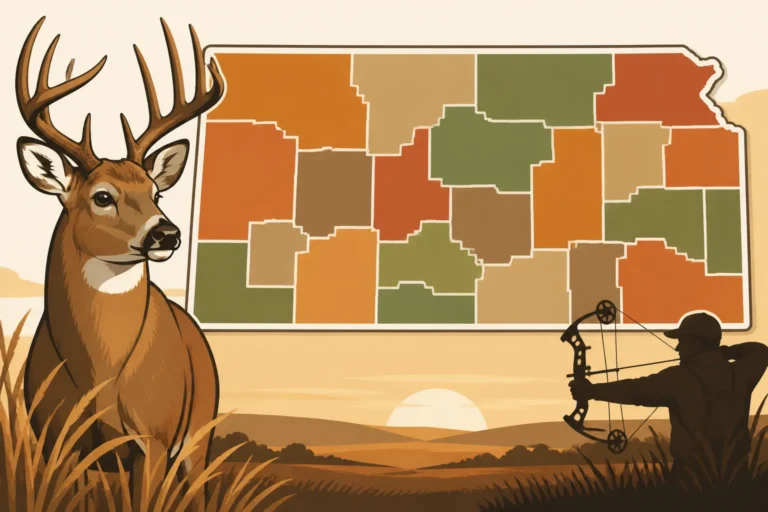
- Unit Specificity: The permit is valid only for the deer management unit in which the family land is located. You cannot use it to hunt deer in another unit, even if you have family land there or a general permit for a different unit. This reiterates the localized nature of this specific permit. You can find detailed maps of these units by searching for "Kansas Deer Unit Map" or checking the KDWP website.
- Weapon Choice: Typically, a Family Member Landowner Permit is designated for the weapon type (archery, muzzleloader, or firearm) that corresponds to the general season. Ensure your chosen weapon aligns with the permit you're applying for and the season dates. Understanding Kansas Deer Season Dates by Weapon is crucial before you apply.
- One Permit Per Year: Generally, you can only receive one antlered deer permit (either through the general draw or a special category like this one) per year. This permit will count towards your overall deer tag allocation for the season. You can still purchase additional Antlerless-Only Permits if available for your unit.
- Non-Transferable: These permits are issued to a specific individual and are not transferable to another person, even if they are also an eligible family member.
Avoiding Common Application Mistakes
Even with the best intentions, applicants sometimes make mistakes that can delay or outright prevent them from getting their permit. Being aware of these common pitfalls can save you a lot of headache:
- Incorrect Acreage: Double-checking that the family land is truly 80 contiguous acres or more is vital. Sometimes, properties are split by roads or non-family-owned parcels, breaking contiguity. Reviewing the "What Counts as 80 Acres in Kansas" guidelines can help clarify this.
- Misunderstanding Relationship Eligibility: As mentioned earlier, "family" means specific lineal relatives, siblings, and spouses. Don't assume other relatives will qualify. If in doubt, contact KDWP directly for clarification before submitting.
- Missing Deadlines: While these permits might be available over-the-counter for residents, processing takes time. Applying well within the Kansas Deer Application Window in April minimizes stress and ensures you have your permit before the season opens.
- Incomplete or Inaccurate Information: Any missing fields, typos in legal descriptions, or incorrect landowner information can flag your application for review and delay. Take your time and verify every piece of data. Using a tool like GoHunt to review regulations specific to Kansas can also provide an extra layer of verification, ensuring all necessary steps are followed.
| Permit Type | Who Can Apply | Land Minimum | Landowner Residency | Applicant Residency | Draw Required (Generally) |
|---|---|---|---|---|---|
| Family Member Landowner | Lineal ascendant/descendant, sibling, spouse of landowner | 80 contiguous acres | Kansas Resident | Kansas Resident | No (OTC for residents) |
| Direct Landowner | Landowner themselves | 80 contiguous acres | Kansas Resident | Kansas Resident | No (OTC for residents) |
| Nonresident General | Any Nonresident | N/A | N/A | Nonresident | Yes |
| Resident General | Any Kansas Resident | N/A | N/A | Kansas Resident | Sometimes (unit dependent) |
It's also important to stay informed about potential rule changes. The KDWP periodically updates its regulations, so always check the latest Kansas Regulation Summary Release Date to ensure you're working with the most current information. Finally, always remember the importance of ethical hunting practices and adhering to all laws to avoid Kansas Wildlife Violation Penalties. Hunting on family land is a privilege, and respecting the rules ensures this tradition can continue for future generations.
Disclaimer
Please note that hunting regulations, permit availability, and season dates are subject to change by the Kansas Department of Wildlife and Parks. While this guide aims to provide accurate and up-to-date information, it is essential for all hunters to consult the official KDWP website and current hunting regulations before planning or participating in any hunting activities. This content is for informational purposes only and should not be considered legal advice.