Kansas Either-Sex Permit Rules
It’s a common frustration when you’re staring at your Kansas deer permit, trying to decipher what exactly “either-sex” means for your hunt. Many hunters, especially those new to the Sunflower State or unfamiliar with its regulations, get tripped up by the specific terminology. This comprehensive guide is here to unravel the complexities of Kansas either-sex deer permit rules, helping you understand your tags and plan your hunt with confidence, so you can focus on the deer, not the paperwork.
Understanding Kansas Deer Permits and Terminology
Before you even step foot in the woods, understanding the language on your hunting permit is absolutely critical. In Kansas, the term "either-sex" is perhaps one of the most important designations you'll encounter, and it carries significant weight in how you plan and execute your deer hunt.
The Basics of Either-Sex vs. Antlerless
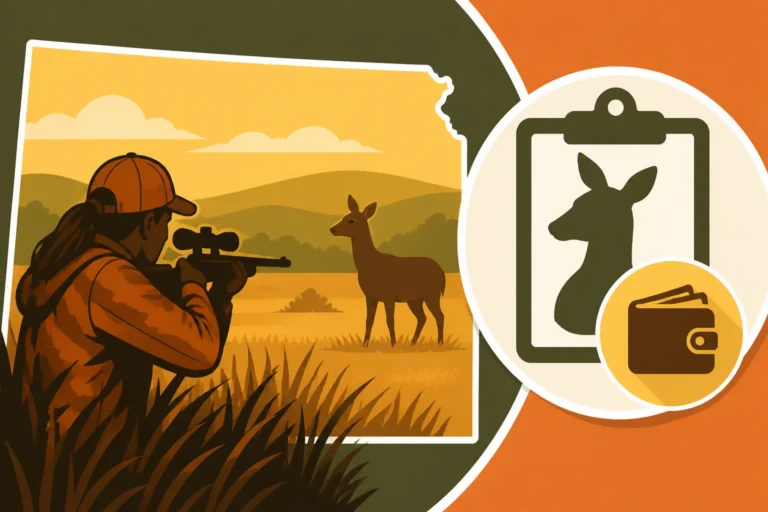
Let's cut through the jargon: an either-sex permit grants you the privilege to harvest either an antlered deer (a buck with at least one antler three inches or longer) or an antlerless deer (a doe, fawn, or a male deer with antlers less than three inches long). This offers immense flexibility, and for many hunters, especially non-residents, their primary deer permit is often an either-sex whitetail tag.
Contrast this with an antlerless-only permit. As the name clearly states, these permits strictly limit your harvest to an antlerless deer. You cannot legally take an antlered buck with an antlerless-only tag. These tags are typically issued to help manage doe populations, provide additional hunting opportunities, and fill freezers, particularly during specialized seasons or extended hunting periods. You can often purchase additional Kansas Antlerless Deer Permits after securing your primary tag, which can be a great way to extend your hunt or ensure you bring home meat.
The key takeaway here is that your primary deer permit in Kansas—the one you draw for your weapon choice and unit—is almost universally an either-sex permit for a whitetail deer. This means that if you're lucky enough to draw a coveted Kansas tag, you'll have the option to pursue a buck or a doe within the designated season framework.
Why "Either-Sex" Matters for Your Hunt
The "either-sex" designation isn't just bureaucratic language; it profoundly impacts your hunting strategy. Imagine you’ve spent countless hours scouting, hanging stands, and putting in the work. When you finally get that chance, having an either-sex tag means you're prepared for whatever opportunity presents itself.
During the peak of the rut, when big bucks are on the move, your either-sex tag allows you to hold out for that trophy you've been dreaming of. You can strategically focus on buck sign, calling, and key travel corridors, knowing that if a mature whitetail steps out, you're legal to take it. For many, this is the entire reason for hunting Kansas—the chance at a truly giant buck.
However, hunting isn't always about antlers. Sometimes, the goal is to simply fill the freezer with venison. If a healthy doe offers a perfect, ethical shot, your either-sex permit means you can take that opportunity without hesitation. This flexibility is particularly valuable in challenging weather, during periods of low buck activity, or when you're simply running out of time on your hunt. It allows you to adapt to changing conditions and animal behavior, maximizing your chances of success. It means you don't have to pass on a perfect shot at a doe because you're hoping for a buck that might never appear.
Having this flexibility also reduces pressure. You can hunt for a trophy without the absolute panic that comes from having an antlered-only tag and seeing nothing but does. It empowers you to make game-time decisions based on the actual animals you see, rather than being strictly bound by an antler restriction.
Specific Rules for Kansas Either-Sex Permits
While the basic definition of an either-sex permit is straightforward, the application of these rules can vary based on your weapon choice, the season, and even the specific deer management unit you're hunting in. Misinterpreting these details could lead to a violation, so paying close attention is paramount.
Weapon Restrictions and Season Dates
Your either-sex permit is directly tied to the weapon choice you made during the application process, and thus, to the corresponding season dates. For instance, if you applied for and received an archery either-sex permit, it is only valid during the official Kansas Archery Deer Season Dates. You cannot use an archery permit during the firearm season, even if it's an "either-sex" tag. The same goes for muzzleloader and firearm permits. A Kansas Muzzleloader Deer Season either-sex permit is only good for that specific season, usually in September, and your Kansas Firearm Deer Season in December permit is restricted to the firearm season window.
It's crucial to understand that while your primary permit is either-sex, certain extended or special seasons might be antlerless-only, regardless of what your primary tag states. For example, some areas or late-season opportunities may shift to antlerless-only to further manage doe populations, even for hunters who hold a general either-sex permit that might be valid concurrently. Always check the current year's Kansas Department of Wildlife, Parks, and Tourism (KDWP) regulations for any nuances or specific area restrictions that might apply. Technology tools like the GoHunt app can be incredibly helpful for quickly referencing these rules on the go, making sure you're always legal in the field.
Unit-Specific Regulations and Limitations
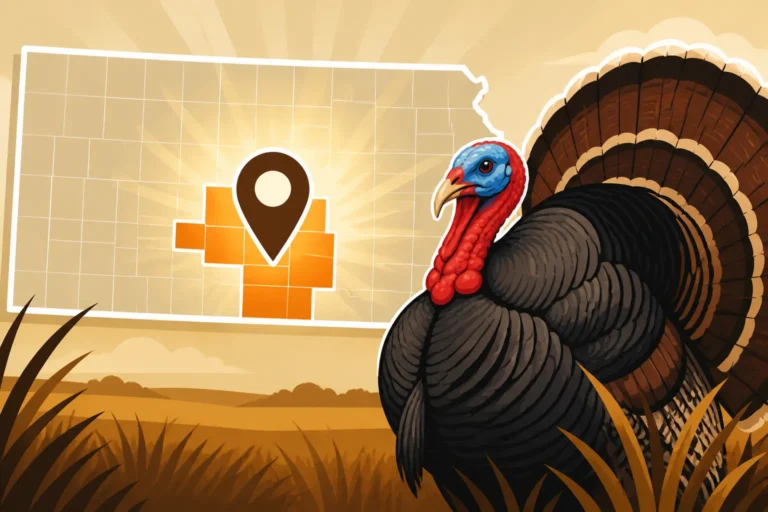
Kansas is divided into various deer management units, often referred to as "units." While your primary either-sex whitetail permit will typically be valid for the unit you drew and its adjacent unit (if you selected one during the application process), there can be subtle differences or special limitations depending on the unit. For a comprehensive overview, it's always smart to consult the Kansas Deer Units 1 Through 19 guide.
Most notably, if you drew an either-sex permit for a specific unit, that's where you'll do your hunting. While this sounds obvious, some hunters might assume an either-sex permit is universally valid across the state for the given season. It is not. Your primary tag is unit-specific.
Furthermore, while most primary permits are for whitetail deer, a very small portion of western Kansas offers limited opportunities for mule deer. If you're fortunate enough to draw a mule deer stamp, which converts a whitetail permit to allow the harvest of a mule deer, the "either-sex" rule still applies to the mule deer species – meaning you could take an antlered or antlerless mule deer, within the correct unit, season, and weapon choice. However, these are exceedingly rare for nonresidents and are highly controlled.
Special hunts, such as those on state wildlife areas or specific controlled hunts, might also have their own set of either-sex or antlerless-only rules that supersede or modify the general statewide regulations. For example, some state parks might have special youth seasons or hunts aimed specifically at antlerless harvest. Always, always check the specific regulations for any area you intend to hunt, especially public lands that might have unique rules. The KDWP hunting atlas is an invaluable tool for this.
Applying for and Utilizing Your Either-Sex Permit
Securing an either-sex permit in Kansas, especially for non-residents, involves a critical application process. Understanding how to navigate this system and then make the most of your hard-earned tag is key to a successful hunt.
The Application Process for Nonresidents and Residents
For Kansas residents, the process of obtaining an either-sex whitetail permit is generally more straightforward. Often, residents can purchase these permits over-the-counter or through a simpler draw for certain units, with more opportunities and flexibility available.
For nonresidents, it's a different ballgame. Kansas operates a lottery draw system for nonresident deer permits. When you apply, you'll specify your preferred deer management unit and an adjacent unit, along with your weapon choice (archery, muzzleloader, or firearm). If you are successfully drawn, your primary deer permit will almost always be an either-sex whitetail permit for your chosen unit and adjacent unit. Understanding How to Apply for a Kansas Nonresident Deer Permit is crucial to avoid common pitfalls.
The application window is usually in April, and missing this deadline means you'll miss out on the opportunity to draw a primary either-sex permit for the upcoming season. Utilizing resources like GoHunt can give you valuable insights into draw odds for different units and weapon choices, helping you strategize your application to maximize your chances of getting that coveted either-sex tag. Remember, there's also the Kansas deer permit costs to factor in, including the non-refundable application fee. It's an investment, so you want to get it right.
Strategic Use of Your Either-Sex Permit
Once you have that either-sex tag in hand, the real fun begins – planning your hunt strategy. The beauty of an either-sex permit is its versatility.
Many hunters come to Kansas with dreams of a trophy buck. If that's your primary goal, your either-sex permit allows you to commit fully to that pursuit. You can spend your time glassing CRP fields for a bedded giant, keying in on river bottom trails for cruising bucks during the rut, or focusing on prime feeding areas. The flexibility means if you're out Hunting the Kansas Pre-Rut in Late October or during the main rut, you can pass on smaller bucks, knowing you have the option for a larger one.
However, hunting isn't always predictable. A cold front might roll in, shutting down buck movement, or you might find yourself late in the season, needing to fill the freezer. With an either-sex permit, you can shift your focus to Late-Season Food Source Hunting for does or target areas where deer are concentrated for sustenance. Taking a healthy doe to ensure you have meat for the winter is a perfectly valid and often necessary part of hunting, and your either-sex tag gives you that freedom.
Always remember to physically check your permit to confirm the species (whitetail or mule deer, if applicable), sex restrictions, weapon type, and unit validity before you head into the field. After a successful harvest, reporting your deer properly is also a requirement, so be aware of the Kansas Deer Harvest Reporting Deadline. Whether you're chasing antlers or filling the freezer, understanding and strategically utilizing your either-sex permit is the cornerstone of a successful Kansas deer hunt.
| Permit Type | Harvest Allowed | Common Season | Primary Goal |
|---|---|---|---|
| Either-Sex | Antlered (buck ≥ 3" antler) OR Antlerless (doe/fawn/spike < 3" antler) | Archery, Muzzleloader, Firearm | Trophy Buck / Meat |
| Antlerless-Only | Antlerless (doe/fawn/spike < 3" antler) | Extended, Special Hunts, Secondary Tags | Meat / Population Control |
Disclaimer
Always verify current regulations with the Kansas Department of Wildlife, Parks, and Tourism (KDWP) before hunting. Rules and seasons can change. This guide is for informational purposes only and does not constitute legal advice.