Kansas Either-Species Deer Permits
It can feel like navigating a maze when you're trying to figure out all the different deer permits and what they allow in Kansas. Many hunters, especially those coming from out of state, get overwhelmed by the options and jargon, wondering if they're applying for the right tag for their dream hunt. This comprehensive guide is here to clear up the confusion surrounding Kansas's either-species deer permits, explaining exactly what they entail, how to secure one, and how to make the most of this unique hunting opportunity.
What Exactly Are Kansas Either-Species Deer Permits?
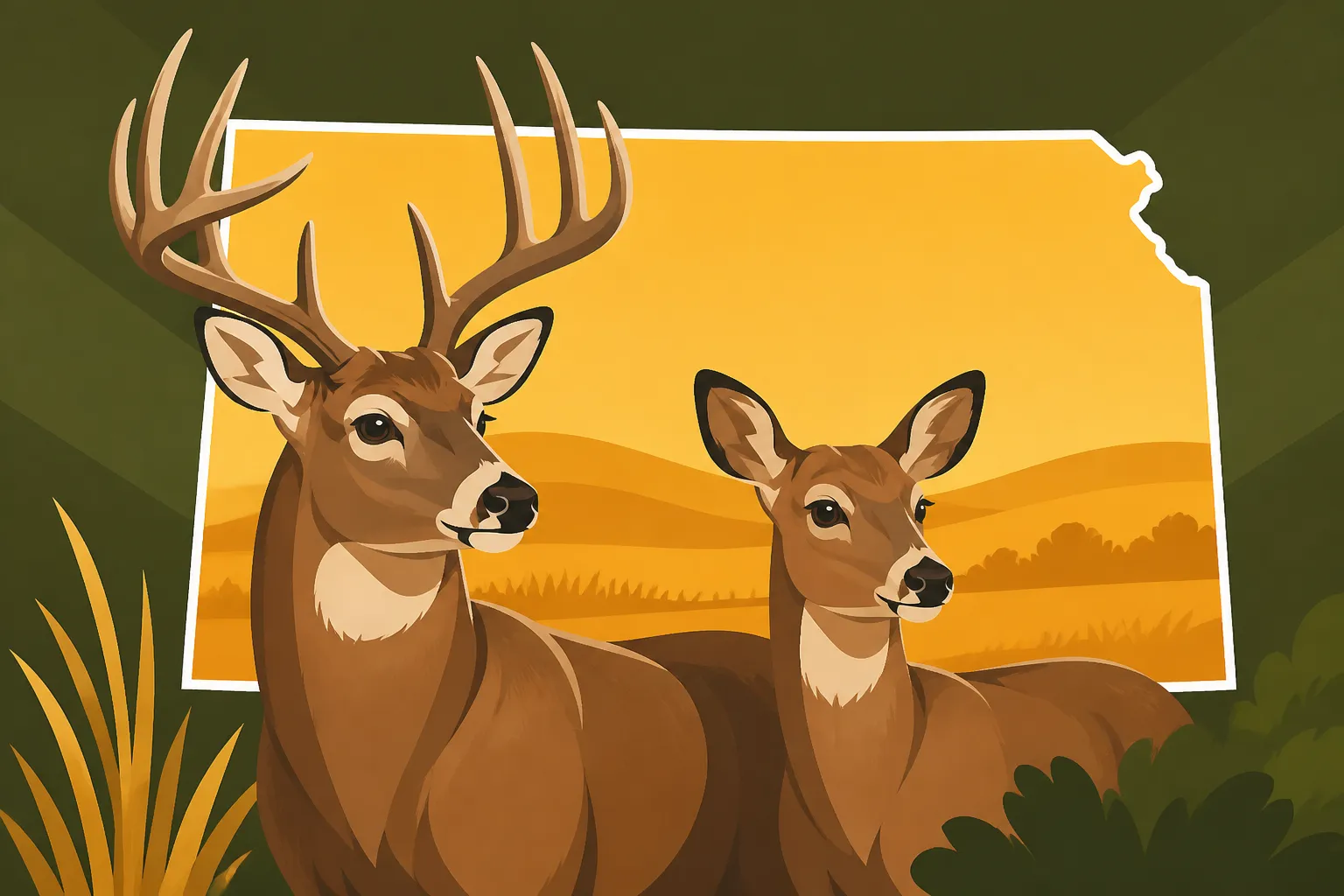
When you hear "either-species deer permit" in Kansas, it’s not just another tag; it’s a golden ticket for many hunters. Unlike a standard whitetail-only permit, this coveted tag grants you the legal right to harvest either a whitetail deer or a mule deer, provided it meets the "either-sex" criteria. This means you could potentially fill your tag with a majestic muley buck or a hefty whitetail, making it incredibly versatile for hunters pursuing diverse big game opportunities in the Sunflower State. This flexibility is a huge draw, particularly for those who cherish the chance to hunt mule deer, which are far less common than whitetails in Kansas.
Defining "Either-Species, Either-Sex"
Let's break down what "either-species, either-sex" truly means. "Either-species" is pretty straightforward: you can legally harvest either a whitetail deer or a mule deer. This is a crucial distinction because most deer permits in Kansas are species-specific, typically for whitetails. The "either-sex" component means that once you've chosen your species, you can take either a buck or a doe of that species. However, for non-residents and often for residents, the primary deer permit is almost always for an antlered deer first, and any additional antlerless tags are usually whitetail-only. The either-species permit is generally associated with the primary antlered tag you draw, meaning you're usually pursuing a buck of either species. This level of flexibility is unmatched by other permit types and significantly expands your potential hunting grounds and strategies.
The Rarity and Value of Mule Deer Opportunities
Mule deer in Kansas are primarily found in the western third of the state, living up to their "high plains" reputation. Their populations are much smaller and more localized compared to the ubiquitous whitetail. This makes an either-species permit incredibly valuable, as it opens up the possibility of pursuing these iconic Western deer. For many non-resident hunters, drawing a Kansas deer permit that allows for a mule deer is the ultimate goal, often taking several years of building preference points. The chance to hunt these animals, known for their large ears, bounding gait, and impressive forking antlers, is a significant draw, elevating the either-species tag to a highly sought-after commodity. It's not just about filling a tag; it's about the unique hunting experience and the challenge of locating and harvesting a mule deer in its native, often sparse, habitat.
How These Permits Differ from Whitetail-Only Tags
The primary difference, as you might guess, lies in the species allowance. A standard Kansas whitetail-only permit, which is far more common, restricts you to harvesting only a whitetail deer. These permits are typically easier to draw, especially for residents, and are what most hunters will be carrying. On the other hand, the either-species permit grants you that coveted flexibility to pursue either deer species. This distinction directly impacts your hunting unit choice, scouting strategies, and even your preferred hunting methods. If you have an either-species permit, you'll likely focus your efforts on western Kansas units where mule deer are present, combining strategies that work for both species, unlike the pure whitetail focus common in eastern Kansas timber and river bottoms. Understanding these differences is key to making an informed decision when you're looking at the Kansas Deer Permits and the Nonresident Draw and deciding which permit type best aligns with your hunting goals.
Eligibility and the Application Process for Either-Species Permits
Securing an either-species deer permit in Kansas is not as simple as walking into a sporting goods store. It's tied into the state's controlled draw system, especially for non-residents, and requires careful planning and an understanding of the application process. While residents have more options, non-residents will find this tag to be one of the more challenging to acquire due to high demand.
Who Can Apply for an Either-Species Tag
Both residents and non-residents can apply for an either-species deer permit, but the draw odds and application process differ significantly. For Kansas residents, an either-species tag is often part of their regular deer permit options, sometimes even available over the counter in certain units or seasons, though typically the full "either-species, either-sex" permit for bucks is a drawn permit too. Non-residents, however, must go through the non-resident deer draw for their primary deer permit. It's during this application process that they declare their weapon choice (archery, muzzleloader, or firearm) and select a primary and adjacent unit. The either-species designation is linked to successfully drawing a non-resident deer permit in one of the specific western units where mule deer exist. If you don't specifically apply for or draw in a mule deer unit, your permit will automatically be whitetail-only. This is a critical point to grasp: you're not applying for an either-species permit directly; you're applying for a deer permit in a unit that offers mule deer, and if drawn, it becomes an either-species permit.
Navigating the Kansas Deer Draw with GoHunt
The Kansas deer draw can feel intimidating, particularly with the critical details of unit choices, weapon selections, and preference points. This is where resources like GoHunt become invaluable. Platforms like GoHunt provide detailed draw odds, application strategies, and unit breakdowns that can help you make an informed decision about where to apply. They analyze historical data to give you a clearer picture of your chances of drawing an either-species permit in specific units, which are almost exclusively in the western part of the state. Utilizing tools like GoHunt can significantly increase your confidence, especially when you're considering the substantial non-resident Kansas Nonresident Deer Permit Cost and the commitment of preference points. They can help you identify units that offer better draw odds for an either-species tag versus those that are nearly impossible without a high number of points. Remember, the Kansas Deer Application Window in April is tight, so preparation is key.
Understanding Your Chances and Preference Points
Drawing an either-species permit as a non-resident typically requires accumulating preference points. Kansas uses a preference point system where applicants who are unsuccessful in the draw can purchase a point for the following year. These points increase your odds in subsequent draws. For mule deer units, the demand is high, meaning it can take several years, sometimes even 5-10 or more points, to reliably draw an either-species permit, especially for rifle season. Archery seasons often have slightly better odds, but it's still a challenging draw. Understanding the number of points required for your target unit and weapon choice is crucial for managing expectations and planning your hunts. If your goal is specifically to hunt a mule deer, patience and consistently applying for and buying preference points are your most important strategies. For an in-depth look at how these points function, you might want to check out the details on Kansas Preference Points Explained.
Rules, Restrictions, and Strategic Use of Your Permit
Once you've successfully drawn an either-species permit, understanding the rules and restrictions is paramount to a legal and successful hunt. These permits come with specific tagging requirements and unit limitations, and knowing them upfront will prevent any unwelcome surprises in the field.
Legal Harvest Requirements and Tagging
The "either-species, either-sex" designation on your permit means you can harvest either a whitetail or a mule deer, and that deer can be male or female. However, as mentioned, for primary permits, you're usually focused on an antlered animal. Once you harvest a deer, the tagging requirements are the same as any other deer permit in Kansas. You must immediately fill out your tag with the date and time of kill and attach it to the deer. The deer must be reported to the Kansas Department of Wildlife, Parks and Tourism (KDWPT) via the electronic check-in system within 24 hours of harvest. This can typically be done online or through the Go Outdoors Kansas mobile app. Failure to properly tag and report your harvest can lead to significant penalties, so it's vital to follow these steps meticulously. Don't forget that after harvest, you'll need to remember the Kansas Deer Harvest Reporting Deadline.
Unit-Specific Considerations and Habitat
While your permit allows for either species, the reality of mule deer distribution means you'll only find them in specific units, predominantly in the western third of the state. Therefore, simply having an either-species permit doesn't magically create mule deer habitat everywhere. You must be hunting within a unit known to have mule deer populations. These units are often characterized by vast open plains, agricultural fields, broken badlands, and sparse timber along river drainages, which is very different from the dense woods found in Eastern Kansas timber and river bottoms. When selecting your unit during the application process, or if you're scouting, it's essential to research the specific unit's deer demographics. Some units might hold a healthy population of both species, while others might be predominantly whitetail with only scattered mule deer. The Kansas Deer Units 1 Through 19 each have unique characteristics you'll need to familiarize yourself with.
Here's a simplified look at the general distribution of deer species in Kansas:
| Region of Kansas | Primary Deer Species | Potential for Either-Species Permit | Typical Terrain |
|---|---|---|---|
| Eastern Kansas | Whitetail Deer | No Mule Deer present | Timber, River Bottoms, Agriculture |
| Central Kansas | Whitetail Deer | Very rare/unlikely Mule Deer | Mixed Grassland, Agriculture, Sparse Timber |
| Western Kansas | Whitetail & Mule Deer | High, but Mule Deer are localized | Open Plains, Agriculture, Canyons, Breaks |
Planning Your Hunt for Both Whitetail and Mule Deer
Having an either-species permit offers unique strategic advantages. If you're focused on western Kansas, you can scout for both whitetail in creek bottoms and riparian areas, and mule deer on open plains, draws, and breaks. Your hunting strategy might involve glassing vast expanses for mule deer in the mornings and evenings, then shifting to more traditional treestand or ground blind hunting for whitetails along timber edges or food plots during midday or when conditions favor it. This flexibility allows you to adapt to deer movement, weather patterns, and hunting pressure. For instance, if mule deer aren't showing up in the open, you might switch your focus to whitetails using agricultural fields, like hunting inside corners of crop fields. This duality requires versatile hunting skills and a good understanding of both species' behaviors.
Maximizing Your Hunting Success with an Either-Species Permit
Drawing an either-species permit is a big step, but successful harvesting requires thoughtful planning and execution. From scouting to shot placement, every detail matters when pursuing these sought-after animals.
Scouting and Strategy for Dual Species
Effective scouting for an either-species hunt means understanding the distinct habitats and behaviors of both whitetail and mule deer. For whitetails, you'll be looking for well-used trails, rubs, scrapes, and bedding areas in thicker cover such as creek draws, shelterbelts, and timber points. Utilizing tools like GoHunt's mapping features can help you e-scout for these features, identifying potential travel corridors and pinch points. For mule deer, your focus will be on glassing open country, identifying draws, isolated treelines, or unique terrain features where they might bed or feed. They often rely on their eyesight and the vastness of the landscape for survival, so covering ground with good optics is critical. Learning to read aerial imagery for bedding cover is invaluable here, too. Your strategy might evolve daily based on which species you're encountering and the conditions. Don't underestimate the importance of understanding Wind and Thermals on a River Bank or in open country, as both species are highly sensitive to scent.
Equipment and Shot Placement Considerations
Given the varied terrain and potential shot distances for both species, your equipment choices are important. If you're hunting open Western Kansas, shots on mule deer can often be longer than typical whitetail shots in denser cover. Ensure your rifle is sighted in accurately for extended ranges, or if bowhunting, practice at various distances and angles. For mule deer, a steady rest is often crucial. Shot placement, regardless of species, remains paramount. Aim for the vital organs (lungs and heart). While whitetails often offer broadside or quartering-away shots from a stand, mule deer might present different angles in open country. Understanding Shot Placement on a Whitetail at Twenty Yards is foundational, but be prepared for more dynamic scenarios with mule deer. Always confirm your shot placement and follow up diligently.
Post-Harvest Reporting and Carcass Transport
After a successful harvest, the work isn't over. As previously mentioned, reporting your deer to KDWPT is a mandatory step, usually within 24 hours. This data is vital for wildlife management and ensures your hunt was legal. Carcass transport rules are also important, especially if you're traveling across state lines. Kansas has regulations aimed at limiting the spread of Chronic Wasting Disease (CWD). Generally, you're often limited to transporting only deboned meat, skull plates (antlers attached), cleaned skulls, and hides across state lines. Always check the latest regulations for Kansas and any states you'll be traveling through to avoid issues. Getting a deer cooled in September can be challenging due to warm weather, so having a plan for field dressing and cooling your animal, perhaps by quartering it in the field, is crucial for preserving the meat quality.
Disclaimer
This guide is intended for informational purposes only and does not supersede official Kansas Department of Wildlife, Parks and Tourism (KDWPT) regulations. Hunting laws and regulations can change, so it is the hunter's responsibility to consult the most current KDWPT hunting regulations guide before applying for permits or going afield.