Kansas Unit 12 Extended Antlerless Hunt
For many Kansas hunters, the regular deer seasons fly by in a blur, leaving freezers emptier than they'd hoped. That feeling of missing out on valuable hunting days, or just needing more opportunities to fill the tag, is a common one. If you’re hunting in Kansas Deer Unit 12, there’s a fantastic, often underutilized opportunity to extend your season and secure more venison for the year: the extended antlerless firearm hunt. This guide will walk you through everything you need to know about taking advantage of this specific season, from understanding its purpose to successful tactics and crucial regulations.
Understanding the Kansas Unit 12 Extended Antlerless Season
The Kansas Department of Wildlife, Parks and Tourism (KDWP) implements extended antlerless seasons in specific deer management units for a very important reason: population control. When deer numbers get too high in certain areas, particularly agricultural regions, they can cause significant crop damage and even increase the risk of deer-vehicle collisions. Unit 12 is one such area where this management strategy comes into play, offering hunters an additional window to harvest does.
What Makes Unit 12 Unique for Extended Hunts?
Kansas Deer Unit 12 is situated in a region characterized by a mix of agriculture and timbered river bottoms, providing ideal habitat for whitetail deer. This fertile landscape allows deer populations to thrive, sometimes to a point where intervention is needed to balance the ecosystem and mitigate human-wildlife conflicts. Unlike some units with more stringent antlerless harvest rules, Unit 12 often has a greater abundance of antlerless tags available and hosts this extended season to encourage a higher doe harvest. Understanding the geography and primary land use of Unit 12—which often includes extensive corn and soybean fields alongside creek and river drainages—is crucial for successful hunting, especially when looking for areas where deer congregate. When looking at a Kansas Deer Unit Map, you'll quickly see the blend of habitats that contribute to a healthy deer population here.
The Purpose of Extended Antlerless Seasons
Beyond simply extending hunter opportunity, the primary goal of the extended antlerless season is sound deer management. By focusing harvest pressure on does, the KDWP aims to:
- Regulate population growth: Harvesting does directly impacts reproduction, helping to stabilize or reduce overall deer numbers in areas prone to overpopulation.
- Reduce crop damage: Fewer deer mean less browsing pressure on agricultural crops, which is a major concern for landowners in units like 12.
- Improve herd health: Keeping deer populations in check ensures that the available food and habitat can support the remaining animals, leading to healthier deer and potentially larger bucks in the long run.
- Provide additional recreational opportunities: For hunters, it’s a welcome chance to spend more time afield, refine skills, and secure more meat for the table, often under less pressured conditions than the main firearm season. This is a fantastic opportunity for hunters who prioritize filling their freezer. You can find more details on general Kansas Antlerless Hunts and Filling the Freezer in another resource.
Navigating Permits and Eligibility for Unit 12 Antlerless Hunts
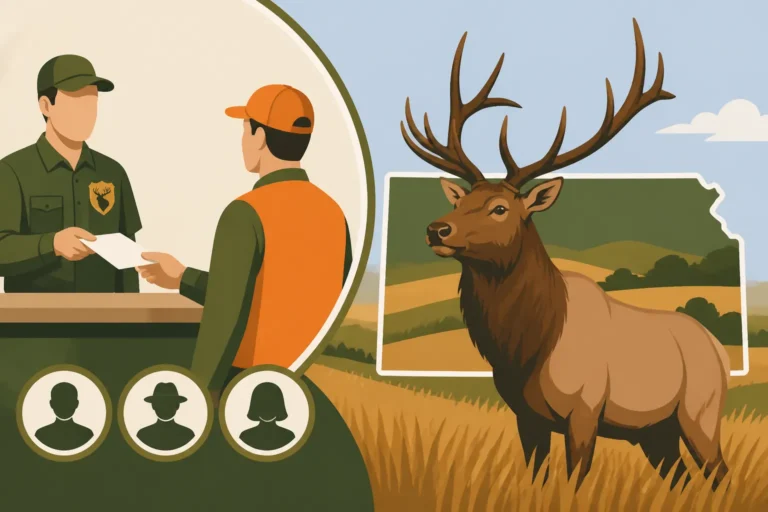
Before you even think about heading afield, you need to make sure you're properly licensed and permitted for the Unit 12 extended antlerless season. Kansas has specific requirements that apply to all deer hunting, with particular attention needed for these late-season opportunities.
Who Can Hunt and What Permits Are Needed?
The eligibility for the Unit 12 extended antlerless firearm season typically depends on your residency status and the permits you already hold or need to acquire.
- Residents: Kansas residents generally have the most straightforward path. You'll need a valid Kansas hunting license (unless exempt) and an antlerless-only deer permit that is valid for Unit 12. These antlerless permits are often available over-the-counter after the initial draw periods, especially in units designated for increased doe harvest. You can check the KDWP website or use platforms like GoHunt to see current availability.
- Non-residents: Non-residents face more restrictions. While a non-resident could obtain an antlerless permit if they were successful in drawing a general deer permit (either-sex/either-species) for Unit 12, obtaining only an antlerless permit as a non-resident for the extended season can be challenging. Non-residents typically need a valid non-resident hunting license and often need to secure an either-species/either-sex permit through the draw to then be eligible for antlerless tags. It's crucial for non-residents to thoroughly check the most current KDWP regulations, as rules can change. Understanding general Kansas Nonresident Deer Permits and the Nonresident Draw is a good starting point. All hunters, resident or non-resident, must also possess a current Kansas hunting license, the costs of which are outlined in our guide on Kansas Hunting Licence and Permit Costs.
Acquiring Your Unit 12 Antlerless Permit
The process for acquiring your antlerless permit for Unit 12 usually follows these steps:
- Check Season Dates: First and foremost, verify the exact dates for the Unit 12 extended antlerless firearm season with the most current KDWP regulations. These dates can shift slightly year to year.
- Determine Availability: Antlerless-only permits for units like 12 are frequently available over-the-counter starting in early August, but they are limited. They often sell out, so acting promptly is key. You'll want to keep a close eye on the KDWP website or utilize a reliable hunting intelligence platform like GoHunt that provides up-to-date permit availability information.
- Purchase Your Permit: Once available, permits can typically be purchased online through the KDWP licensing portal or from authorized license vendors across the state. Ensure the permit explicitly states it's valid for Unit 12 and the extended firearm season.
Table: Kansas Unit 12 Extended Antlerless Firearm Season Snapshot
| Category | Details |
|---|---|
| Purpose | Deer population management, crop damage reduction, increased hunter opportunity. |
| Season Dates | Typically runs into January, often following the regular December firearm season. Always confirm current dates with KDWP regulations. |
| Eligible Hunters | Kansas Residents (with valid hunting license & Unit 12 antlerless permit); Non-residents (with valid hunting license & Unit 12 either-species/either-sex permit + antlerless permit, if available). |
| Required Permits | Valid Kansas Hunting License (or exemption); Antlerless-Only Deer Permit for Unit 12. |
| Weapon | Firearm (rifles, shotguns, handguns as per state regulations). Confirm specific legal weapon types and ammunition restrictions with KDWP. |
| Bag Limit | One antlerless deer per permit. Additional antlerless permits may be purchased if available and legal. |
| Harvest Reporting | Mandatory online harvest reporting to KDWP within 48 hours of harvest. |
| Key Strategy Focus | Locating late-season food sources (standing crops, winter wheat), adapting to cold weather, observing deer patterns. |
Strategies for a Successful Unit 12 Antlerless Hunt
Hunting during the extended season means you're often dealing with colder weather and deer that have already faced significant hunting pressure. This requires a slightly different approach than early-season bowhunting or the peak of the rut. Success hinges on finding reliable food sources and adapting your tactics to the conditions.
Scouting and Locating Deer During the Late Season
By the time the extended antlerless season rolls around, deer behavior has typically shifted. The rut is long over, and their primary focus is survival – finding food and conserving energy. This means your scouting should center heavily on identifying prime caloric sources.
- Food is King: In Unit 12, this almost always means agriculture. Look for unharvested or recently harvested corn fields, winter wheat, alfalfa, or even food plots planted specifically for deer. These are magnets for does trying to pack on calories for the winter. Our guide on Late-Season Food Source Hunting delves deeper into identifying these crucial areas.
- Standing Corn and Stubble: If farmers left standing corn, it's an absolute goldmine. It offers both abundant food and crucial thermal and visual cover, especially on cold, windy days. Deer will often bed right in the standing corn or along its edges. Even cut corn stubble fields can hold deer, as they'll pick through for missed kernels. We cover this in detail in Standing Corn Late in the Season.
- E-Scouting with Modern Tools: Platforms like GoHunt offer powerful mapping tools that can help you identify these food sources from home. You can analyze satellite imagery to spot standing crops, timber points, and potential travel corridors. Look for the "inside corners" of crop fields where two different habitats meet, or for drainages and shelterbelts that provide cover from bedding to feeding areas. These features create natural funnels, excellent for intercepting deer. Learning to identify Hunting Inside Corners of Crop Fields or recognizing Shelterbelt Ends and Buck Travel can greatly improve your odds.
- Ground Truthing: E-scouting is a great start, but nothing beats boots on the ground. Drive around the area (from the road, respecting private property) to confirm crop status and observe deer activity during dawn and dusk. Look for fresh tracks, droppings, and browse lines along field edges.
Effective Hunting Tactics for Antlerless Deer
Once you've located promising areas, it's time to put your plan into action.
- Concealment is Critical: Late-season deer are wary. They've seen it all. Ground blinds are often an excellent choice, especially in open agricultural country. They offer warmth, concealment, and the ability to minimize movement. Make sure your blind is brushed in naturally to break up its outline. For more on this, check out Ground Blinds in Open Country. Treestands can also work, particularly if you have good cover in a timber strip or along a creek.
- Scent Control: Deer rely heavily on their noses. Even though it's colder, good scent control is still paramount. Play the wind meticulously. A doe will bust you much faster than a buck if your scent cone drifts into her feeding or bedding area.
- Patience and Persistence: These hunts can be tough. Deer might not move until later in the morning or just before dark, especially if temperatures are frigid or hunting pressure is present. Be prepared for long, cold sits. Dressing warmly is key; our guide on Cold Weather Stand Clothing can help you prepare.
- Grouping Behavior: Does often travel in family groups during the late season. If you see one, chances are more are nearby. Be ready for multiple shot opportunities if your permit allows for more than one deer.
Post-Harvest Considerations
Successfully harvesting a deer is only part of the process. How you handle the animal afterward is crucial for meat quality and legal compliance.
- Field Dressing in Cold Weather: While the extended season implies colder temperatures, unseasonably warm spells can still occur in Kansas. If it's still warm, quick field dressing is essential to begin cooling the carcass. Our guide on Field Dressing in Seventy-Degree Weather offers tips for adverse conditions, though thankfully this season usually means less urgency. In truly cold weather, you still want to field dress promptly to let heat escape.
- Cooling the Meat: After field dressing, get the deer cooled down as quickly as possible. This might mean hanging it in a shaded area if temperatures are consistently below 40°F (4°C), or quartering it and placing it in coolers with ice if temperatures are warmer or if you're transporting it a long distance.
- Harvest Reporting: Kansas requires mandatory online harvest reporting within 48 hours of taking a deer. This is a critical step that ensures compliance and helps KDWP collect vital data for deer management. Make sure you have your permit information readily available.
- Processing: Many hunters choose to process their own deer at home, which can be a rewarding experience. If you go this route, consult our resource on Processing Your Own Deer at Home for tips on proper butchering and packaging. Alternatively, locate a reputable locker plant in the area well in advance, as they can get very busy during deer season.
Important Regulations and Responsible Hunting Practices
As with any hunting season, adherence to regulations and responsible practices is non-negotiable. Knowing the rules protects you and ensures a positive experience for everyone.
Specific Rules for Unit 12 Extended Season
While the KDWP Hunting & Trapping Regulations Summary is your ultimate source, here are some general points to double-check for the Unit 12 extended antlerless firearm season:
- Legal Shooting Hours: Typically half an hour before sunrise to half an hour after sunset. Confirm these exact times for the specific dates you plan to hunt.
- Weapon Restrictions: Ensure your chosen firearm and ammunition comply with Kansas regulations for deer hunting. This typically includes centerfire rifles, shotguns (slugs only), and certain handguns. Always confirm caliber and magazine capacity limits.
- Tagging Requirements: Once harvested, your deer must be immediately tagged according to KDWP instructions. This usually involves attaching the carcass tag from your permit to the deer's leg or antler.
- Carcass Transport: If transporting a deer across unit or state lines, be aware of any specific Chronic Wasting Disease (CWD) regulations. Kansas has CWD management zones, and rules often restrict the transport of certain carcass parts (brain, spinal cord) out of those zones to prevent disease spread. Always check the latest KDWP CWD regulations.
Ethical Hunting and Respecting Land
Hunting during an extended season, often close to agricultural operations, places an even greater emphasis on ethical behavior and respecting private land.
- Retrieving Game: Make every effort to recover any deer you shoot. Tracking in late-season conditions can be challenging, but it's your responsibility to pursue and recover the animal. If a deer crosses onto private land where you do not have permission, you must obtain permission from the landowner before attempting retrieval. Understanding Retrieving Game From Private Land in Kansas is vital.
- Trespass Laws: Always know your boundaries. Hunting on private land without explicit permission is illegal and harms the reputation of all hunters. Kansas has strict Kansas Trespass Law and Posted Land rules, including the use of purple paint to mark no-trespassing areas. Utilize mapping apps like GoHunt to clearly define property lines.
- Be a Good Neighbor: If hunting near homes or livestock, exercise extreme caution and common sense. Ensure a safe backdrop for every shot, and be mindful of noise. Leaving gates as you found them, not littering, and generally being respectful are simple acts that build goodwill with landowners and the non-hunting public. Many of these extended hunts are in areas with mixed public and private land, so being a responsible steward of the land is more important than ever.
The Kansas Unit 12 extended antlerless firearm hunt is a fantastic opportunity for hunters willing to brave the colder weather and focus on late-season deer behavior. With careful planning, adherence to regulations, and a solid understanding of deer patterns, you can successfully fill your freezer and contribute to healthy deer populations in the Sunflower State.
Disclaimer
The information provided in this article is for general guidance only and is subject to change. Hunting regulations, season dates, and permit requirements are set by the Kansas Department of Wildlife, Parks and Tourism (KDWP) and can be modified at any time. Always consult the official KDWP Hunting & Trapping Regulations Summary and website for the most current and accurate information before planning any hunt.